Inhibitory Effects of Aqueous and Hydroalcoholic Extracts from Jatobá Coat (Hymenaea courbaril L.) on Pancreatic Amylase and Starch Absorption
Ana Caroline Polo, Thaís Marques Uber, Gustavo Henrique Souza, Rúbia Carvalho Gomes Corrêa, José Rivaldo dos Santos Filho, Anacharis Babeto de Sá-Nakanishi, Flávio Augusto Vicente Seixas, Adelar Bracht, Rosane Marina Peralta

TL;DR
Jatobá coat extracts can inhibit pancreatic amylase and reduce starch-induced hyperglycemia in mice.
Contribution
The study identifies jatobá coat extracts as potential agents for glycemic control through α-amylase inhibition.
Findings
Aqueous and hydroalcoholic extracts from jatobá coat inhibited α-amylase with IC50 values of 81.98 µg/mL and 51.06 µg/mL.
Both extracts reduced starch-induced hyperglycemia in mice, with the aqueous extract showing broader dose efficacy.
In silico analysis suggests procyanidin dimers and flavonoids may contribute to the inhibitory effects.
Abstract
Jatobá (Hymenaea courbaril) is a native tree abundant in Brazil. The fruit coat is an industrial by-product of jatobá flour processing, typically discarded. Presently, within the circular bioeconomy concept, there are efforts underway that aim at finding economically viable applications for the bio-residues of jatobá. Within this context, the present work attempts to find possible applications for the jatobá coat in glycemic control through inhibition of α-amylase activity. Aqueous and hydroethanolic extracts were used. In vitro experiments included detailed kinetic studies with an α-amylase catalyzed reaction. Starch absorption in vivo was assessed by means of a starch tolerance test in mice. Both extracts inhibited α-amylase. The IC50 values for the aqueous and hydroalcoholic extracts were 81.98 ± 3.53 µg/mL and 51.06 ± 0.42 µg/mL, respectively. The inhibition was of the…
Genes, proteins, chemicals, diseases, species, mutations and cell lines named across the full text — each resolved to its canonical identifier and authoritative record.
Click any figure to enlarge with its caption.
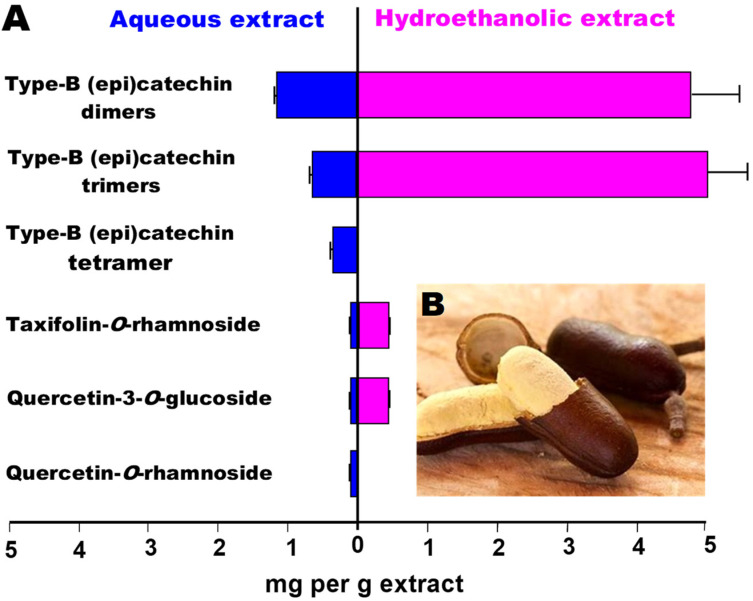 Figure 1
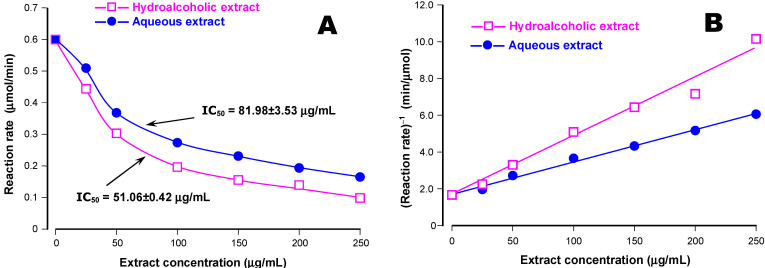 Figure 2
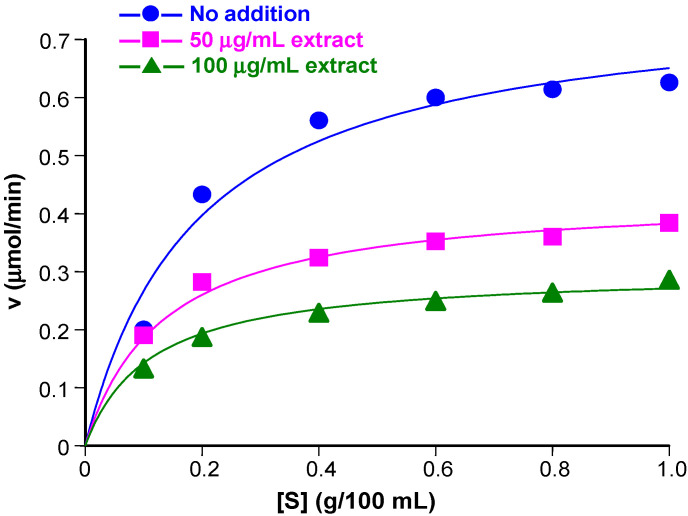 Figure 3
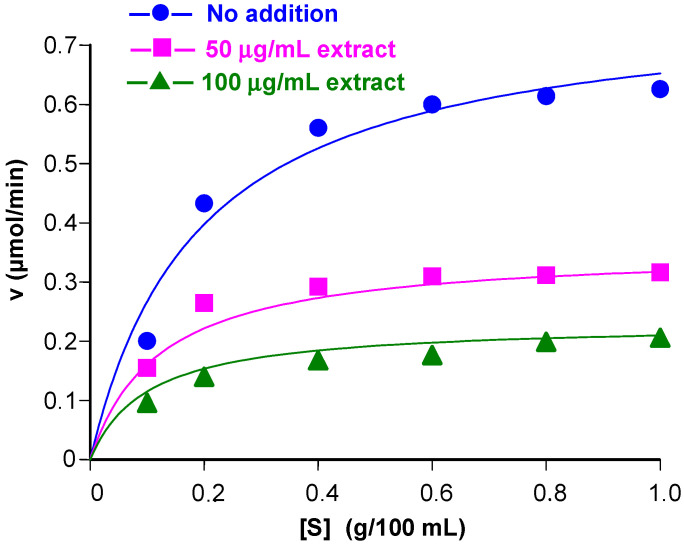 Figure 4
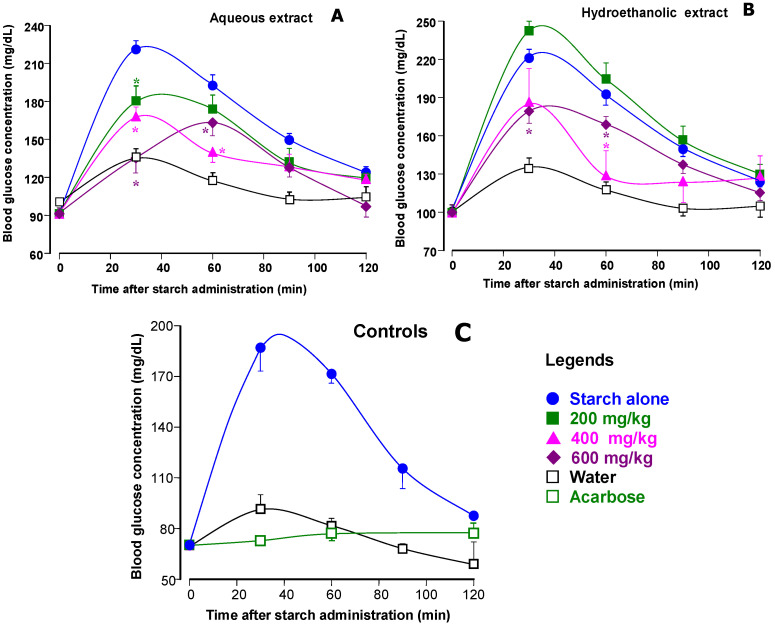 Figure 5
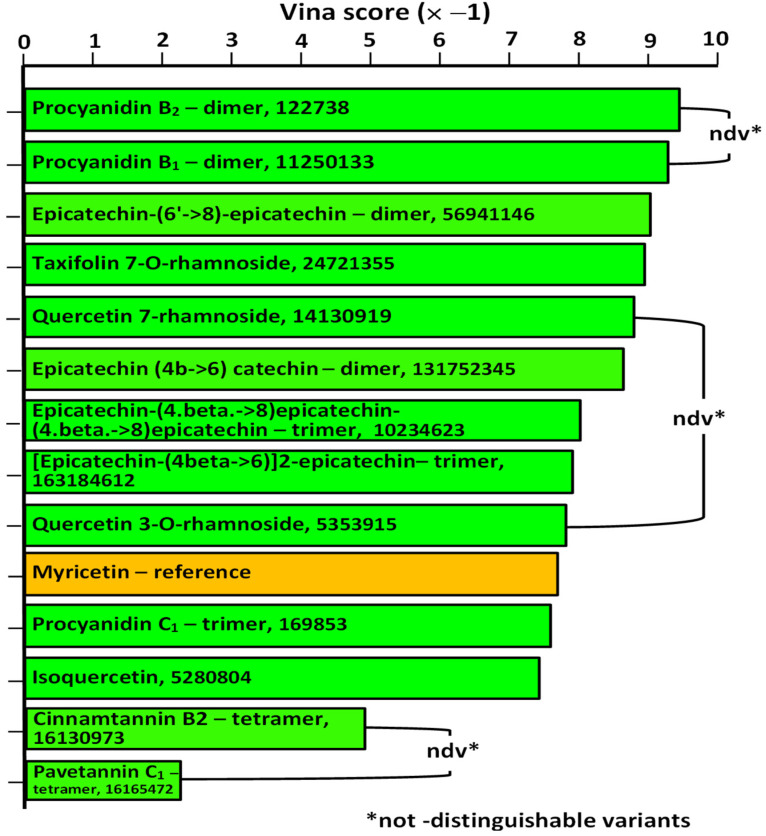 Figure 6
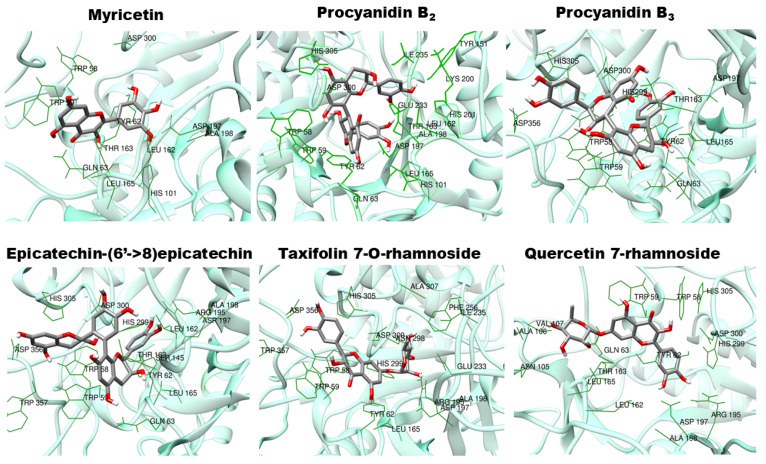 Figure 7
Peer Reviews
No public reviews on file for this paper yet. If you reviewed it on a platform where reviews are public (OpenReview, ICLR, NeurIPS, ICML), you can paste yours below so the community can read it here.
Videos
No videos yet. Explain this paper in a talk, walkthrough, or lecture? Add one.
Taxonomy
TopicsAgricultural and Food Sciences