A New Computational Method for Detecting Leak Flow and Tidal Volume Waveforms During Spontaneous or Mandatory Breathing Assisted with Nasopharyngeal Ventilation
Francesco Montecchia, Paola Papoff

TL;DR
This paper presents a new computational method to accurately measure breathing during nasopharyngeal ventilation by accounting for air leaks.
Contribution
The novel contribution is a real-time computational model for tidal volume measurement that addresses leak flow in NPV.
Findings
The model's tidal volume measurements are comparable to the gold standard pneumotachograph.
The method accounts for leak flow, improving accuracy in NPV scenarios.
Abstract
Nasopharyngeal ventilation (NPV) is a common technique used to support breathing, particularly when a patient’s respiration is inadequate, such as under sedation. It involves delivering oxygen through an endotracheal tube positioned above the glottis. Accurate tidal volume measurement is crucial for anesthesiologists, with the gold standard being a pneumotachograph. However, due to leakage from the mouth or mask, this method has limitations when applied to NPV. This study introduces a computational model that calculates respiratory flow in real time by accounting for leak flow. Results show that tidal volume measurements using this method are comparable to the gold standard, assuming the model’s assumptions hold true.
Genes, proteins, chemicals, diseases, species, mutations and cell lines named across the full text — each resolved to its canonical identifier and authoritative record.
Click any figure to enlarge with its caption.
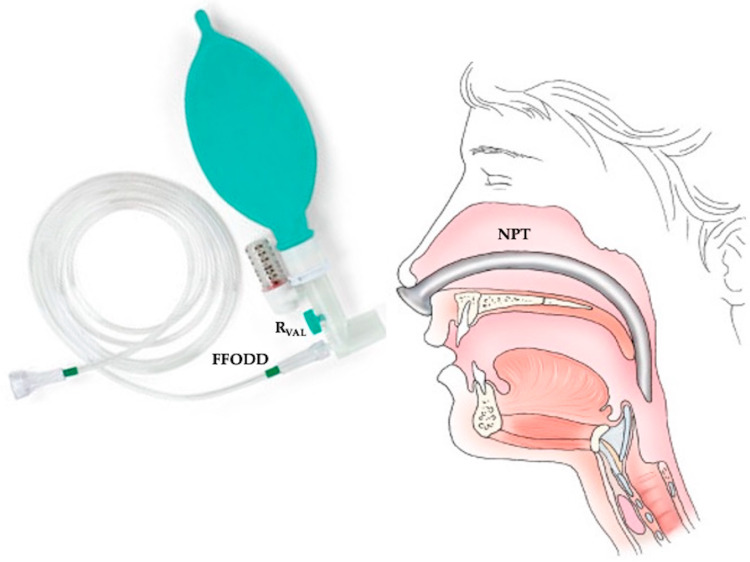 Figure 1
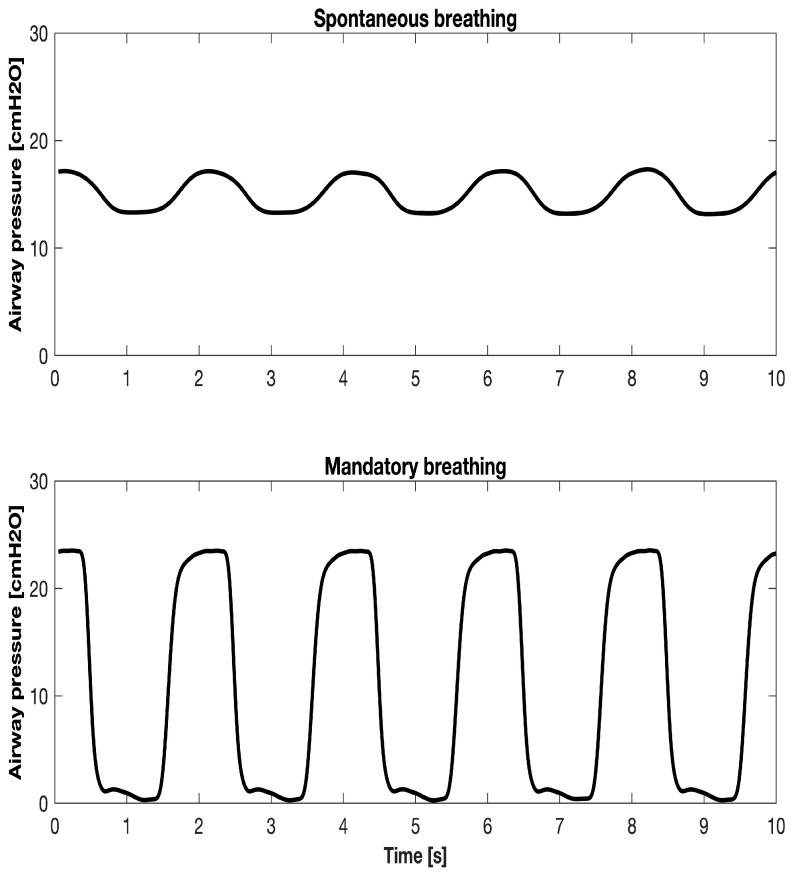 Figure 2
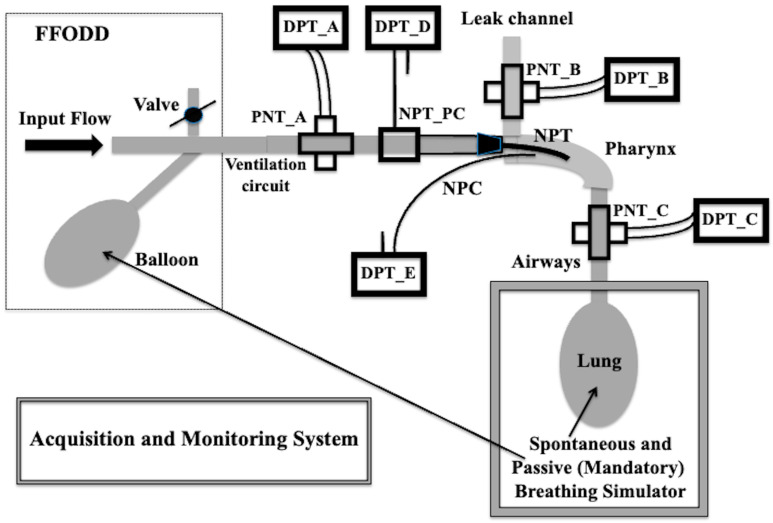 Figure 3
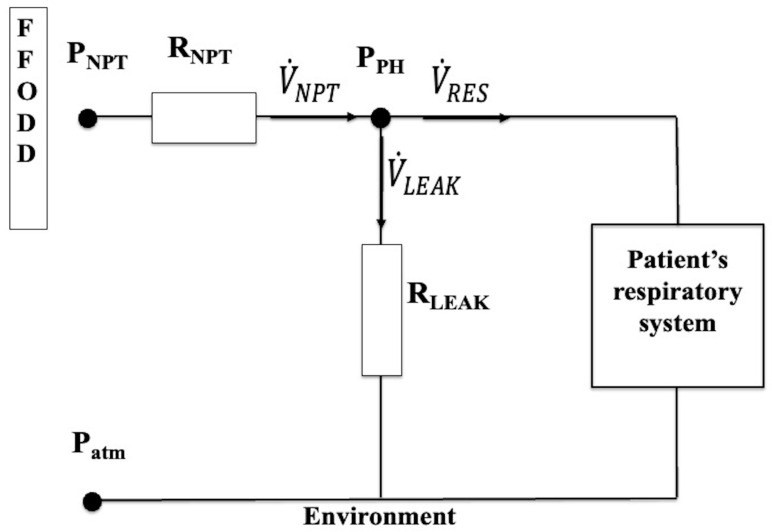 Figure 4
 Figure 5
 Figure 6
 Figure 7
 Figure 8
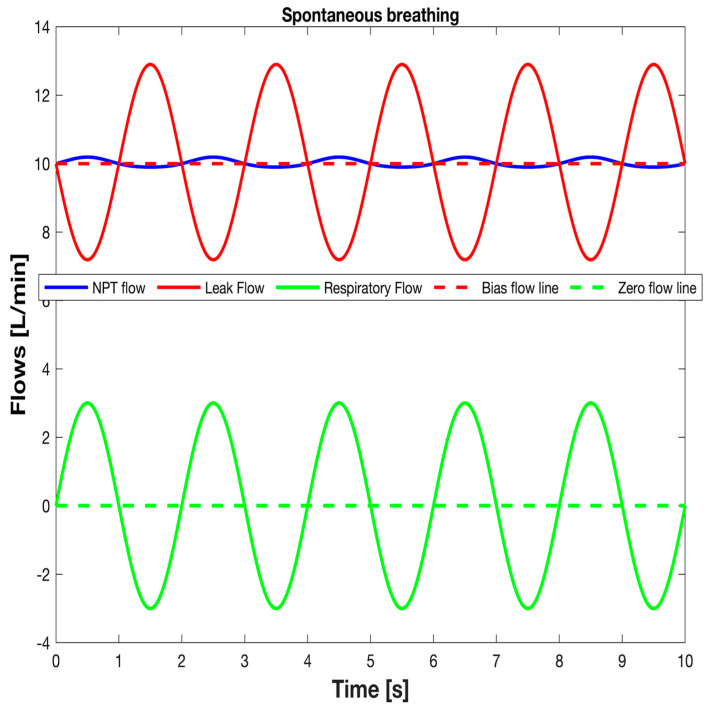 Figure 9
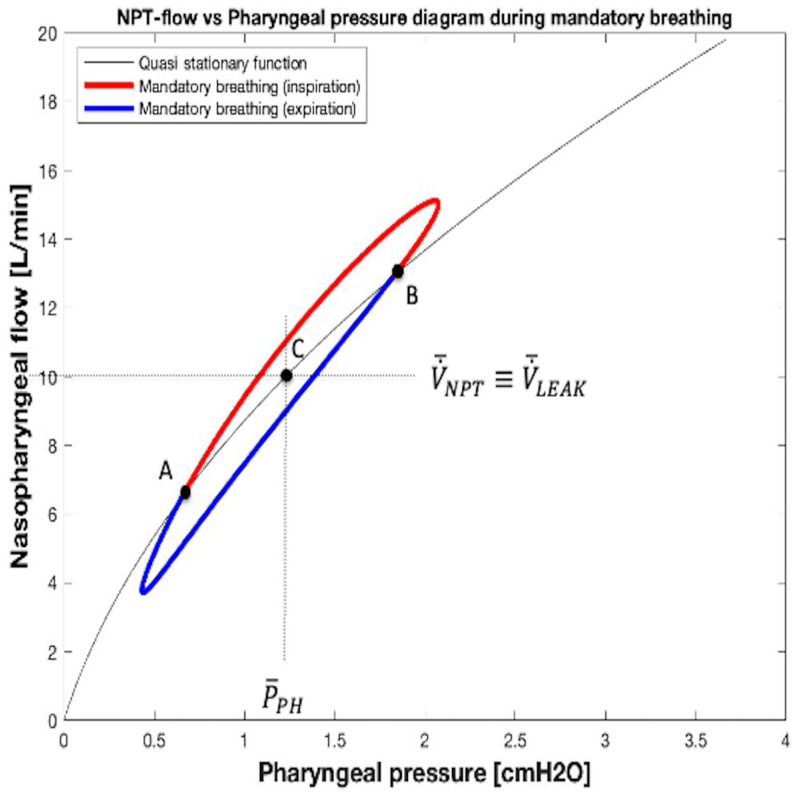 Figure 10
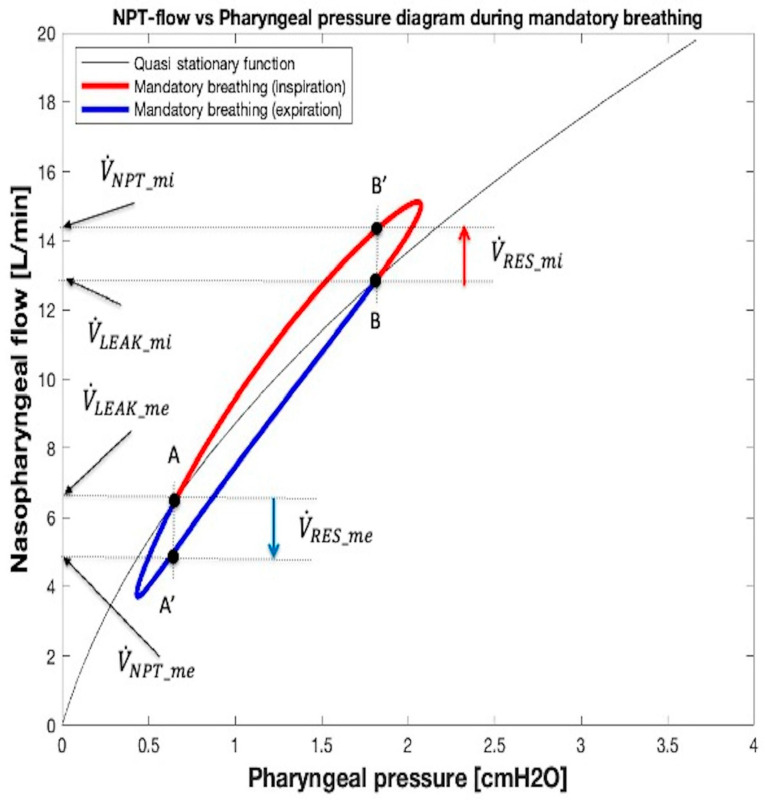 Figure 11
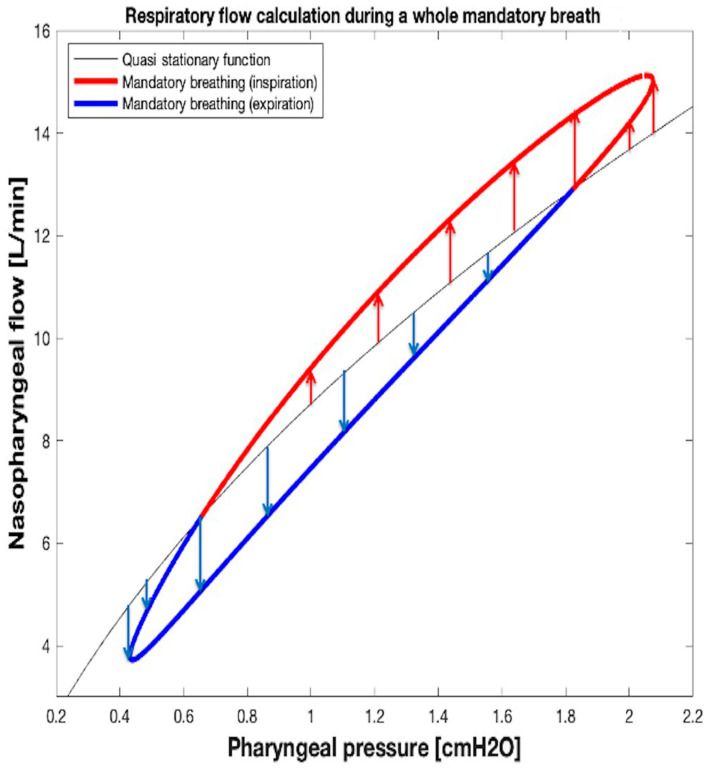 Figure 12
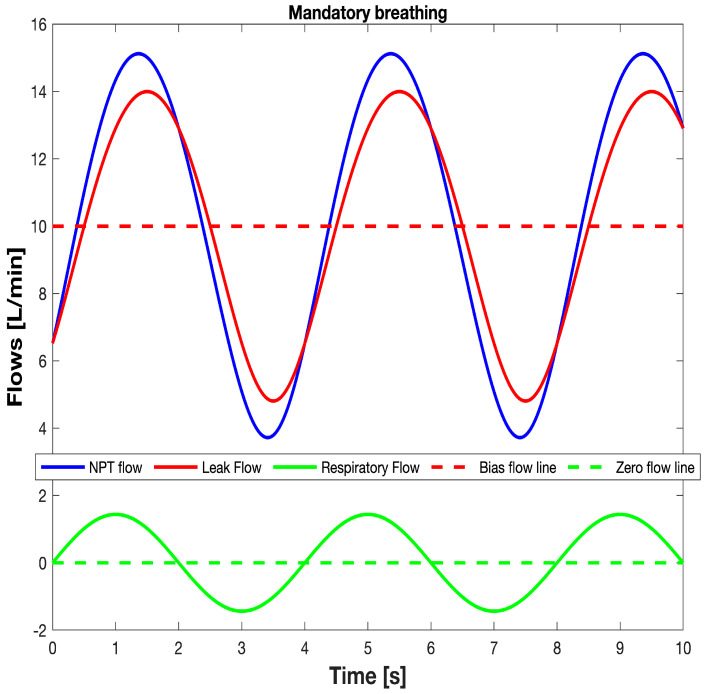 Figure 13
Peer Reviews
No public reviews on file for this paper yet. If you reviewed it on a platform where reviews are public (OpenReview, ICLR, NeurIPS, ICML), you can paste yours below so the community can read it here.
Videos
No videos yet. Explain this paper in a talk, walkthrough, or lecture? Add one.
Taxonomy
TopicsRespiratory Support and Mechanisms · Non-Invasive Vital Sign Monitoring · Airway Management and Intubation Techniques