Cannabis and Polypharmacy Leading to Hospitalization for Acute Confusion and Inability to Ambulate
Lucas McKnight, Joshua J Widman

TL;DR
A patient's hospitalization for mobility issues was linked to cannabis use and gabapentin, highlighting a possible interaction.
Contribution
The case highlights a novel association between THC use, gabapentin, and acute functional decline.
Findings
The patient's acute decline in mobility coincided with THC use and gabapentin initiation.
Polypharmacy and cannabis use may contribute to hospitalization for acute confusion and immobility.
Abstract
Inability to ambulate is a common issue for which an Emergency Department (ED) may request inpatient admission to the hospital. Frequent contributing factors include advanced age, spinal stenosis, osteoarthritis, deconditioning, and polypharmacy. We present an interesting case of a patient admitted due to inability to ambulate who had a significant acute decline in function coincident with the introduction of gabapentin in the setting of heavy tetrahydrocannabinol (THC) use.
Genes, proteins, chemicals, diseases, species, mutations and cell lines named across the full text — each resolved to its canonical identifier and authoritative record.
Click any figure to enlarge with its caption.
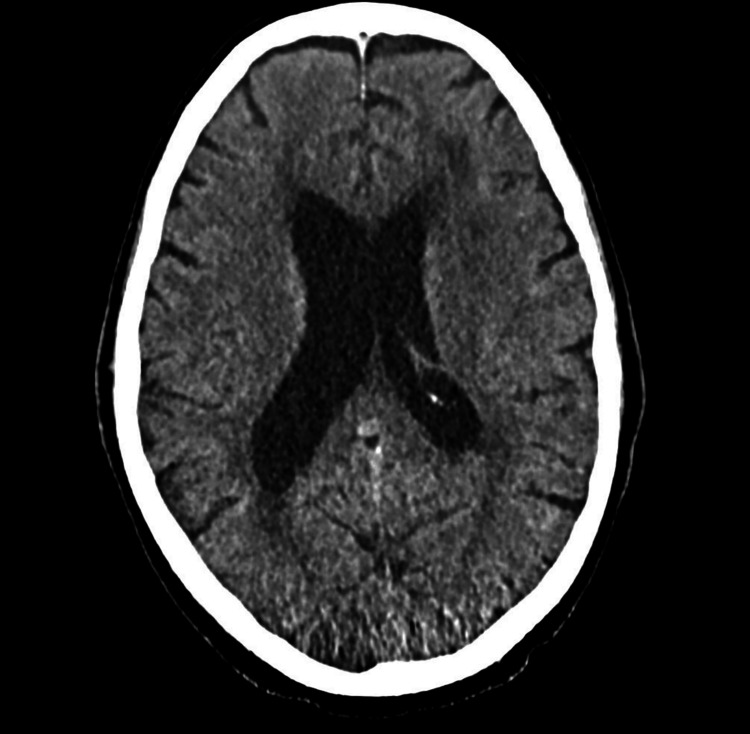 Figure 1
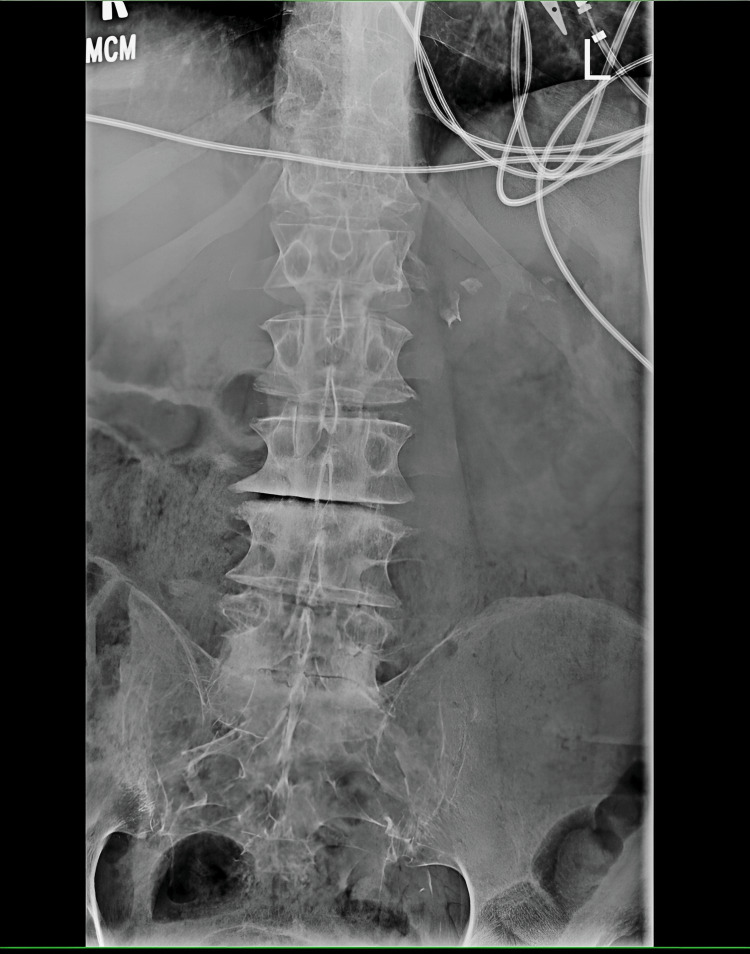 Figure 2
Peer Reviews
No public reviews on file for this paper yet. If you reviewed it on a platform where reviews are public (OpenReview, ICLR, NeurIPS, ICML), you can paste yours below so the community can read it here.
Videos
No videos yet. Explain this paper in a talk, walkthrough, or lecture? Add one.
Taxonomy
TopicsCannabis and Cannabinoid Research · Epilepsy research and treatment · Schizophrenia research and treatment