Commodity risk assessment of Prunus spp. plants from United Kingdom
Antonio Vicent Civera, Paula Baptista, Elisavet Chatzivassiliou, Jaime Cubero, Nik Cunniffe, Eduardo de la Peña, Nicolas Desneux, Anna Filipiak, Paolo Gonthier, Beata Hasiów‐Jaroszewska, Hervé Jactel, Blanca B. Landa, Lara Maistrello, David Makowski, Panagiotis Milonas

TL;DR
This paper assesses the risk of importing Prunus plants from the UK to the EU, focusing on potential pests and mitigation measures.
Contribution
The study provides a detailed risk assessment of specific Prunus plant commodities and evaluates associated pests for importation from the UK.
Findings
E. amylovora is the most frequently expected pest on imported potted Prunus plants.
Expert judgment indicates a high likelihood of pest freedom with 95% certainty for most plants.
Abstract
The European Commission requested the EFSA Panel on Plant Health to prepare and deliver risk assessments for commodities listed in Commission Implementing Regulation (EU) 2018/2019 as ‘High risk plants, plant products and other objects’. This Scientific Opinion covers plant health risks posed by: grafted potted plants up to 15 years old or bundles of grafted bare root plants up to 3 years old or graftwood up to 2 years old of Prunus armeniaca, P. cerasifera, P. domestica, P. incisa or P. persica imported from the United Kingdom (UK), taking into account the available scientific information, including the technical information provided by the UK. All pests associated with the commodities were evaluated against specific criteria for their relevance for this opinion. Two quarantine pests, Candidatus Phytoplasma aurantifolia‐related strains (Pear decline Taiwan II, Crotalaria witches' broom…
Genes, proteins, chemicals, diseases, species, mutations and cell lines named across the full text — each resolved to its canonical identifier and authoritative record.
Click any figure to enlarge with its caption.
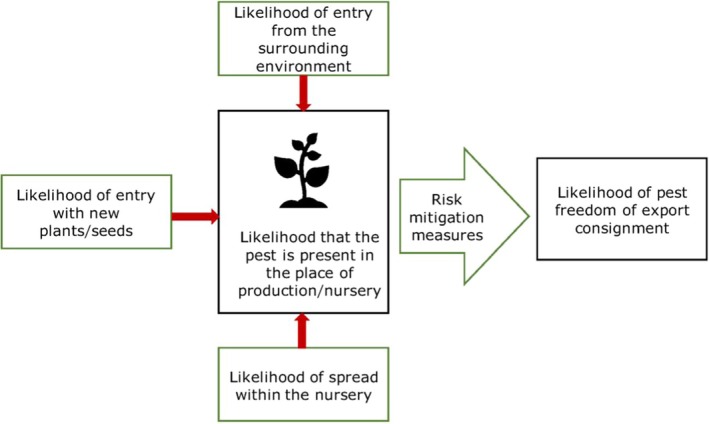 FIGURE 1
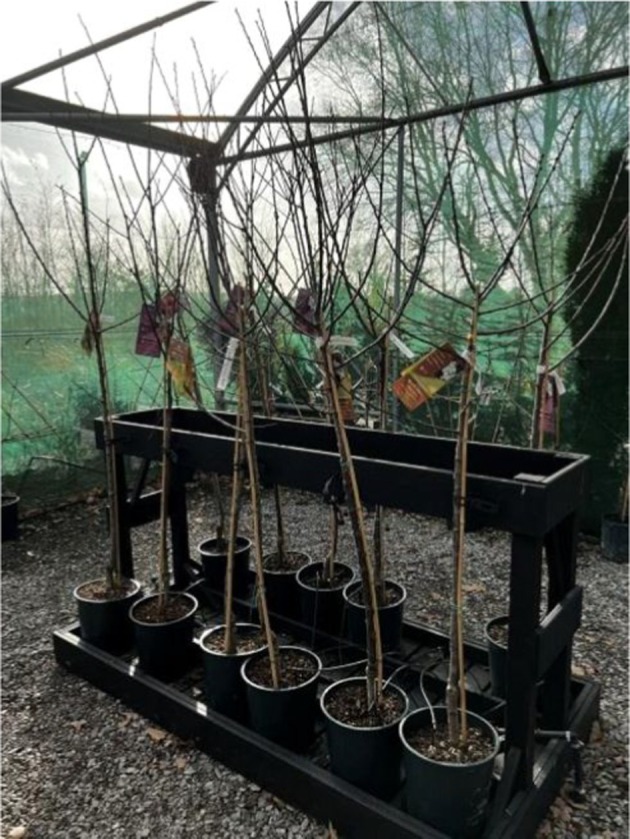 FIGURE 2
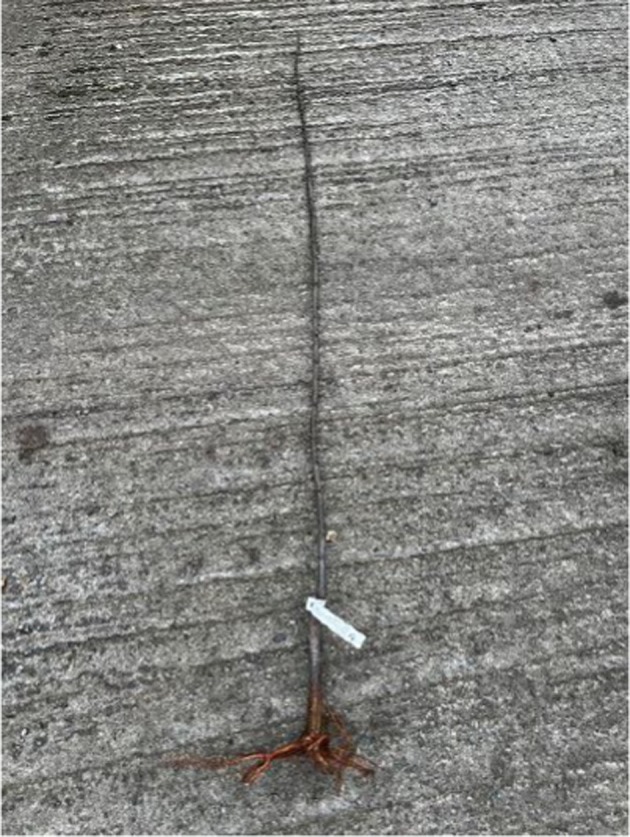 FIGURE 3
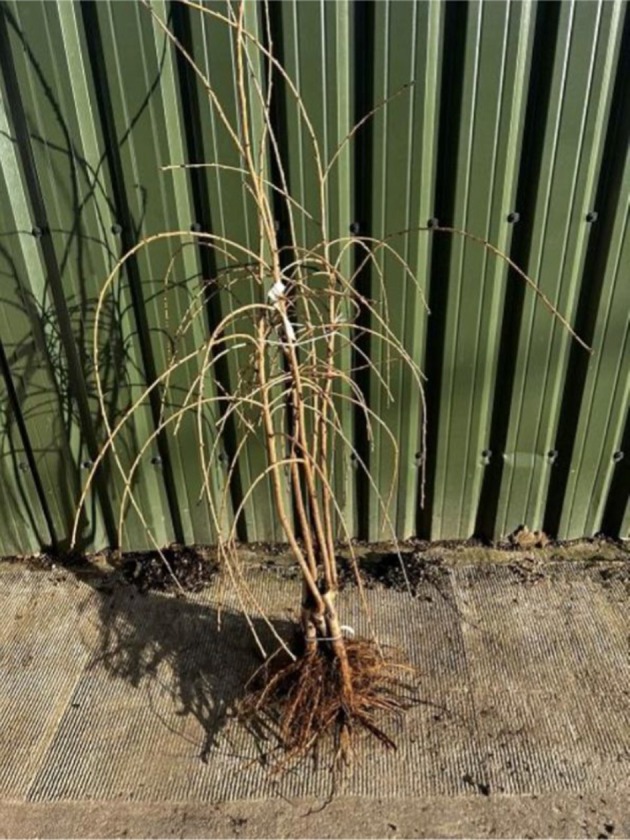 FIGURE 4
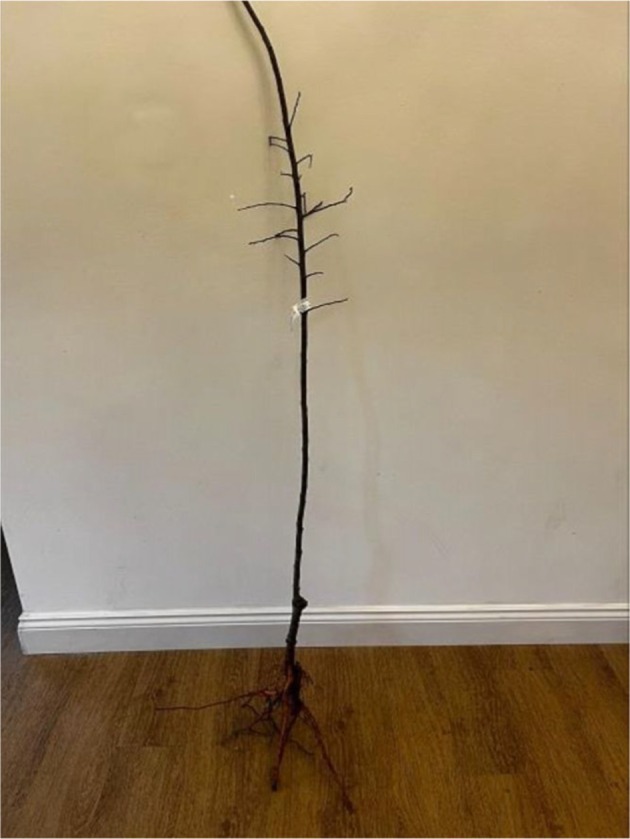 FIGURE 5
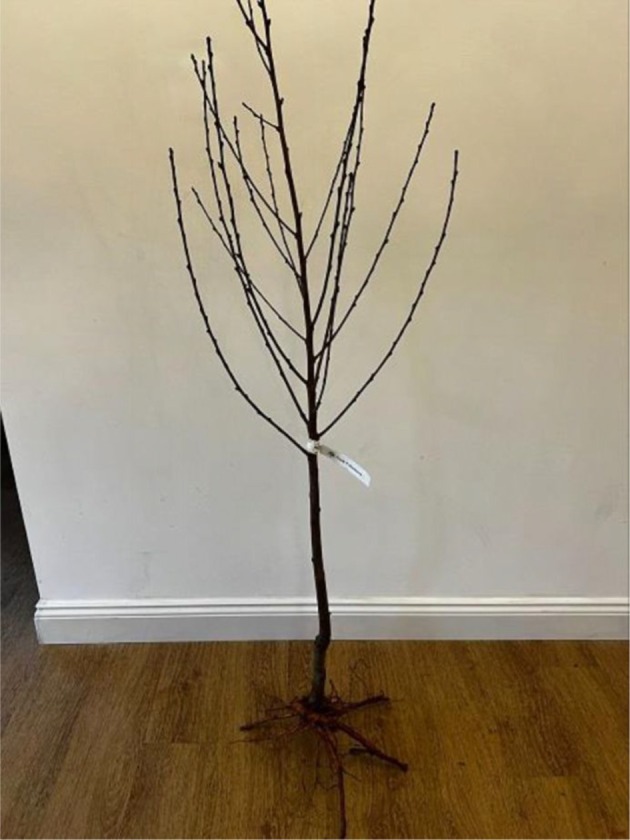 FIGURE 6
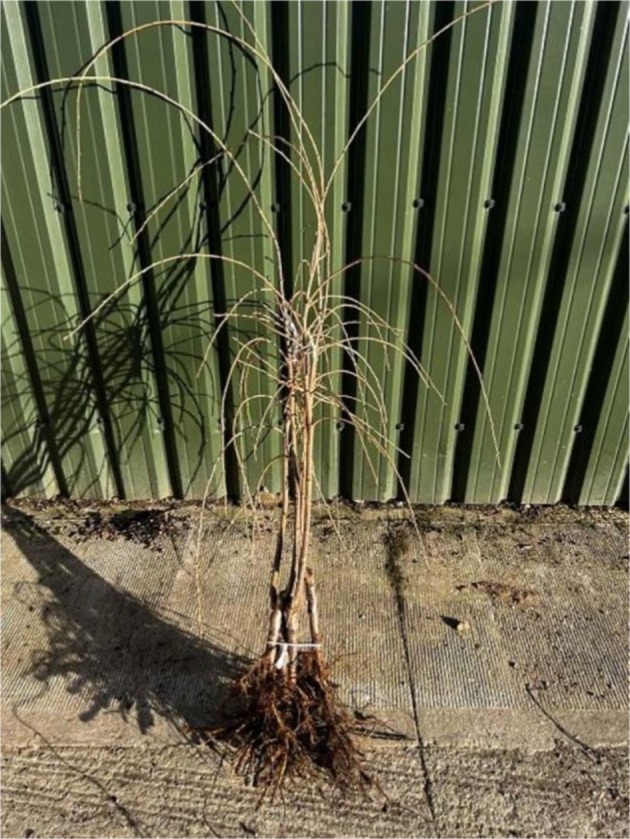 FIGURE 7
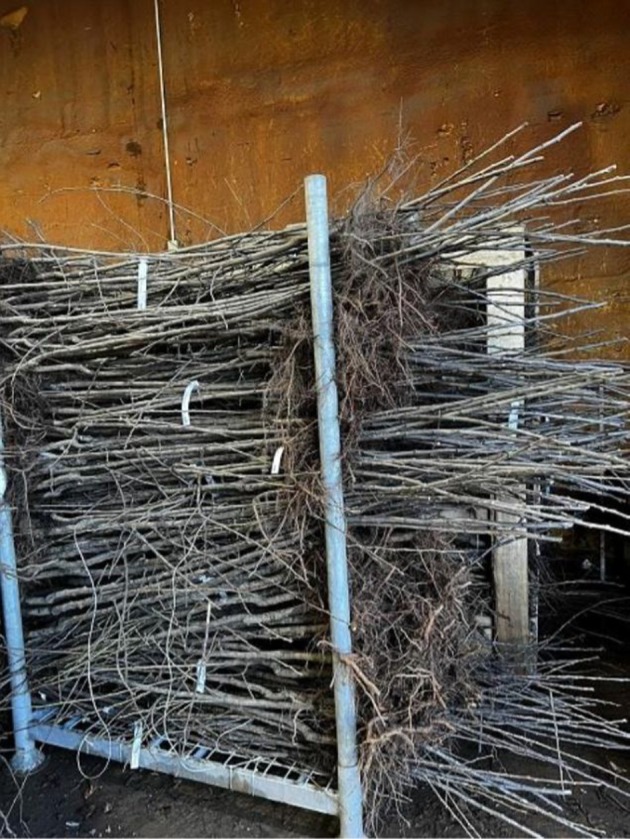 FIGURE 8
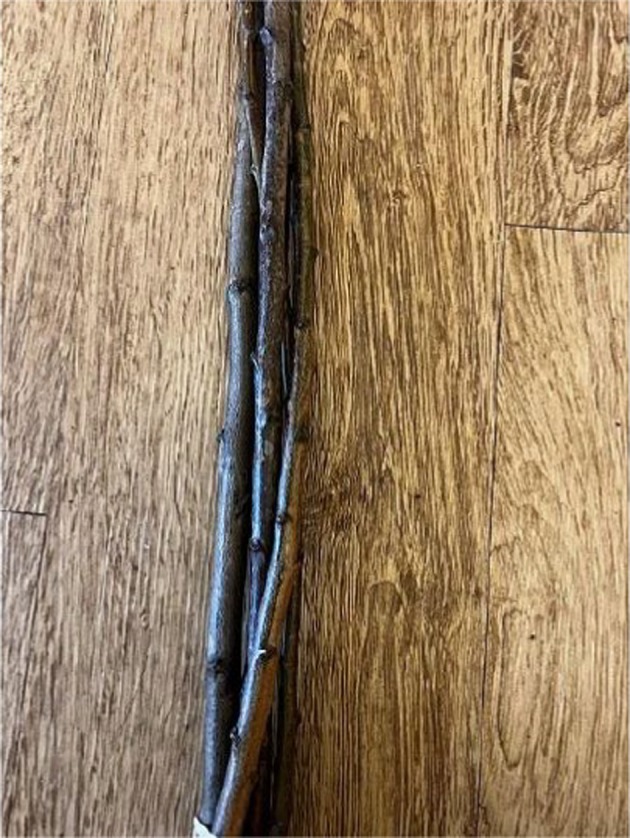 FIGURE 9
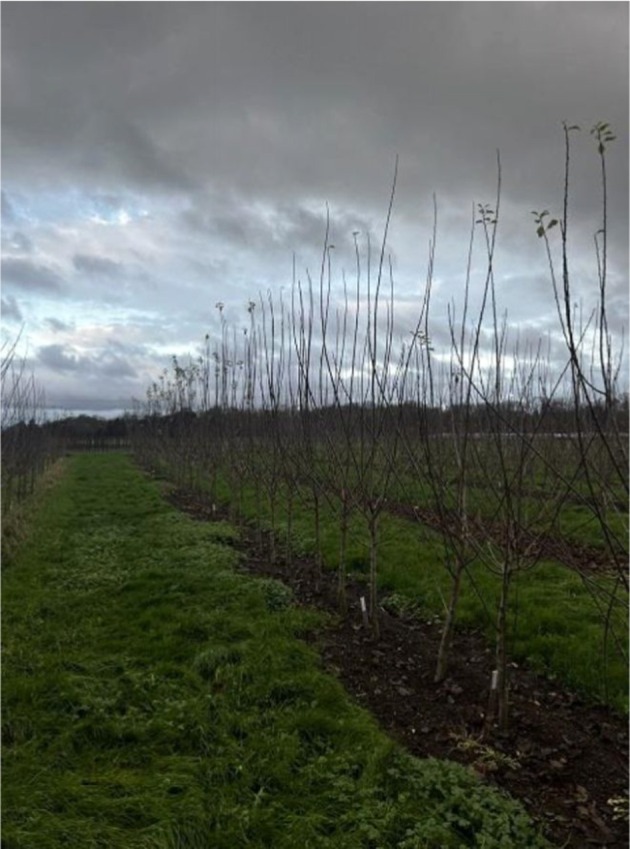 FIGURE 10
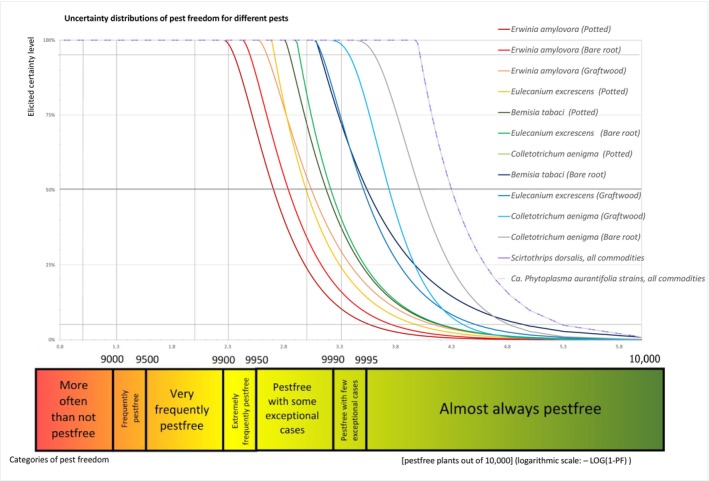 FIGURE 11
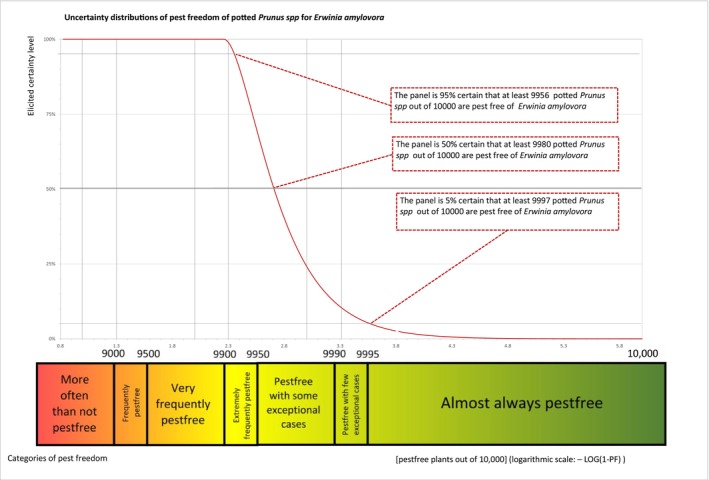 FIGURE 12
| Dossier section | Overview of contents | Filename |
|---|---|---|
| 1.0 | Technical dossier | Prunus armeniaca commodity information final.pdf |
| Prunus persica information final.pdf | ||
| Prunus domestica information final.pdf | ||
| Prunus incisa information final.pdf | ||
| Prunus cerasifera information final.pdf | ||
| Prunus_species_producers_sample_product_list | ||
| 2.0 | Pest list | Prunus_pest_list_for submission.xlxs |
| 3.0 | Additional information provided by the DEFRA of United Kingdom | Prunuses additional information 13 June 2024.pdf |
| Prunuses additional information 26 November 2024.pdf |
| Database | Platform/link |
|---|---|
| Aphids on World Plants |
|
| CABI Crop Protection Compendium |
|
| Database of Insects and their Food Plants |
|
| Database of the World's Lepidopteran Hostplants |
|
| EPPO Global Database |
|
| EUROPHYT |
|
| Leaf‐miners |
|
| Nemaplex |
|
| Plant Pest Information Network |
|
| Scalenet |
|
| Spider Mites Web |
|
| USDA ARS Fungal Database |
|
| Web of Science: All Databases (Web of Science Core Collection, CABI: CAB Abstracts, BIOSIS Citation Index, Chinese Science Citation Database, Current Contents Connect, Data Citation Index FSTA, KCI‐Korean Journal Database, Russian Science Citation Index, MEDLINE SciELO Citation Index, Zoological Record) | Web of Science |
| World Agroforestry |
|
| GBIF |
|
| No. | Pest name according to EU legislation | EPPO code | Group | Pest present in the UK | Host |
| Pest can be associated with the commodity | Pest relevant for the opinion |
|---|---|---|---|---|---|---|---|---|
| 1 |
| ACLRMI | Insects |
| Pp | NHM Lepidopteran | NA | No |
| 2 |
| ALECSN | Insects |
| Pp, Pdo, Pa, Pav | EPPO | NA | No |
| 3 |
| ALECWO | Insects |
| Pp, Pdo, Pa | CABI, EPPO | NA | No |
| 4 |
| ANSTFR | Insects |
| Pa, Pav, Pdo, Pp | CABI, EPPO | NA | No |
| 5 |
| ANSTLU | Insects |
| Pp | CABI, EPPO | NA | No |
| 6 |
| ANSTSU | Insects |
| Pp, Pdo | CABI, EPPO | NA | No |
| 7 |
| ANOLCN | Insects |
| Pp, Pdo, Pa, Pcf, Pi, Pis, Pto, Pav, Ppc | EPPO, CABI | NA | No |
| 8 |
| TACYQU | Insects |
| Pp, Pdo, Pa, Pcf, Pto, Pav | EPPO, CABI | NA | No |
| 9 |
| DIBOMO | Fungi |
| Pp, Pdo, Pa, Pcf, Pi, Pis, Pto, Pav, Ppc | CABI, EPPO, USDA | NA | No |
| 10 |
| APRICI | Insects |
| Pp, Pdo, Pa, Pcf, Pi, Pis, Pto, Pav, Ppc | EPPO | NA | No |
| 11 |
| APRIGE | Insects |
| Ppc | EPPO | NA | No |
| 12 |
| AROMBU | Insects |
| Pp, Pdo, Pa, Pcf, Pis, Pav, Ppc | CABI, EPPO | NA | No |
| 13 |
| DACUDO | Insects |
| Pp, Pdo, Pa, Pcf, Pav | CABI, EPPO | NA | No |
| 14 |
| DACUTR | Insects |
| Pa, Pav, Pcf, Pdo, Pp | CABI ( | NA | No |
| 15 |
| DACUZO | Insects |
| Pp, Pdo, Pa | CABI, EPPO | NA | No |
| 16 |
| BEMITA | Insects |
| Pp, Pcf | CABI | Yes | Yes |
| 17 |
| PHYP39 | Phytoplasma |
| Pp | EPPO (online) | Yes | Yes |
| 18 |
| PHYPAU | Phytoplasma |
| Pp | CABI | NA | No |
| 19 |
| PHYPFR | Phytoplasma |
| Pp | EPPO ( | NA | No |
| 20 |
| PHYPPH | Phytoplasma |
| Pp, Pdo, Pa | CABI, EPPO | NA | No |
| 21 |
| PHYPZI | Phytoplasma |
| Pp, Pav, Pa | EPPO | NA | No |
| 22 |
| CARSSA | Insects |
| Pp, Pdo, Pa, Pcf, Pi, Pis, Pto, Pav, Ppc | CABI, EPPO, NHM Lepidopteran | NA | No |
| 23 |
| CRV000 | Viruses |
| Pav | EPPO | NA | No |
| 24 |
| CHONRO | Insects |
| Pp, Pa, Pav | NHM Lepidopteran, CABI, EPPO | NA | No |
| 25 |
| CONHNE | Insects |
| Pp, Pdo, Pa, Pav | CABI, EPPO | NA | No |
| 26 |
| CUERCO | Insects |
| Pp | CABI, EPPO | NA | No |
| 27 |
| DIABUN | Insects |
| Pp, Pdo, Pa | EPPO |
| No |
| 28 |
| EOTELE | Insects |
| Pp, Pdo | EPPO, Spider Mites Web | NA | No |
| 29 |
| ERWIAM | Bacteria |
| Pp, Pdo, Pa, Pcf, Pav | CABI, EPPO | Yes | Yes |
| 30 |
| RHACJA | Insects |
| Pcf, Pav | EPPO | NA | No |
| 31 |
| EURHBR | Insects |
| Pp, Pdo | EPPO, Scalenet | NA | No |
| 32 |
| XYLBFO | Insects |
| Pp, Pcf, Pav | EPPO | NA | No |
| 33 |
| GRCPCF | Insects |
| Pp | EPPO | NA | No |
| 34 |
| GRCPVE | Insects |
| Pp | CABI | NA | No |
| 35 |
| CYDIIN | Insects |
| Pdo | EPPO | NA | No |
| 36 |
| LASPPA | Insects |
| Pp, Pdo, Pa, Pcf, Pi, Pis, Pto, Pav, Ppc | CABI, EPPO, NHM Lepidopteran | NA | No |
| 37 |
| LASPPR | Insects |
| Pp, Pdo, Pa, Pcf, Pi, Pis, Pto, Pav, Ppc | CABI, EPPO, NHM Lepidopteran | NA | No |
| 38 |
| HELIZE | Insects |
| Pp, Pdo, Pa, Pcf, Pi, Pis, Pto, Pav, Ppc | CABI, EPPO, NHM Lepidopteran | NA | No |
| 39 |
| HOMLIN | Insects |
| Pp | CABI, EPPO | NA | No |
| 40 |
| HOMLTR | Insects |
| Pp, Pdo, Pav | CABI, EPPO | NA | No |
| 41 |
| APLPV0 | Viruses |
| Pp, Pdo, Pa, Pcf, Pto, Pav, Ppc | CABI, EPPO | NA | No |
| 42 |
| LOPLJA | Insects |
| Pdo, Pcf, Pav | Scalanet, EPPO, CABI | NA | No |
| 43 |
| LYCMDE | Insects |
| Pp, Pa, Pav | EPPO | NA | No |
| 44 |
| MARGVI | Insects |
| Pp, Pdo, Pa, Pcf, Pav | EPPO | NA | No |
| 45 |
| MELGCH | Nematoda |
| Pav | Nemaplex | NA | No |
| 46 |
| MELGMY | Nematoda |
| Pp | CABI | NA | No |
| 47 |
| MELGFA | Nematoda |
| Pav | Nemaplex | No | No |
| 48 |
| GRAGLE | Insects |
| Pp | EPPO | NA | No |
| 49 |
| PRMV00 | Viruses |
| Pp, Pdo | CABI, EPPO | NA | No |
| 50 |
| OEMOHI | Insects |
| Pp, Pdo, Pa, Pav | CABI, EPPO | NA | No |
| 51 |
| ONCMUN | Insects |
| Pp | CABI | NA | No |
| 52 |
| PHMPOM | Fungi |
| Pp, Pdo, Pa | CABI, EPPO, USDA | NA | No |
| 53 |
| POPIJA | Insects |
| Pp, Pdo, Pa, Pcf, Pav | CABI, EPPO | NA | No |
| 54 |
| RHAGPO | Insects |
| Pp, Pdo, Pa, Pcf, Pav | CABI, EPPO | NA | No |
| 55 |
| CRMAV0 | Viruses |
| Pav | EPPO | NA | No |
| 56 |
| CTLAV0 | Viruses |
| Pa, Pav | EPPO | NA | No |
| 57 |
| SAPECN | Insects |
| Pp, Pdo, Pa, Pcf, Pav | EPPO | NA | No |
| 58 |
| SCITAU | Insects |
| Pp | EPPO | NA | No |
| 59 |
| SCITDO | Insects |
| Pp, Pa, Pto, Pav | CABI | Yes | Yes |
| 60 |
| LAPHFR | Insects |
| Pp | CABI, EPPO, NHM Lepidopteran | NA | No |
| 61 |
| PRODLI | Insects |
| Pp, Pdo | NHM Lepidopteran | NA | No |
| 62 |
| ARGPLE | Insects |
| Pp, Pdo, Pa | CABI, EPPO, NHM Lepidopteran | NA | No |
| 63 |
| THRIPL | Insects |
| Pp, Pdo | EPPO | NA | No |
| 64 |
| PCMV00 | Viruses |
| Pp, Pdo, Pa, Pcf, Pto, Pav | CABI, EPPO | NA | No |
| 65 |
| AELSSA | Insects |
| Pp, Pdo, Pa, Pcf, Pto | EPPO, CABI | NA | No |
| 66 |
| XANTPR | Bacteria |
| Pp, Pdo, Pa, Pcf, Pto, Pav | CABI, EPPO | NA | No |
| 67 |
| XIPHAA | Nematoda |
| Pp, Pav, Ppc | EPPO | NA | No |
| 68 |
| XIPHBC | Nematoda |
| Pp | EPPO | NA | No |
| 69 |
| XIPHRI | Nematoda |
| Pp, Pdo, Pav, Ppc | CABI, EPPO | NA | No |
| 70 |
| XYLEFA | Bacteria |
| Pp, Pdo, Pa, Pcf, Pav | CABI, EPPO | NA | No |
| Number | Current scientific name | EPPO code | Name used in the EU legislation | Taxonomic information | Group | Regulatory status |
|---|---|---|---|---|---|---|
| 1 |
| BEMITA |
| Hemiptera Aleyrodidae | INS | Protected Zone EU Quarantine Pest according to Commission Implementing Regulation (EU) 2019/2072 |
| 2 |
| PHYP39 |
|
Acholeplasmatales Acholeplasmataceae | PHY | EU Quarantine Pest according to Commission Implementing Regulation (EU) 2019/2072 |
| 3 |
| COLLAE | NA | Glomerellales Glomerellaceae | FUN | Non regulated |
| 4 |
| ERWIAM |
| Enterobacterales Erwiniaceae | BAC | Protected Zone EU Quarantine Pest according to Commission Implementing Regulation (EU) 2019/2072 |
| 5 |
| EULCEX | NA |
Hemiptera Coccidae | INS | Non regulated |
| 6 |
| SCITDO |
|
Thysanoptera Thripidae | INS | EU Quarantine Pest according to Commission Implementing Regulation (EU) 2019/2072 |
| No. | Risk mitigation measure | Implementation in United Kingdom |
|---|---|---|
| 1 | Certified material | All nurseries are registered as professional operators with the UK NPPO, either by the Animal and Plant Health Agency (APHA) in England and Wales, or by the Science and Advise for Scottish Agriculture (SASA) and are authorised to issue UK plant passports. |
| 2 | Phytosanitary certificates |
APHA (England and Wales) or SASA (Scotland) inspectors monitor the pests and diseases during crop certification and passport policy. Phytosanitary certificates are only issued if the commodity meets the required plant health standards after inspection and/or testing according to appropriate official procedures. |
| 3 | Cleaning and disinfection of facilities, tools and machinery |
General hygiene measures are undertaken as part of routine nursery production, including disinfection of tools and equipment between batches/lots. Tools are disinfected after operation on a stock and before being used on a different plant species. The tools are dipped and wiped with a clean cloth between trees to reduce the risk of virus and bacterial transfer between subjects. Virkon S is commonly used. |
| 4 | Rouging and pruning |
Leaves, prunings and weeds are all removed from the nursery to reduce the number of overwintering sites for pests and diseases. No further details are available. |
| 5 | Pesticide application, biological and mechanical control |
According to the dossier crop protection is achieved using a combination of measures including approved plant protection products, biological control or physical measures. Plant protection products are only used when necessary and records of all plant protection treatments are kept. Example of the plant protection products used during the production: for mildew /rust /botrytis – Amylo × ( No further details are available. |
| 6 | Surveillance and monitoring |
The UK carries out surveys for Regulated Quarantine pests. This will include the following: UK plant health inspectors monitor all producers for pests and diseases during crop certification and passporting inspections. In addition, the PHSI (in England and Wales) carry out a programme of Quarantine Surveillance in registered premises, inspecting plants grown and moving within the UK market. Similar arrangements operate in Scotland. UK surveillance is based on visual inspection with samples taken from symptomatic material, and where appropriate, samples are also taken from asymptomatic material (e.g. plants, tubers, soil, watercourses). For sites with the likelihood of multiple pest and host combinations (e.g. ornamental and retail sites) they make use of standard method for site selection and visit frequency, whereby clients are assessed taking into account business activity, size of business and source material, so for example a large propagator using third country material receives 10 visits per year whilst a small retailer selling locally sourced material is visited once every second year. Where pest‐specific guidelines are absent, inspectors select sufficient plants to give a 95% probability of detecting symptoms randomly distributed on 1.5% of plants in a batch/consignment. For inspections of single hosts, possibly with multiple pests, survey site selection is often directed to specific locations identified by survey planners. In the dossier it is stated that in the last 3 years, there has been a substantial level of inspection of registered During production, in addition to the general health monitoring of the plants by the trained staff of nurseries, official growing season inspections are undertaken by the UK Plant Health Service at an appropriate time, taking into consideration factors such as the likelihood of pest presence and growth stage of the crop. Where appropriate this could include sampling and laboratory analysis. Official sampling and analysis could also be undertaken nearer to the point of export depending on the type of analysis and the import requirements of the country being exported to. Samples are generally taken on a representative sample of plants, in some cases however, however, where the consignment size is quite small all plants are sampled. Magnification equipment is provided to all inspectors as part of their standard equipment and is used during inspections when appropriate. Once all other checks have been completed a final pre‐export inspection is undertaken as part of the process of issuing a phytosanitary certificate. These inspections are generally undertaken as near to the time of export as possible, usually within 1–2 days and not more than two 2 weeks before export. Phytosanitary certificates are only issued if the commodity meets the required plant health standards after inspection and/or testing according to appropriate official procedures. The inspection procedure outlined above is set out in a standard operating procedure, different procedures are in place for different commodity types. Action on findings: the protocol is to treat the plants, if they are on site for a sufficient period of time or, if that is not possible, to destroy any plants infected or infested by pests. All other host plants in the nursery would also be treated. A phytosanitary certificate for export will not be issued until the UK Plant Health inspectors confirm that the plants are free from pests. |
| 7 | Sampling and laboratory testing | Assessments are normally made based on visual examinations, but samples may be taken for laboratory analysis to get a definitive diagnosis. Samples of pests and plants showing any suspicious symptoms are routinely sent to the laboratory for testing. |
| 8 | Root washing | Bare root plants are washed prior to export to remove the soil. |
| 9 | Refrigeration and temperature control | Plants are transported by lorry (size dependent on load quantity). Sensitive plants will occasionally be transported by temperature‐controlled lorry if weather conditions during transit are likely to be very cold. |
| 10 | Pre‐consignment inspection | Separate to any official inspection, plant material is checked by growers for plant health issues prior to dispatch. |
| Number | Group | Pest species | Sometimes pest free | More often than not pest free | Frequently pest free | Very frequently pest free | Extremely frequently pest free | Pest free with some exceptional cases | Pest free with few exceptional cases | Almost always pest free |
|---|---|---|---|---|---|---|---|---|---|---|
| 1 | Bacteria |
|
|
| ||||||
| 2 | Bacteria |
|
|
| ||||||
| 3 | Bacteria |
|
|
|
| |||||
| Fungi |
|
|
| |||||||
| 4 | Fungi |
|
| |||||||
| 5 | Fungi |
|
| |||||||
| 6 | Insects |
|
|
|
| |||||
| Insects |
|
|
|
| ||||||
| Insects |
|
|
| |||||||
| Insects |
|
|
|
| ||||||
| Insects |
|
|
| |||||||
| Phytoplasma | Ca. Phytoplasma aurantifolia‐related strains, all commodities |
| ||||||||
| Insects |
|
|
Peer Reviews
No public reviews on file for this paper yet. If you reviewed it on a platform where reviews are public (OpenReview, ICLR, NeurIPS, ICML), you can paste yours below so the community can read it here.
Videos
No videos yet. Explain this paper in a talk, walkthrough, or lecture? Add one.
Taxonomy
TopicsResearch on scale insects · Phytoplasmas and Hemiptera pathogens · Entomopathogenic Microorganisms in Pest Control
INTRODUCTION
1
Background and Terms of Reference as provided by European Commission
1.1
Background
1.1.1
The new Plant Health Regulation (EU) 2016/2031,1 on the protective measures against pests of plants, has been applied from December 2019. Provisions within the above Regulation are in place for the listing of ‘high risk plants, plant products and other objects’ (Article 42) on the basis of a preliminary assessment, and to be followed by a commodity risk assessment. A list of ‘high risk plants, plant products and other objects’ has been published in Regulation (EU) 2018/2019.2 Scientific opinions are therefore needed to support the European Commission and the Member States in the work connected to Article 42 of Regulation (EU) 2016/2031, as stipulated in the terms of reference.
Terms of Reference
1.1.2
In view of the above and in accordance with Article 29 of Regulation (EC) No 178/2002,3 the Commission asks EFSA to provide scientific opinions in the field of plant health.
In particular, EFSA is expected to prepare and deliver risk assessments for commodities listed in the relevant Implementing Act as “High risk plants, plant products and other objects”. Article 42, paragraphs 4 and 5, establishes that a risk assessment is needed as a follow‐up to evaluate whether the commodities will remain prohibited, removed from the list and additional measures will be applied or removed from the list without any additional measures. This task is expected to be on‐going, with a regular flow of dossiers being sent by the applicant required for the risk assessment.
Therefore, to facilitate the correct handling of the dossiers and the acquisition of the required data for the commodity risk assessment, a format for the submission of the required data for each dossier is needed.
Furthermore, a standard methodology for the performance of “commodity risk assessment” based on the work already done by Member States and other international organizations needs to be set.
In view of the above and in accordance with Article 29 of Regulation (EC) No 178/2002, the Commission asks EFSA to provide scientific opinion in the field of plant health for Prunus armeniaca, P. domestica, P. incisa, P. persica and P. cerasifera plants from the United Kingdom (UK) taking into account the available scientific information, including the technical dossier provided by Department for Environment, Food and Rural Affairs of United Kingdom.
Interpretation of the Terms of Reference
1.2
The EFSA Panel on Plant Health (hereafter referred to as ‘the Panel’) was requested to conduct a commodity risk assessment of selected Prunus armeniaca, P. cerasifera, P. domestica, P. incisa and P. persica plants from the UK following the Guidance on commodity risk assessment for the evaluation of high risk plant dossiers (EFSA PLH Panel, 2019) and the protocol for commodity risk assessments as presented in the EFSA standard protocols for scientific assessments (EFSA PLH Panel, 2024; Gardi et al., 2024).
The EU quarantine pests that are regulated as a group in the Commission Implementing Regulation (EU) 2019/20724 were considered and evaluated separately at species level.
Annex II of Implementing Regulation (EU) 2019/2072 lists certain pests as non‐European populations or isolates or species. These pests are regulated quarantine pests. Consequently, the respective European populations, or isolates, or species are non‐regulated pests.
Annex VII of the same Regulation, in certain cases (e.g. point 32) makes reference to the following countries that are excluded from the obligation to comply with specific import requirements for those non‐European populations, or isolates, or species: Albania, Andorra, Armenia, Azerbaijan, Belarus, Bosnia and Herzegovina, Canary Islands, Faeroe Islands, Georgia, Iceland, Liechtenstein, Moldova, Monaco, Montenegro, North Macedonia, Norway, Russia (only the following parts: Central Federal District (Tsentralny federalny okrug), Northwestern Federal District (Severo Zapadny federalny okrug), Southern Federal District (Yuzhny federalny okrug), North Caucasian Federal District (Severo‐Kavkazsky federalny okrug) and Volga Federal District (Privolzhsky federalny okrug), San Marino, Serbia, Switzerland, Türkiye, Ukraine and United Kingdom (except Northern Ireland5)). Those countries are historically linked to the reference to ‘non‐European countries’ existing in the previous legal framework, Directive 2000/29/EC.
Consequently, for those countries,
- any pests identified, which are listed as non‐European species in Annex II of Implementing Regulation (EU) 2019/2072 should be investigated as any other non‐regulated pest.
- any pest found in a European country that belongs to the same denomination as the pests listed as non‐European populations or isolates in Annex II of Implementing Regulation (EU) 2019/2072, should be considered as European populations or isolates and should not be considered in the assessment of those countries.
Pests listed as ‘Regulated Non‐Quarantine Pest' (RNQP)’ in Annex IV of the Commission Implementing Regulation (EU) 2019/2072, and deregulated pests (i.e. pest which were listed as quarantine pests in the Council Directive 2000/29/EC and were deregulated by Commission Implementing Regulation (EU) 2019/2072) were not considered for further evaluation.
In its evaluation, the Panel:
- Checked whether the information provided by the applicant (Department for Environment, Food and Rural Affairs of United Kingdom) in the technical dossier (hereafter referred to as ‘the Dossier’) was sufficient to conduct a commodity risk assessment. When necessary, additional information was requested from the applicant.
- Selected the relevant union EU‐regulated quarantine pests and protected zone quarantine pests (as specified in Commission Implementing Regulation (EU) 2019/2072, hereafter referred to as ‘EU quarantine pests’) and other relevant pests present in the UK and associated with the commodity.
- Assessed whether or not the applicant country implements specific measures for Union quarantine pests for which specific measures are in place for the import of the commodity from the specific country in the relevant legislative texts for emergency measures (https://ec.europa.eu/food/plant/plant_health_biosecurity/legislation/emergency_measures_en); the assessment was restricted to whether or not the applicant country applies those measures. The effectiveness of those measures was not assessed.
- Assessed whether the applicant country implements the special requirements specified in Annex VII (points 1–101) and Annex X of the Commission Implementing Regulation (EU) 2019/2072 targeting Union quarantine pests for the commodity in question from the specific country.
- Assessed the effectiveness of the measures described in the dossier for those Union quarantine pests for which no specific measures are in place for the import of the commodity from the specific applicant country and other relevant pests present in applicant country and associated with the commodity.
Risk management decisions are not within EFSA's remit. Therefore, the Panel provided a rating based on expert judgement regarding the likelihood of pest freedom for each relevant pest given the risk mitigation measures claimed to be implemented by the Department for Environment, Food and Rural Affairs of United Kingdom.
DATA AND METHODOLOGIES
2
Data provided by the Department for Environment, Food and Rural Affairs of United Kingdom
2.1
The Panel considered all the data and information (hereafter called ‘the Dossier’) provided by the Department for Environment, Food and Rural Affairs of United Kingdom (DEFRA) in May 2024, including the additional information provided by DEFRA in June and December 2024 after EFSA's request. The Dossier is managed by EFSA.
The structure and overview of the Dossier is shown in Table 1. The number of the relevant section is indicated in the opinion when referring to a specific part of the Dossier.
The data and supporting information provided by the DEFRA formed the basis of the commodity risk assessment.
Literature searches performed by EFSA
2.2
Literature searches in different databases were undertaken by EFSA to complete a list of pests potentially associated with Prunus armeniaca, P. cerasifera, P. domestica, P. persica, P. incisa, P. avium, P. insititia, P. pseudocerasus and P. tomentosa, the latter four being considered as rootstocks. The following searches were combined: (i) a general search to identify pests of selected Prunus spp. in different databases and (ii) a tailored search to identify whether these pests are present or not in the UK and the EU. The searches were run between 12 June 2024 and 4 July 2024. No language, date or document type restrictions were applied in the search strategy.
The search strategy and syntax were adapted to each of the databases listed in Table 2, according to the options and functionalities of the different databases and the CABI keyword thesaurus.
As for Web of Science, the literature search was performed using a specific, ad hoc established search string (see Appendix B). The string was run in ‘All Databases’ with no range limits for time or language filters. This is further explained in Section 2.3.2.
Additional searches were performed on the literature cited in retrieved documents, were run when developing the opinion. The available scientific information, including previous EFSA opinions on the relevant pests and diseases (see pest data sheets in Appendix A) and the relevant literature and legislation (e.g. Regulation (EU) 2016/2031; Commission Implementing Regulations (EU) 2018/2019; (EU) 2018/2018 and (EU) 2019/2072) were taken into account.
Methodology
2.3
When developing the opinion, the Panel followed the EFSA Guidance on commodity risk assessment for the evaluation of high risk plant dossiers (EFSA PLH Panel, 2019).
In the first step, pests potentially associated with the commodity in the country of origin (EU‐quarantine pests and other pests) that may require risk mitigation measures were identified. The EU non‐quarantine pests not known to occur in the EU were selected based on evidence of their potential impact in the EU. After the first step, all the relevant pests that may need risk mitigation measures were identified.
In the second step, the proposed risk mitigation measures for each relevant pest were evaluated in terms of efficacy or compliance with EU requirements as explained in Section 1.2.
A conclusion on the likelihood of the commodity being free from each of the relevant pests was determined and uncertainties were identified using expert judgements.
Pest freedom was assessed by estimating the number of infested/infected:
- Rooted plants in pots out of 10,000 exported plants.
- Single trees or bundles of bare root plants out of 10,000 exported bundles.
- Bundles of graftwood out of 10,000 exported bundles.
Commodity information
2.3.1
Based on the information provided by the UK, the characteristics of the commodity are summarised in Section 3 of this Opinion.
Identification of pests potentially associated with the commodity
2.3.2
To evaluate the pest risk associated with the importation of selected Prunus spp. from the UK, a pest list was compiled. The pest list is a compilation of all the identified plant pests associated with either P. armeniaca, P. avium, P. cerasifera, P. domestica, P. incisa, P. insititia, P. persica, P. pseudocerasus and P. tomentosa, based on (1) information provided in the dossier, (2) additional information provided by DEFRA, (3) as well as on searches performed by the Panel. The search strategy and search syntax were adapted to each of the databases listed in Table 2, according to the options and functionalities of the different databases and the CABI keyword thesaurus.
The scientific names of the host plants (P. armeniaca, P. avium, P. cerasifera, P. domestica, P. incisa, P. insititia, P. persica, P. pseudocerasus and P. tomentosa) were used when searching in the EPPO Global database and CABI Crop Protection Compendium. The same strategy was applied to the other databases excluding EUROPHYT and Web of Science.
EUROPHYT was consulted by searching for the interceptions associated with commodities imported from the UK, at species level, from 1998 to May 2020 and TRACES for interceptions from June 2020 to January 2025. For the pests selected for further evaluation a search in the EUROPHYT and/or TRACES was performed for the interceptions from the whole world, at species level.
The search strategy used for Web of Science Databases was designed combining common names for pests and diseases, terms describing symptoms of plant diseases and the scientific and common names of the commodity. All the pests already retrieved using the other databases were removed from the search terms in order to reduce the number of records to be screened.
The established search strings are detailed in Appendices B1–B9 and were run between 12 June 2024 and 4 July 2024 for selected Prunus spp.
The titles and abstracts of the scientific papers retrieved were screened and the pests associated with P. armeniaca, P. avium, P. cerasifera, P. domestica, P. incisa, P. insititia, P. persica, P. pseudocerasus and P. tomentosa were included in the pest list. The pest list was eventually further compiled with other relevant information (e.g. EPPO code per pest, taxonomic information, categorisation, distribution) useful for the selection of the pests relevant for the purposes of this opinion.
The compiled pest list (see Microsoft Excel® file in Appendix C) includes all identified pests that use P. armeniaca, P. avium, P. cerasifera, P. domestica, P. incisa, P. insititia, P. persica, P. pseudocerasus and P. tomentosa as host.
The evaluation of the compiled pest list was done in two steps: first, the relevance of the EU‐quarantine pests was evaluated (Section 4.1); second, the relevance of any other plant pest was evaluated (Section 4.2).
Listing and evaluation of risk mitigation measures
2.3.3
All proposed risk mitigation measures were listed and evaluated. When evaluating the likelihood of pest freedom at origin, the following types of potential infestation/infection sources for selected Prunus spp. in nurseries were considered (see also Figure 1):
- pest entry from surrounding areas,
- pest entry with new plants/seeds,
- pest spread within the nursery.
The risk mitigation measures adopted in the plant nurseries (as communicated by the UK) were evaluated with expert knowledge elicitation (EKE) according to the Guidance on uncertainty analysis in scientific assessment (EFSA Scientific Committee, 2018).
Conceptual framework to assess likelihood that plants are exported free from relevant pests. Source EFSA PLH Panel (2019).
Information on the pest biology, estimates of likelihood of entry of the pest to and spread within the nursery, and the effect of the measures on a specific pest were summarised in pest data sheets compiled for each pest selected for further evaluation (see Appendix A).
Expert Knowledge Elicitation (EKE)
2.3.4
To estimate the pest freedom of the commodity an EKE was performed following EFSA guidance (Annex B.8 of EFSA Scientific Committee, 2018). The specific questions for each commodity type for EKE were:
- ‘Taking into account (i) the risk mitigation measures in place in the nurseries and (ii) other relevant information, how many out of 10,000 potted plants of selected Prunus spp. are expected to be infested/infected with the relevant pest/pathogen upon arrival in the EU?’.
- ‘Taking into account (i) the risk mitigation measures in place in the nurseries and (ii) other relevant information, how many out of 10,000 bundles of bare root plants of selected Prunus spp. are expected to be infested/infected with the relevant pest/pathogen upon arrival in the EU?’.
- ‘Taking into account (i) the risk mitigation measures in place in the nurseries and (ii) other relevant information, how many out of 10,000 bundles of graftwood of selected Prunus spp. are expected to be infested/infected with the relevant pest/pathogen upon arrival in the EU?’.
The risk assessment is based on either single or bundled plants, as the most suitable units. The EKE questions were common to all pests for which the pest freedom of the commodity was estimated. The following reasoning is given to justify a common EKE:
- For the pests under consideration, cross contamination during transport is possible.
The EKE questions were common to all pests for which the pest freedom of the commodity was estimated.
The uncertainties associated with the EKE were taken into account and quantified in the probability distribution by applying the semi‐formal method described in section 3.5.2 of the EFSA‐PLH Guidance on quantitative pest risk assessment (EFSA PLH Panel, 2018). Finally, the results were reported in terms of the likelihood of pest freedom. The lower 5% percentile of the uncertainty distribution reflects the opinion that pest freedom is with 95% certainty above this limit.
COMMODITY DATA
3
Description of the commodity
3.1
According to the dossier and the integration of additional information provided by DEFRA, the commodities to be imported are either bundles of graftwood, grafted bare root plants or grafted single plants in pots, of:
- Prunus armeniaca (common name: apricot, family: Rosaceae) grafted on P. domestica and P. insititia rootstocks.
- P. cerasifera (common name: cherry plum, family: Rosaceae) grafted on P. cerasifera and P. insititia rootstocks.
- P. domestica (common name: plum, family: Rosaceae) grafted on P. domestica, P. insititia or P. tomentosa × P. cerasifera rootstocks.
- P. incisa (common name: Fuji cherry, family: Rosaceae) grafted on P. avium or P. avium × P. pseudocerasus rootstocks.
- P. persica (common name: peach, family: Rosaceae) grafted on P. insititia rootstocks.
Specifically, the commodities considered to be imported into the EU from the UK are:
- Single rooted plants in pots, up to 15 years old (up to 40 mm diameter and up to 400 cm height) (Figure 2).
- Bare root plants, up to 3 years (whips) – that can be grouped in bundles of 5–25 plants per bundle (up to 40 mm in diameter and 300 cm height) or exported as single bare root trees depending on their size (Figures 3, 4, 5, 6, 7, 8).
- Graftwood, bundles of 10–20 plants per bundle, up to 2 years old (up to 12 mm in diameter and up to 45 cm height) (Figure 9).
Single rooted plants in pots can be moved at any point in the year to fulfil customer demand. These will likely be destined for garden centre trade rather than nurseries. These plants may be exported with leaves, depending on the timing of the export and the life cycle of the selected Prunus species.
Bare root plants may also have some leaves at the time of export, in particular when exported in early winter.
Graftwoods are strong young shoots bearing buds which are collected from mother plants and are suitable for use in chip budding or grafting. The shoots are approximately 45 cm long and will typically have 9, 10 or more buds present.
Plants in pots of Prunus persica (photo provided by DEFRA).
Prunus domestica bare root plant (photo provided by DEFRA).
Bare root plants of Prunus armeniaca in small bundles (photo provided by DEFRA).
Bare root plant of Prunus cerasifera (photo provided by DEFRA).
Bare root plant of Prunus persica (photo provided by DEFRA).
Bare root plants of Prunus incisa (photo provided by DEFRA).
Prunus spp. bare root plants bundled prior to despatch (photo provided by DEFRA).
Prunus domestica graftwood (photo provided by DEFRA).
Prunus spp. mother trees used for graftwood production (photo provided by DEFRA).
Description of the production areas
3.2
According to the dossiers and additional information provided, exporting nurseries are predominately situated in the rural areas. The surrounding land tends to be arable farmland with some pasture for animals and small areas of woodland. Hedges are often used to define field boundaries and grown along roadsides.
Arable crops: these are rotated in line with good farming practice and could include oilseed rape (Brassica napus), barley (Hordeum vulgare), turnips (Brassica rapa subsp. rapa), potatoes (Solanum tuberosum), wheat (Triticum spp.) and maize (Zea mays).
Pasture: Predominantly ryegrass (Lolium spp.).
Woodland: These tend to be a standard UK mixed woodland, with a range of UK native trees such as oak (Quercus robur), pine (Pinus spp.), poplar (Populus spp.), ash (Fraxinus spp.), sycamore (Acer pseudoplatanus), holly (Ilex spp.), norway maple (Acer platanoides), field maple (Acer campestre).
Hedges: they are made up of a range of species including alder (Alnus glutinosa), hazel (Corylus avellana), hawthorn (Crataegus spp.), leylandii (Cupressus ×x leylandii), ivy (Hedera spp.), holly (Ilex spp.), laurel (Prunus laurocerasus), blackthorn (Prunus spinosa) and yew (Taxus baccata).
According to the submitted dossier it is not possible to identify what plant species are growing within the gardens of private dwellings.
The nearest woodland to one of the nurseries borders the boundary fence. The composition aligns with the description above.
The commodities grown at the nursery will vary from year to year including not only other Prunus spp., but also Malus spp. and Pyrus spp. plants.
Production and handling processes
3.3
Growing conditions
3.3.1
Most plants are grown in the field and in containers outdoors. Only early growth stages are maintained under protection, such as young plants/seedlings where there is an increased vulnerability due to climatic conditions including frost.
According to the submitted dossier:
- In the production or procurement of plants, the use of growing media is assessed for the potential to harbour and transmit plant pests. Growers most commonly use virgin peat or peat‐free compost. which is a mixture of coir, tree bark, wood fibre, etc. This compost is heat‐treated by commercial suppliers during production to eliminate pests and pathogens. It is supplied in sealed bulk bags or shrink‐wrapped bales and stored off the ground on pallets. Where delivered in bulk, compost is kept in a dedicated bunker, either indoors, or covered by tarpaulin outdoors, and with no risk of contamination with soil or other material.
- Growers must have an appropriate programme of weed management in place at the nursery. Growing areas are kept clear of non‐cultivated herbaceous plants. In access areas, non‐cultivated herbaceous plants are kept to a minimum and only exist at nursery boundaries. Non‐cultivated herbaceous plants grow in less than 1% of the nursery area. The predominant species is rye grass (Lolium spp.). Other identified species may include common daisy (Bellis perennis), hairy bittercress (Cardamine hirsute), bluebells (Hyacinthoides non‐scripta), creeping cinquefoil (Potentilla reptans) and dandelions (Taraxacum officinale). Growers are required to assess water sources, irrigation and drainage systems used in the plant production for the potential to harbour and transmit plant pests. Water may be obtained from the mains water supply, boreholes, rivers or reservoirs/lagoons. Water is routinely sampled and sent for analysis. No quarantine pests have been found so far.
- General hygiene measures are undertaken as part of routine nursery production, including disinfection of tools and equipment between batches/lots. Tools are disinfected after the operation on a stock and before being used on a different plant species. The tools are in a disinfectant and wiped with a clean cloth between trees to reduce the risk of virus and bacterial transfer between subjects. There are various disinfectants available, with Virkon S (active substances: potassium peroxymonosulfate and sodium chloride) being a common example.
- All residues or waste materials are assessed for the potential to host, harbour and transmit pests. Post‐harvest and through the autumn and winter, leaves, prunings and weeds are all removed from the nursery to reduce the number of overwintering sites for pests and diseases.
Source of planting material
3.3.2
Plant material is only grown by grafting and budding from mother stock held on the nursery (Figure 10). Original mother stock sourced in the UK would be certified with UK Plant Passports. Original mother stock from EU countries (mostly the Netherlands) would be certified with phytosanitary certificates.
Additionally, according to the submitted dossier, Prunus species are grown in Great Britain in line with the Plant Health (Amendment etc.) (EU Exit) Regulations 2020 and the Plant Health (Phytosanitary Conditions) (Amendment) (EU Exit) Regulations 2020.
Production cycle
3.3.3
As indicated in the submitted dossier, bare root plants are planted in the field from late autumn to early spring (November to March) and rooted plants in pots are planted at any time of the year, with winter as the most common. Flowering occurs during late spring (April–June), depending on the variety and weather conditions. Likewise, fruiting occurs from late summer to late autumn depending on the variety and weather conditions during the growing season.
Bare root plants are harvested in winter to be able to lift plants from the field, as plants are into a dormant phase. These are washed on site.
Rooted plants in pots can be moved at any timepoint in during the year, but usually between September and May.
Rooted plants in pots may be either grown in EU‐compliant growing media in pots for their whole life, or initially grown in the field before being lifted, root‐washed to remove any soil and then potted in EU‐compliant growing media.
The growing medium used is either virgin peat or peat‐free compost (a mixture of coir, tree bark, wood fibre, etc.) complying with the requirements for growing media as specified in the Annex VII of the Commission Implementing Regulation 2019/2072. This compost is heat‐treated by commercial suppliers during production to eliminate pests and diseases. It is supplied in sealed bulk bags or shrink‐wrapped bales and stored off the ground on pallets, these are free from contamination. Where delivered in bulk, compost is kept in a dedicated bunker, either indoors, or covered by tarpaulin outdoors, and with no risk of contamination with soil or other material.
Pest monitoring during production
3.3.4
According to the submitted dossier, the plant material is regularly monitored for plant health issues. This monitoring is carried out by trained nursery staff via regular crop walking and records kept of this monitoring. Qualified agronomists also undertake regular crop walks to verify the producer's assessments. Curative or preventative actions are implemented together with an assessment of phytosanitary risk. Unless a pest can be immediately and definitively identified as non‐quarantine, growers are required to treat it as a suspect quarantine pest and notify the competent authority.
Growers designate trained or qualified personnel responsible for the plant health measures within their business. Training records of internal and external training must be maintained, and evidence of continuing professional development to maintain awareness of current plant health issues.
Incoming plant material and other goods such as packaging material and growing media, which have the potential to be infected or harbour pests are checked on arrival. Growers have procedures in place to quarantine any suspect plant material and to report findings to the authorities.
Growers keep records allowing traceability for all plant material handled. These records must allow a consignment or consignment in transit to be traced back to the original source, as well as forward to identify all trade customers to which those plants have been supplied.
Crop protection is achieved using a combination of measures including approved plant protection products, biological control or physical measures. Plant protection products are only used when necessary and records of all plant protection treatments are kept. Although no measures/treatments are taken against soil pests, containerised plants are grown in trays on top of protective plastic membranes to prevent contact with soil. Membranes are regularly refreshed when needed. Alternatively, plants may be grown on raised galvanised steel benches stood on gravel as a barrier between the soil and bench feet and/or concreted surfaces.
All residues or waste materials shall be assessed for the potential to host, harbour and transmit pests.
According to the dossier post‐harvest and through the autumn and winter, nursery management is centred on pest and disease prevention. Leaves, prunings and weeds are all removed from the nursery to reduce the number of overwintering sites for pests and diseases.
The UK carries out surveys for Regulated Quarantine pests. These include Candidatus phytoplasma prunorum, Erwinia amylovora (see above), Nepovirus nicotianae (Tobacco ringspot virus) and Xanthomonas arboricola pv. pruni.
UK plant health inspectors monitor all producers for pests and diseases during crop certification and passporting inspections. In addition, the Plant Health and Seeds Inspectorate (PHSI) (in England and Wales) carries out a programme of Quarantine Surveillance in registered premises, inspecting plants grown and moved within the UK market. Similar arrangements operate in Scotland.
UK surveillance is based on visual inspection with samples taken from symptomatic material, and where appropriate, samples are also taken from asymptomatic material (e.g. plants, tubers, soil, watercourses). For sites with the likelihood of multiple pest and host combinations (e.g. ornamental and retail sites), inspectors make use of their standard method for site selection and visit frequency, whereby clients are assessed taking into account business activity, size of business and source material, so for example a large propagator using third country material receives 10 visits per year whilst a small retailer selling locally sourced material is visited once every second year. Where pest‐ specific guidelines are absent, inspectors select sufficient plants to give a 95% probability of detecting symptoms randomly distributed on 1.5% of plants in a batch/consignment. For inspections of single hosts, possibly with multiple pests, survey site selection is often directed to specific locations identified by survey planners.
According to the submitted dossier in the last 3 years, there has been a substantial level of inspection of registered Prunus producers, both in support of the Plant Passporting scheme (checks are consistent with EU legislation, with a minimum of one a year for authorised operators) and as part of the Quarantine Surveillance programme (Great Britain uses the same framework for its surveillance programme as the EU).
During production, in addition to the general health monitoring of the plants by the nurseries, official growing season inspections are undertaken by the UK Plant Health Service at an appropriate time, taking into consideration factors such as the likelihood of pest presence and the growth stage of the crop. Where appropriate this could include sampling and laboratory analysis. Official sampling and analysis could also be undertaken nearer to the point of export depending on the type of analysis and the import requirements of the country being exported to. Samples are generally taken on a representative sample of plants, in some cases, however, where the consignment size is quite small, all plants are sampled. Magnification equipment is provided to all inspectors as part of their standard equipment and is used during inspections when appropriate.
Once all other checks have been completed a final pre‐export inspection is undertaken as part of the process of issuing a phytosanitary certificate. These inspections are generally undertaken usually within 1–2 days, and not more than 2 weeks before export. Phytosanitary certificates are only issued if the commodity meets the required plant health standards after inspection and/or testing according to appropriate official procedures.
In case the plant shows signs of infection, the protocol is to treat the plants if they are on site for a sufficient period of time or, if that is not possible, to destroy all pest infested plants. All other host plants in the nursery would also be treated. A phytosanitary certificate for export will not be issued until the UK Plant Health inspectors confirm that the plants are free from pests.
Post‐harvest processes and export procedure
3.3.5
Graftwood is wrapped in plastic and packed in cardboard boxes or Dutch crates on ISPM 15‐ certified wooden pallets, or metal pallets, dependant on quantity. This may be exported in bundles of 10–20 items.
Bare root plants are lifted and washed free from soil with a low‐pressure washer in the outdoor nursery area away from the packing/cold store area. In some cases, the plants may be kept in a cold store stored for up to 5 months after harvesting prior to export.
Prior to export bare root plants may be placed in bundles between 5 and 25 plants, or exported as single bare root plants, depending on their size. They are then wrapped in polythene and packed and distributed on ISPM 15 15‐certified wooden pallets, or metal pallets. Alternatively, they may be placed in pallets which are then wrapped in polythene. Small volume orders may be packed in waxed cardboard cartons or polythene bags and dispatched via courier.
Rooted plants in pots are transported on Danish trolleys for smaller containers, or ISPM 15 15‐certified pallets, or individually in pots for larger containers.
The preparation of the commodities for export is carried out inside the nurseries in a closed environment, e.g. packing shed, except for the specimen trees, which are prepared outside in an open field due to their dimensions.
Plants are transported by lorry (size dependent on load quantity). Sensitive plants will occasionally be transported by temperature‐controlled lorry if weather conditions during transit are likely to be very cold.
IDENTIFICATION OF PESTS POTENTIALLY ASSOCIATED WITH THE COMMODITY
4
The search for potential pests associated with selected Prunus species, rendered 3257 species (see Microsoft Excel® file in Appendix D).
Selection of relevant EU‐quarantine pests associated with the commodity
4.1
The EU listing of union quarantine pests and protected zone quarantine pests (Commission Implementing Regulation (EU) 2019/2072) is based on assessments concluding that the pests can enter, establish, spread and have potential impact in the EU.
Seventy EU‐quarantine species that are reported to use either of the selected Prunus species were evaluated (Table 3) for their relevance of being included in this opinion.
The relevance of an EU‐quarantine pest for this opinion was based on evidence that:
- the pest is present in the UK.
- at least one of the selected Prunus species is a host of the pest.
- one or more life stages of the pest can be associated with the specified commodity.
Pests that fulfilled all criteria were selected for further evaluation.
Two quarantine species, Candidatus Phytoplasma aurantifolia – related strains and Scirtothrips dorsalis and two protected zone quarantine pests Bemisia tabaci (European population) and Erwinia amylovora, are present in the UK. These are known to use at least one of the relevant Prunus spp. as host and could be associated with the commodity, thus were selected for further evaluation. Meloidogyne fallax has been reported from P. avium, however the host association was only tested under experimental conditions in pots. Reported infestions of P. avium were questioned and at a low level (den Nijs et al., 2004).
Selection of other relevant pests (non‐regulated in the EU) associated with the commodity
4.2
The information provided by the UK, integrated with the search EFSA performed, was evaluated in order to assess whether there are other potentially relevant pests of selected Prunus spp. present in the country of export. For these potential pests that are non‐regulated in the EU, pest risk assessment information on the probability of entry, establishment, spread and impact is usually lacking. Therefore, these pests were also evaluated to determine their relevance for this opinion based on evidence that:
- the pest is present in the UK;
- the pest is (i) absent or (ii) has a limited distribution in the EU;
- at least one of the selected Prunus species is a host of the pest;
- one or more life stages of the pest can be associated with the specified commodity;
- the pest may have an impact in the EU.
Pest species were excluded from further evaluation when at least one of the conditions listed above (a–e) was not met. Details can be found in the Appendix D (Microsoft Excel® file).
Of the evaluated pests not regulated in the EU, two were selected for further evaluation because these met all the selection criteria (Colletotrichum aenigma and Eulecanium excrescens). More information on these pests can be found in the pest datasheets (Appendix A).
Overview of interceptions
4.3
Data on the interception of harmful organisms on plants of selected Prunus species can provide information on some of the organisms that can be present on selected Prunus species despite the current measures taken. According to EUROPHYT online (accessed on 8 January 2025) and TRACES online (accessed on 8 January 2025) there were no interceptions of plants for planting of selected Prunus species from the UK destinated to the EU Member States due to presence of harmful organisms between the years 1998 and the 2025 (January).
Summary of pests selected for further evaluation
4.4
The pests identified to be present in the UK and having potential for association with the commodities destined for export are listed in Table 4.
The effectiveness of the risk mitigation measures applied to the commodity was evaluated.
List of potential pests not further assessed
4.5
The Panel highlighted two species (Diplodia vulgaris and Eriophyes emarginatae) for which the taxonomy, presence in the UK, and the impact on relevant Prunus spp. are uncertain (Appendix C).
RISK MITIGATION MEASURES
5
For the six selected pests (Table 5 the Panel assessed the possibility that they could be present in Prunus spp. nursery and assessed the probability that pest freedom of a consignment is achieved by the proposed risk mitigation measures acting on the pest under evaluation.
The information used in the evaluation of the effectiveness of the risk mitigation measures is summarised in a pest data sheet (see Appendix A).
Possibility of pest presence in the export nurseries and production areas
5.1
For these six pests (Table 4) the Panel evaluated the likelihood that the pest could be present in a Prunus nursery by evaluating the possibility that the commodities in the export nursery are infested either by:
- introduction of the pest from the environment surrounding the nursery;
- introduction of the pest with new plants/seeds;
- spread of the pest within the nursery.
Risk mitigation measures applied in the UK
5.2
With the dossier and additional information provided by the UK, the Panel summarised the risk mitigation measures (see Table 5) that are proposed in the production nurseries.
Evaluation of the current measures for the selected relevant pests including uncertainties
5.3
For each evaluated pest the relevant risk mitigation measures acting on the pest were identified. Any limiting factors on the effectiveness of the measures were documented.
All the relevant information including the related uncertainties deriving from the limiting factors used in the evaluation are summarised in a pest data sheet provided in Appendix A.
Based on this information, for each selected relevant pest, an expert judgement is given for the likelihood of pest freedom taking into consideration the risk mitigation measures and their combination acting on the pest.
An overview of the evaluation of each relevant pest is given in the sections below (Sections 5.3.1, 5.3.6–5.3.1, 5.3.6). The outcome of the EKE regarding pest freedom after the evaluation of the proposed risk mitigation measures is summarised in the Section 5.3.7.
Overview of the evaluation of Bemisia tabaci (European population)
5.3.1
Rating of the likelihood of pest freedom
Pest free with few exceptional cases to Almost always pest free (based on the Median) Percentile of the distribution 5%25%Median75%95% Proportion of pest ‐ree single potted plants
** 9986 ** out of 10,000 plants ** 9990 ** out of 10,000 plants ** 9993 ** out of 10,000 plants ** 9997 ** out of 10,000 plants ** 9999 ** out of 10,000 plants Proportion of infested single potted plants
** 1 ** out of 10,000 plants ** 3 ** out of 10,000 plants ** 7 ** out of 10,000 plants ** 10 ** out of 10,000 plants ** 14 ** out of 10,000 plants Proportion of pest‐free bundled bare root plants
** 9993 ** out of 10,000 bundles ** 9995 ** out of 10,000 bundles ** 9997 ** out of 10,000 bundles ** 9999 ** out of 10,000 bundles ** 10,000 ** out of 10,000 bundles Proportion of infested bundled bare root plants
** 0 ** out of 10,000 bundles ** 1 ** out of 10,000 bundles ** 3 ** out of 10,000 bundles ** 5 ** out of 10,000 bundles ** 7 ** out of 10,000 bundles Summary of the information used for the evaluation
Possibility that the pest could become associate with the commodity
The pest is present in the UK, with few occurrences but continuously intercepted. UK outbreaks of B. tabaci have been restricted to greenhouses.
Prunus cerasifera and P. persica are reported as hosts (Bayhan et al., 2006). Only commodities reported to have leaves when exported were considered as a possible pathway and further assessed.
Measures taken against the pest/pathogen and their efficacy
The relevant proposed measures are: (i) Inspection, certification and surveillance, (ii) Sampling and laboratory testing, (iii) Cleaning and disinfection of facilities, tools and machinery, (iv) pesticide application and (v) Pre‐consignment inspection.
Interception records
There are no records of interceptions on Prunus spp. plants from UK. There were four interceptions of B. tabaci from the UK in 2007 and 2025 on other plants already planted likely produced under protected conditions (EUROPHYT, online).
Shortcomings of current measures/procedures
Low infestation may remain unnoticed during visual inspection.
Main uncertainties
- Possibility of development of the pest outside greenhouses in UK.
- Pest abundance in the nursery and the surroundings.
- The precision of surveillance and the efficiency of measures targeting the pest.
- Whether the pest and the symptoms on the lower (abaxial) side of leaves are visible during inspections.
For more details, see relevant pest data sheet on Bemisia tabaci (Section A.1 in Appendix A).
Overview of the evaluation of Candidatus Phytoplasma aurantifolia – related strains
5.3.2
Rating of the likelihood of pest freedom
Almost always pest free (based on the Median) Percentile of the distribution 5%25%Median75%95% Proportion of pest‐free plants
** 9999 ** out of 10,000 plants ** 9999 ** out of 10,000 plants ** 9999.5 ** out of 10,000 plants ** 10,000 ** out of 10,000 plants ** 10,000 ** out of 10,000 plants Proportion of infested plants
** 0 ** out of 10,000 plants ** 0 ** out of 10,000 plants ** 0.5 ** out of 10,000 plants ** 1 ** out of 10,000 plants ** 1 ** out of 10,000 plants Summary of the information used for the evaluation
Possibility that the pest could become associate with the commodity
Phytoplasmas are efficiently transmitted by grafting of infected scions on healthy plants, as well as by phloem feeder insect vectors. The phytoplasma transmission process consists of acquisition of the pathogen during feeding on an infected plant, a latent period in the insect, during which the phytoplasma crosses the midgut barrier, multiplies within the insect body and colonises its salivary glands and inoculation of the bacterium during feeding on a healthy plant. According to EFSA pest categorisation of the non‐EU phytoplasmas of Cydonia Mill., Fragaria L., Malus Mill., Prunus L., Pyrus L., Ribes L., Rubus L. and Vitis L., Prunus spp. is a host of ‘Ca. P. aurantifolia’‐related strains (EFSA PLH Panel, 2020). In the UK, one report indicating 50 (57%) of 88 Japanese knotweed (Reynoutria japonica) plants showed obvious symptoms, at one location (Reeder et al., 2010). These strains were closest to Crotalaria witches' broom phytoplasma and sweet potato little leaf phytoplasma, thus confirming the presence of a Candidatus Phytoplasma aurantifolia‐related strain. No other findings have been reported.
Measures taken against the pest and their efficacy
The relevant proposed measures are: (i) Inspection, certification and surveillance, (ii) Sampling and laboratory testing, (iii) Cleaning and disinfection of facilities, tools and machinery, (iv) Removal of soil and plant debris from roots (washing), (v) Pesticide application and (vi) Pre‐consignment inspection.
Interception records
There are no records of interceptions from UK.
Shortcomings of current measures/procedures
No regular surveys are conducted of the pathogen and undetected presence of Ca P. aurantifolia‐related strains during inspections may contribute to the spread of plants infected by Ca P. aurantifolia‐related strains.
Main uncertainties
- The presence of latent and quiescent infections.
- Which insects can vector the phytoplasma, and their presence in the UK.
- Whether isolates from Reynoutria japonica can infect Prunus spp.
For more details, see relevant pest data sheet on Candidatus Phytoplasma aurantifolia‐related strain (Section A.2 in Appendix A).
Overview of the evaluation of Colletotrichum aenigma
5.3.3
Rating of the likelihood of pest freedom
Almost always pest free (based on the Median) Percentile of the distribution 5%25%Median75%95% Proportion of pest‐free single potted plants
** 9993 ** out of 10,000 plants ** 9995 ** out of 10,000 plants ** 9997 ** out of 10,000 plants ** 9999 ** out of 10,000 plants ** 10,000 ** out of 10,000 plants Proportion of infested single potted plants
** 0 ** out of 10,000 plants ** 1 ** out of 10,000 plants ** 3 ** out of 10,000 plants ** 5 ** out of 10,000 plants ** 7 ** out of 10,000 plants Proportion of pest‐free bare root plants
** 9998 ** out of 10,000 bundles ** 9998 ** out of 10,000 bundles ** 9999 ** out of 10,000 bundles ** 9999.5 ** out of 10,000 bundles ** 10,000 ** out of 10,000 bundles Proportion of infested bare root plants
** 0 ** out of 10,000 bundles ** 0.5 ** out of 10,000 bundles ** 1 ** out of 10,000 bundles ** 2 ** out of 10,000 bundles ** 2 ** out of 10,000 bundles Proportion of pest‐free bundles of graftwood
** 9996 ** out of 10,000 bundles ** 9997 ** out of 10,000 bundles ** 9998 ** out of 10,000 bundles ** 9999 ** out of 10,000 bundles ** 10,000 ** out of 10,000 bundles Proportion of infested bundles of graftwood
** 0 ** out of 10,000 bundles ** 1 ** out of 10,000 bundles ** 2 ** out of 10,000 bundles ** 3 ** out of 10,000 bundles ** 4 ** out of 10,000 bundles Summary of the information used for the evaluation
Possibility that the pest could become associate with the commodity
Colletotrichum aenigma has been isolated from Prunus avium in China (Chethana et al., 2019).
C. aenigma can develop on leaves and cause a disease referred to as Glomerella leaf spot.
Colletotrichum aenigma has been reported in the UK (Baroncelli et al., 2015).
Measures taken against the pest and their efficacy
(i) Inspection, certification and surveillance, (ii) Sampling and laboratory testing, (iii) Cleaning and disinfection of facilities, tools and machinery, (iv) removal of plant residues (v) Pesticide application and (vi) Pre‐consignment inspection.
Interception records
There are no records of interceptions from UK.
Shortcomings of current measures/procedures
The undetected presence of C. aenigma during inspections may contribute to the spread of plants infected by C. aenigma.
Main uncertainties
- Latent or quiescent infections of C. aenigma cannot be detected.
- Colletotrichum aenigma is not under official surveillance in UK, as it does not meet criteria of quarantine pest for the UK. The actual distribution of the pest in the UK is uncertain.
For more details, see relevant pest data sheet on Colletotrichum aenigma (Section A.3 in Appendix A).
Overview of the evaluation of Erwinia amylovora
5.3.4
Rating of the likelihood of pest freedom
Pest free with few exceptional cases to Pest free with some exceptional cases (based on the Median) Percentile of the distribution 5%25%Median75%95% Proportion of pest‐free single potted plants
** 9956 ** out of 10,000 bundles ** 9970 ** out of 10,000 bundles ** 9980 ** out of 10,000 bundles ** 9990 ** out of 10,000 bundles ** 9997 ** out of 10,000 bundles Proportion of infested single potted plants
** 3 ** out of 10,000 bundles ** 10 ** out of 10,000 bundles ** 20 ** out of 10,000 bundles ** 30 ** out of 10,000 bundles ** 44 ** out of 10,000 bundles Proportion of pest‐free bare root plants
** 9968 ** out of 10,000 bundles ** 9977 ** out of 10,000 bundles ** 9986 ** out of 10,000 bundles ** 9993 ** out of 10,000 bundles ** 9998 ** out of 10,000 bundles Proportion of infested bare root plants
** 2 ** out of 10,000 bundles ** 7 ** out of 10,000 bundles ** 14 ** out of 10,000 bundles ** 23 ** out of 10,000 bundles ** 32 ** out of 10,000 bundles Proportion of pest‐free bundles of graftwood
** 9978 ** out of 10,000 bundles ** 9985 ** out of 10,000 bundles ** 9991 ** out of 10,000 bundles ** 9996 ** out of 10,000 bundles ** 9999 ** out of 10,000 bundles Proportion of infested bundles of graftwood
** 1 ** out of 10,000 bundles ** 4 ** out of 10,000 bundles ** 9 ** out of 10,000 bundles ** 15 ** out of 10,000 bundles ** 22 ** out of 10,000 bundles Summary of the information used for the evaluation
Possibility that the pest/pathogen could enter exporting nurseries
Erwinia amylovora is reported to have a restricted distribution in UK. However, the status in England, where the nurseries indicated in the dossier are located, is widespread, therefore one could expect that this bacterium is present in the surrounding areas of these nurseries.
Prunus spp. Crepel et al. (1999) is not a major host, however there are few reports on P. armeniaca and P. persica being a host of E. amylovora. This pathogen may overwinter in buds, which then become source of inoculum. Bacteria can enter host plants through natural openings such as nectaries or stomata, and, after multiplication in these organs, bacteria can invade peduncles, shoots, leaves and immature fruits. Plants for planting, especially grafted rootstocks, might be latently infected by the pathogen and become the main source of introduction of fire blight in pathogen‐free areas (EFSA PLH Panel, 2014).
Measures taken against the pest/pathogen and their efficacy
Prevention and control as provided by DEFRA for Malus nursieries could also be effective against E. amylovora in Prunus orchards.
Interception records
There are no records of interceptions from the UK.
Shortcomings of current measures/procedures
Latent or quiescent infections may be present since they would not be detected by visual inspections.
Main uncertainties
- The pest pressure in the surrounding area of the nurseries is unknown.
- In case diagnostics of symptomatic samples are carried out, it is not clear how the sampling is done and which diagnostic protocol is used.
For more details, see the relevant pest data sheet on E. amylovora (Section A.4 in Appendix A).
Overview of the evaluation of Eulecanium excrescens for all the commodity types
5.3.5
Rating of the likelihood of pest freedom
Pest free with few exceptional cases to Almost always pest free (based on the Median) Percentile of the distribution 5%25%Median75%95% Proportion of pest‐free single potted plants
** 9981 ** out of 10,000 plants ** 9985 ** out of 10,000 plants ** 9990 ** out of 10,000 plants ** 9995 ** out of 10,000 plants ** 9999 ** out of 10,000 plants Proportion of infested single potted plants
** 1 ** out of 10,000 plants ** 5 ** out of 10,000 plants ** 10 ** out of 10,000 plants ** 15 ** out of 10,000 plants ** 19 ** out of 10,000 plants Proportion of pest‐free bare root plants
** 9988.5 ** out of 10,000 bundles ** 9991 ** out of 10,000 bundles ** 9994 ** out of 10,000 bundles ** 9997 ** out of 10,000 bundles ** 9999 ** out of 10,000 bundles Proportion of infested bare root plants
** 1 ** out of 10,000 bundles ** 3 ** out of 10,000 bundles ** 6 ** out of 10,000 bundles ** 9 ** out of 10,000 bundles ** 11.5 ** out of 10,000 bundles Proportion of pest‐free bundles of graftwood
** 9993 ** out of 10,000 bundles ** 9995 ** out of 10,000 bundles ** 9997 ** out of 10,000 bundles ** 9998.5 ** out of 10,000 bundles ** 10,000 ** out of 10,000 bundles Proportion of infested bundles of graftwood
** 0 ** out of 10,000 bundles ** 1.5 ** out of 10,000 bundles ** 3 ** out of 10,000 bundles ** 5 ** out of 10,000 bundles ** 7 ** out of 10,000 bundles Summary of the information used for the evaluation
Possibility that the pest could become associate with the commodity
Eulecanium excrescens is present in the UK as introduced species with restricted distribution to the Greater London Area; outside this area, the pest has been reported only in a few localities of the neighbouring county of Hertfordshire (Salisbury et al., 2010). The organism has been found at numerous sites in London and is likely to have been present in the UK since at least 1998–2000. Eulecanium excrescens may be more widespread in the UK (MacLeod and Matthews, 2005; Malumphy, 2005).
Measures taken against the pest and their efficacy
The relevant proposed measures are: (i) Inspection, certification and surveillance, (ii) Sampling and laboratory testing, (iii) Cleaning and disinfection of facilities, tools and machinery, (iv) Removal of soil from roots (washing), (v) Pesticide application and (vi) Pre‐consignment inspection.
Interception records
There are no records of interceptions from the UK.
Shortcomings of current measures/procedures
The overlooked specimens of E. excrescens during visual inspections may contribute to the spread of the scale.
Main uncertainties
- Symptoms caused by the presence of E. excrescens may be overlooked at the beginning of the infestation, when scale density is low.
- The presence of early stages (crawlers) of E. excrescens cannot be detected easily.
Eulecanium excrescens is not under official surveillance in UK, as it does not meet criteria of quarantine pest for the UK. It is uncertain how many other UK sites may be infested though being undetected.
For more details, see the relevant pest data sheet on E. excrescens (Section A.5 in Appendix A).
Overview of the evaluation of Scirtothrips dorsalis
5.3.6
Rating of the likelihood of pest freedom
Almost always pest free (based on the Median) Percentile of the distribution 5%25%Median75%95% Proportion of pest‐free plants of all the commodity types
** 9999 ** out of 10,000 plants ** 9999 ** out of 10,000 plants ** 9999.5 ** out of 10,000 plants ** 10,000 ** out of 10,000 plants ** 10,000 ** out of 10,000 plants Proportion of infested plants of all the commodity types
** 0 ** out of 10,000 plants ** 0 ** out of 10,000 plants ** 0.5 ** out of 10,000 plants ** 1 ** out of 10,000 plants ** 1 ** out of 10,000 plants Summary of the information used for the evaluation
Possibility that the pest could enter exporting nurseries
Scirtothrips dorsalis was found for the first time in the UK in December 2007 in a greenhouse (Palm House) at Royal Botanic Garden Kew in South England (Scott‐Brown et al., 2018). The widespread presence of the pest is doubtful in the UK. The adults fly and can be spread by the wind from the greenhouse where it was detected to the surroundings of the nurseries. The pest is extremely polyphagous and Prunus spp. is reported as a host of S. dorsalis (Muraoka, 1988; Ohkubo, 1995). There are host species in the surroundings of the nurseries. An initial infestation of the pest could go undetected because symptoms are unspecific.
Measures taken against the pest/pathogen and their efficacy
The relevant proposed measures are: (i) Inspection, certification and surveillance, (ii) Sampling and laboratory testing, (iii) Cleaning and disinfection of facilities, tools and machinery, (iv) Removal of soil from roots (washing) and (v) Pesticide application, (vi), Pre‐consignment inspection.
Interception records
There are no records of interceptions from UK.
Shortcomings of current measures/procedures
Detection can be difficult, especially of pupa in the soil and requires expert identification.
Main uncertainties
- Pest presence in the nursery and the surroundings.
- Host suitability of Prunus spp. to the pest.
- The precision of the surveillance measures.
For more details, see relevant pest data sheet on Scirtothrips dorsalis (Section A.6 in Appendix A).
Outcome of expert knowledge elicitation
5.3.7
Table 6 and Figure 11 show the outcome of the EKE regarding pest freedom after the evaluation of the proposed risk mitigation measures for all the evaluated pests.
Figure 12 provides an explanation of the descending distribution function describing the likelihood of pest freedom after the evaluation of the proposed risk mitigation measures for selected Prunus spp. plants designated for export to the EU for B. tabaci (European population), Ca. phytoplasma aurantifolia – related strain, C. aenigma, E. amylovora, E. excrescens, S. dorsalis.
PANEL APest freedom categoryPest fee plants out of 10,000Sometimes pest free≤ 5000More often than not pest free5000–≤ 9000Frequently pest free9000–≤ 9500Very frequently pest free9500–≤ 9900Extremely frequently pest free9900–≤ 9950Pest free with some exceptional cases9950–≤ 9990Pest free with few exceptional cases9990–≤ 9995Almost always pest free9995–≤ 10,000Legend of pest freedom categories L Pest freedom category includes the elicited lower bound of the 90% uncertainty range M Pest freedom category includes the elicited median U Pest freedom category includes the elicited upper bound of the 90% uncertainty range
PANEL B
Elicited certainty levels (y‐axis) of the number of pest‐free relevant Prunus spp. commodities (x‐axis; log‐scaled) out of 10,000 designated for export to the EU from the UK for all evaluated pests visualised as descending distribution function. Horizontal lines indicate the percentiles (starting from the bottom 5%, 25%, 50%, 75%, 95%). The Panel is 95% confident that 9956 (Erwinia amylovora – potted plants), 9968 (Erwinia amylovora – bare root plants), 9978 (Erwinia amylovora – graftwood) 9980, − (Eulecanium excrescens – potted plants), 9986 (Bemisia tabaci – potted plants), 9988.5 (Eulecanium excrescens – bare root plants), 9993 (Colletotrichum aenigma – potted plants), 9993 (Bemisia tabaci – bare root plants), 9993, − (Eulecanium excrescens – graftwood), 9996 (Colletotrichum aenigma – graftwood), 9998 (Colletotrichum aenigma – bare root), 10,000 (Scirtothrips dorsalis and Ca. Phytoplasma aurantifolia‐related strain – all commodities), will be pest free.
Explanation of the descending distribution function describing the likelihood of pest freedom after the evaluation of the proposed risk mitigation measures for potted plants designated for export to the EU based on based on the example of Erwinia amylovora.
CONCLUSIONS
6
There are six pests identified to be present in the UK and considered to be potentially associated with plants in pots, bare root plants, graftwood of relevant Prunus spp. imported from the UK and relevant for the EU.
For the pests Bemisia tabaci (European population), Candidatus Phytoplasma aurantifolia – related strains, Colletotrichum aenigma, Erwinia amylovora, Eulecanium excrescens and Scirtothrips dorsalis the likelihood of pest freedom after the evaluation of the proposed risk mitigation measures for plants in pots, bare root plants and graftwood Prunus spp. designated for export to the EU was estimated.
For Bemisia tabaci (European population) the likelihood of pest freedom following evaluation of current risk mitigation measures was estimated as:
- For potted Prunus spp. plants ‘Pest free with few exceptional cases’ with the 90% uncertainty range reaching from ‘Pest free with some exceptional cases’ to ‘Almost always pest free’. The EKE indicated, with 95% certainty, that between 9986 and 10,000 units per 10,000 will be free from B. tabaci.
- For bare root plants of Prunus spp. ‘Almost always pest free’ with the 90% uncertainty range reaching from ‘Pest free with some exceptional cases’ to ‘Almost always pest free’. The EKE indicated, with 95% certainty, that between 9993 and 10,000 units per 10,000 will be free from B. tabaci.
For Ca Phytoplasma aurantifolia – related strains, the likelihood of pest freedom following evaluation of current risk mitigation measures for all commodity types was estimated as ‘Almost always pest free’ with the 90% uncertainty range reaching from ‘Almost always pest free’ to ‘Almost always pest free’. The EKE indicated, with 95% certainty, that between 9999 and 10,000 units per 10,000 will be free from Ca phytoplasma aurantifolia‐related strains.
For Colletotrichum aenigma (European population) the likelihood of pest freedom following evaluation of current risk mitigation measures was estimated as:
- For potted Prunus spp. plants ‘Almost always pest free’ with the 90% uncertainty range reaching from ‘Pest free with few exceptional cases’ to ‘Almost always pest free’. The EKE indicated, with 95% certainty, that between 9993 and 10,000 units per 10,000 will be free from C. aenigma.
- For bare root plants of Prunus spp. ‘Almost always pest free’ with the 90% uncertainty range reaching from ‘Almost always pest free’ to ‘Almost always pest free’. The EKE indicated, with 95% certainty, that between 9998 and 10,000 units per 10,000 will be free from C. aenigma.
- For graftwood of Prunus spp. ‘Almost always pest free’ with the 90% uncertainty range reaching from ‘Almost always pest free’ to ‘Almost always pest free’. The EKE indicated, with 95% certainty, that between 9996 and 10,000 units per 10,000 will be free from C. aenigma.
For Erwinia amylovora the likelihood of pest freedom following evaluation of current risk mitigation measures was estimated as:
- For potted Prunus spp. plants ‘Pest free with some exceptional cases’ with the 90% uncertainty range reaching from ‘Pest free with some exceptional cases’ to ‘Almost always pest free’. The EKE indicated, with 95% certainty, that between 9956 and 10,000 units per 10,000 will be free from E. amylovora.
- For bare root plants of Prunus spp. ‘Pest free with some exceptional cases’ with the 90% uncertainty range reaching from ‘Pest free with some exceptional cases’ to ‘Almost always pest free’. The EKE indicated, with 95% certainty, that between 9968 and 10,000 units per 10,000 will be free from E. amylovora.
- For graftwood of Prunus spp. ‘Pest free with few exceptional cases’ with the 90% uncertainty range reaching from ‘Pest free with some exceptional cases’ to ‘Almost always pest free’. The EKE indicated, with 95% certainty, that between 9978 and 10,000 units per 10,000 will be free from E. amylovora.
For Eulecanium excrescens the likelihood of pest freedom following evaluation of current risk mitigation measures was estimated as:
- For potted plants Prunus spp. plants ‘Pest free with few exceptional cases’ with the 90% uncertainty range reaching from ‘Pest free with some exceptional cases’ to ‘Almost always pest free’. The EKE indicated, with 95% certainty, that between 9981 and 10,000 units per 10,000 will be free from E. excrescens.
- For bare root plants of Prunus spp. ‘Pest free with few exceptional cases’ with the 90% uncertainty range reaching from ‘Pest free with some exceptional cases’ to ‘Almost always pest free’. The EKE indicated, with 95% certainty, that between 9988.5 and 10,000 units per 10,000 will be free from E. excrescens.
- For graftwood of Prunus spp. ‘Almost always pest free’ with the 90% uncertainty range reaching from ‘Pest free with few exceptional cases’ to ‘Almost always pest free’. The EKE indicated, with 95% certainty, that between 9993 and 10,000 units per 10,000 will be free from E. excrescens.
For Scirthotrips dorsalis, the likelihood of pest freedom following evaluation of current risk mitigation measures for all commodity types was estimated as ‘Almost always pest free’ with the 90% uncertainty range reaching from ‘Almost always pest free’ to ‘Almost always pest free’. The EKE indicated, with 95% certainty, that between 9999 and 10,000 units per 10,000 will be free from S. dorsalis.GLOSSARYControl (of a pest)Suppression, containment or eradication of a pest population (FAO, 1995, 2024)Entry (of a pest)Movement of a pest into an area where it is not yet present, or present but not widely distributed and being officially controlled (FAO, 2024)Establishment (of a pest)Perpetuation, for the foreseeable future, of a pest within an area after entry (FAO, 2024)Impact (of a pest)The impact of the pest on the crop output and quality and on the environment in the occupied spatial unitsIntroduction (of a pest)The entry of a pest resulting in its establishment (FAO, 2024)MeasuresControl (of a pest) is defined in ISPM 5 (FAO, 2024) as ‘Suppression, containment or eradication of a pest population’ (FAO, 1995). Control measures are measures that have a direct effect on pest abundance. Supporting measures are organisational measures or procedures supporting the choice of appropriate risk mitigation measures that do not directly affect pest abundancePathwayAny means that allows the entry or spread of a pest (FAO, 2024)Phytosanitary measuresAny legislation, regulation or official procedure having the purpose to prevent the introduction or spread of quarantine pests, or to limit the economic impact of regulated non‐quarantine pests (FAO, 2024)Protected zoneA Protected zone is an area recognised at EU level to be free from a harmful organism, which is established in one or more other parts of the UnionQuarantine pestA pest of potential economic importance to the area endangered thereby and not yet present there, or present but not widely distributed and being officially controlled (FAO, 2024)Regulated non‐quarantine pestA non‐quarantine pest whose presence in plants for planting affects the intended use of those plants with an economically unacceptable impact and which is therefore regulated within the territory of the importing contracting party (FAO, 2024)Risk mitigation measureA measure acting on pest introduction and/or pest spread and/or the magnitude of the biological impact of the pest should the pest be present. A risk mitigation measure may become a phytosanitary measure, action or procedure according to the decision of the risk managerSpread (of a pest)Expansion of the geographical distribution of a pest within an area (FAO, 2024) ABBREVIATIONSAPHAAnimal and Plant Health AgencyBACBacteriaCABICentre for Agriculture and Bioscience InternationalDEFRADepartment for Environment, Food and Rural AffairsEKEExpert Knowledge ElicitationEPPOEuropean and Mediterranean Plant Protection OrganizationFAOFood and Agriculture OrganizationFUNFungiINSInsectISPMInternational Standards for Phytosanitary MeasuresNEMNematodePHYPhytoplasmaPLHPlant HealthPHSIPlant Health and Seed InspectoratePRAPest Risk AssessmentRNQPsRegulated Non‐Quarantine PestsSASAScience and Advice for Scottish Agriculture
REQUESTOR
European Commission
QUESTION NUMBERS
EFSA‐Q‐2024‐00311, EFSA‐Q‐2024‐00312, EFSA‐Q‐2024‐00313, EFSA‐Q‐2024‐00314, EFSA‐Q‐2024‐00315
COPYRIGHT FOR NON‐EFSA CONTENT
EFSA may include images or other content for which it does not hold copyright. In such cases, EFSA indicates the copyright holder, and users should seek permission to reproduce the content from the original source.
PANEL MEMBERS
Antonio Vicent Civera, Paula Baptista, Anna Berlin, Elisavet Chatzivassiliou, Jaime Cubero, Nik Cunniffe, Eduardo de la Peña, Nicolas Desneux, Francesco Di Serio, Anna Filipiak, Paolo Gonthier, Beata Hasiów‐Jaroszewska, Hervé Jactel, Blanca B. Landa, Lara Maistrello, David Makowski, Panagiotis Milonas, Nikos T. Papadopoulos, Roel Potting, Hanna Susi, and Dirk Jan van der Gaag.
Supporting information
Excel file with the pest list of relevant Prunus spp.
The reference list from the paper itself. Each links out to its DOI / PubMed record.
- 1Baroncelli, R. , Zapparata, A. , Sarrocco, S. , Sukno, S. A. , Lane, C. R. , Thon, M. R. , Vannacci, G. , Holub, E. , & Sreenivasaprasad, S. (2015). Molecular diversity of anthracnose pathogen populations associated with UK strawberry production suggests multiple introductions of three different Colletotrichum species. P Lo S One, 10(6), 21. 10.1371/journal.pone.0129140 PMC 447269226086351 · doi ↗ · pubmed ↗
- 2Bayhan, E. , Ulusoy, M. , & Brown, J. (2006). Host range, distribution, and natural enemies of Bemisia tabaci ‘B biotype’ (Hemiptera: Aleyrodidae) in Turkey. Journal of Pest Science, 79, 233–240. 10.1007/s 10340-006-0139-4 · doi ↗
- 3CABI (Centre for Agriculture and Bioscience International) . (online). CABI Crop Protection Compendium. https://www.cabi.org/cpc/ [Accessed: 14 May 2024].
- 4Chethana, K. W. , Jayawardene, R. S. , Zhang, W. , Zhou, Y. Y. , Liu, M. , Hyde, K. D. , Li, X. H. , Wang, J. , Zhang, K. C. , & Yan, J. Y. (2019). Molecular characterization and pathogenicity of fungal taxa associated with cherry leaf spot disease. Mycosphere, 10, 490–530.
- 5Crepel, C. , Bobev, S. , & Maes, M. (1999). Evaluation of the fire blight susceptibility in some Prunus species, Proceedings, 51st international symposium on crop protection, Gent, Belgium, 4 May 1999. Part II, 651‐655.
- 6Deng, D. L. (1985). Anthribus niveovariegatus (Reolofs) ‐ a natural enemy of Eulecanium excrescens Ferris. Plant Protection, 11(2), 14–15.
- 7den Nijs, L. , Brinkman, H. , & van der Sommen, A. (2004). A Dutch contribution to knowledge on phytosanitary risk and host status of various crops for Meloidogyne chitwoodi Golden et al., 1980 and M. fallax Karssen, 1996: An overview. Nematology, 6(3), 303–312.
- 8EFSA PLH Panel (EFSA Panel on Plant Health) . (2018). Guidance on quantitative pest risk assessment. EFSA Journal, 16(8), 5350. 10.2903/j.efsa.2018.5350 PMC 700964632626011 · doi ↗ · pubmed ↗