Endoscopic Transnasal Transclival Removal of a Giant Hemangiopericytoma Involving the Clivus and C1-C2 Vertebrae: A Clinical Case and Literature Review
Alexey N Shkarubo, Diana S Adueva, Dmitry N Andreev, Suzanne A Galstyan, Ilya V Chernov, Andrey A Panteleyev

TL;DR
This paper presents a rare case of removing a large brain tumor through the nose and skull base, highlighting the importance of accurate diagnosis and radical treatment.
Contribution
The paper describes a novel transnasal transclival approach for removing a giant hemangiopericytoma at the craniovertebral junction, not previously documented.
Findings
Transnasal transclival subtotal removal was successfully used for a giant hemangiopericytoma at the C1-C2 level.
Accurate diagnosis through instrumental and morphological examination is crucial for patient outcomes.
Radical tumor removal followed by radiation therapy is essential for treating intracranial hemangiopericytomas.
Abstract
Hemangiopericytomas, or solitary fibrous tumors (SFT), are neoplasms of mesenchymal origin that are quite rare in oncological practice. These tumors often grow to large sizes before the onset of clinical symptoms, and in imaging studies, they closely resemble meningiomas, making diagnosis challenging. When treating intracranial hemangiopericytoma, it is necessary to ensure the most radical removal followed by radiation therapy. We present a rare case of transnasal transclival subtotal removal of a giant hemangiopericytoma/SFT of the craniovertebral junction and the C1-C2 vertebral level, not previously described in the literature. Based on the results of the literature review, it was determined that an accurate diagnosis during the instrumental and morphological examination is crucial for the future outcome of a patient with intracranial hemangiopericytoma, as confirmed in the presented…
Genes, proteins, chemicals, diseases, species, mutations and cell lines named across the full text — each resolved to its canonical identifier and authoritative record.
Click any figure to enlarge with its caption.
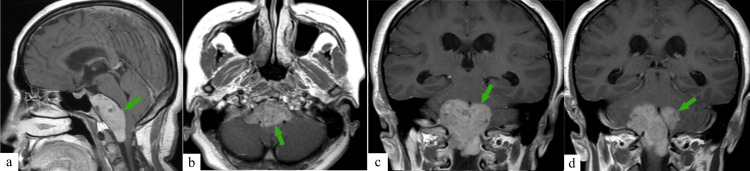 Figure 1
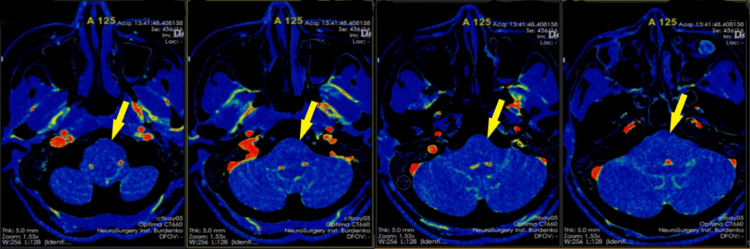 Figure 2
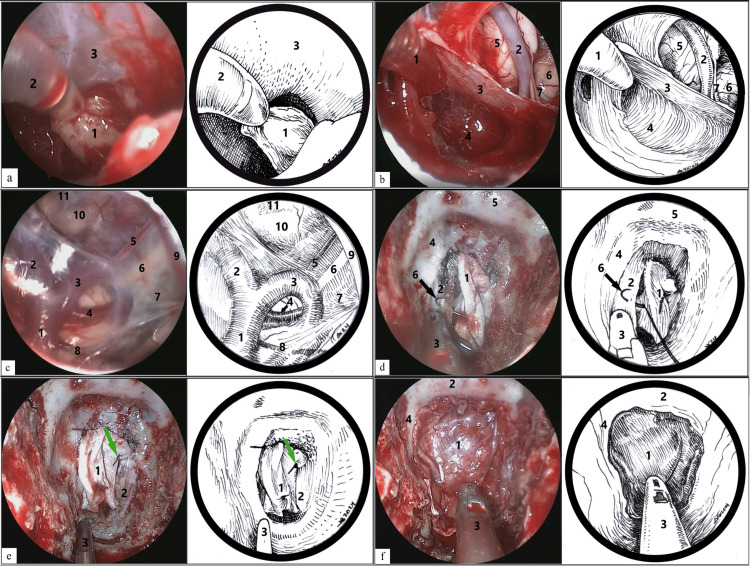 Figure 3
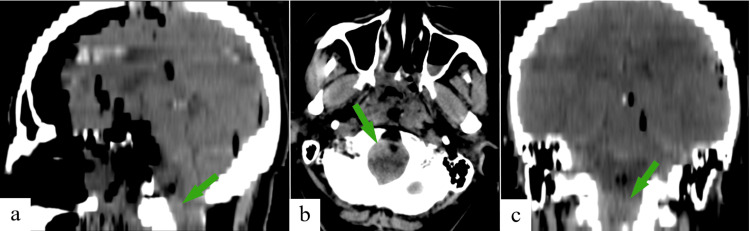 Figure 4
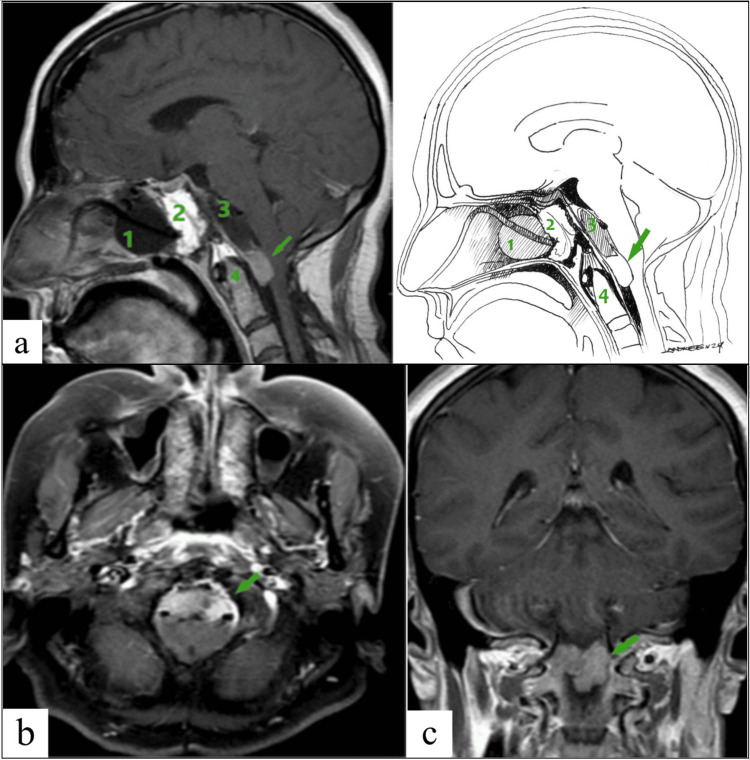 Figure 5
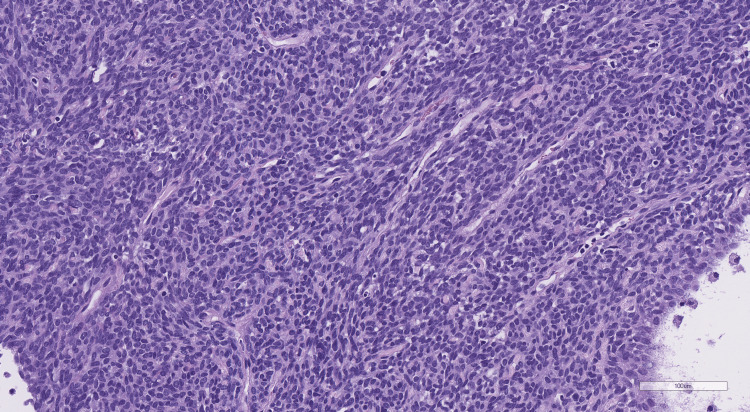 Figure 6
Peer Reviews
No public reviews on file for this paper yet. If you reviewed it on a platform where reviews are public (OpenReview, ICLR, NeurIPS, ICML), you can paste yours below so the community can read it here.
Videos
No videos yet. Explain this paper in a talk, walkthrough, or lecture? Add one.
Taxonomy
TopicsSoft tissue tumor case studies · Sarcoma Diagnosis and Treatment · Bone Tumor Diagnosis and Treatments