A Breathtaking Case of Chemotherapy-Induced Pneumonitis
Anthony V Cook, David I LeRoy, Cassie T Konja

TL;DR
A rare case of lung inflammation caused by chemotherapy with etoposide is reported in a patient with metastatic seminoma.
Contribution
This case highlights the under-recognized risk of pneumonitis from etoposide in cancer treatment.
Findings
Etoposide can cause acute pneumonitis in patients receiving chemotherapy.
Diagnosis of chemotherapy-induced lung toxicity is critical for timely management.
Pneumonitis occurred after a short IV course of etoposide in a metastatic seminoma patient.
Abstract
Medication-induced pulmonary toxicity is a rare adverse event that may occur with many chemotherapeutic agents, including etoposide. This agent has been found to cause various toxicities, including anaphylaxis, angioedema, hypotension, and pneumonitis. Etoposide is used in chemotherapy regimens for multiple cancers, including germ-cell tumors. Proper diagnosis of chemotherapy-induced pulmonary toxicity is imperative and should be considered in patients who develop acute respiratory failure during or after chemotherapy. Here, we discuss an unexpected case of etoposide-induced pneumonitis after a short course of IV etoposide in a patient with metastatic seminoma.
Genes, proteins, chemicals, diseases, species, mutations and cell lines named across the full text — each resolved to its canonical identifier and authoritative record.
Click any figure to enlarge with its caption.
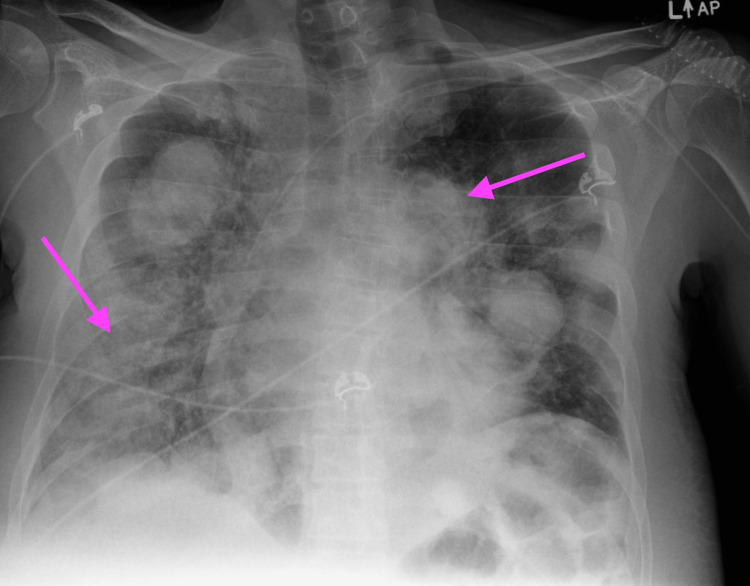 Figure 1
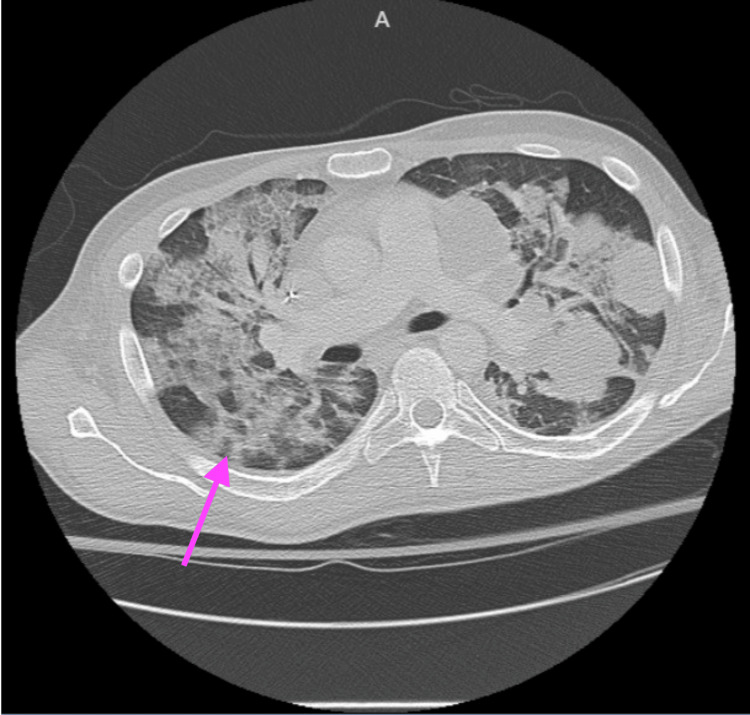 Figure 2
Peer Reviews
No public reviews on file for this paper yet. If you reviewed it on a platform where reviews are public (OpenReview, ICLR, NeurIPS, ICML), you can paste yours below so the community can read it here.
Videos
No videos yet. Explain this paper in a talk, walkthrough, or lecture? Add one.
Taxonomy
TopicsNeuroendocrine Tumor Research Advances · Lung Cancer Research Studies · Neuroblastoma Research and Treatments