The morphological, clinical, and prognostic factors in the management of giant anterior communicating artery aneurysms: A systematic review of cases
Roua Nasir, Midhat e Zahra Naqvi, Salaar Ahmed, Maarij ul Hassan, Rabeet Tariq, Saad Akhter Khan, Pia Koeskemeier, Rajiv K. Khajuria, Mohammad Hamza Bajwa, Sajjad Muhammad

TL;DR
This paper reviews factors affecting the treatment of rare giant aneurysms in the anterior communicating artery, highlighting the best approaches for ruptured and unruptured cases.
Contribution
The study provides a systematic review of clinical and morphological factors in managing giant AComm aneurysms, emphasizing treatment nuances.
Findings
Direct clipping is the first-line treatment for ruptured giant AComm aneurysms.
Surgical bypass and trapping are preferred for unruptured or asymptomatic cases.
Endovascular/combined methods have limited data and are used in fewer cases.
Abstract
Giant intracranial aneurysms (GIAs) of the anterior communicating artery (AComm) are rare and challenging to treat due to their distinct angioarchitecture. To review demographic, morphological, clinical, and prognostic factors in the treatment of giant AComm aneurysms to inform decision-making. Medline, Scopus, and Cochrane databases were searched for records examining cases diagnosed with giant AComm aneurysms. The study type, sample size, patient age, aneurysm site, aneurysm size, presenting complaints, and treatment modality were tabulated, and methodological quality was assessed. Additionally, two cases from our institution were included. The data from 24 retrieved records, including 45 cases (60% treated with direct clipping/clip reconstruction, 20% with surgical bypass±trapping, and 16% with endovascular/combined methods) were obtained. The mean age was 52 years with an overall…
Genes, proteins, chemicals, diseases, species, mutations and cell lines named across the full text — each resolved to its canonical identifier and authoritative record.
Click any figure to enlarge with its caption.
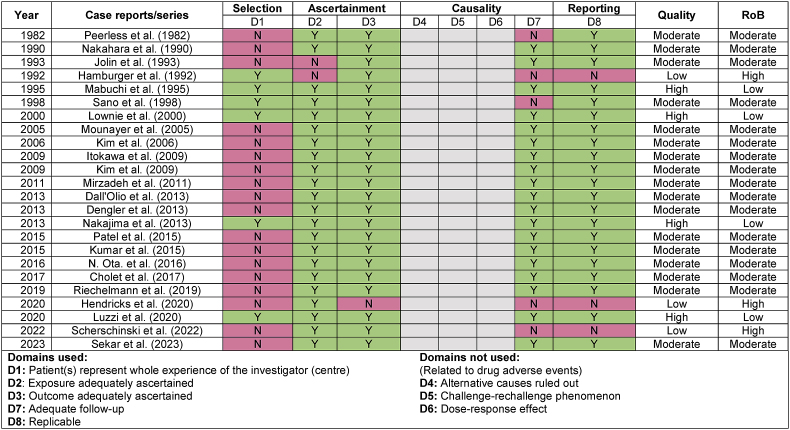 Figure 1
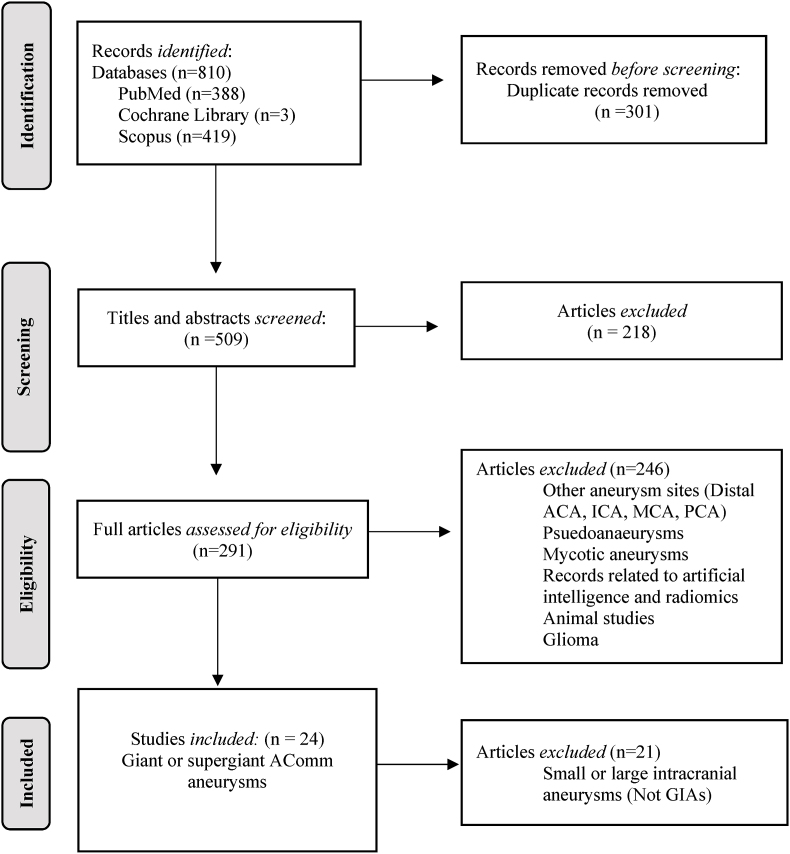 Figure 2
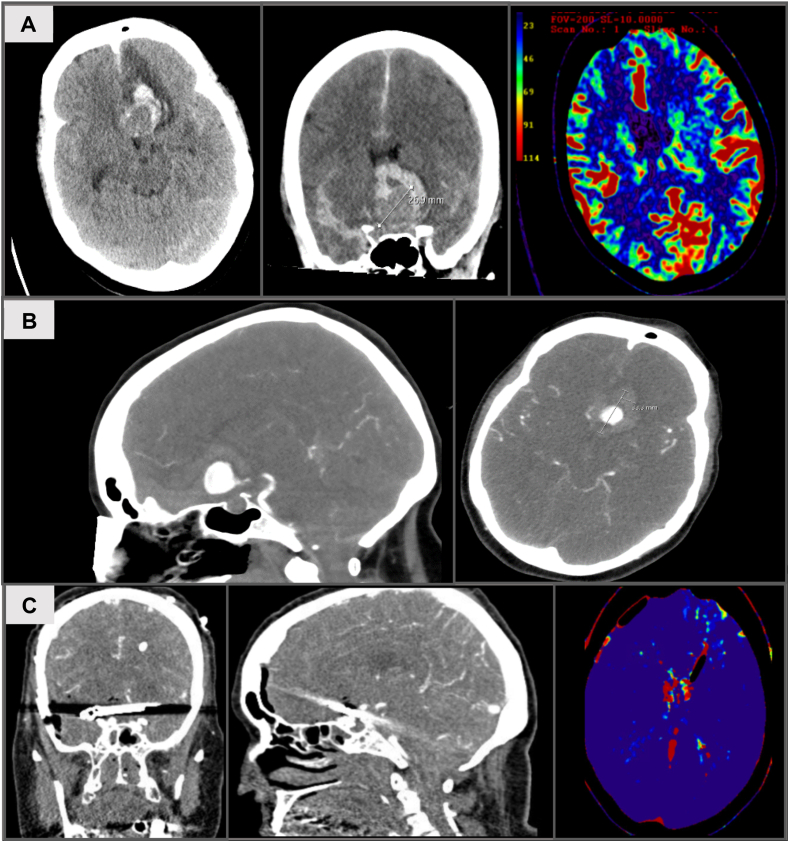 Figure 3
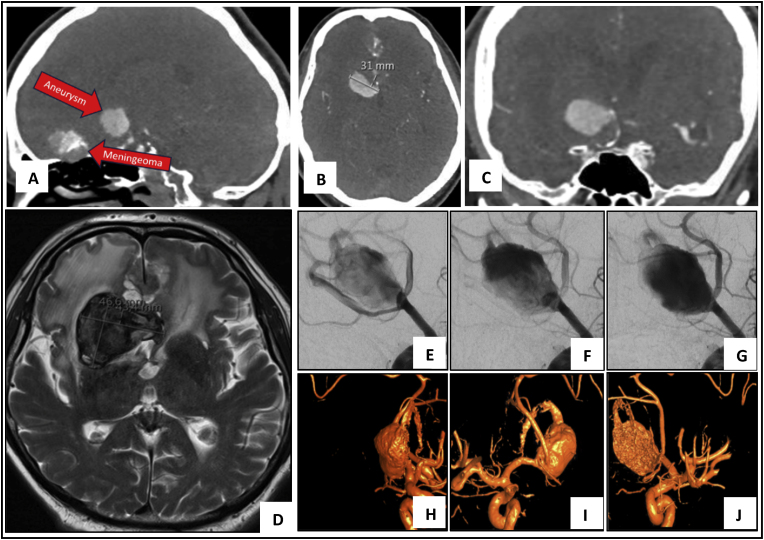 Figure 4
Peer Reviews
No public reviews on file for this paper yet. If you reviewed it on a platform where reviews are public (OpenReview, ICLR, NeurIPS, ICML), you can paste yours below so the community can read it here.
Videos
No videos yet. Explain this paper in a talk, walkthrough, or lecture? Add one.
Taxonomy
TopicsIntracranial Aneurysms: Treatment and Complications · Vascular Malformations Diagnosis and Treatment · Moyamoya disease diagnosis and treatment