Severe Hepatotoxicity From Capmatinib: A Case Report and Therapeutic Approach
Mina Aiad, Harsh J Bhalala, Halle Bagshaw, Sophia Starner, Debasmita Saha

TL;DR
A patient with lung cancer developed severe liver damage from capmatinib and was successfully treated with NAC and ursodiol.
Contribution
Presents a novel therapeutic approach using NAC and ursodiol for capmatinib-induced liver injury.
Findings
Capmatinib caused grade 4 liver injury in a patient with MET exon mutated NSCLC.
N-acetyl cysteine and ursodeoxycholic acid therapy resolved the liver injury.
Drug discontinuation alone was ineffective in this case.
Abstract
Capmatinib, a selective mesenchymal-epithelial transition (MET)-kinase inhibitor, is approved for treating metastatic non-small cell lung cancer (NSCLC) with MET exon 14 (METex14) skipping mutation. Although a known side effect, not much data is available on the management of capmatinib-induced liver injury. Here, we present a case of a 60-year-old male with MET exon mutated NSCLC who developed grade 4 liver injury after capmatinib initiation, which did not respond to drug discontinuation and eventually responded to N-acetyl cysteine (NAC) and ursodeoxycholic acid (ursodiol) therapy. This case demonstrates that NAC plus ursodiol can be an effective treatment strategy in such patients.
Genes, proteins, chemicals, diseases, species, mutations and cell lines named across the full text — each resolved to its canonical identifier and authoritative record.
Click any figure to enlarge with its caption.
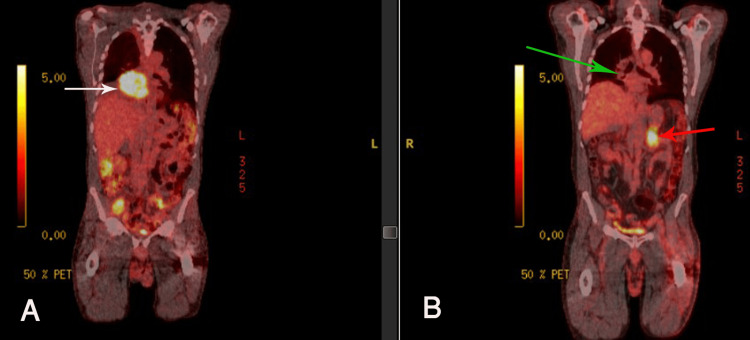 Figure 1
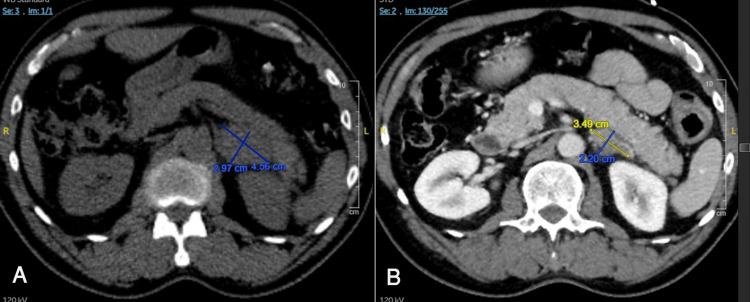 Figure 2
Peer Reviews
No public reviews on file for this paper yet. If you reviewed it on a platform where reviews are public (OpenReview, ICLR, NeurIPS, ICML), you can paste yours below so the community can read it here.
Videos
No videos yet. Explain this paper in a talk, walkthrough, or lecture? Add one.
Taxonomy
TopicsLiver physiology and pathology · Pancreatic and Hepatic Oncology Research · PI3K/AKT/mTOR signaling in cancer