Comparison of brain activity metrics in Chinese and Russian students while perceiving information referencing self or others
Q. Si, J. Tian, V.A. Savostyanov, D.A. Lebedkin, A.V. Bocharov, A.N. Savostyanov

TL;DR
This study compares brain activity in Chinese and Russian students when they process information about themselves or others, finding differences linked to collectivism.
Contribution
The novelty is combining EEG with facial video recordings to induce and analyze resting states for self/others information recognition.
Findings
Interethnic differences were observed in the default-mode network's anterior and parietal hubs based on information attribution.
Chinese participants showed significant positive correlations between collectivism and spectral density in the anterior hub across all conditions.
The developed software and hardware module enables full-cycle registration and processing of psychological and neurophysiological data.
Abstract
Neurocomputing technology is a field of interdisciplinary research and development widely applied in modern digital medicine. One of the problems of neuroimaging technology is the creation of methods for studying human brain activity in socially oriented conditions by using modern information approaches. The aim of this study is to develop a methodology for collecting and processing psychophysiological data, which makes it possible to estimate the functional states of the human brain associated with the attribution of external information to oneself or other people. Self-reference is a person’s subjective assessment of information coming from the external environment as related to himself/herself. Assigning information to other people or inanimate objects is evaluating information as a message about someone else or about things. In modern neurophysiology, two approaches to the study of…
Genes, proteins, chemicals, diseases, species, mutations and cell lines named across the full text — each resolved to its canonical identifier and authoritative record.
Click any figure to enlarge with its caption.
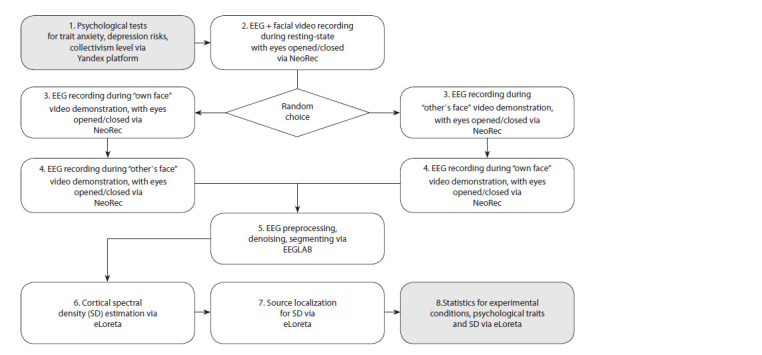 Figure 1
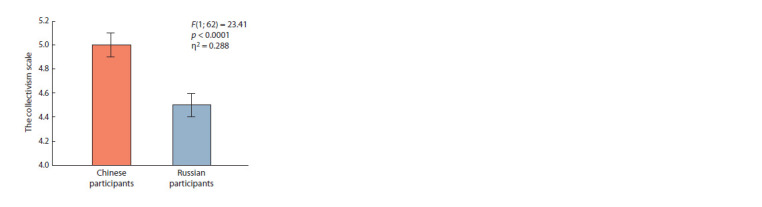 Figure 2
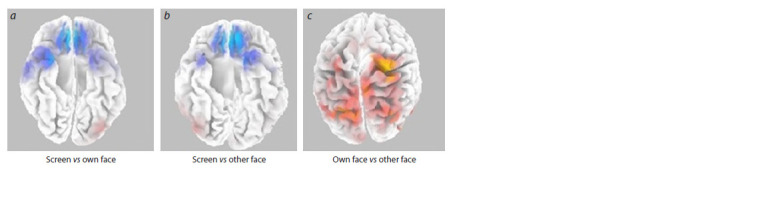 Figure 3
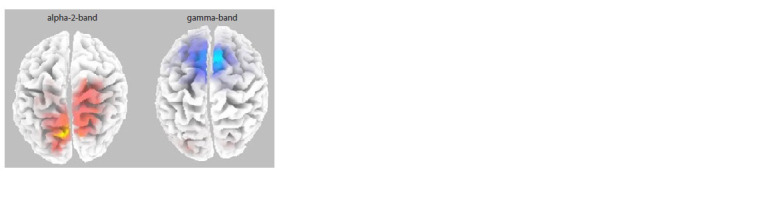 Figure 4
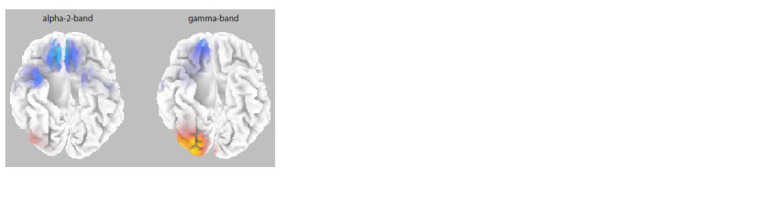 Figure 5
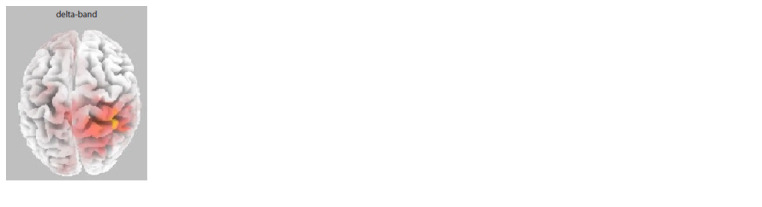 Figure 6
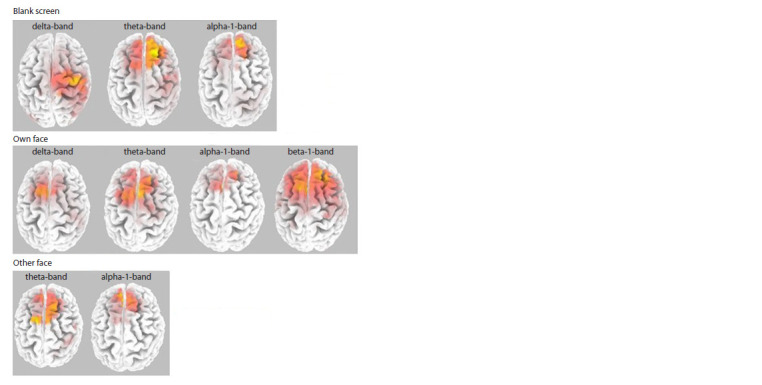 Figure 7
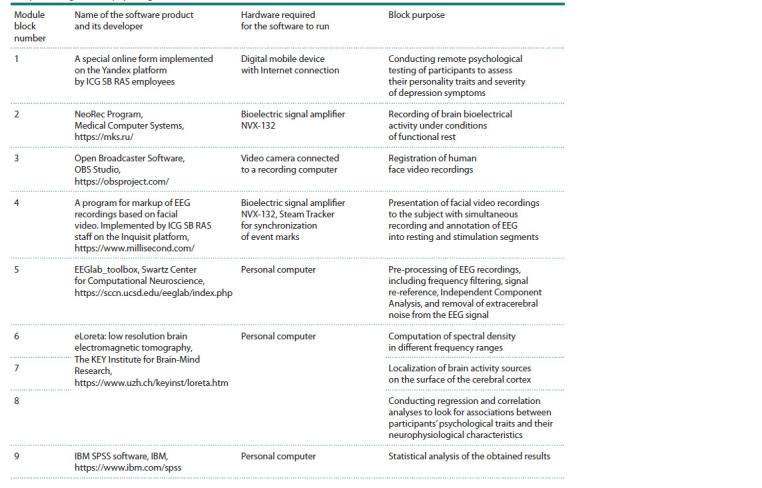 Figure 8
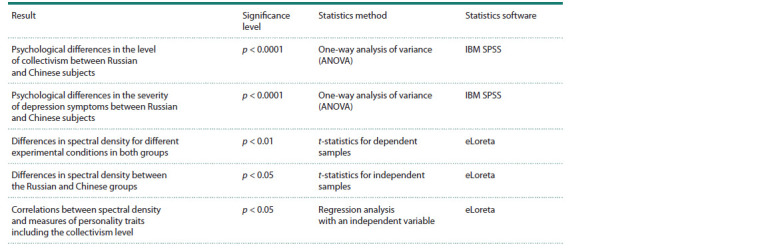 Figure 9
Peer Reviews
No public reviews on file for this paper yet. If you reviewed it on a platform where reviews are public (OpenReview, ICLR, NeurIPS, ICML), you can paste yours below so the community can read it here.
Videos
No videos yet. Explain this paper in a talk, walkthrough, or lecture? Add one.
Taxonomy
TopicsFunctional Brain Connectivity Studies · Neural and Behavioral Psychology Studies · Technology and Human Factors in Education and Health