Foundational Engineering of Artificial Blood Vessels’ Biomechanics: The Impact of Wavy Geometric Designs
Galip Yilmaz

TL;DR
This study explores how wavy designs in artificial blood vessels improve flexibility and internal area under pressure, using simulations and experiments.
Contribution
The research introduces a foundational framework for wavy geometric designs in artificial blood vessels, showing their mechanical benefits.
Findings
Samples with 22 waves showed 45% larger area under 24 kPa pressure compared to simple circles.
Increased wave numbers led to high-pressure gradients at elevated pressures.
A strong correlation (error margin 3.84%-19.88%) was found between simulations and experiments.
Abstract
The design of wavy structures and their mechanical implications on artificial blood vessels (ABVs) have been insufficiently studied in the existing literature. This research aims to explore the influence of various wavy geometric designs on the mechanical properties of ABVs and to establish a foundational framework for advancing and applying these designs. Computer-aided design (CAD) and finite element method (FEM) simulations, in conjunction with physical sample testing, were utilized. A geometric model incorporating concave and convex curves was developed and analyzed with a symbolic mathematical tool. Subsequently, a total of ten CAD models were subjected to increasing internal pressures using a FEM simulation to evaluate the expansion of internal areas. Additionally, physical experiments were conducted further to investigate the expansion of ABV samples under pressure. The results…
Genes, proteins, chemicals, diseases, species, mutations and cell lines named across the full text — each resolved to its canonical identifier and authoritative record.
Click any figure to enlarge with its caption.
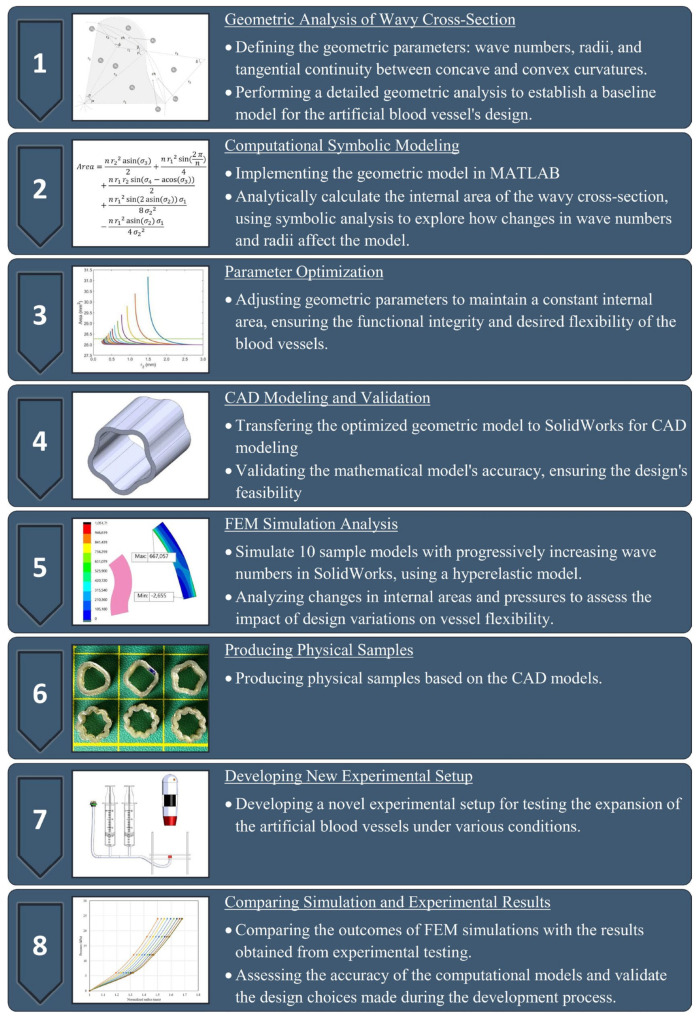 Figure 1
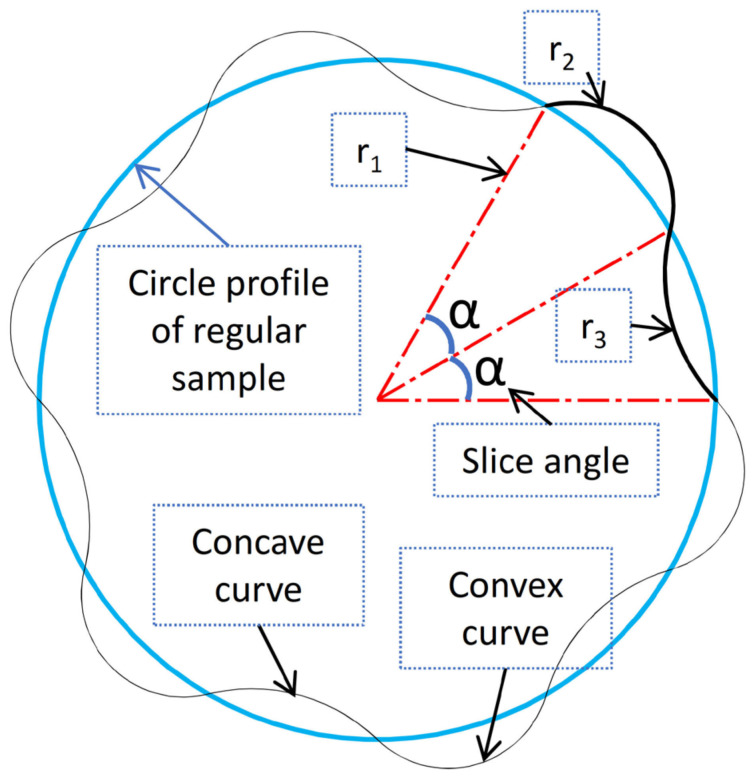 Figure 2
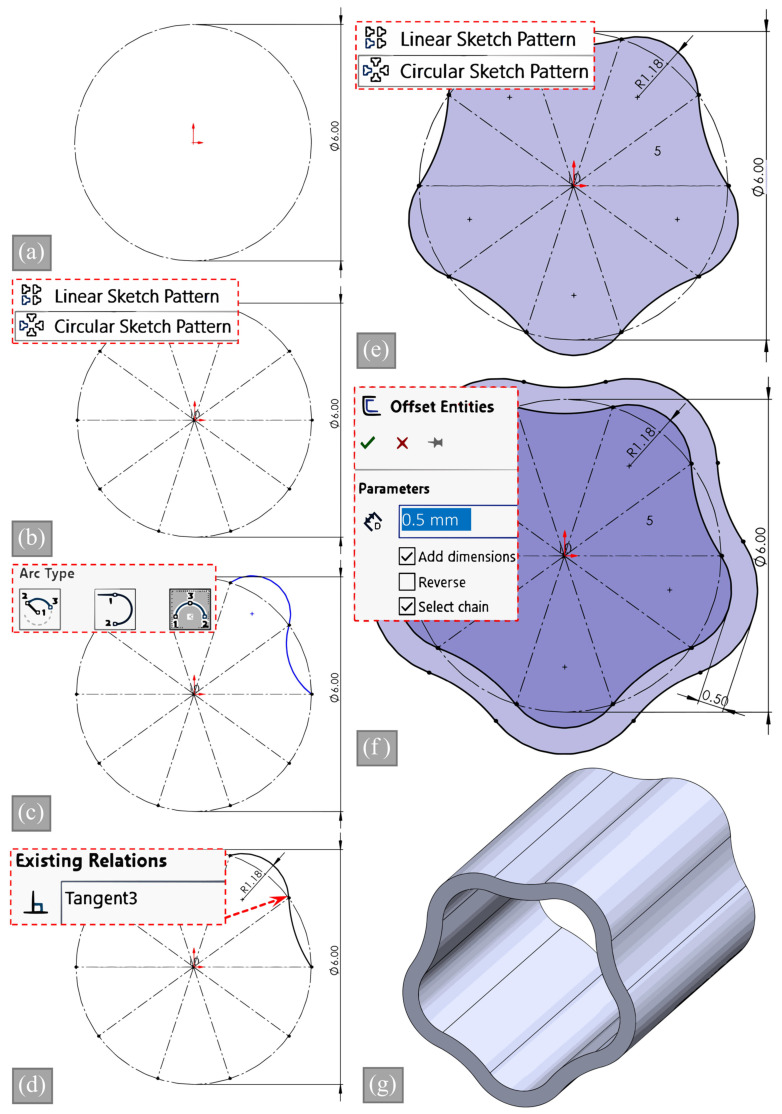 Figure 3
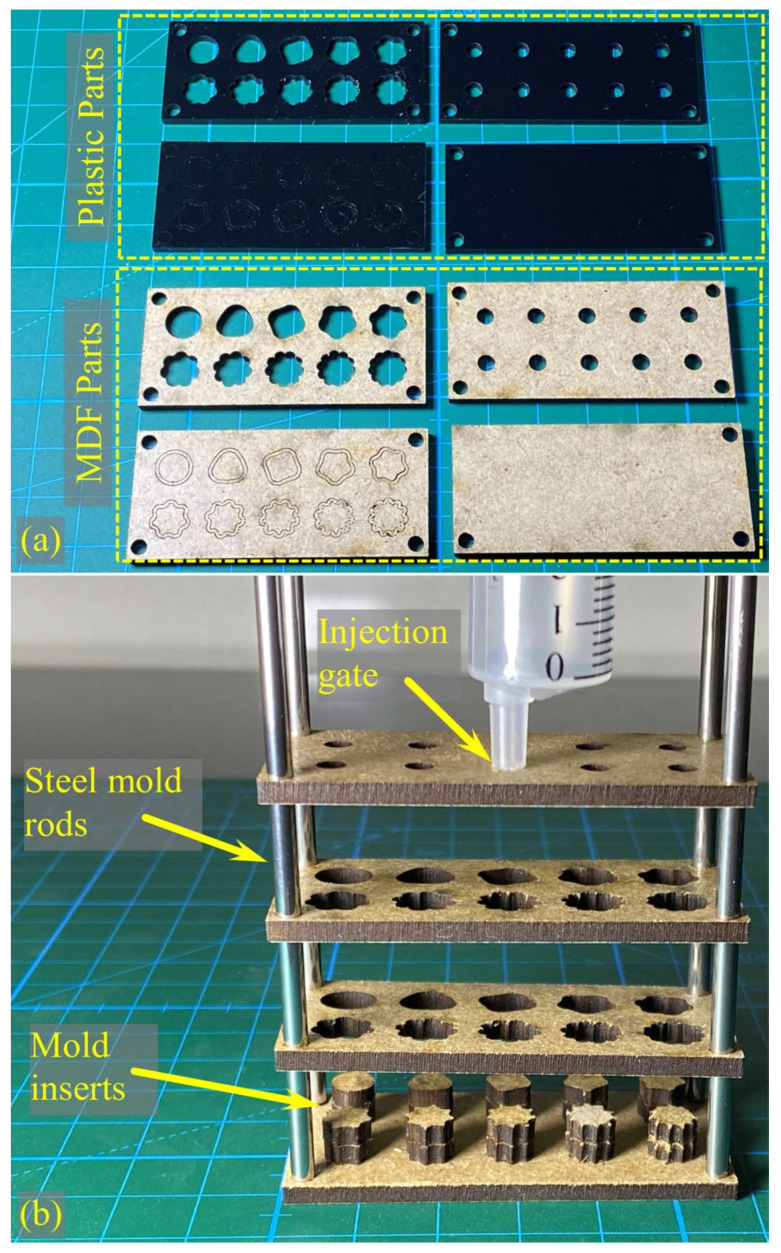 Figure 4
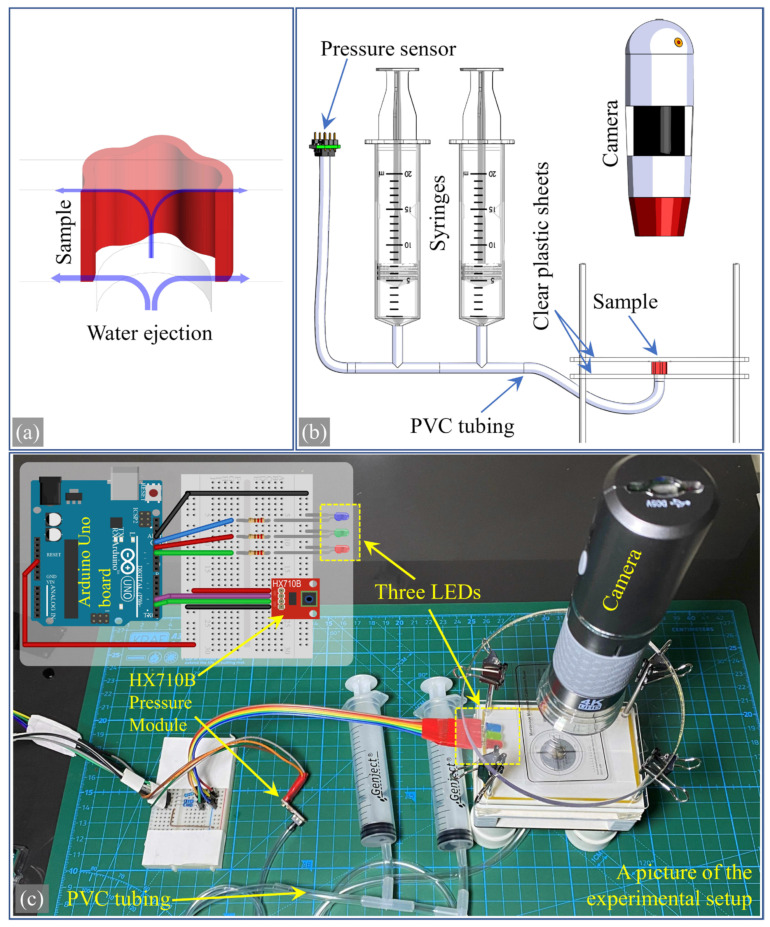 Figure 5
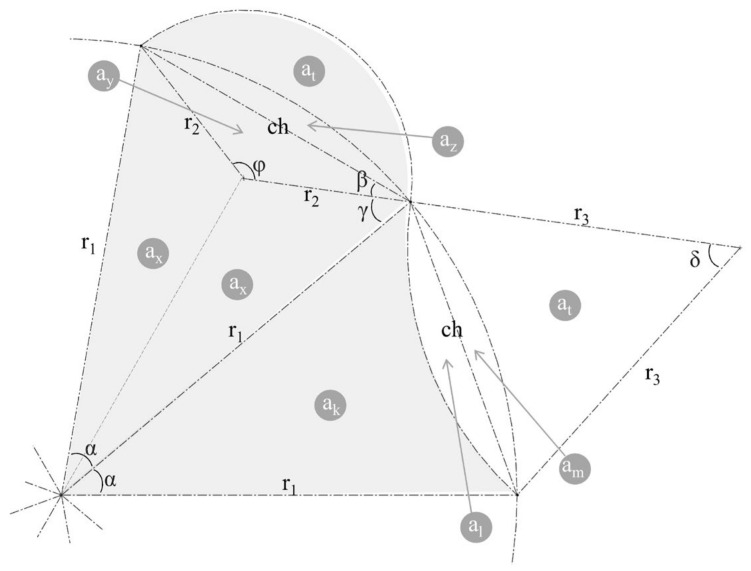 Figure 6
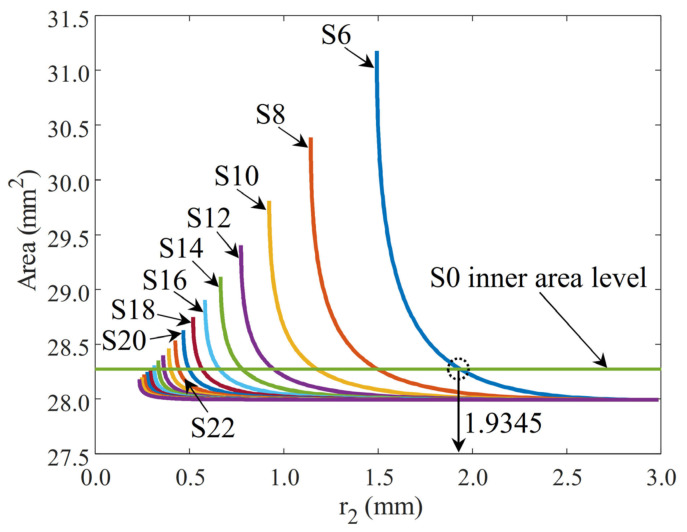 Figure 7
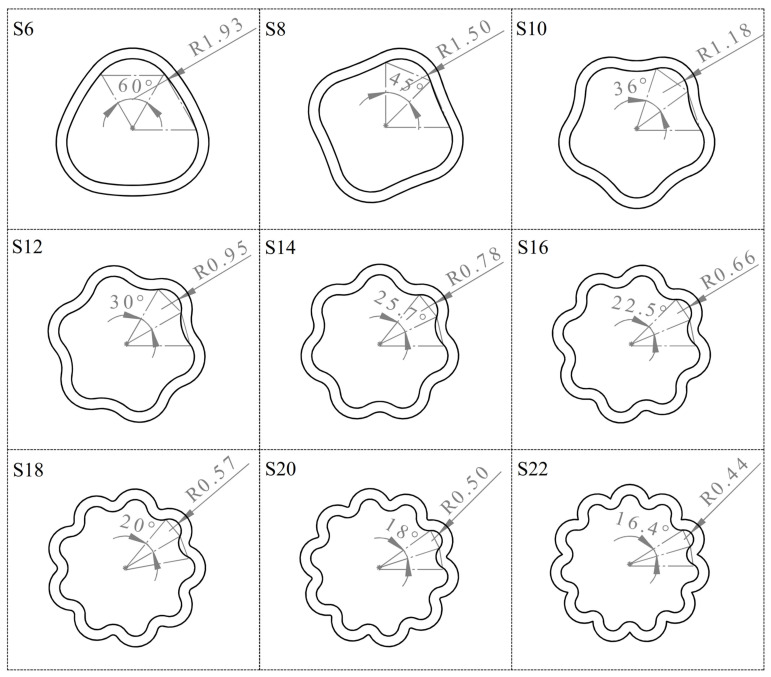 Figure 8
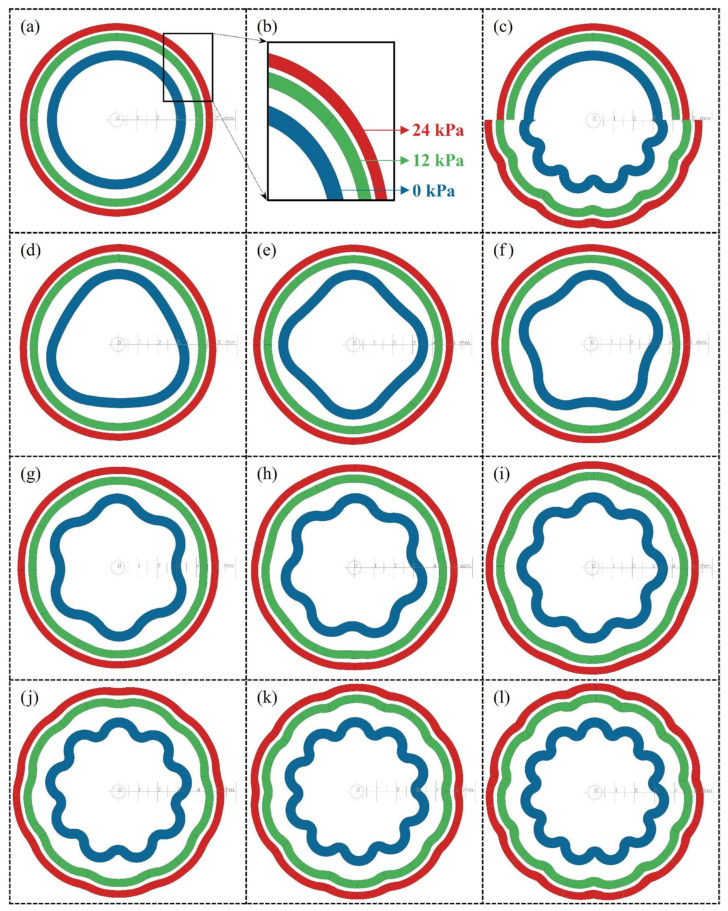 Figure 9
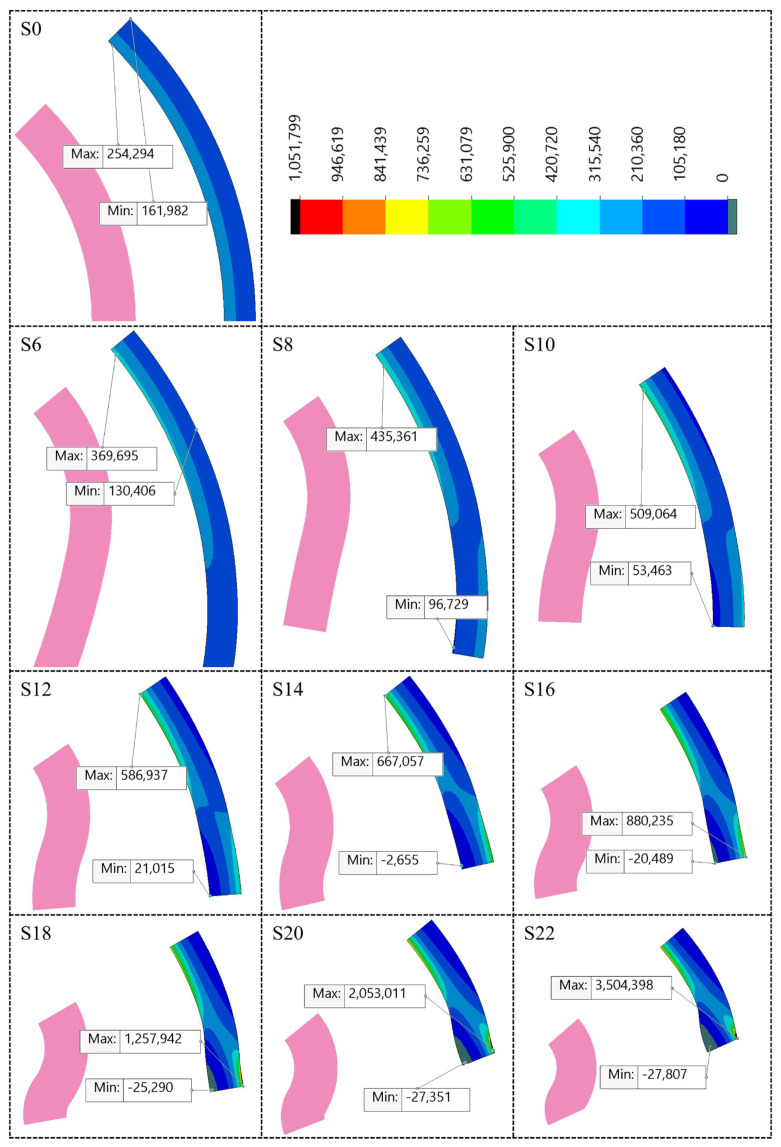 Figure 10
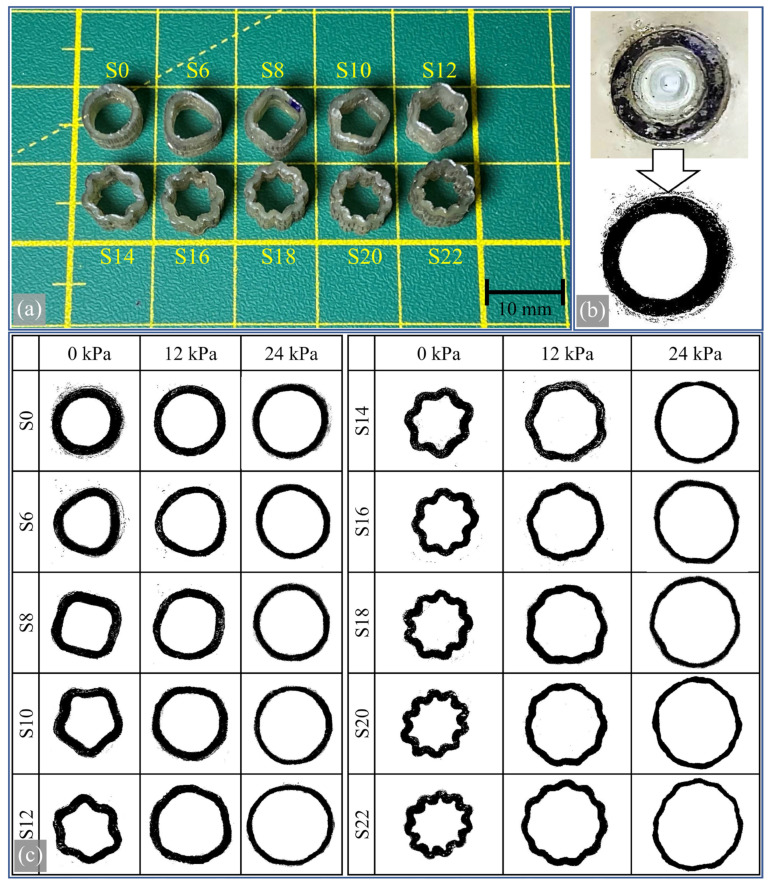 Figure 11
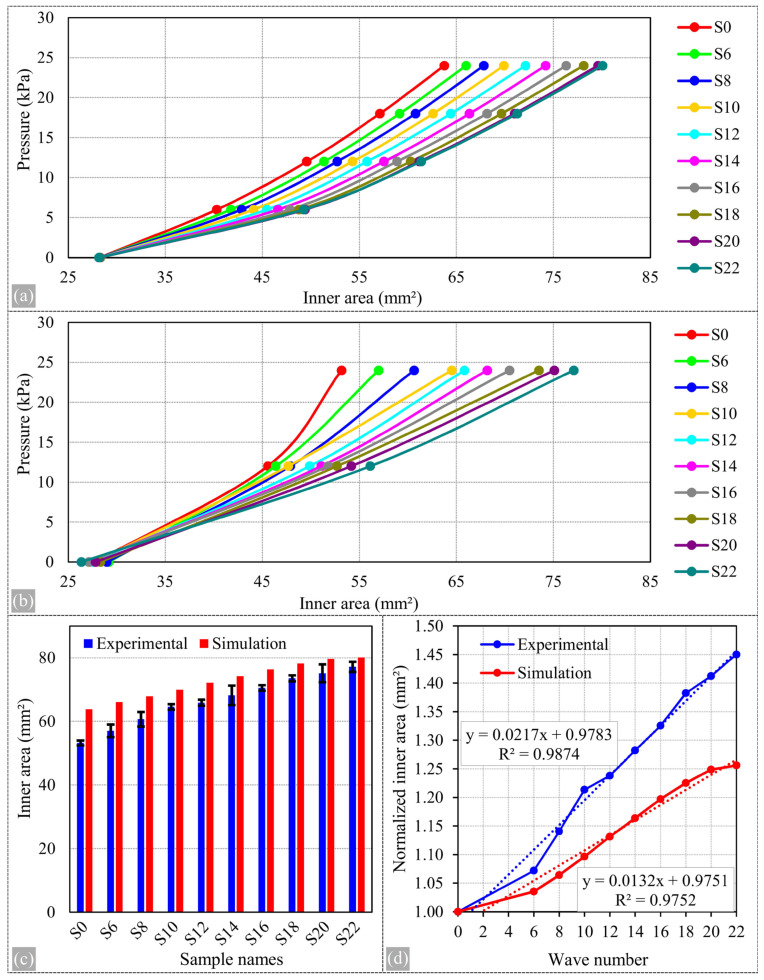 Figure 12
Peer Reviews
No public reviews on file for this paper yet. If you reviewed it on a platform where reviews are public (OpenReview, ICLR, NeurIPS, ICML), you can paste yours below so the community can read it here.
Videos
No videos yet. Explain this paper in a talk, walkthrough, or lecture? Add one.
Taxonomy
TopicsElectrospun Nanofibers in Biomedical Applications · Elasticity and Material Modeling · Coronary Interventions and Diagnostics