Antibiotic-induced dysbiosis in the SCIME™ recapitulates microbial community diversity and metabolites modulation of in vivo disease
Elena Dalle Vedove, Alessia Benvenga, Gianluca Nicolai, Marcella Massimini, Maria Veronica Giordano, Francesco Di Pierro, Benedetta Bachetti

TL;DR
A new in vitro model simulates antibiotic-induced gut dysbiosis in dogs and shows how prebiotics may help recovery.
Contribution
A novel in vitro model of canine antibiotic-induced dysbiosis that mimics in vivo microbial and metabolic changes.
Findings
Antibiotic treatment in the model caused decreased microbial richness and propionic acid production.
Dietary changes altered ammonium and butyric acid levels in the simulated gut ecosystem.
The model successfully recapitulates microbial and metabolic patterns of in vivo canine dysbiosis.
Abstract
Intestinal dysbiosis is a significant concern among dog owners, and the gut health of pets is an emerging research field. In this context, the Simulator of the Canine Intestinal Microbial Ecosystem (SCIME™) was recently developed and validated with in vivo data. The current study presents a further application of this model by using amoxicillin and clavulanic acid to induce dysbiosis, aiming to provoke changes in microbial community and metabolite production, which are well-known markers of the disease in vivo. Following the induction of dysbiosis, prebiotic supplementation was tested to investigate the potential for microbiota recovery under different dietary conditions. The results showed that antibiotic stimulation in the SCIME™ model can produce significant changes in microbial communities and metabolic activity, including a decrease in microbial richness, a reduction in…
Genes, proteins, chemicals, diseases, species, mutations and cell lines named across the full text — each resolved to its canonical identifier and authoritative record.
Click any figure to enlarge with its caption.
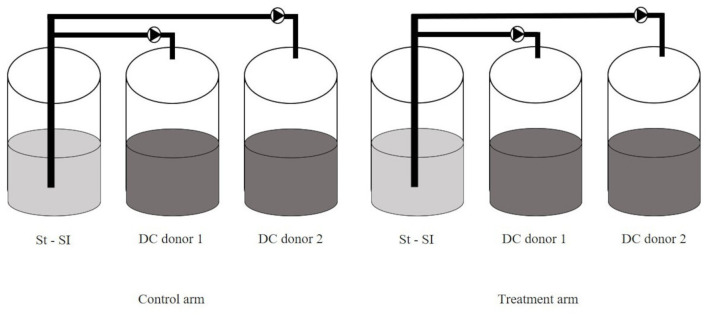 Figure 1
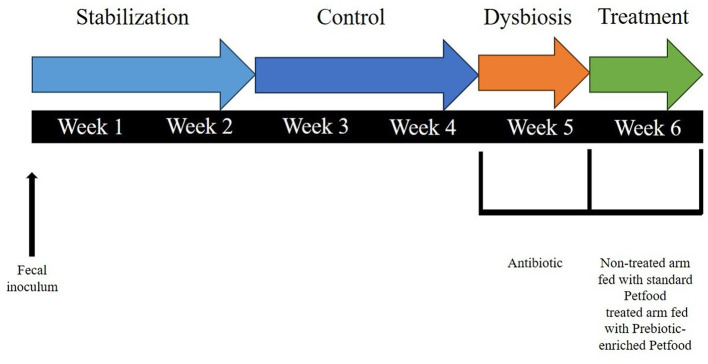 Figure 2
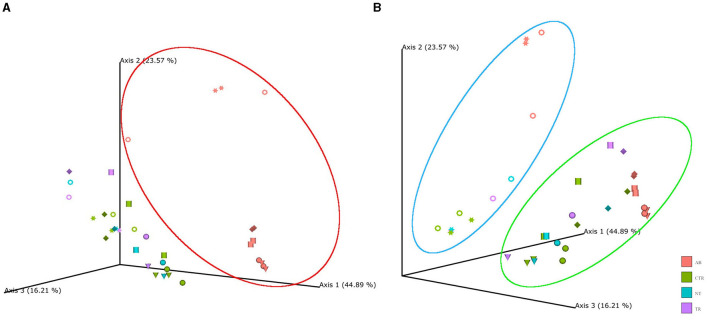 Figure 3
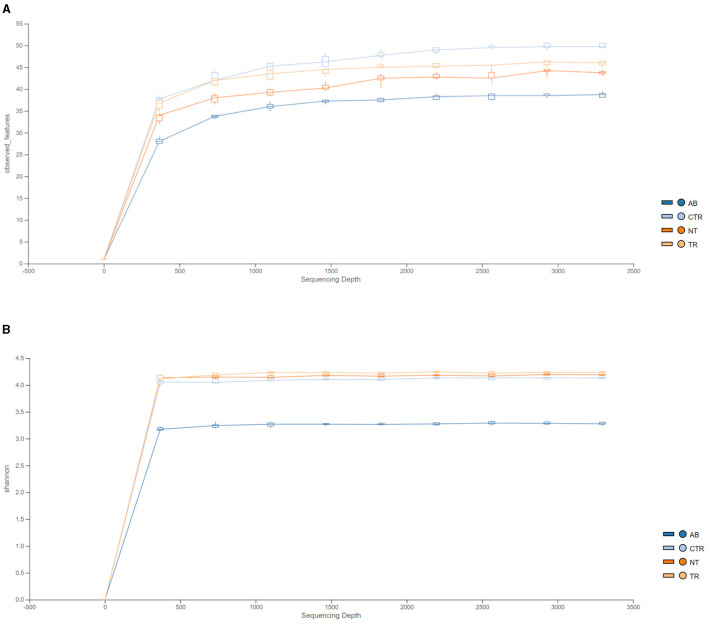 Figure 4
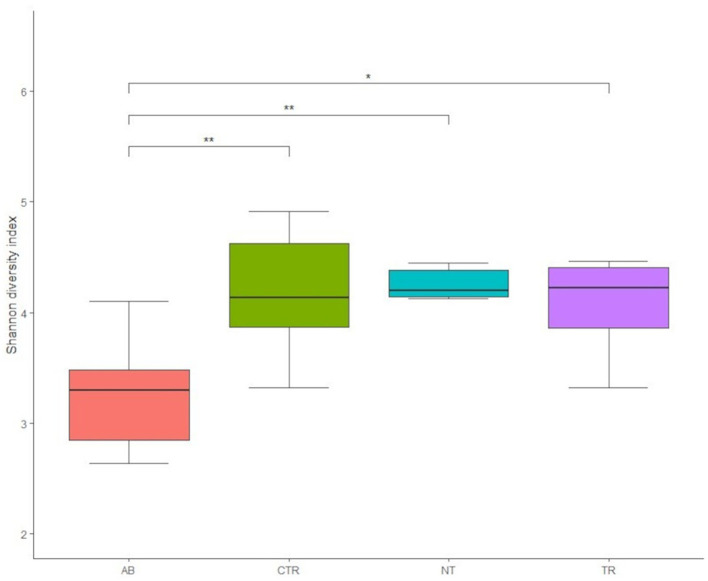 Figure 5
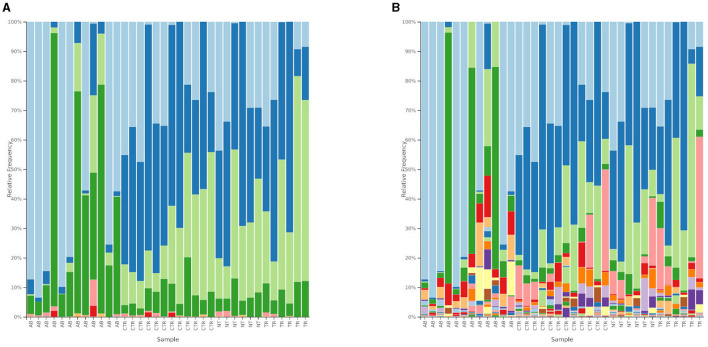 Figure 6
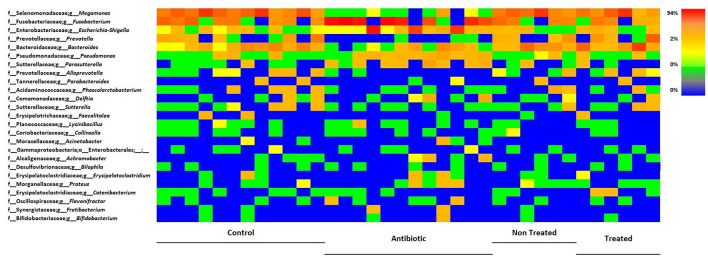 Figure 7
Peer Reviews
No public reviews on file for this paper yet. If you reviewed it on a platform where reviews are public (OpenReview, ICLR, NeurIPS, ICML), you can paste yours below so the community can read it here.
Videos
No videos yet. Explain this paper in a talk, walkthrough, or lecture? Add one.
Taxonomy
TopicsGut microbiota and health · Clostridium difficile and Clostridium perfringens research · Complementary and Alternative Medicine Studies