From Psychosis to Recovery: A Case Report of N-Methyl-D-Aspartate (NMDA) Receptor Encephalitis
Sava Nanda Gopal, Deepthi Vakati, Saranya Palanisamy, Kanimozhi David, Kannan Rajendran

TL;DR
This case report describes a patient's journey from psychosis to recovery due to NMDA receptor encephalitis, a rare autoimmune brain condition.
Contribution
The novelty lies in the detailed documentation of clinical progression and treatment of NMDA receptor encephalitis in a young individual.
Findings
The patient's symptoms began with psychosis and memory issues, progressing to seizures and autonomic instability.
Diagnosis and treatment led to recovery, illustrating the disease's typical clinical course.
The case emphasizes the importance of recognizing autoimmune causes in neuropsychiatric presentations.
Abstract
Autoimmune N-methyl-D-aspartate (NMDA) receptor encephalitis is an increasingly recognized cause of severe neuropsychiatric illness, particularly in young individuals. This case report presents a detailed account of a patient diagnosed with NMDA receptor encephalitis, highlighting the clinical presentation, diagnostic challenges, and treatment approach. The patient exhibited initial symptoms of psychosis and memory disturbances, which rapidly progressed to seizures and autonomic instability, reflecting the characteristic progression of the disorder.
Genes, proteins, chemicals, diseases, species, mutations and cell lines named across the full text — each resolved to its canonical identifier and authoritative record.
Click any figure to enlarge with its caption.
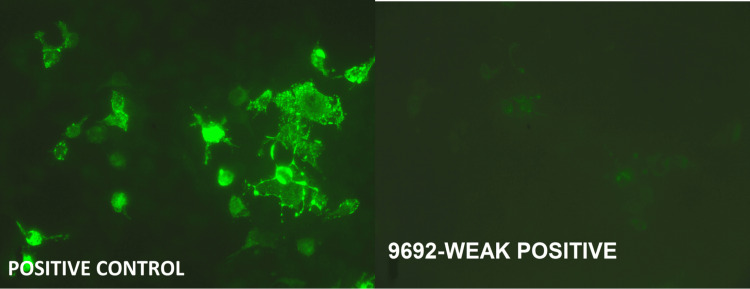 Figure 1
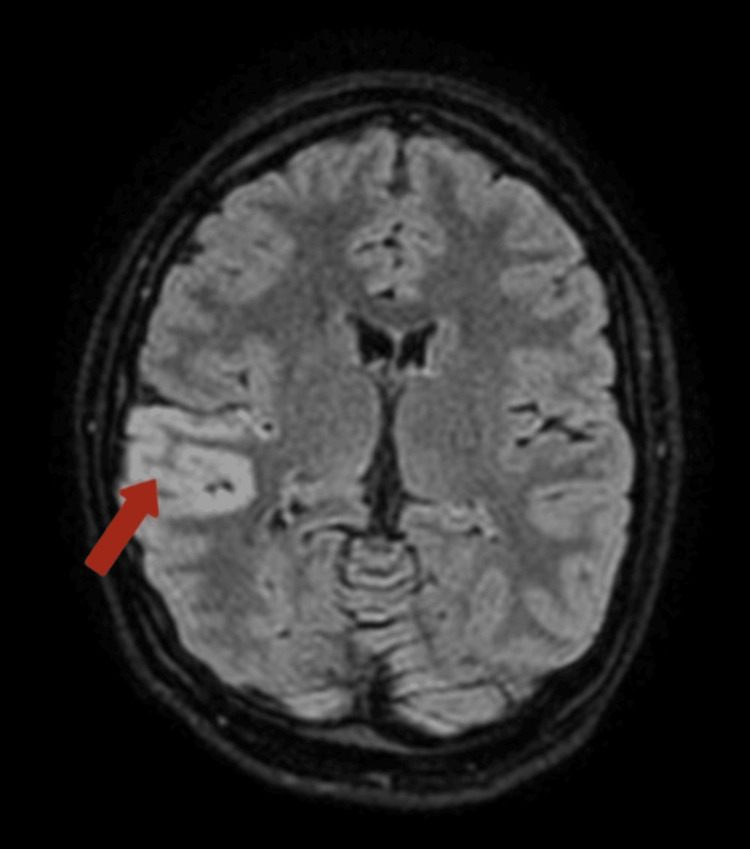 Figure 2
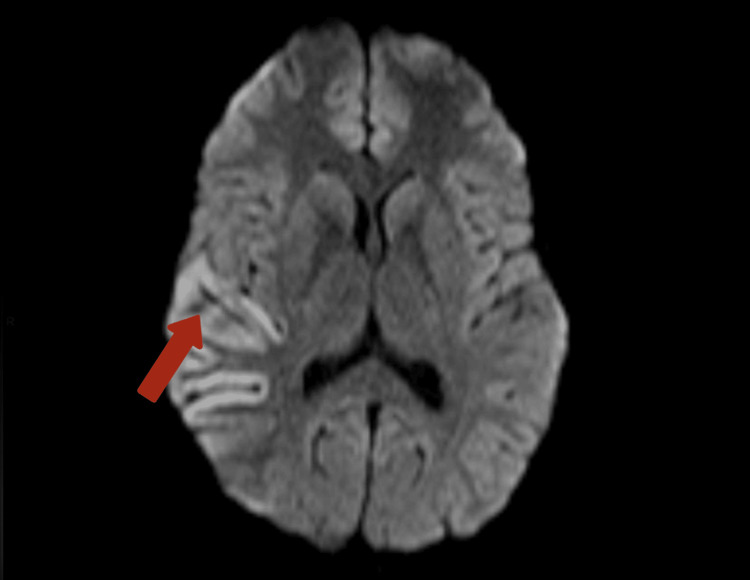 Figure 3
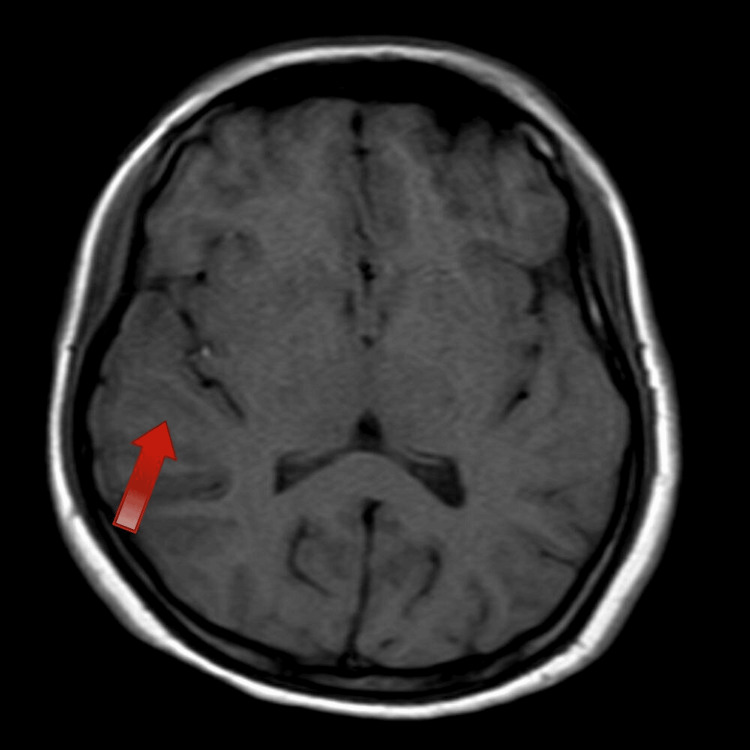 Figure 4
Peer Reviews
No public reviews on file for this paper yet. If you reviewed it on a platform where reviews are public (OpenReview, ICLR, NeurIPS, ICML), you can paste yours below so the community can read it here.
Videos
No videos yet. Explain this paper in a talk, walkthrough, or lecture? Add one.
Taxonomy
TopicsAutoimmune Neurological Disorders and Treatments · Genetics and Neurodevelopmental Disorders · Peripheral Neuropathies and Disorders