Quantitation of mitral regurgitation using positron emission tomography
Jonathan Sigfridsson, Tomasz Baron, Johannes Bergsten, Hendrik J. Harms, Jonny Nordström, Tanja Kero, Patrik Svanström, Elin Lindström, Lieuwe Appel, My Jonasson, Mark Lubberink, Frank A. Flachskampf, Jens Sörensen

TL;DR
This study shows that PET scans can accurately measure the severity of mitral valve regurgitation, matching results from MRI scans.
Contribution
The paper introduces a novel method to quantify mitral regurgitation using PET, validated against cardiovascular magnetic resonance.
Findings
PET-based regurgitant volume and fraction strongly correlated with cardiovascular magnetic resonance (CMR) measurements.
PET measurements showed high accuracy in distinguishing patients with mitral regurgitation from healthy volunteers.
A systematic underestimation of regurgitant volume and fraction was observed in PET compared to CMR.
Abstract
Cardiac positron emission tomography (PET) offers non-invasive assessment of perfusion and left ventricular (LV) function from a single dynamic scan. However, no prior assessment of mitral regurgitation severity by PET has been presented. Application of indicator dilution techniques and gated image analyses to PET data enables calculation of forward stroke volume and total LV stroke volume. We aimed to evaluate a combination of these methods for measurement of regurgitant volume (RegVol) and fraction (RegF) using dynamic 15O-water and 11C-acetate PET in comparison to cardiovascular magnetic resonance (CMR). Twenty-one patients with severe primary mitral valve regurgitation underwent same-day dynamic PET examinations (15O-water and 11C-acetate) and CMR. PET data were reconstructed into dynamic series with short time frames during the first pass, gated 15O-water blood pool images, and…
Genes, proteins, chemicals, diseases, species, mutations and cell lines named across the full text — each resolved to its canonical identifier and authoritative record.
Click any figure to enlarge with its caption.
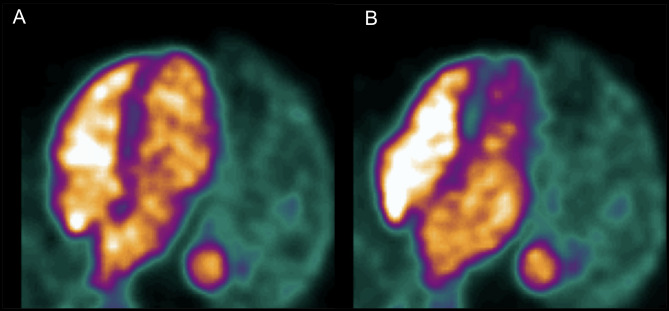 Figure 1
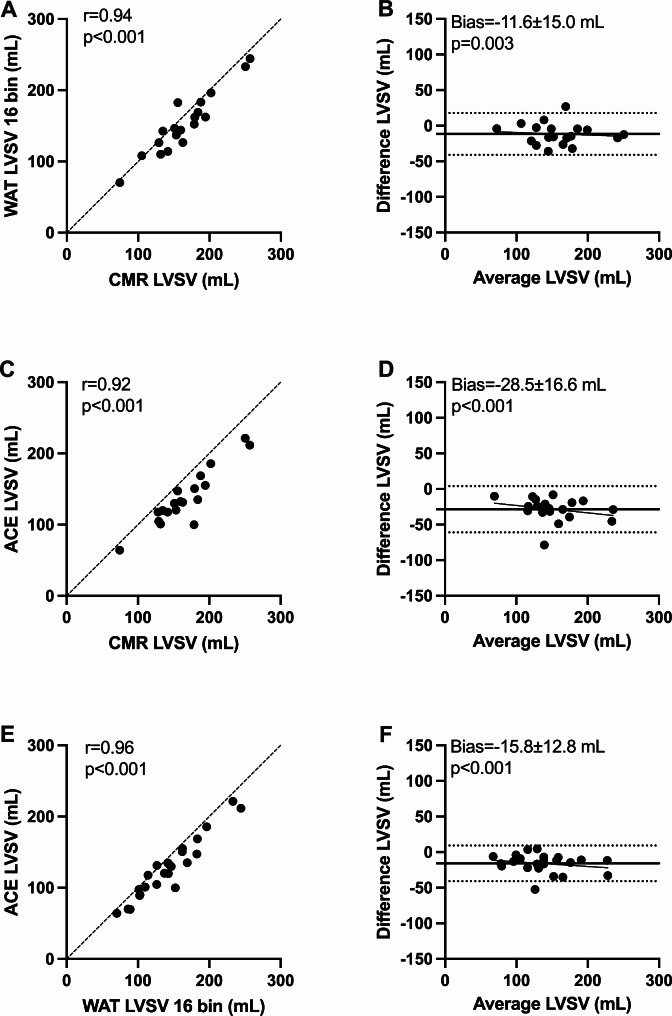 Figure 2
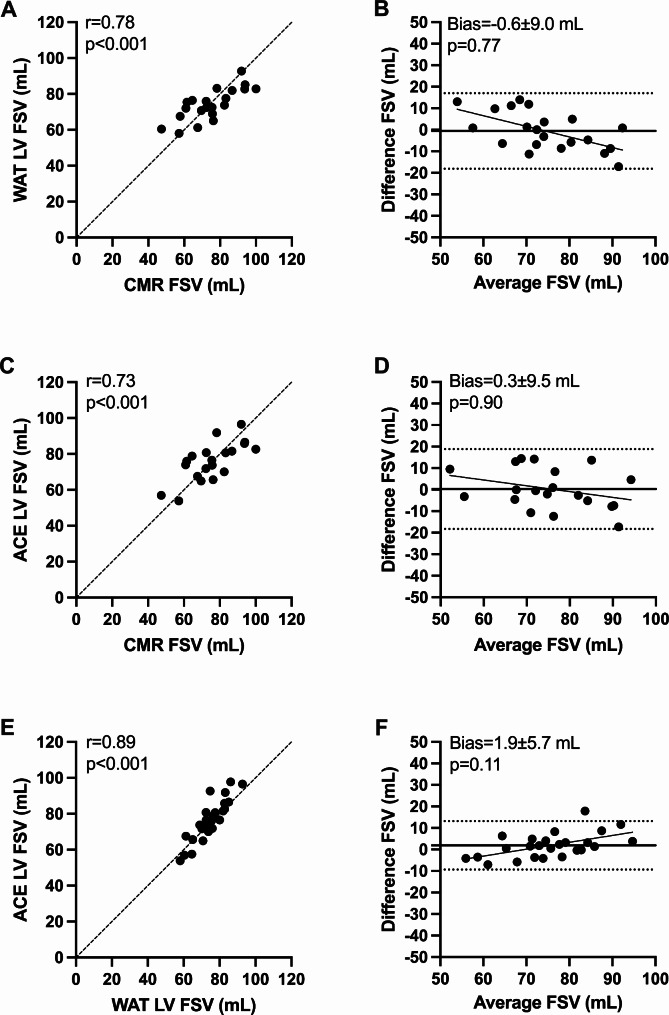 Figure 3
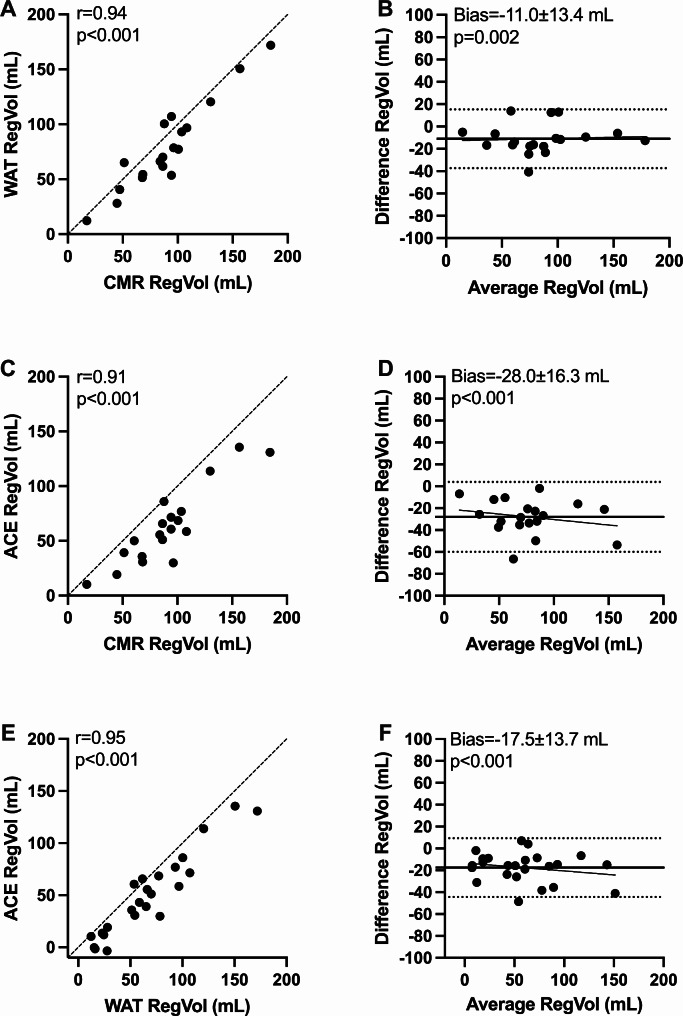 Figure 4
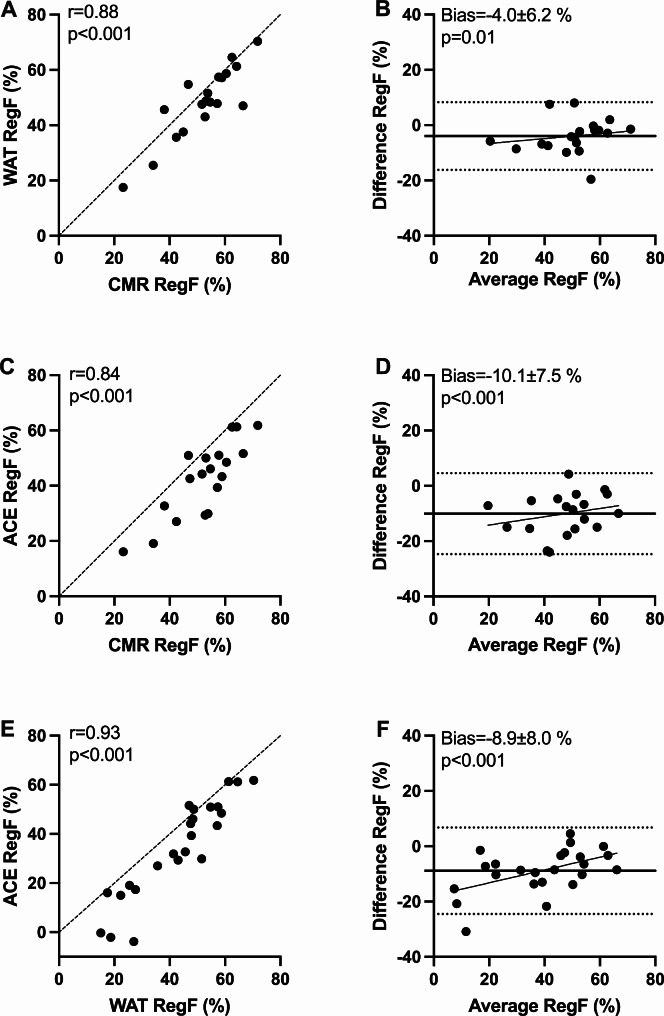 Figure 5
Peer Reviews
No public reviews on file for this paper yet. If you reviewed it on a platform where reviews are public (OpenReview, ICLR, NeurIPS, ICML), you can paste yours below so the community can read it here.
Videos
No videos yet. Explain this paper in a talk, walkthrough, or lecture? Add one.
Taxonomy
TopicsCardiac Valve Diseases and Treatments · Cardiac Imaging and Diagnostics · Cardiovascular Function and Risk Factors