Physiological and Transcriptomic Analyses Demonstrate the Ca2+-Mediated Alleviation of Salt Stress in Magnolia wufengensis
Xiuting Zhao, Zhonglong Zhu, Ziyang Sang, Luyi Ma, Qun Yin, Zhongkui Jia

TL;DR
This study shows how calcium helps Magnolia wufengensis plants resist salt stress by improving growth and activating specific genes.
Contribution
The study identifies key genes and pathways through which Ca2+ mitigates salt stress in M. wufengensis.
Findings
Combined NaCl and CaCl2 treatment reduced salt-induced damage and restored plant growth.
RNA sequencing identified 968 and 2632 differentially expressed genes in response to salt and Ca2+ treatments.
Key genes related to transport, signaling, and antioxidant enzymes were highlighted as important for salt tolerance.
Abstract
Magnolia wufengensis, a newly discovered ornamental species in the Magnoliaceae family, is susceptible to salinity. Moreover, Ca2+ is an essential element for plant growth and is receiving increasing attention for its ability to mitigate the negative effects of environmental stress on plants. In the present study, we investigated the effect of Ca2+ on the growth and transcriptome of M. wufengensis under salt stress. The treatments used here were as follows: control, NaCl (150 mmol/L), CaCl2 (5 mmol/L), and NaCl (150 mmol/L) + CaCl2 (5 mmol/L). After a 60-day treatment period, plant growth indices were determined, and leaves were collected for physiological analysis and transcriptome investigation. The combined application of NaCl and CaCl2 alleviated phenotypic damage and restored seedling growth. Moreover, RNA sequencing data revealed that in the Na vs. control group and the NaCa vs.…
Genes, proteins, chemicals, diseases, species, mutations and cell lines named across the full text — each resolved to its canonical identifier and authoritative record.
Click any figure to enlarge with its caption.
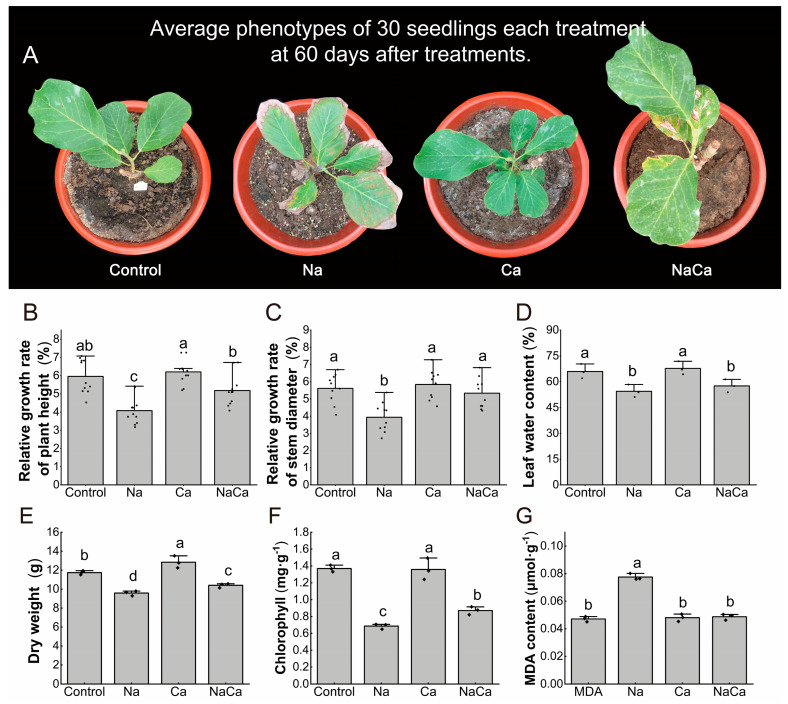 Figure 1
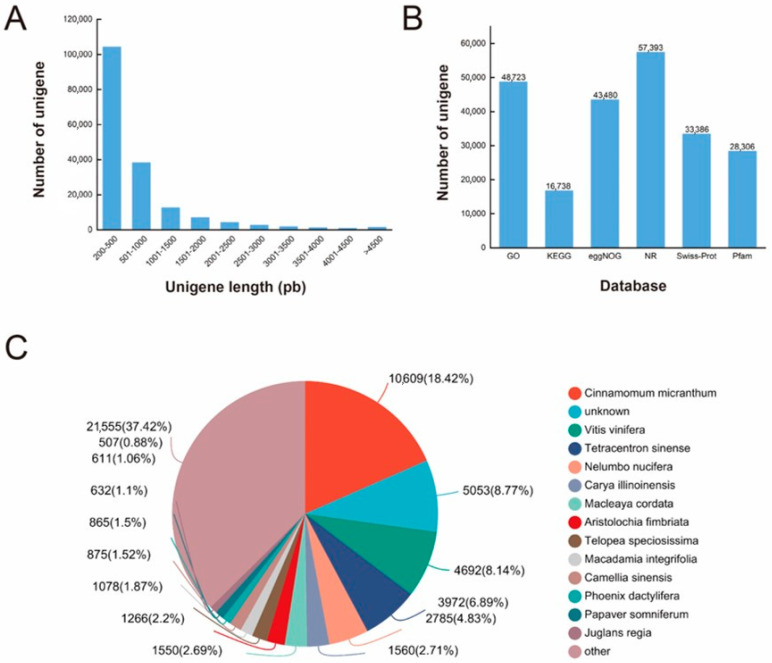 Figure 2
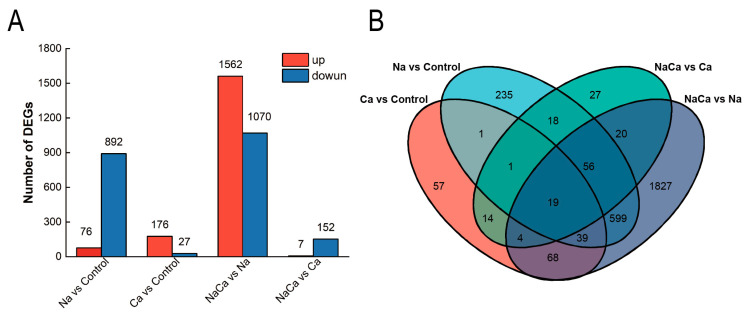 Figure 3
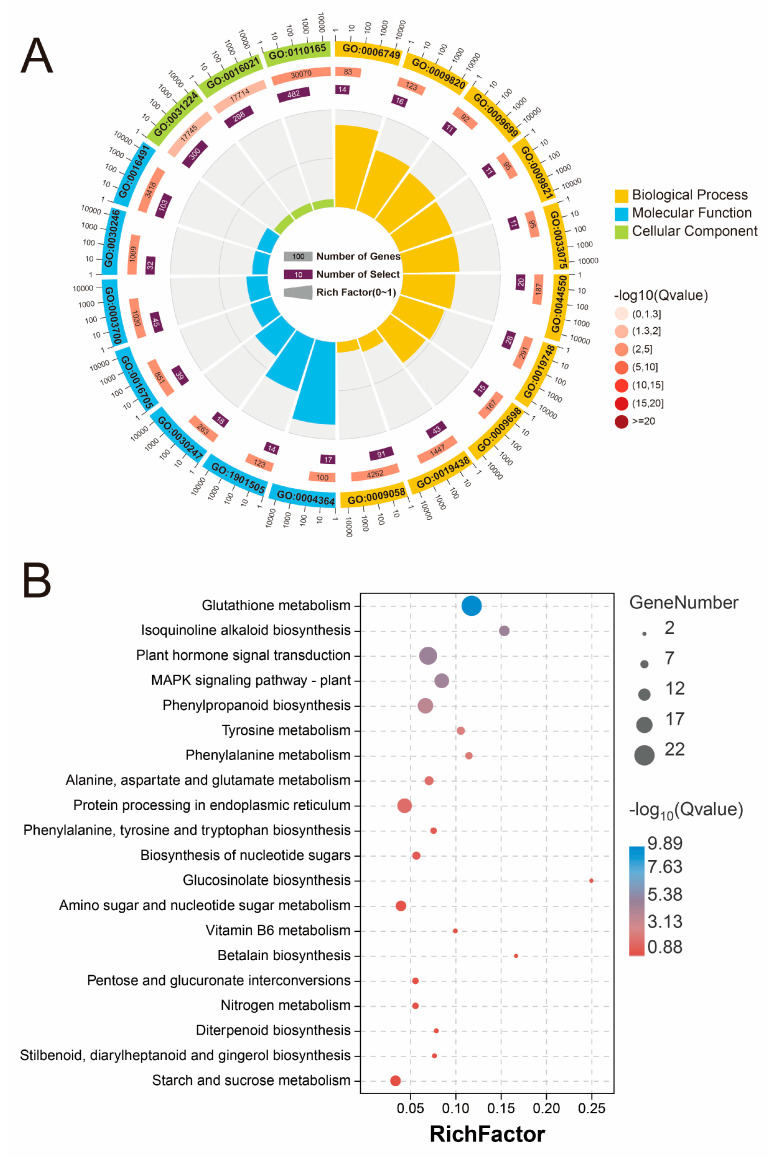 Figure 4
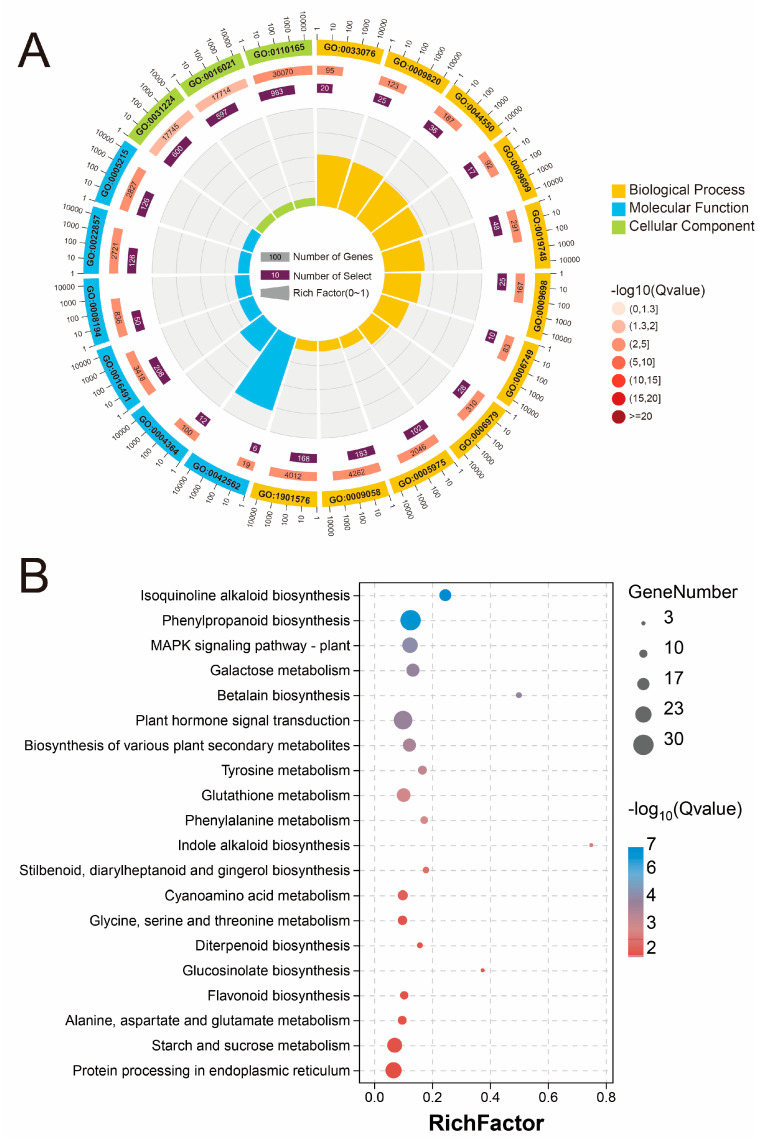 Figure 5
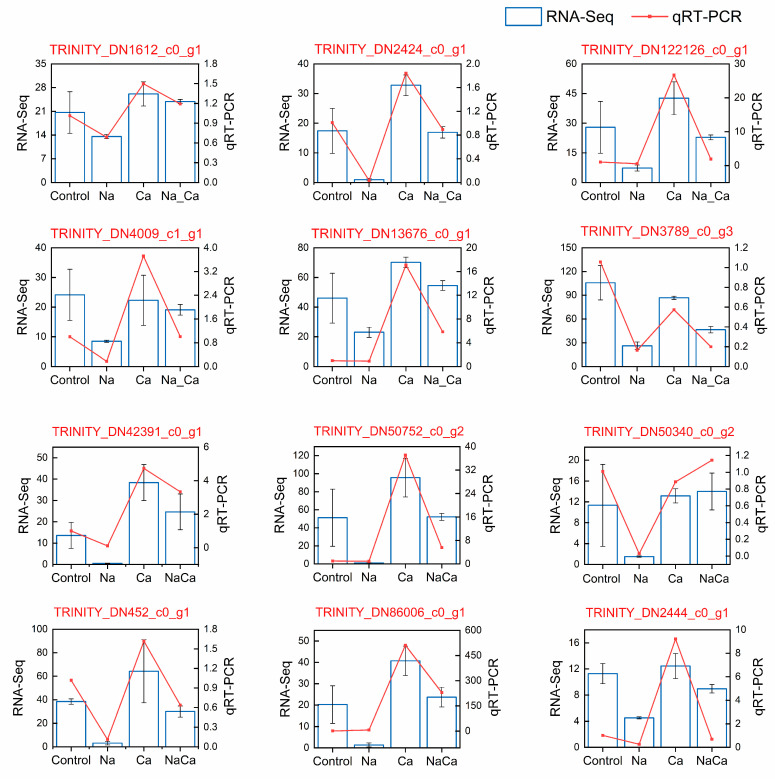 Figure 6
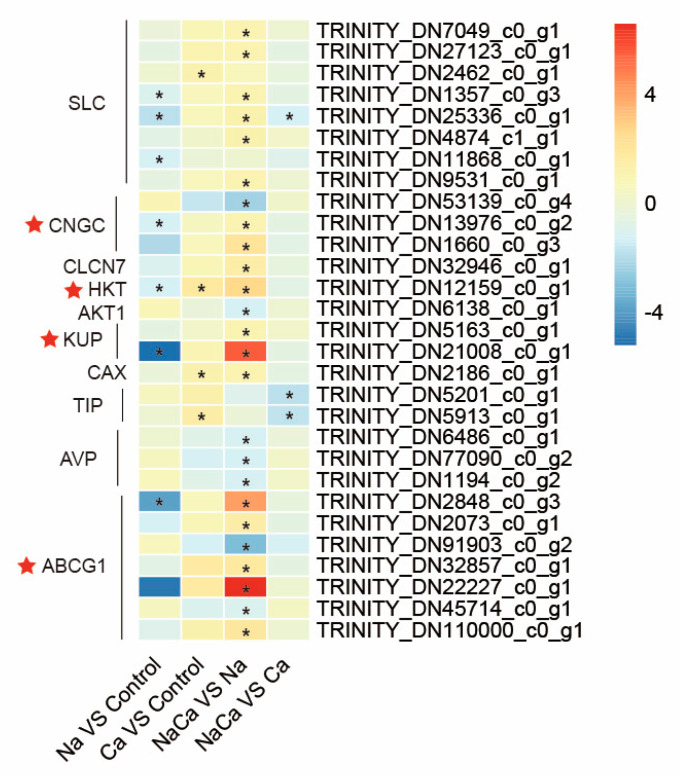 Figure 7
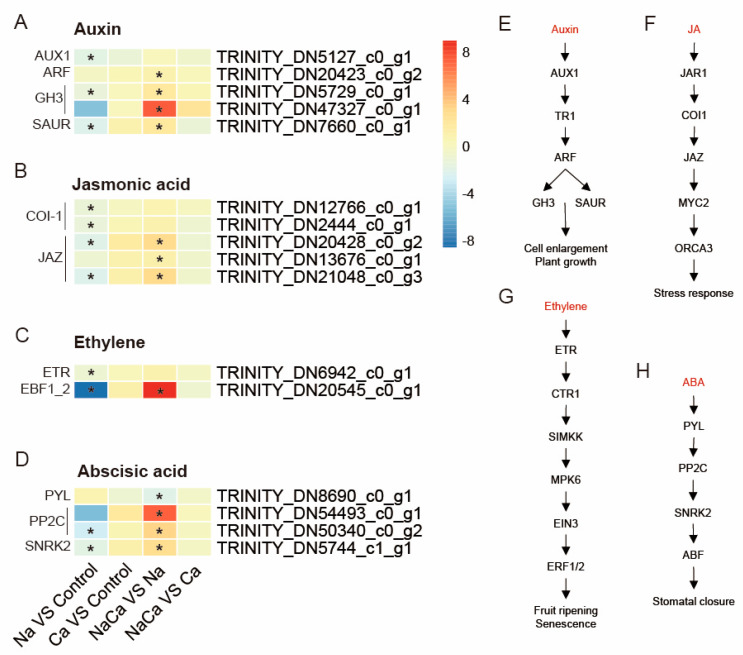 Figure 8
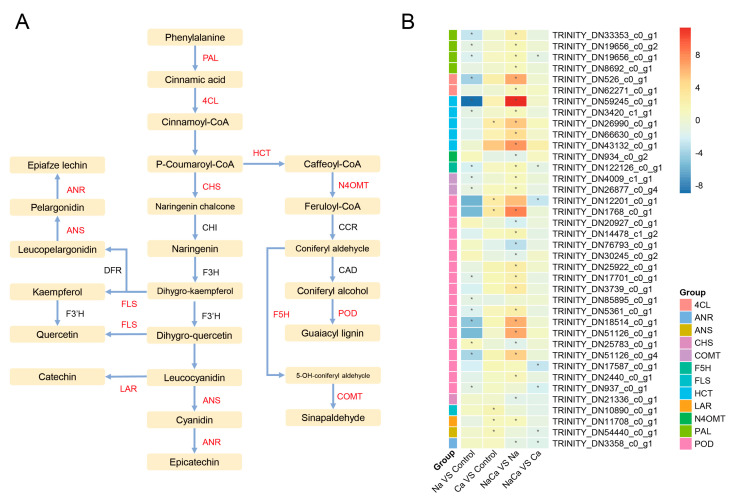 Figure 9
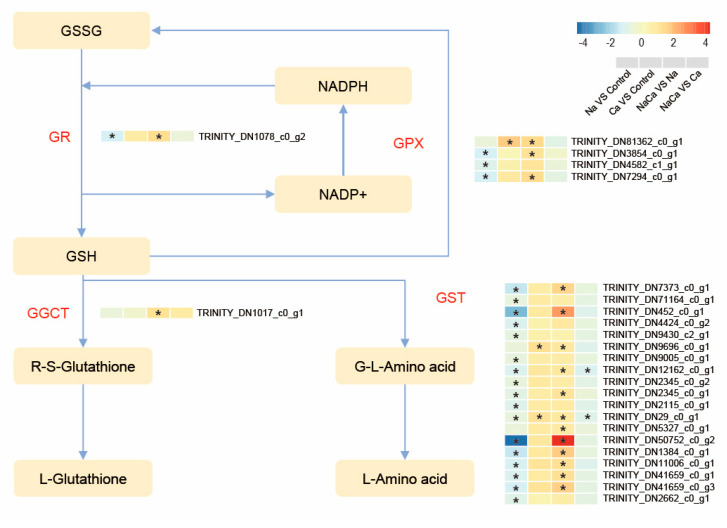 Figure 10
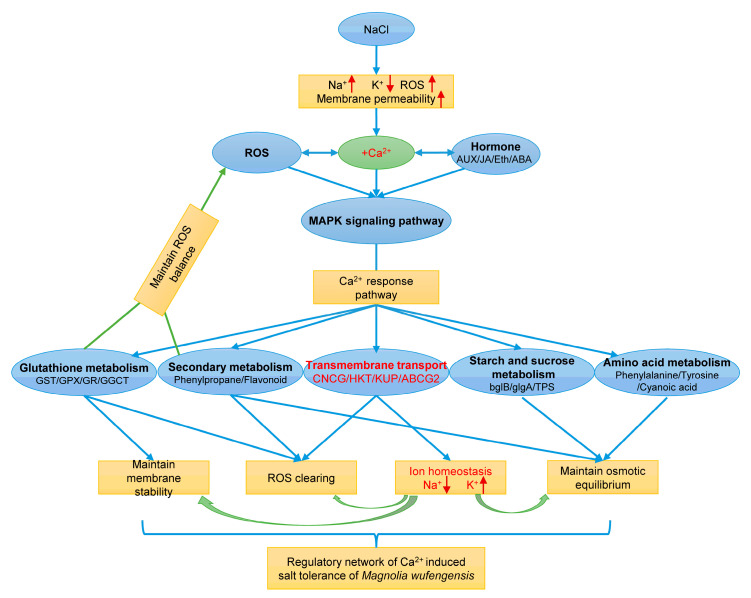 Figure 11
Peer Reviews
No public reviews on file for this paper yet. If you reviewed it on a platform where reviews are public (OpenReview, ICLR, NeurIPS, ICML), you can paste yours below so the community can read it here.
Videos
No videos yet. Explain this paper in a talk, walkthrough, or lecture? Add one.
Taxonomy
TopicsMagnolia and Illicium research · Plant-derived Lignans Synthesis and Bioactivity · Biochemical and biochemical processes