Degenerative Atypia in Clival Chordoma: Two Case Reports
Martha Lilia Tena Suck, Eliezer Villanueva-Castro, Marco Antonio Munuzuri-Camacho, Rebeca Hernández Reséndiz, Samuel Ismael Juárez-Cruz, Oriana Carolina Garcia-Diaz, Jose Alfredo Castro-Ibanez

TL;DR
This paper presents two cases of chordoma treated with surgery and radiation, showing different effects based on radiation type.
Contribution
The study highlights the effectiveness of carbon ion therapy in controlling chordoma with fewer side effects.
Findings
Carbon ion therapy leads to necrosis and fibrosclerosis in chordoma.
Classical radiation results in cellular atypia and fibrosis.
Carbon ion therapy may offer better tumor control with minimal side effects.
Abstract
In this study, we report surgical management combined with radiotherapy in two patients with typical chordoma. Different types of radiation have varied effects on chordomas when they are radiated. Classical cases display cellular atypia and fibrosis following irradiation, while necrosis and fibrosclerosis are observed after carbon ion therapy, implying that it is possible to control the tumor more effectively using carbon ion therapy with minimal side effects.
Genes, proteins, chemicals, diseases, species, mutations and cell lines named across the full text — each resolved to its canonical identifier and authoritative record.
Click any figure to enlarge with its caption.
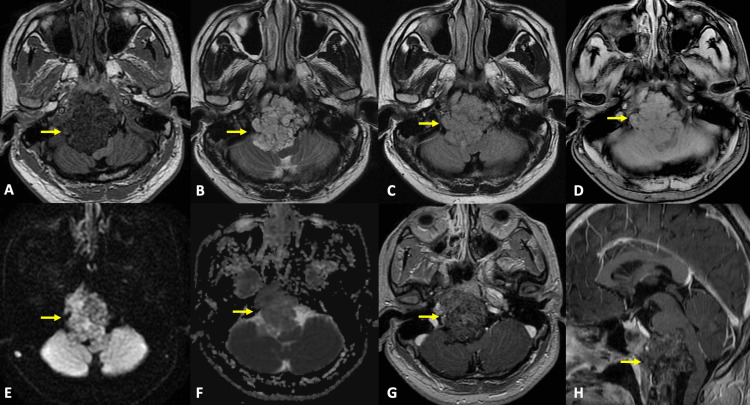 Figure 1
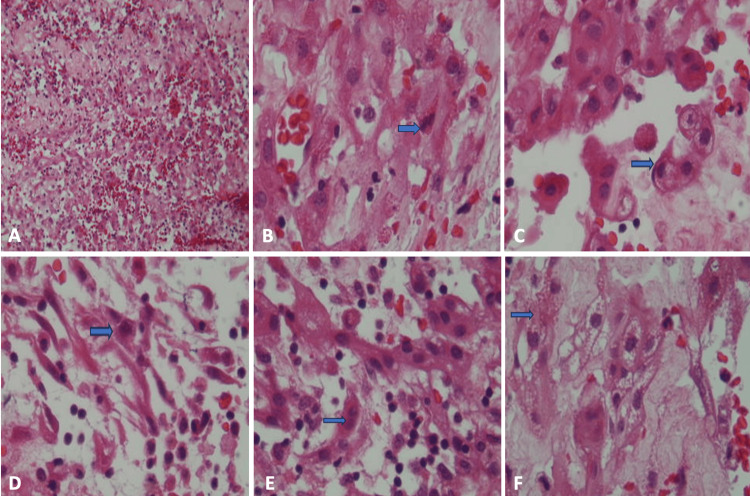 Figure 2
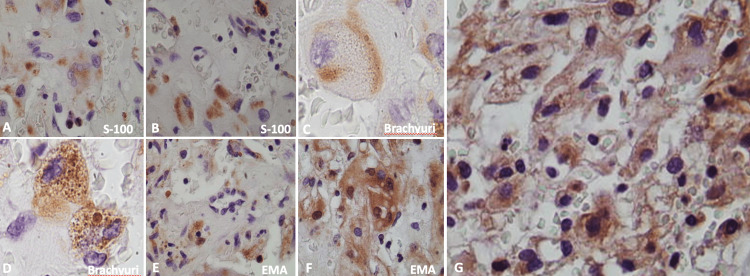 Figure 3
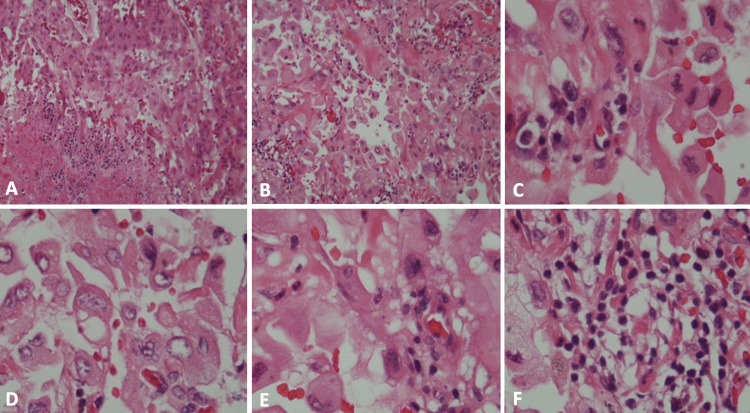 Figure 4
Peer Reviews
No public reviews on file for this paper yet. If you reviewed it on a platform where reviews are public (OpenReview, ICLR, NeurIPS, ICML), you can paste yours below so the community can read it here.
Videos
No videos yet. Explain this paper in a talk, walkthrough, or lecture? Add one.
Taxonomy
TopicsBone Tumor Diagnosis and Treatments · Oral and Maxillofacial Pathology · Sarcoma Diagnosis and Treatment