Behavioural Responses of Tropical Bed Bug Cimex hemipterus (F.) (Hemiptera: Cimicidae) to Coloured Harbourage
Abd Hafis Abd Rahim, Abdul Hafiz Ab Majid

TL;DR
This study explores how tropical bed bugs choose colored shelters, finding they prefer red and black over white, which could help in developing better control methods.
Contribution
The study reveals specific color preferences of tropical bed bugs for shelter and oviposition, offering insights for improved pest control strategies.
Findings
Tropical bed bugs strongly prefer red and black colored harbourages over white ones.
Female bed bugs prefer laying eggs on red-colored harbourages compared to black ones.
Red-colored harbourages resulted in the highest population size of tropical bed bugs during rearing experiments.
Abstract
Population of the tropical bed bug Cimex hemipterus (F.) (Hemiptera: Cimicidae), a temporary ectoparasite on both humans and animals, have surged in many tropical countries. Tropical bed bugs preferences when selecting a suitable harbourage and oviposition site were investigated. Two-choice and three choice colour assays were conducted to determine whether bed bugs will choose black, red or white coloured harbourages. Then, 50 1st instar were reared in containers containing black, red and white (control) paper served as the harbourages and observed for 12 weeks. Both fed and starve male, female and nymph strongly preferred red and black coloured harbourage compared to white coloured harbourage. Oviposition assays showed that female bed bugs prefered to laid their eggs on red coloured harbourages compared to black coloured harbourages. Rearing experiment showed that there was no…
Genes, proteins, chemicals, diseases, species, mutations and cell lines named across the full text — each resolved to its canonical identifier and authoritative record.
Click any figure to enlarge with its caption.
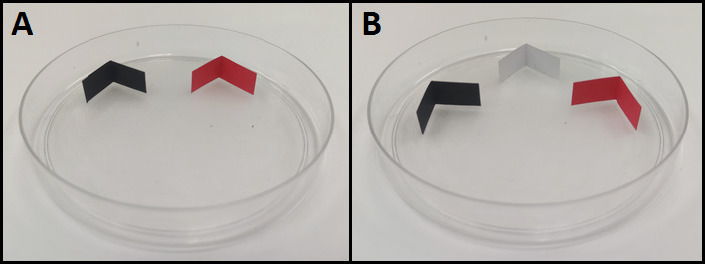 Figure 1
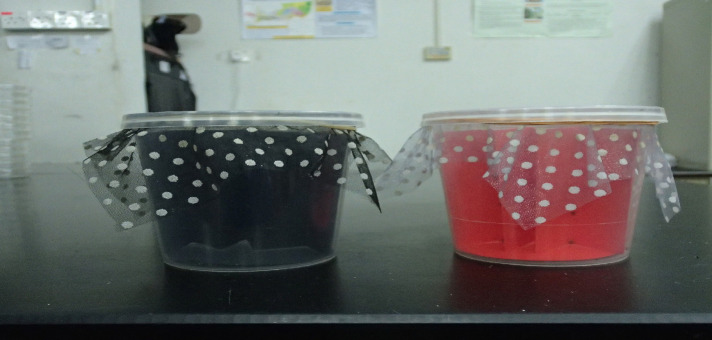 Figure 2
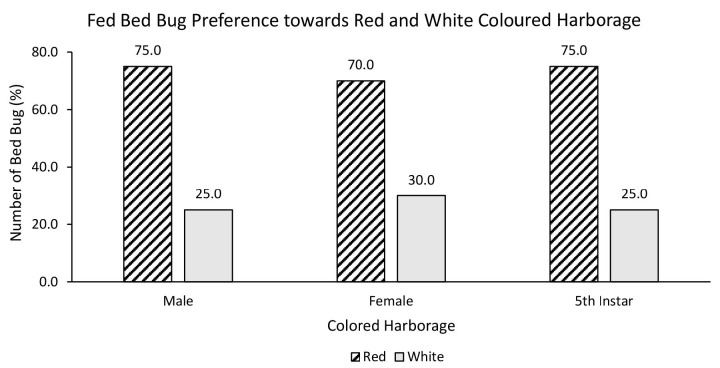 Figure 3
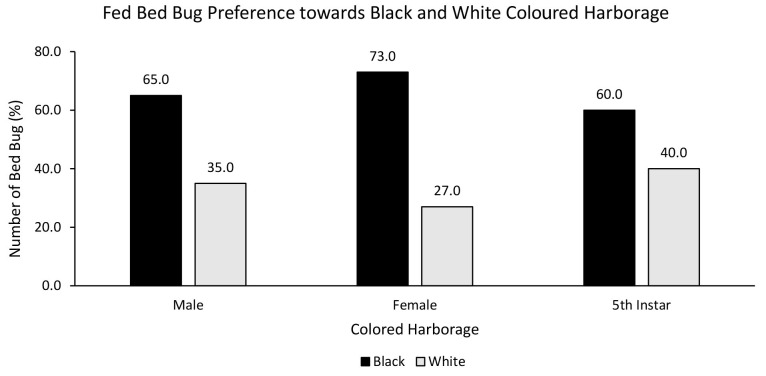 Figure 4
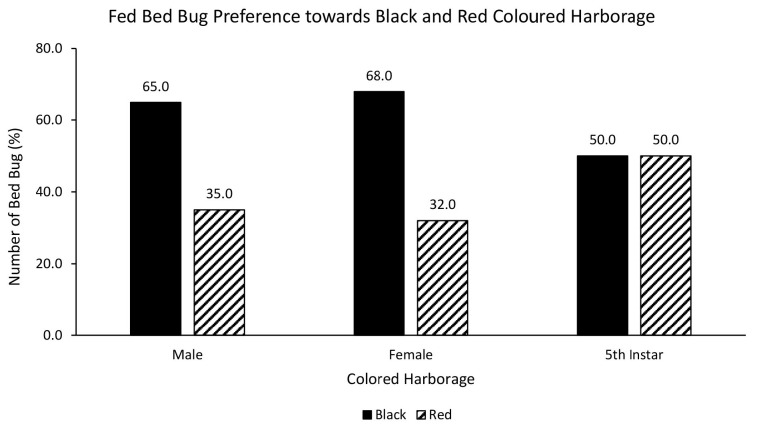 Figure 5
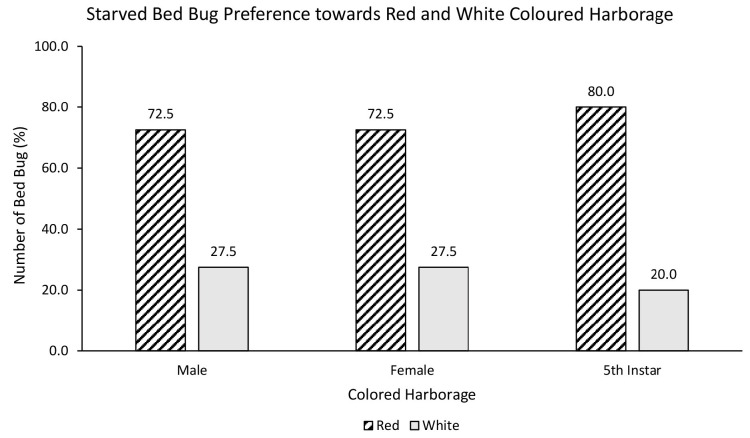 Figure 6
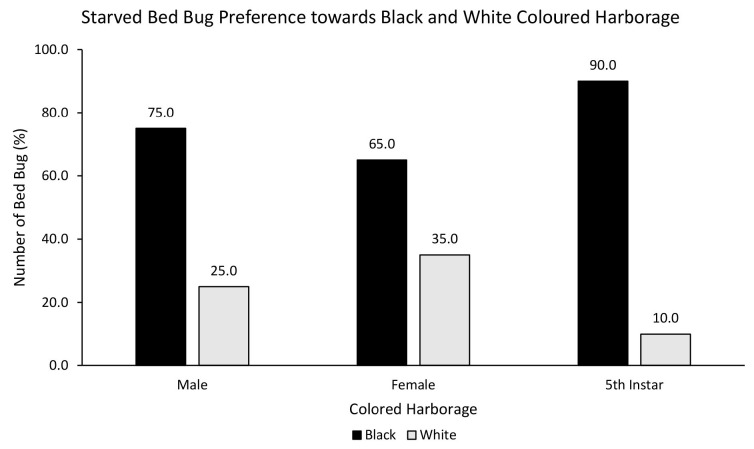 Figure 7
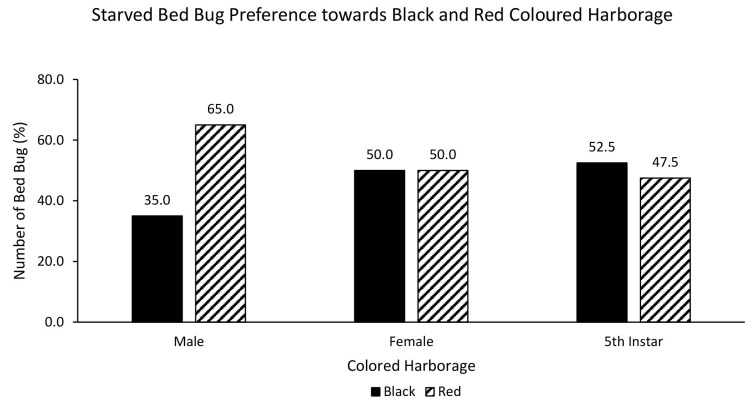 Figure 8
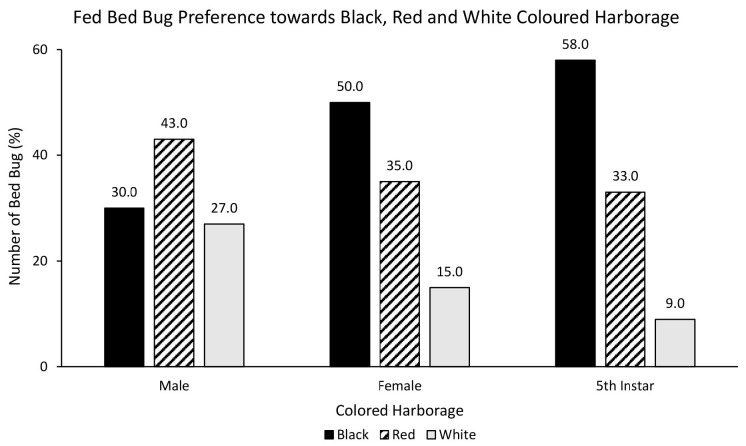 Figure 9
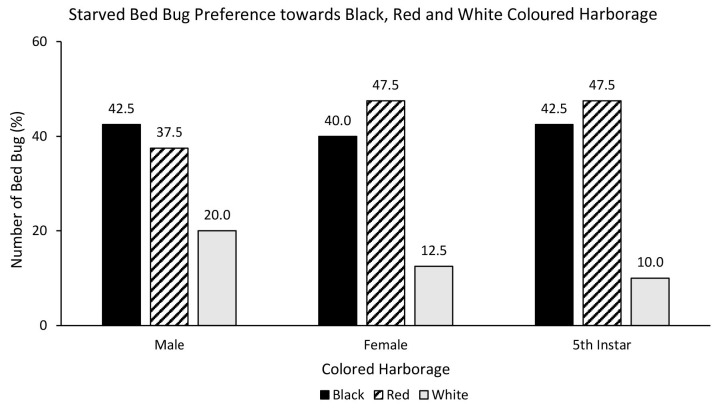 Figure 10
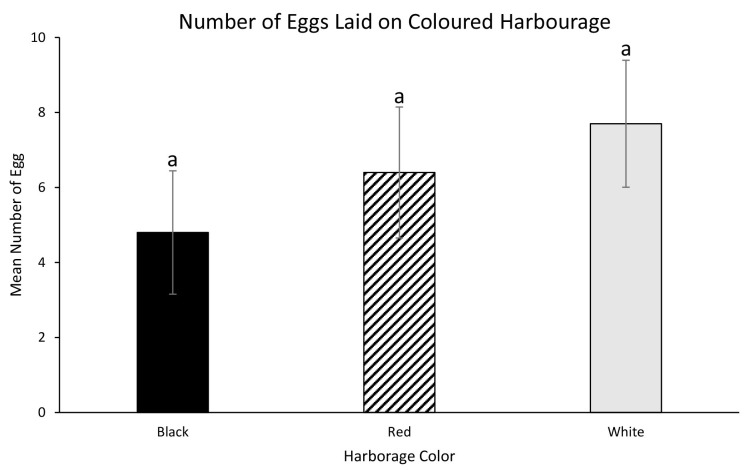 Figure 11
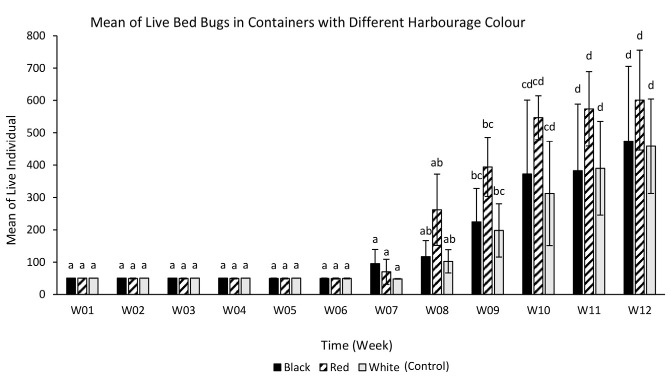 Figure 12
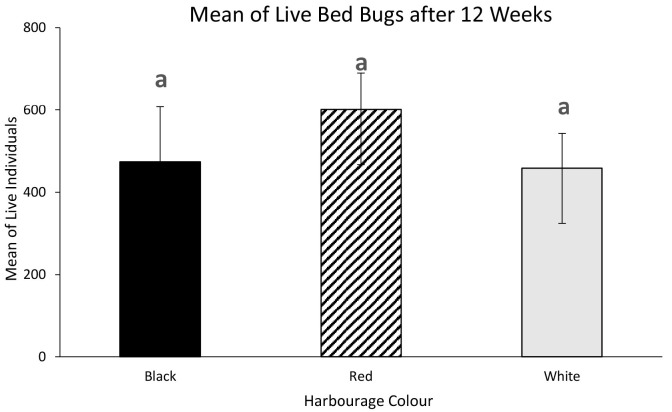 Figure 13
Peer Reviews
No public reviews on file for this paper yet. If you reviewed it on a platform where reviews are public (OpenReview, ICLR, NeurIPS, ICML), you can paste yours below so the community can read it here.
Videos
No videos yet. Explain this paper in a talk, walkthrough, or lecture? Add one.
Taxonomy
TopicsDermatological diseases and infestations · Insects and Parasite Interactions · Body Image and Dysmorphia Studies