Identification of differentially expressed genes, pathways, and immune infiltration in diabetes
Ying Liang, ShuXiang Wei, Xing Peng, QiLing Feng, LingLing Li, DieFei Liang, HongShi Wu, XiaoYun Zhang, ChuLin Huang, YongQing Lin

TL;DR
This study identifies genes and immune cell changes in Type 2 Diabetes, offering insights into its molecular mechanisms and potential treatment targets.
Contribution
The study provides a comprehensive bioinformatic analysis of gene expression and immune infiltration in Type 2 Diabetes.
Findings
Differentially expressed genes are linked to thermogenesis and oxidative phosphorylation pathways in diabetes.
Immune cell infiltration, including M2 macrophages and monocytes, is increased in Type 2 Diabetes samples.
Levels of T-cells and naive B-cells are reduced in diabetes patients compared to healthy controls.
Abstract
•GO enrichment analysis include CC, BP and MF in diabetes.•Most significantly enriched pathways include thermogenesis, oxidative phosphorylation, and chemical carcinogenesis-reactive oxygen species.•The proportion of macrophages M2, CDB T-cells, monocytes, and resting mast cells (M2, T-cells CDB, Monocytes, Mast Cells resting) in samples from T2DM patients is higher and more abundant in diabetes.•The content of T-cells, testing NK cells, naive B-cells, and naive CD4 T-cells is relatively low in diabetes. GO enrichment analysis include CC, BP and MF in diabetes. Most significantly enriched pathways include thermogenesis, oxidative phosphorylation, and chemical carcinogenesis-reactive oxygen species. The proportion of macrophages M2, CDB T-cells, monocytes, and resting mast cells (M2, T-cells CDB, Monocytes, Mast Cells resting) in samples from T2DM patients is higher and more abundant…
Genes, proteins, chemicals, diseases, species, mutations and cell lines named across the full text — each resolved to its canonical identifier and authoritative record.
Click any figure to enlarge with its caption.
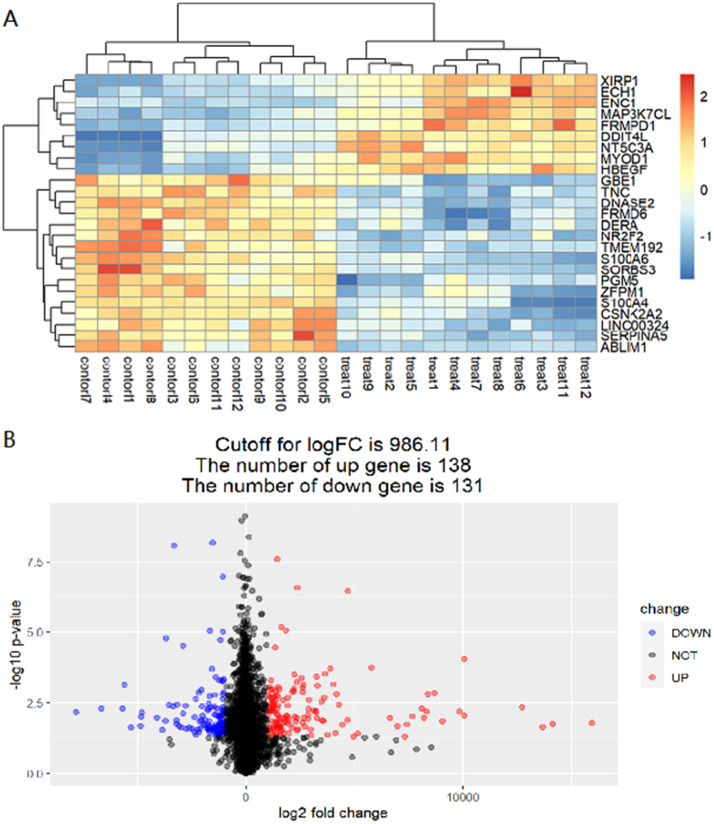 Figure 1
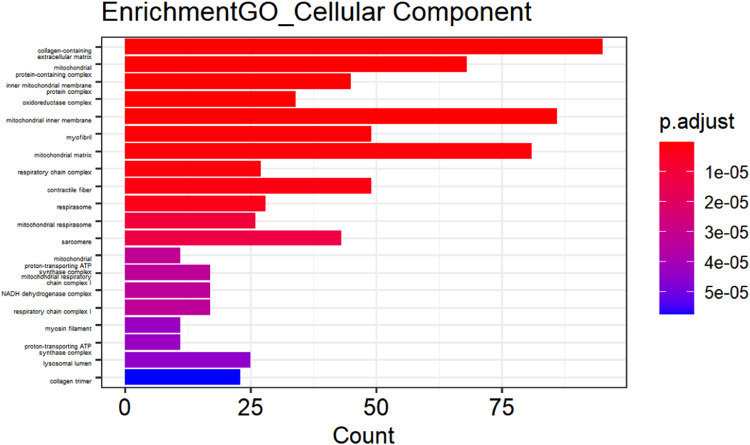 Figure 2
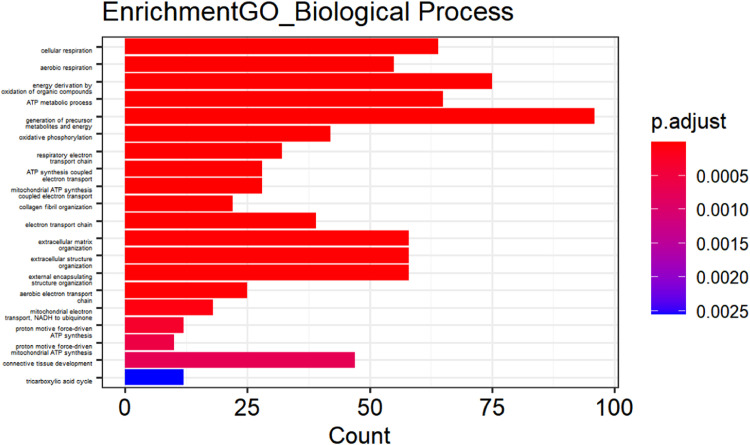 Figure 3
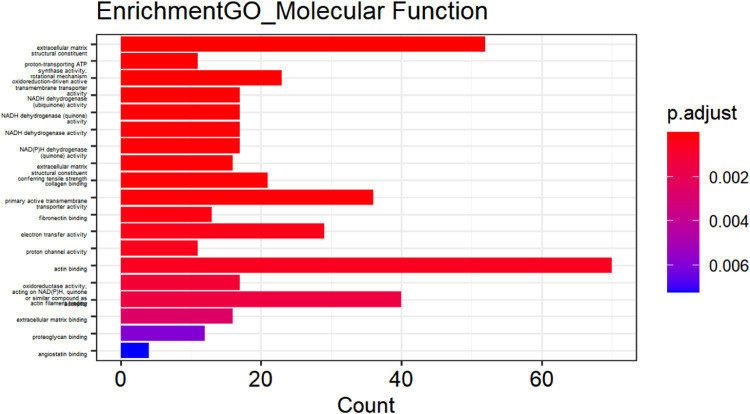 Figure 4
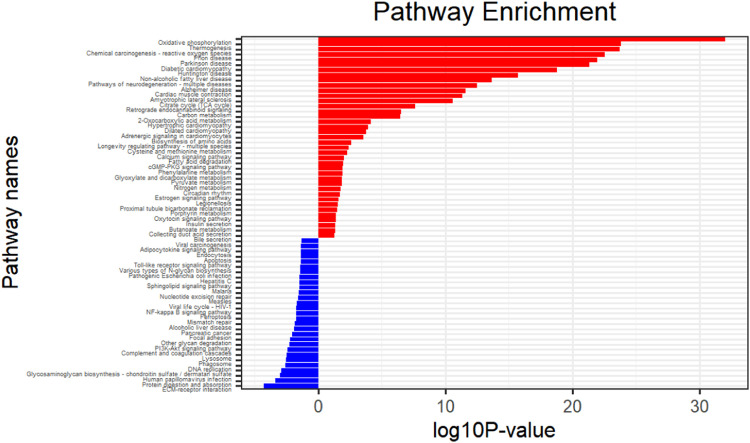 Figure 5
 Figure 6
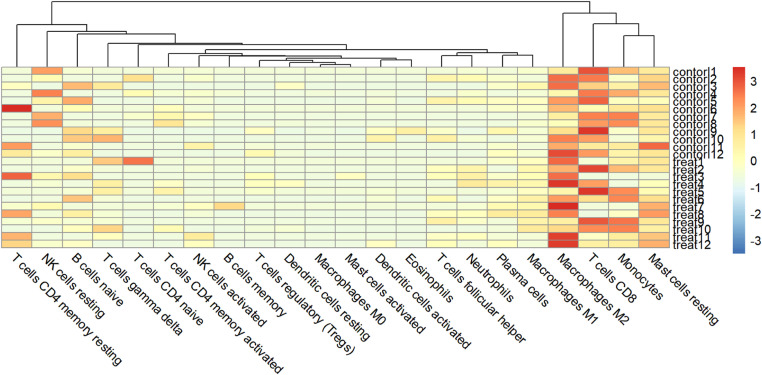 Figure 7
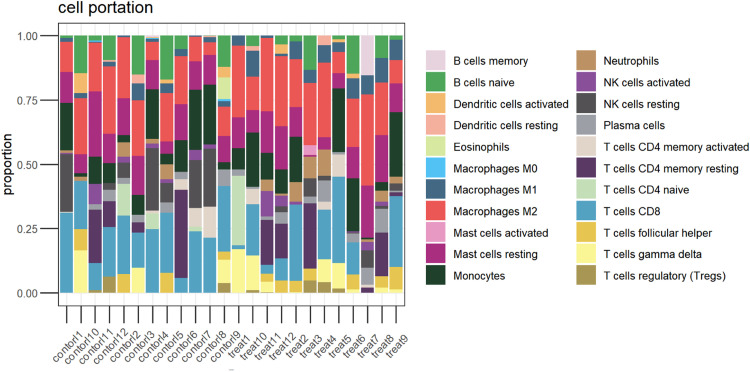 Figure 8
Peer Reviews
No public reviews on file for this paper yet. If you reviewed it on a platform where reviews are public (OpenReview, ICLR, NeurIPS, ICML), you can paste yours below so the community can read it here.
Videos
No videos yet. Explain this paper in a talk, walkthrough, or lecture? Add one.
Taxonomy
TopicsBioinformatics and Genomic Networks · Diabetes and associated disorders · Genetic Associations and Epidemiology