Implementing a multi-cycle datapath with Liquid Marbles
Sandro Erba, Luca Cavenaghi, Claudio Zandron, Libo Huang, Libo Huang, Libo Huang

TL;DR
This paper explores using liquid marbles as components in a theoretical multi-cycle datapath and addresses scalability challenges.
Contribution
The paper presents a novel theoretical framework for implementing a multi-cycle datapath using liquid marbles.
Findings
A theoretical model for implementing a multi-cycle datapath using liquid marbles is proposed.
Scalability issues and potential solutions for expanding circuits with increasing input size are discussed.
Strategies to manage time and space complexity in liquid marble-based circuits are considered.
Abstract
Liquid Marbles are liquid droplets encapsulated by hydrophobic powder particles; due to their non-wetting nature, they allow to manipulate liquids efficiently. Literature highlighted their potential to be employed as micro-reactors, micro-containers for growing micro-organisms and cells, micro-fluidics devices, and have also been used in the framework of unconventional computing. In this work, we discuss a theoretical implementation of all required components to define a multi-cycle datapath based on Liquid Marbles. Then, we consider issues related to scalability, by discussing how the circuits can be expanded with the growth of the inputs, and also how they can be modified to overcome the issues related to the growing time and space complexity.
Genes, proteins, chemicals, diseases, species, mutations and cell lines named across the full text — each resolved to its canonical identifier and authoritative record.
Click any figure to enlarge with its caption.
 Figure 1
 Figure 2
 Figure 3
 Figure 4
 Figure 5
 Figure 6
 Figure 7
 Figure 8
 Figure 9
 Figure 10
 Figure 11
 Figure 12
 Figure 13
 Figure 14
 Figure 15
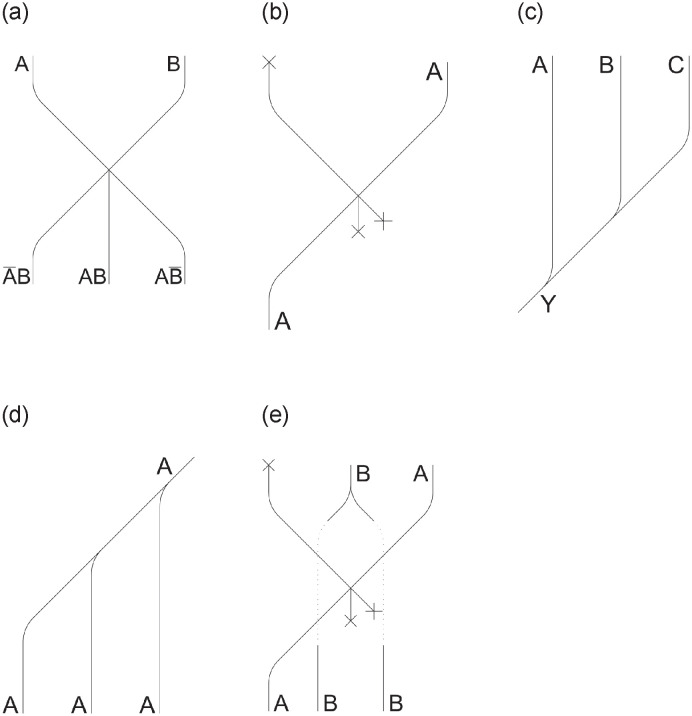 Figure 16
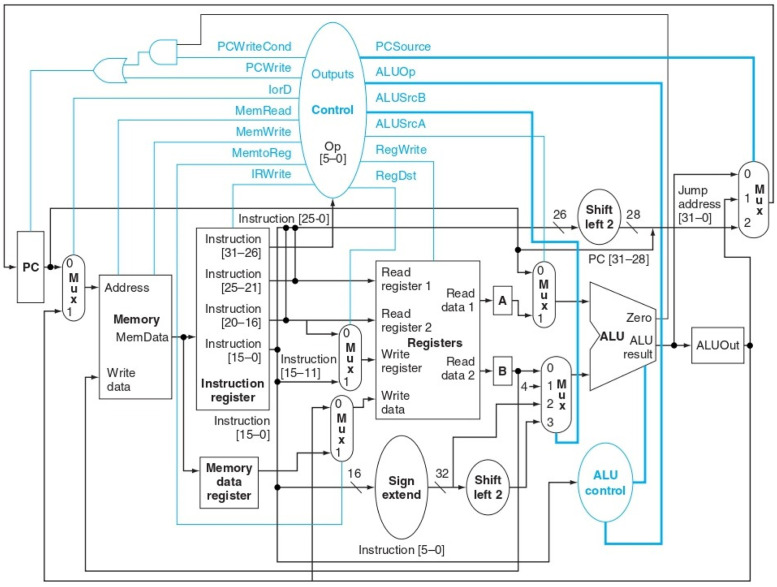 Figure 17
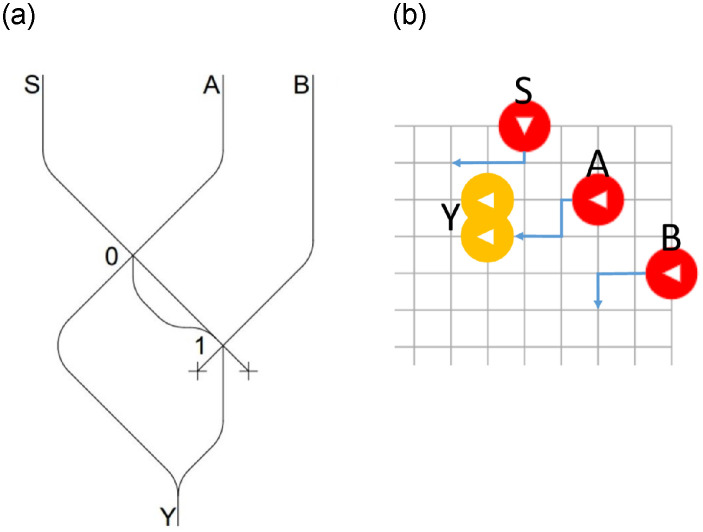 Figure 18
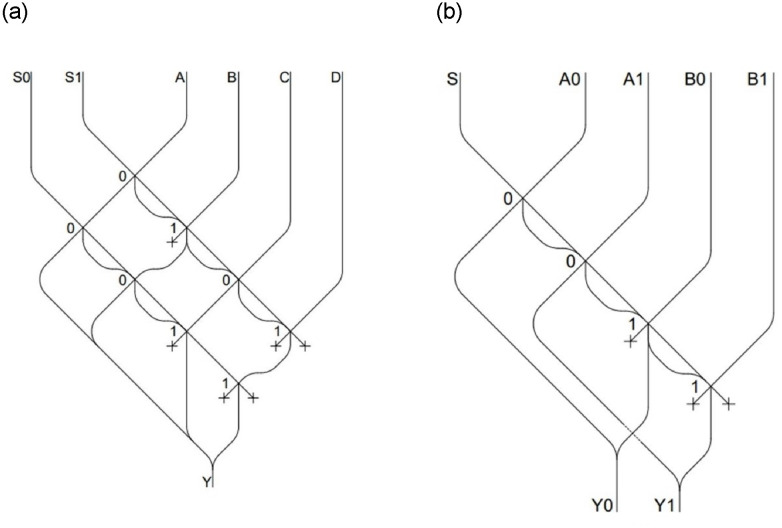 Figure 19
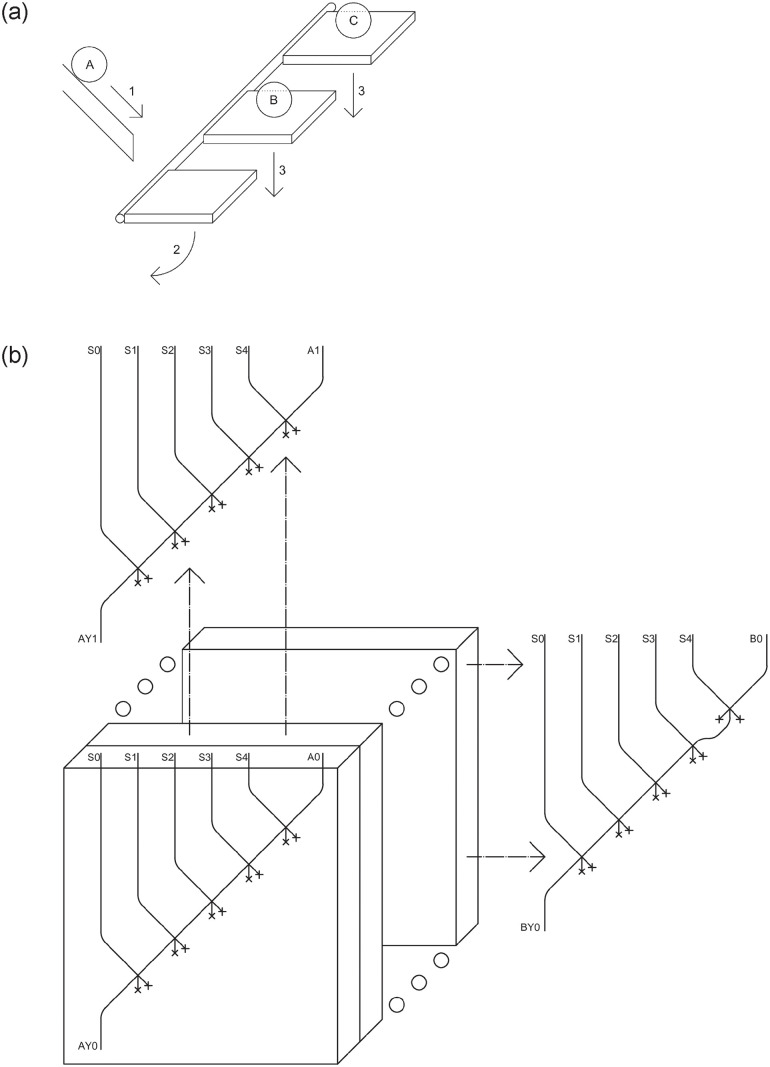 Figure 20
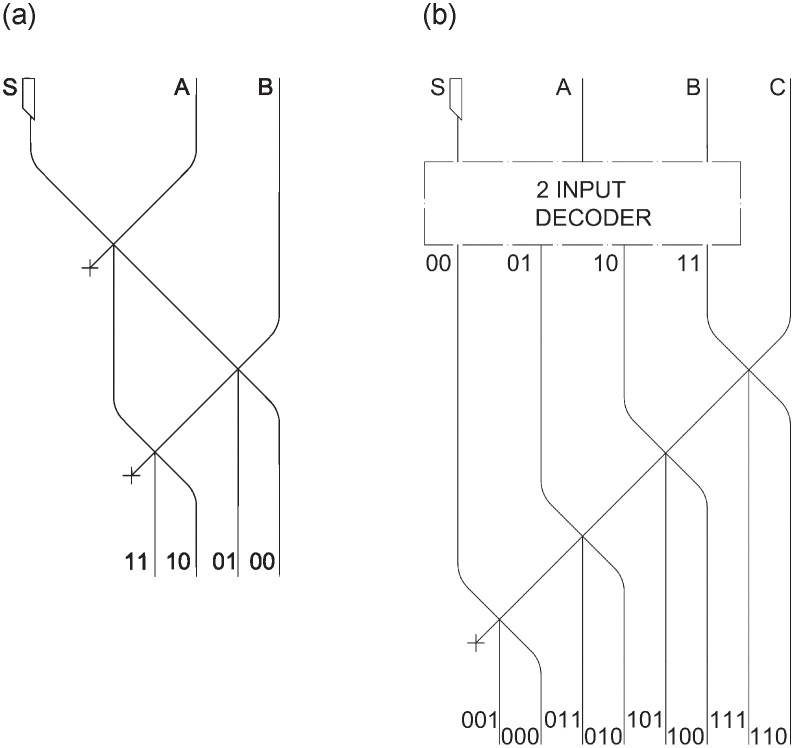 Figure 21
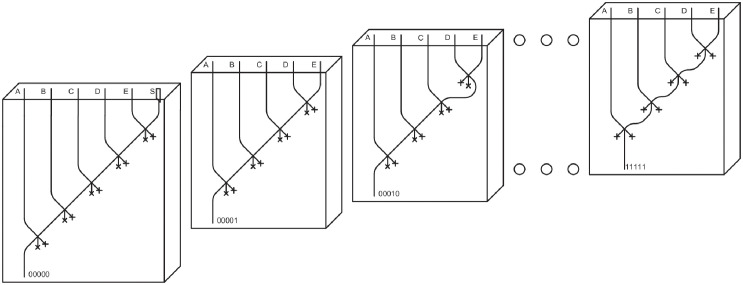 Figure 22
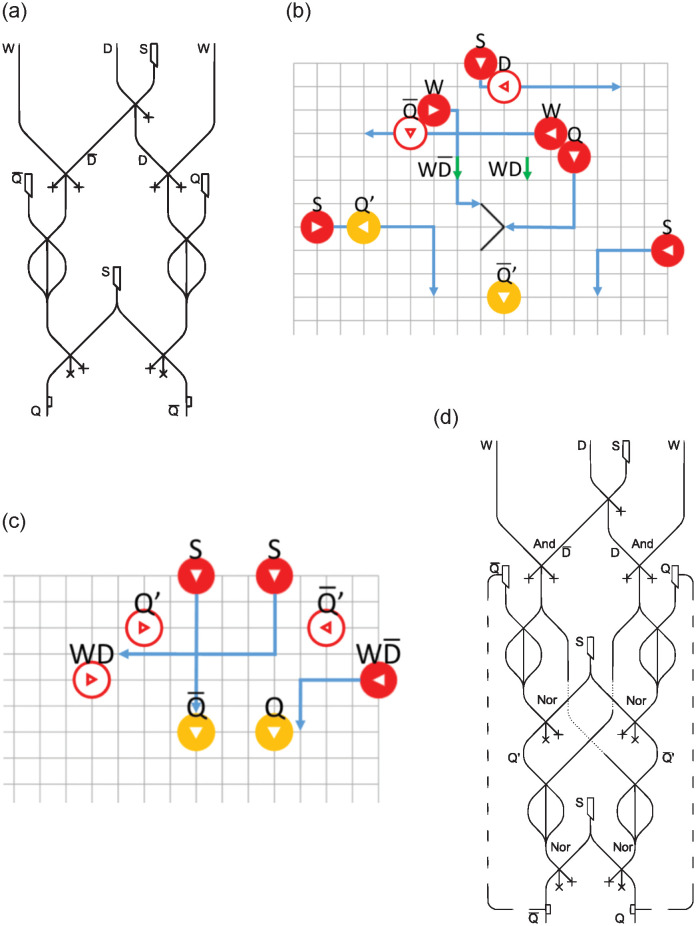 Figure 23
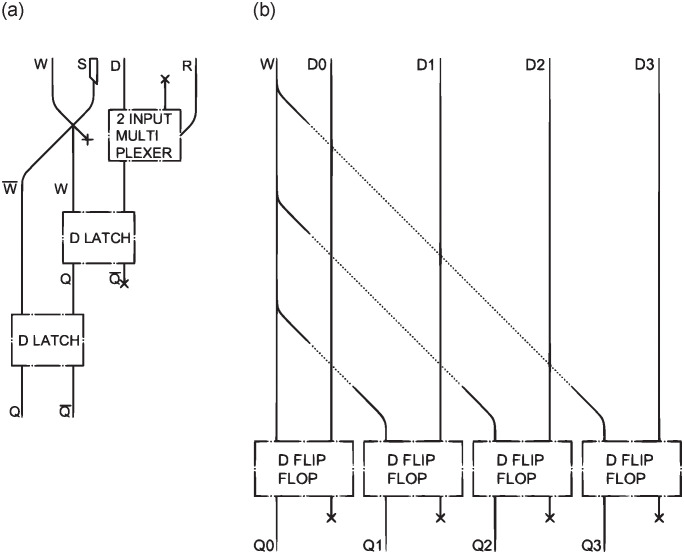 Figure 24
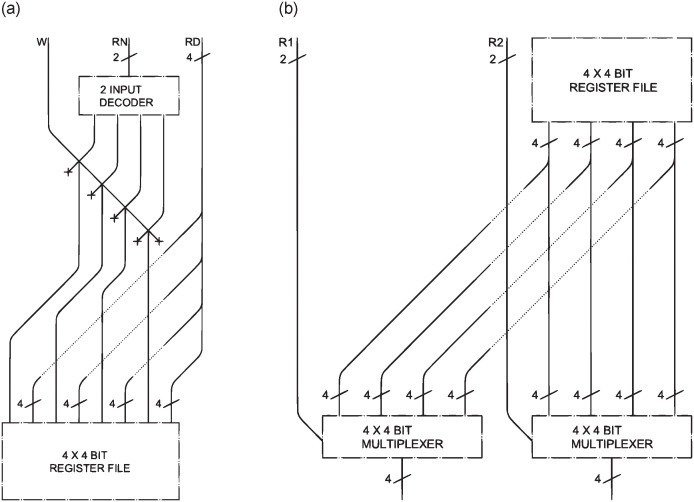 Figure 25
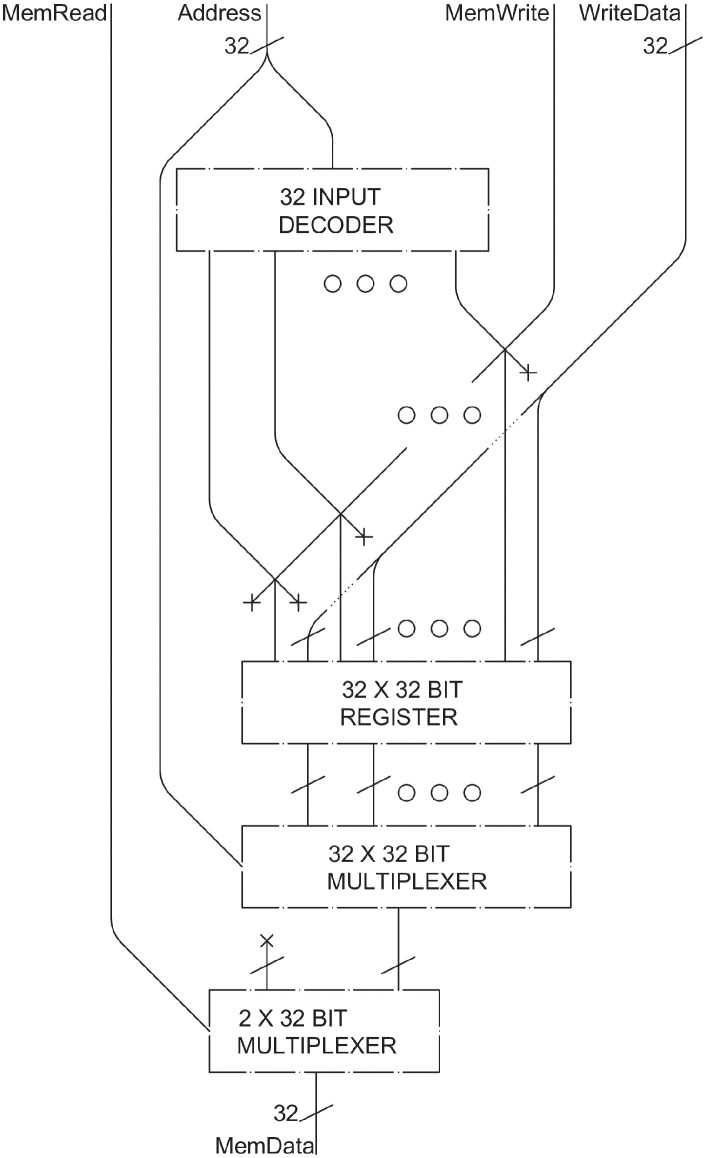 Figure 26
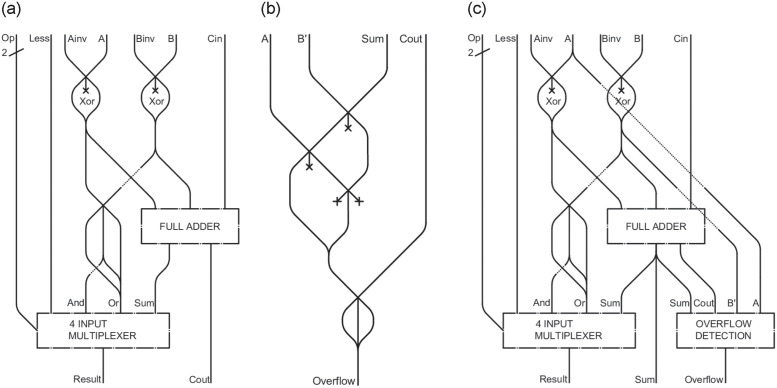 Figure 27
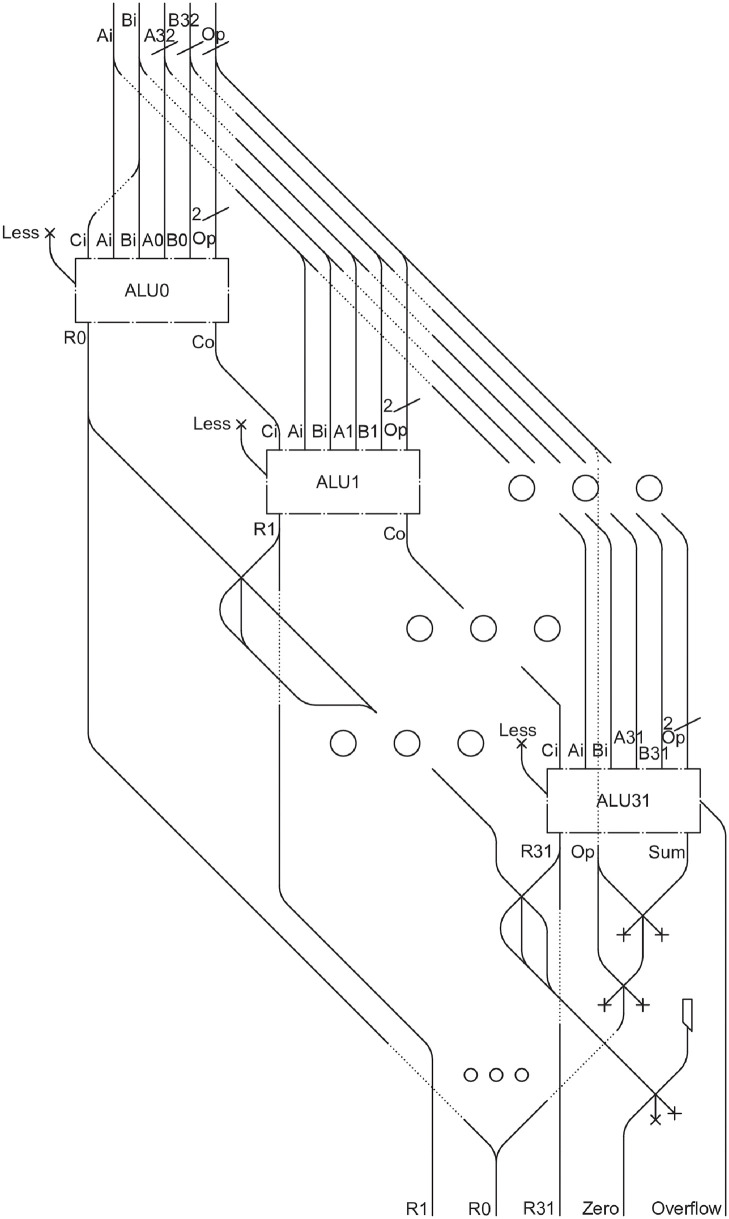 Figure 28
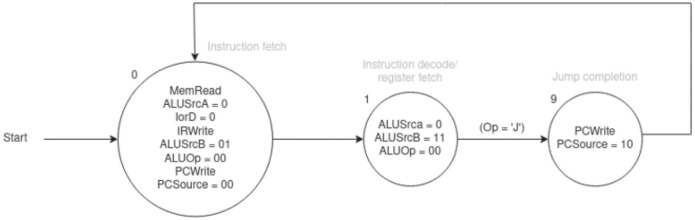 Figure 29
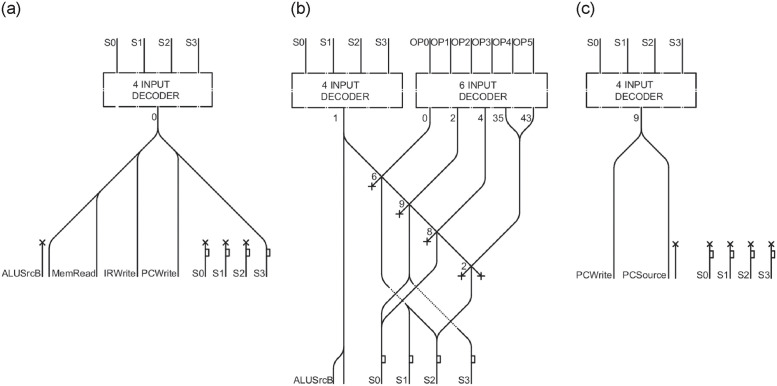 Figure 30
 Figure 31
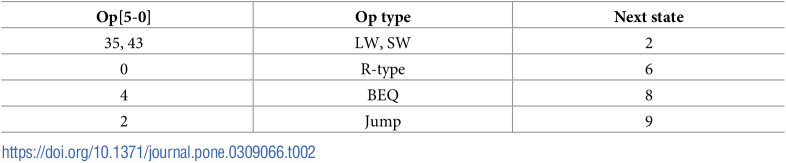 Figure 32
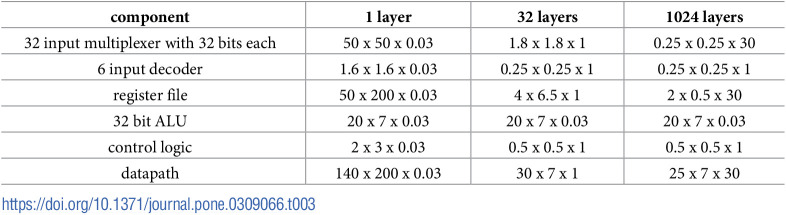 Figure 33
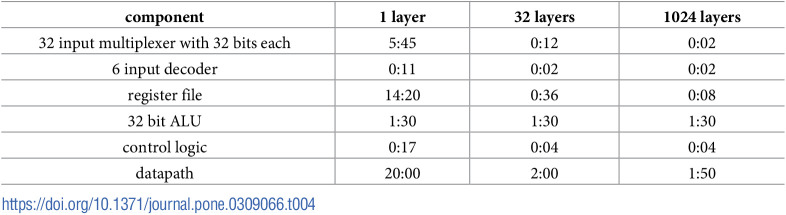 Figure 34
Peer Reviews
No public reviews on file for this paper yet. If you reviewed it on a platform where reviews are public (OpenReview, ICLR, NeurIPS, ICML), you can paste yours below so the community can read it here.
Videos
No videos yet. Explain this paper in a talk, walkthrough, or lecture? Add one.
Taxonomy
TopicsPickering emulsions and particle stabilization · Innovative Microfluidic and Catalytic Techniques Innovation · Modular Robots and Swarm Intelligence