Validation of dual-energy CT-based composition analysis using fresh animal tissues and composition-optimized tissue equivalent samples
Katharina Niepel, Sebastian Tattenberg, Raanan Marants, Guyue Hu, Thomas Bortfeld, Joost Verburg, Atchar Sudhyadhom, Guillaume Landry, Katia Parodi

TL;DR
This study validates a dual-energy CT method for estimating tissue composition, which could improve proton therapy accuracy by reducing range uncertainties.
Contribution
The study introduces a validated DECT-based method for estimating elemental composition in tissues, showing better accuracy than standard methods.
Findings
DECT estimates of carbon and oxygen content in soft tissues had root-mean-square errors of 8.5 wt% and 9.5 wt% compared to chemical analysis.
Phosphorus and calcium content predictions were accurate within 0.4 wt% and 1.1 wt% of chemical analysis results.
The method performed best for tissues with compositions close to tabulated values and less inhomogeneous samples.
Abstract
Objective. Proton therapy allows for highly conformal dose deposition, but is sensitive to range uncertainties. Several approaches currently under development measure composition-dependent secondary radiation to monitor the delivered proton range in-vivo. To fully utilize these methods, an estimate of the elemental composition of the patient’s tissue is often needed. Approach. A published dual-energy computed tomography (DECT)-based composition-extraction algorithm was validated against reference compositions obtained with two independent methods. For this purpose, a set of phantoms containing either fresh porcine tissue or tissue-mimicking samples with known, realistic compositions were imaged with a CT scanner at two different energies. Then, the prompt gamma-ray (PG) signal during proton irradiation was measured with a PG detector prototype. The PG workflow used pre-calculated Monte…
Genes, proteins, chemicals, diseases, species, mutations and cell lines named across the full text — each resolved to its canonical identifier and authoritative record.
Click any figure to enlarge with its caption.
 Figure 1
 Figure 2
 Figure 3
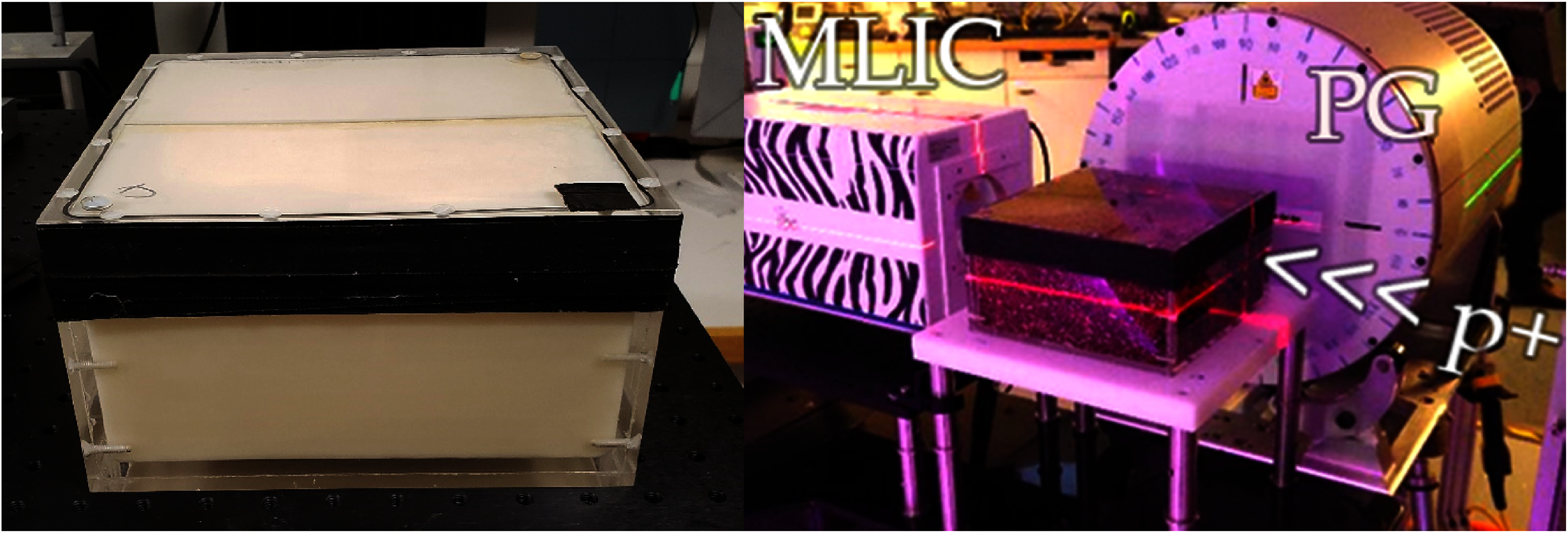 Figure 4
 Figure 5
 Figure 6
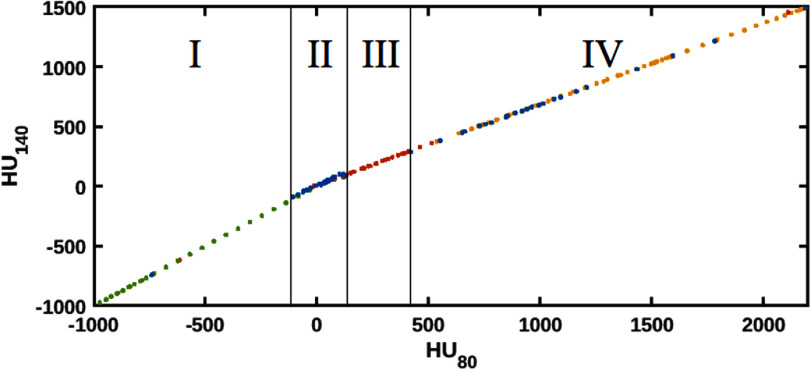 Figure 7
 Figure 8
 Figure 9
 Figure 10
 Figure 11
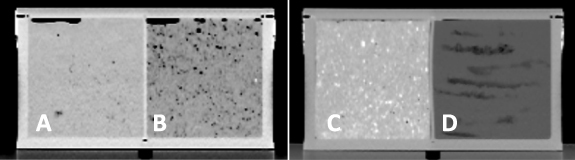 Figure 12
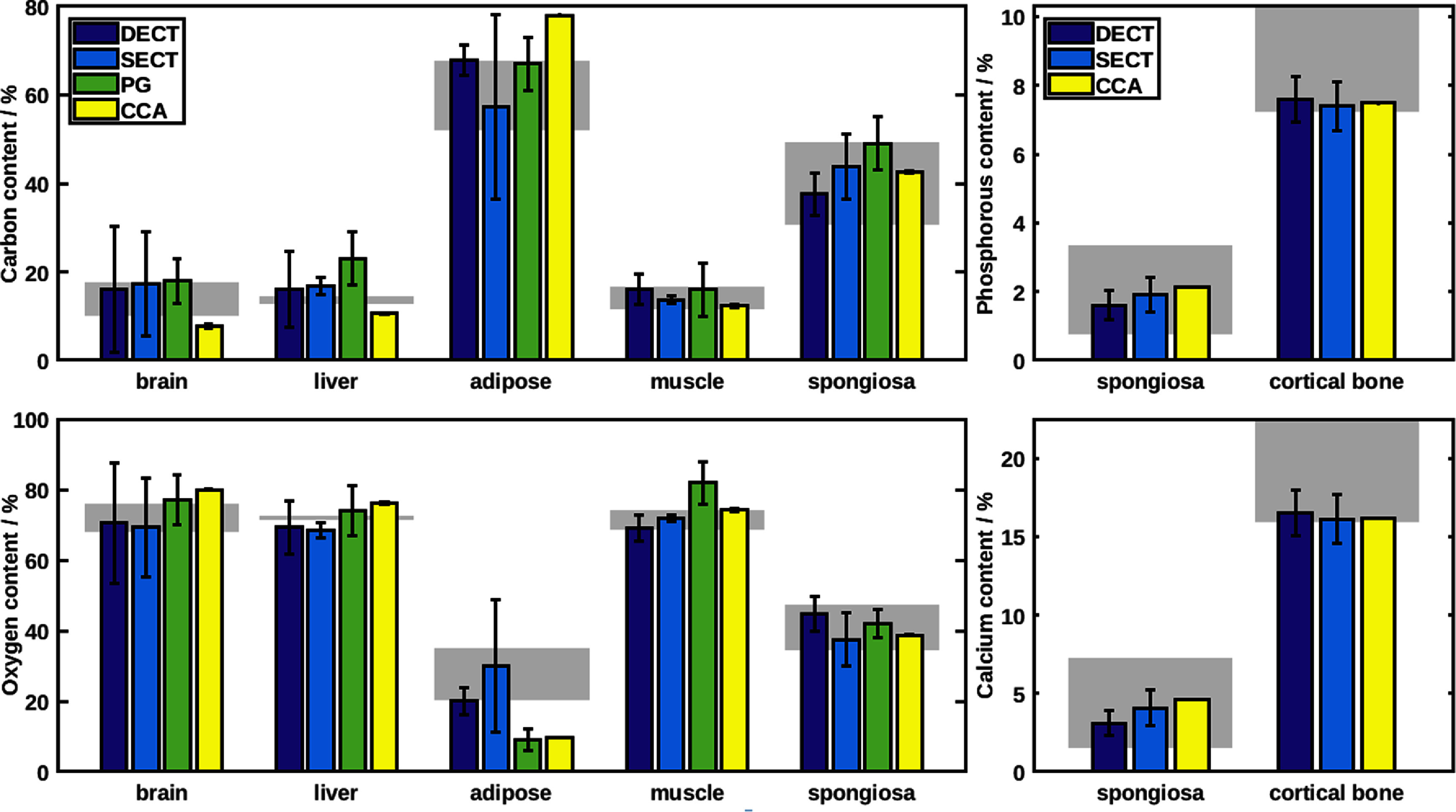 Figure 13
 Figure 14
 Figure 15
 Figure 16
 Figure 17
 Figure 18
 Figure 19
 Figure 20
 Figure 21
 Figure 22
 Figure 23
 Figure 24
 Figure 25
 Figure 26
 Figure 27
 Figure 28
 Figure 29
Peer Reviews
No public reviews on file for this paper yet. If you reviewed it on a platform where reviews are public (OpenReview, ICLR, NeurIPS, ICML), you can paste yours below so the community can read it here.
Videos
No videos yet. Explain this paper in a talk, walkthrough, or lecture? Add one.
Taxonomy
TopicsGlobal Peace and Security Dynamics