Tricyclic Antidepressant and Antipsychotic Toxicity: Clomipramine and Ziprasidone Overdose
Nikolas P Foresteire, Cory Howard, Kirk Szustkiewicz

TL;DR
A case report describes a severe overdose involving tricyclic antidepressants and antipsychotics, highlighting the toxic effects and successful treatment.
Contribution
The report emphasizes the rapid onset and amplification of toxicity from combined drug overdose.
Findings
Overdose with clomipramine and ziprasidone caused severe neurological, pulmonary, and cardiac effects.
Toxic effects peaked within six hours and were managed successfully with poison control guidance.
Co-ingestion amplified clinical toxidromes, underscoring the risks of combined drug overdose.
Abstract
This case report details an intentional overdose attempt utilizing tricyclic antidepressants (TCAs) and atypical antipsychotics with significant neurologic, pulmonary, and cardiac toxicity. In conjunction with the local poison control center, progression of the clinical toxidrome was anticipated, aggressively managed, and successfully treated. This case highlights the dangers of significant TCA toxicity, peak onset of toxicity within six hours, and the amplification of clinical toxidromes with co-ingestions.
Genes, proteins, chemicals, diseases, species, mutations and cell lines named across the full text — each resolved to its canonical identifier and authoritative record.
Click any figure to enlarge with its caption.
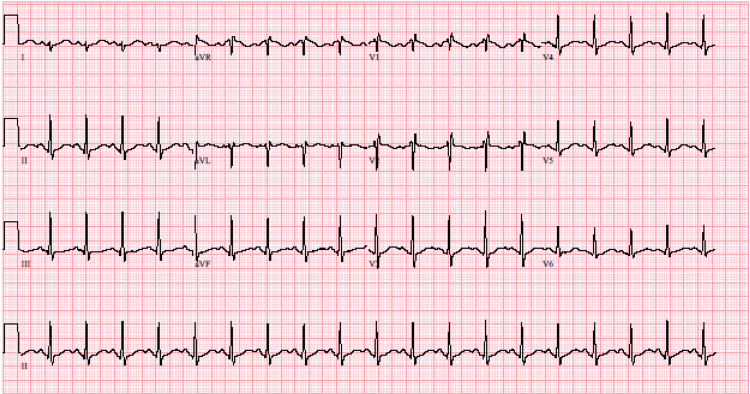 Figure 1
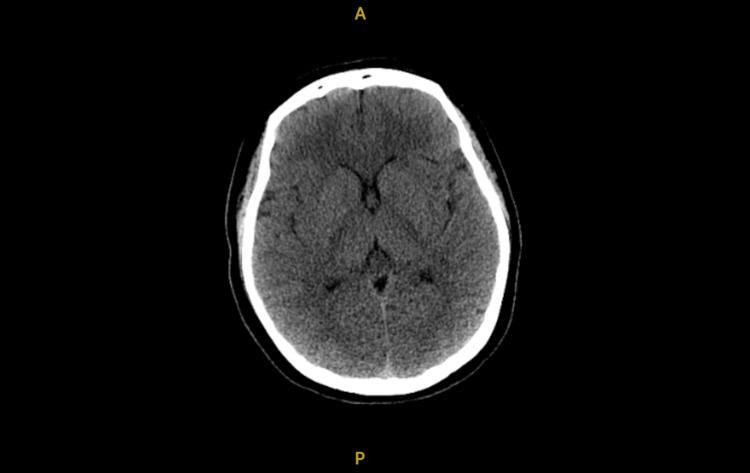 Figure 2
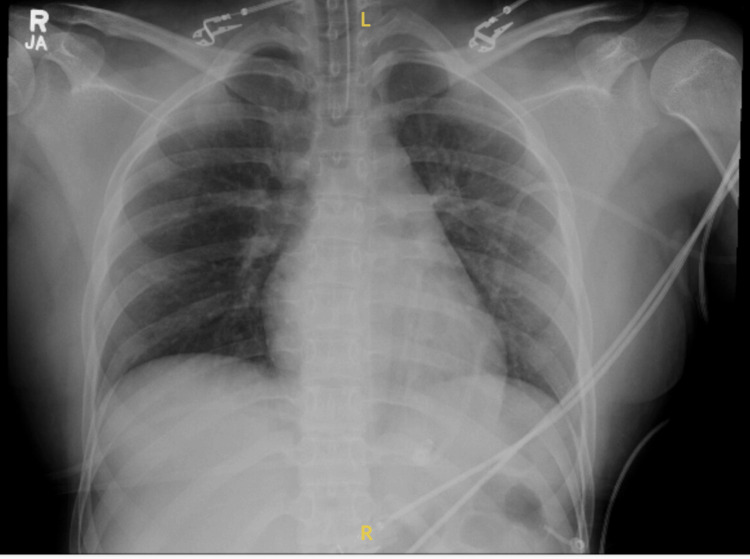 Figure 3
Peer Reviews
No public reviews on file for this paper yet. If you reviewed it on a platform where reviews are public (OpenReview, ICLR, NeurIPS, ICML), you can paste yours below so the community can read it here.
Videos
No videos yet. Explain this paper in a talk, walkthrough, or lecture? Add one.
Taxonomy
TopicsPoisoning and overdose treatments · Electroconvulsive Therapy Studies · Cardiac electrophysiology and arrhythmias