Unlocking the Bioactive Potential and Exploring Novel Applications for Portuguese Endemic Santolina impressa
Jorge M. Alves-Silva, Sónia Pedreiro, Mónica Zuzarte, Maria Teresa Cruz, Artur Figueirinha, Lígia Salgueiro

TL;DR
This study explores the chemical and bioactive properties of Santolina impressa, a Portuguese plant, revealing its anti-inflammatory and skin-related benefits.
Contribution
The study identifies new bioactive properties of Santolina impressa relevant to pharmaceutical and dermocosmetic applications.
Findings
The plant's infusion showed anti-inflammatory effects by reducing nitric oxide and pro-inflammatory protein levels.
It inhibited fibroblast migration, lipid accumulation, and melanogenesis.
The infusion reduced cellular senescence markers like β-galactosidase activity and p53/p21 protein levels.
Abstract
The infusion of Santolina impressa, an endemic Portuguese plant, is traditionally used to treat various infections and disorders. This study aimed to assess its chemical profile by HPLC-DAD-ESI-MSn and validate its anti-inflammatory potential. In addition, the antioxidant capacity and effects on wound healing, lipogenesis, melanogenesis, and cellular senescence, all processes in which a dysregulated inflammatory response plays a pivotal role, were unveiled. The anti-inflammatory potential was assessed in lipopolysaccharide (LPS)-stimulated macrophages, cell migration was determined using a scratch wound assay, lipogenesis was assessed on T0901317-stimulated keratinocytes and melanogenesis on 3-isobutyl-1-methylxanthine (IBMX)-activated melanocytes. Etoposide was used to induce senescence in fibroblasts. Our results point out a chemical composition predominantly characterized by…
Genes, proteins, chemicals, diseases, species, mutations and cell lines named across the full text — each resolved to its canonical identifier and authoritative record.
Click any figure to enlarge with its caption.
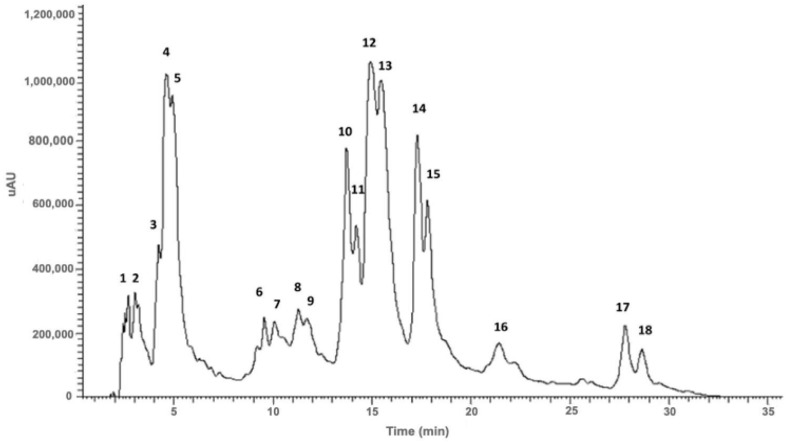 Figure 1
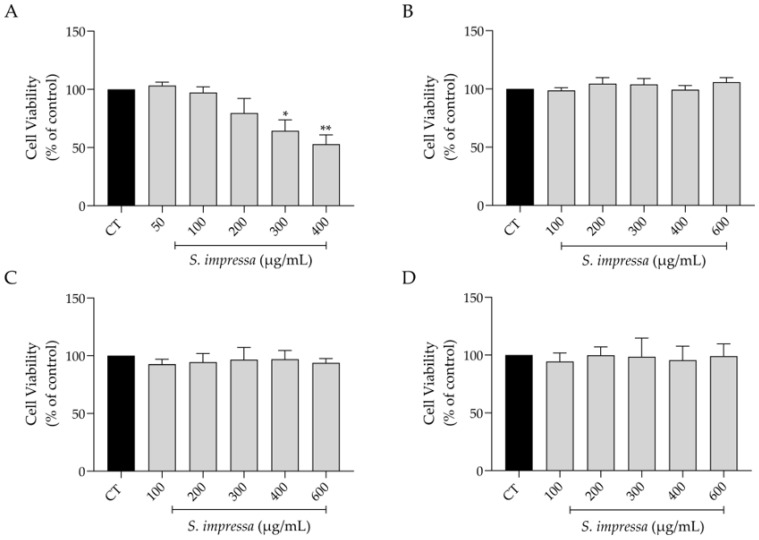 Figure 2
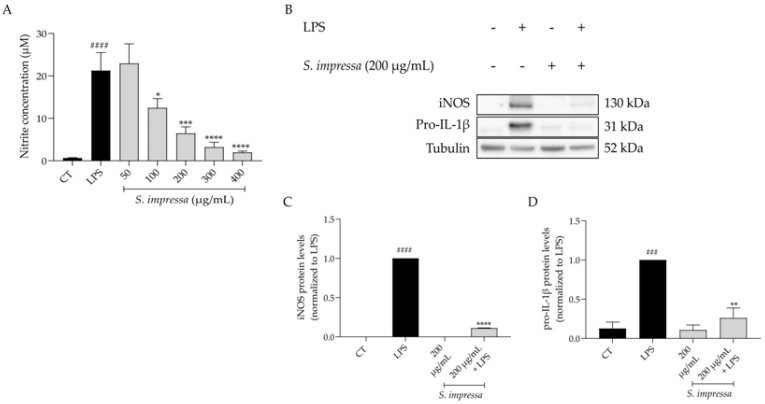 Figure 3
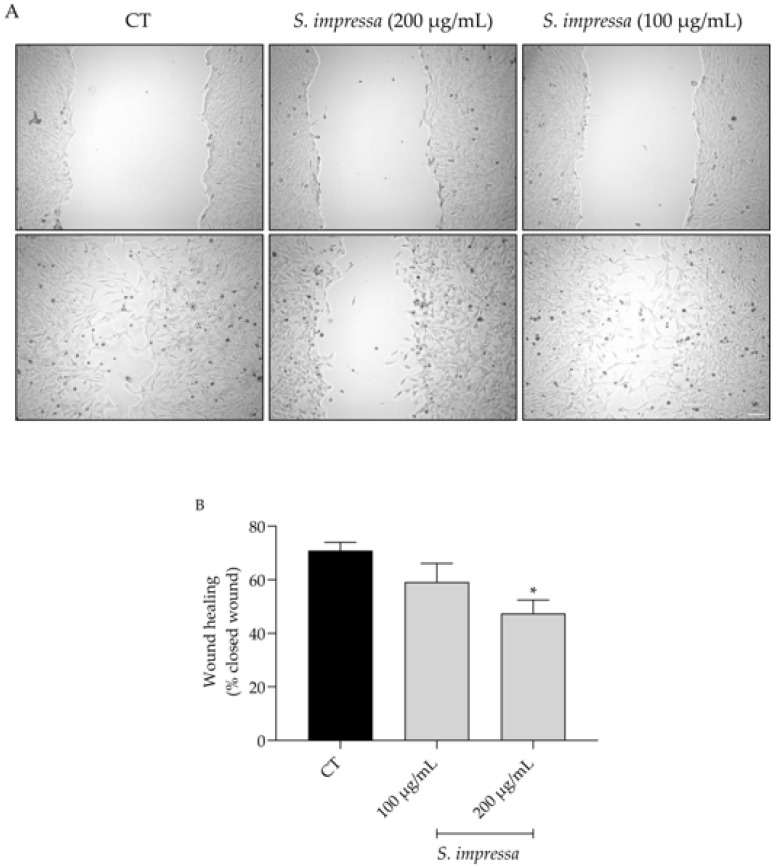 Figure 4
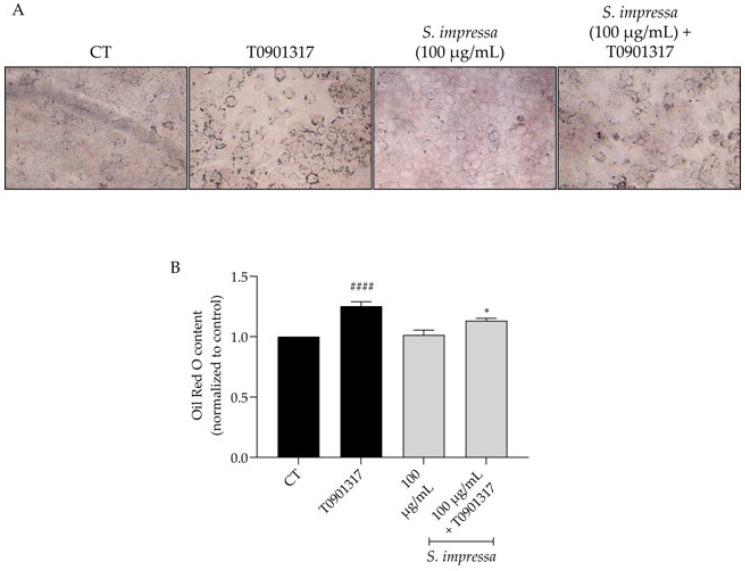 Figure 5
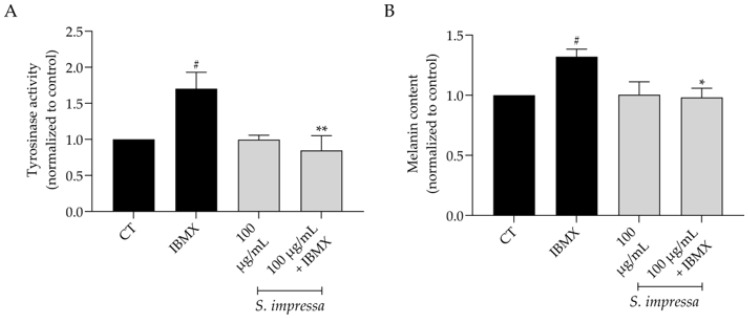 Figure 6
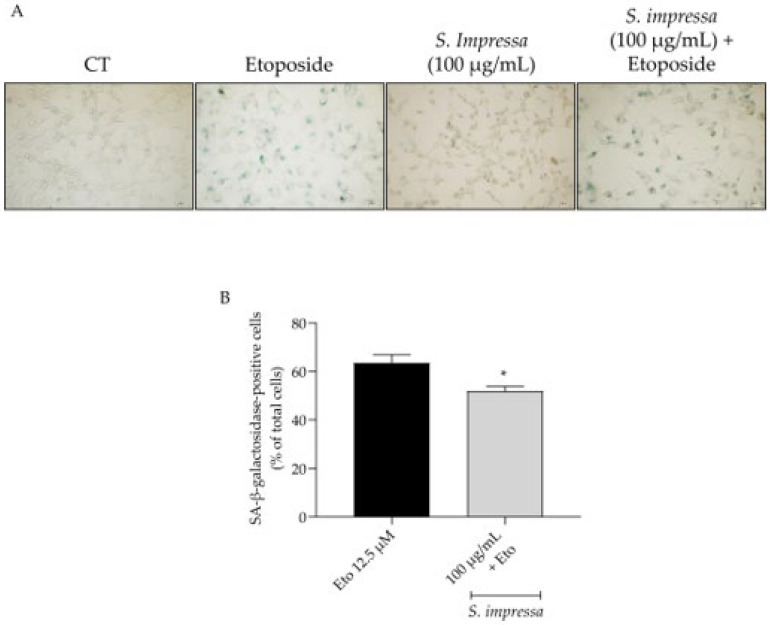 Figure 7
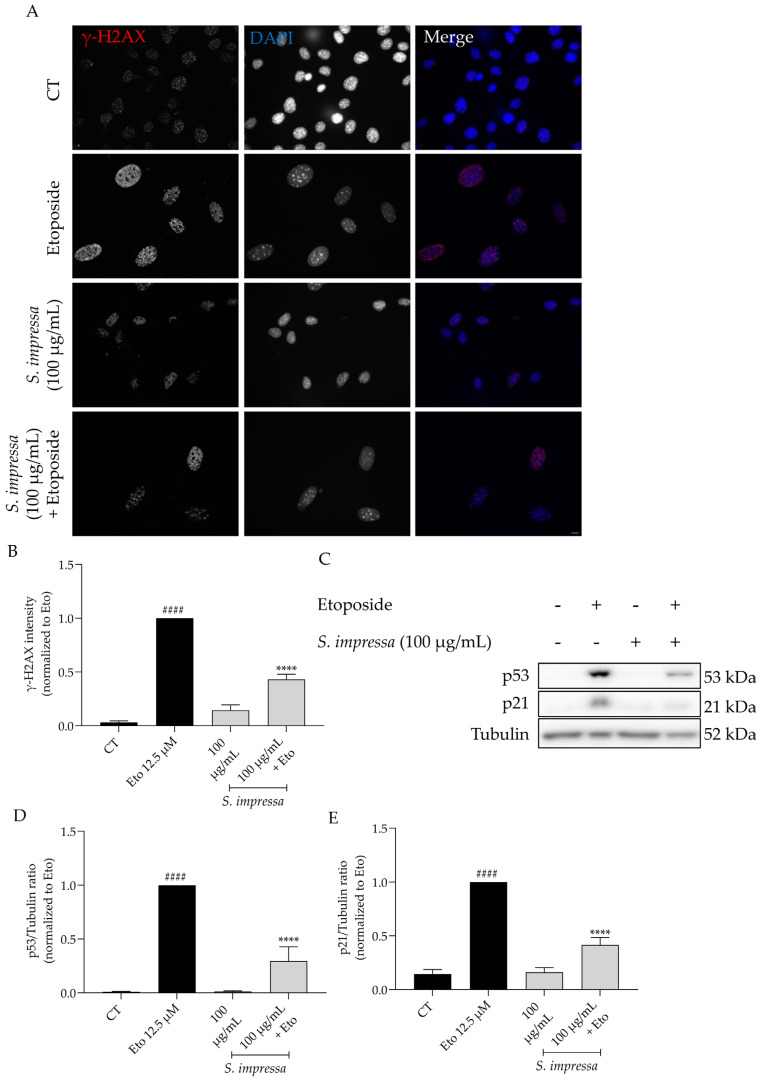 Figure 8
Peer Reviews
No public reviews on file for this paper yet. If you reviewed it on a platform where reviews are public (OpenReview, ICLR, NeurIPS, ICML), you can paste yours below so the community can read it here.
Videos
No videos yet. Explain this paper in a talk, walkthrough, or lecture? Add one.
Taxonomy
TopicsPhytochemistry and Biological Activities · Natural product bioactivities and synthesis · Chemical synthesis and alkaloids