Empiric Treatment of Classical Pyoderma Gangrenosum in the Outpatient Setting: A Case Report
Camille Basurto, Anthony Aponte-Diaz, Katharine Burmaster

TL;DR
This case report describes a 42-year-old man with classical pyoderma gangrenosum who was successfully treated with corticosteroids after failing antibiotic therapy.
Contribution
The paper highlights the importance of early corticosteroid use in outpatient classical PG cases.
Findings
The patient failed three antibiotic courses before responding to corticosteroids.
Classical PG was diagnosed in an outpatient setting after excluding other conditions.
Early corticosteroid treatment may improve outcomes in classical PG cases.
Abstract
Pyoderma gangrenosum (PG) is a rare neutrophilic disorder that typically presents as painful, ulcerative lesions. It is a diagnosis of exclusion and is oftentimes associated with systemic conditions such as inflammatory bowel disease, rheumatoid arthritis, and other inflammatory conditions. PG remains difficult to diagnose, and a delay in recognizing the disease can contribute to appreciable morbidity in the population. Here, we present the case of a 42-year-old male with the classical subtype of PG in the outpatient clinic who failed three courses of antibiotics before responding to corticosteroids.
Genes, proteins, chemicals, diseases, species, mutations and cell lines named across the full text — each resolved to its canonical identifier and authoritative record.
Click any figure to enlarge with its caption.
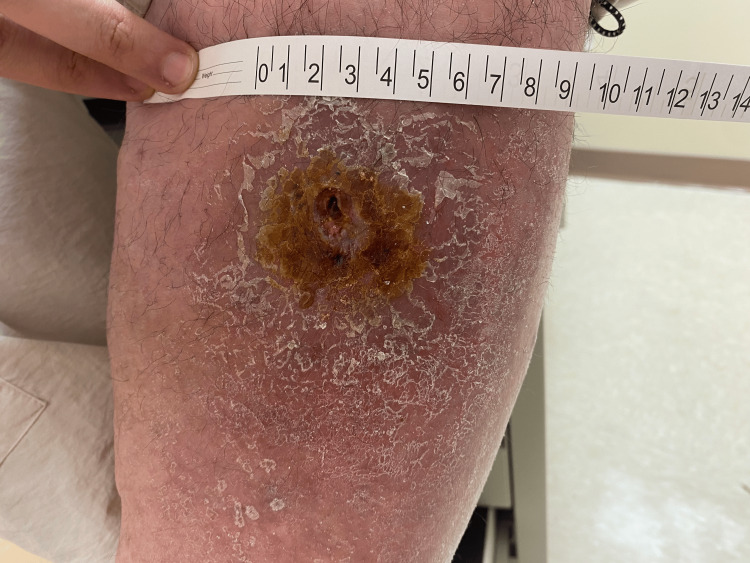 Figure 1
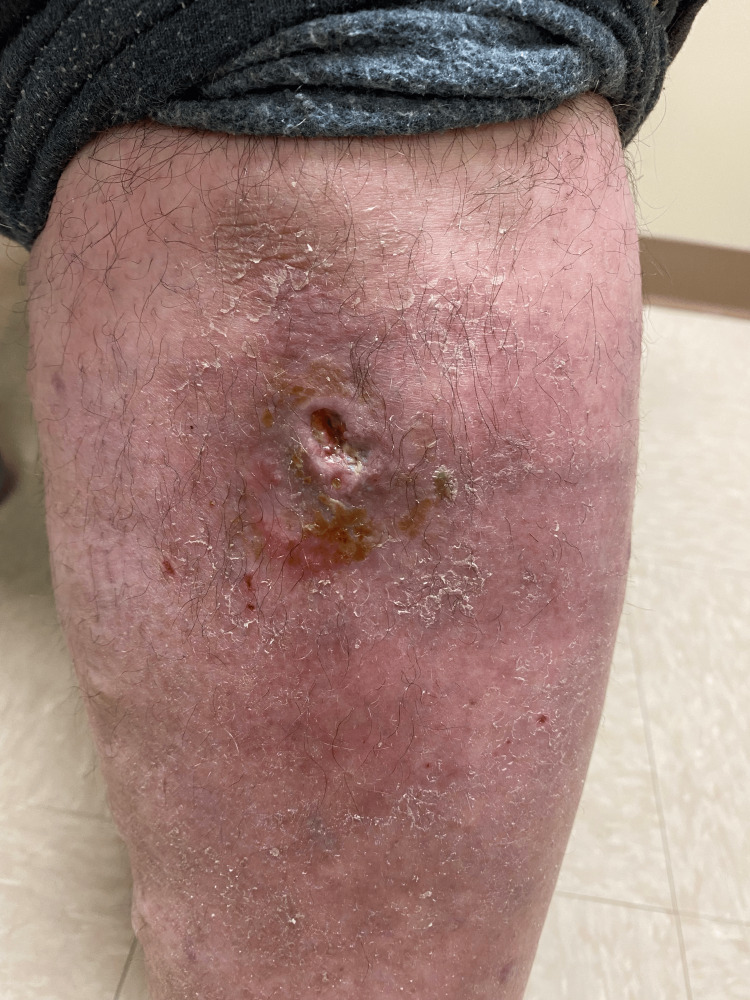 Figure 2
Peer Reviews
No public reviews on file for this paper yet. If you reviewed it on a platform where reviews are public (OpenReview, ICLR, NeurIPS, ICML), you can paste yours below so the community can read it here.
Videos
No videos yet. Explain this paper in a talk, walkthrough, or lecture? Add one.
Taxonomy
TopicsAutoimmune and Inflammatory Disorders · Hidradenitis Suppurativa and Treatments