Occurrence of Guillain-Barré Syndrome in the Early Post-operative Period After an Urgent Liver Transplant
Ariel Jasqui-Bucay, Carlos Moctezuma-Velazquez, Geronimo Pacheco-Aispuro, Mario Vilatobá-Chapa, Jonathan Aguirre-Valadez

TL;DR
A patient who had an urgent liver transplant developed Guillain-Barré syndrome shortly afterward, which is unusual due to high immunosuppression.
Contribution
Reports a rare case of Guillain-Barré syndrome occurring early after an urgent liver transplant.
Findings
A patient developed Guillain-Barré syndrome shortly after urgent liver transplant.
This occurred despite high levels of immunosuppression typically preventing such conditions.
The case highlights the possibility of inflammatory neuropathies post-transplant.
Abstract
Solid organ transplant recipients are prone to developing a wide range of complications associated with the procedure itself, as well as with immunosuppressants. Guillain-Barré syndrome, which is part of the spectrum of inflammatory neuropathies, is not expected to occur early after organ transplant when immunosuppression is at its highest point. We describe the clinical case of a patient who underwent an urgent liver transplant due to acute liver failure secondary to drug-induced liver injury and developed Guillain-Barré syndrome early after the transplant.
Genes, proteins, chemicals, diseases, species, mutations and cell lines named across the full text — each resolved to its canonical identifier and authoritative record.
Click any figure to enlarge with its caption.
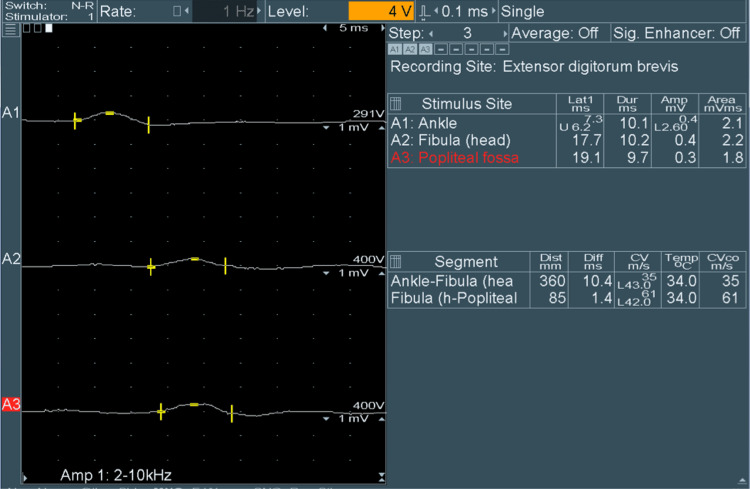 Figure 1
Peer Reviews
No public reviews on file for this paper yet. If you reviewed it on a platform where reviews are public (OpenReview, ICLR, NeurIPS, ICML), you can paste yours below so the community can read it here.
Videos
No videos yet. Explain this paper in a talk, walkthrough, or lecture? Add one.
Taxonomy
TopicsPeripheral Neuropathies and Disorders · Long-Term Effects of COVID-19 · Pathogenesis and Treatment of Hiccups