Structural Evaluation of a Nitroreductase Engineered for Improved Activation of the 5-Nitroimidazole PET Probe SN33623
Abigail V. Sharrock, Jeff S. Mumm, Elsie M. Williams, Narimantas Čėnas, Jeff B. Smaill, Adam V. Patterson, David F. Ackerley, Gintautas Bagdžiūnas, Vickery L. Arcus

TL;DR
Scientists improved a bacterial enzyme to better activate a PET imaging probe and prodrugs, and they studied how the enzyme's structure enables this improvement.
Contribution
A novel engineered nitroreductase with enhanced substrate activation and structural insights into its improved function.
Findings
The mutant enzyme has an expanded substrate access channel and new hydrogen bonding interactions.
Computational modeling showed improved substrate orientations and reduced distances in the mutant enzyme's active site.
The findings enhance understanding of nitroreductase specificity and catalytic mechanisms for theranostic applications.
Abstract
Bacterial nitroreductase enzymes capable of activating imaging probes and prodrugs are valuable tools for gene-directed enzyme prodrug therapies and targeted cell ablation models. We recently engineered a nitroreductase (E. coli NfsB F70A/F108Y) for the substantially enhanced reduction of the 5-nitroimidazole PET-capable probe, SN33623, which permits the theranostic imaging of vectors labeled with oxygen-insensitive bacterial nitroreductases. This mutant enzyme also shows improved activation of the DNA-alkylation prodrugs CB1954 and metronidazole. To elucidate the mechanism behind these enhancements, we resolved the crystal structure of the mutant enzyme to 1.98 Å and compared it to the wild-type enzyme. Structural analysis revealed an expanded substrate access channel and new hydrogen bonding interactions. Additionally, computational modeling of SN33623, CB1954, and metronidazole…
Genes, proteins, chemicals, diseases, species, mutations and cell lines named across the full text — each resolved to its canonical identifier and authoritative record.
Click any figure to enlarge with its caption.
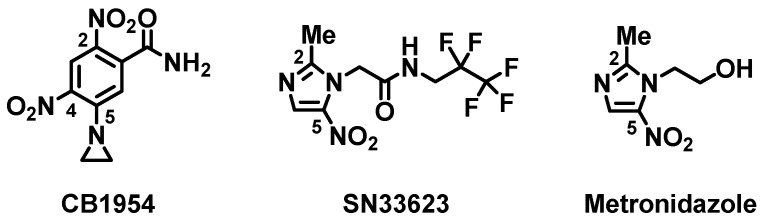 Figure 1
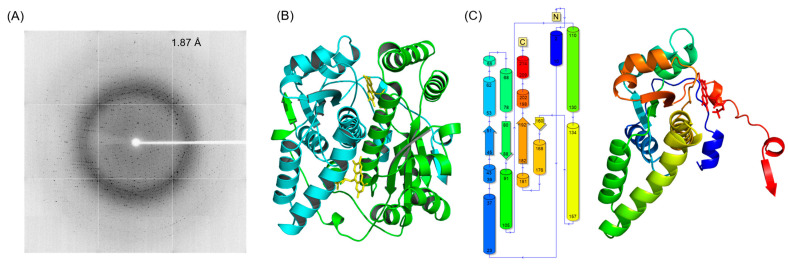 Figure 2
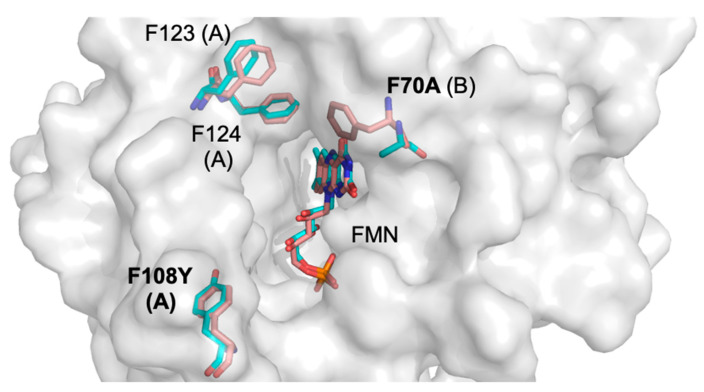 Figure 3
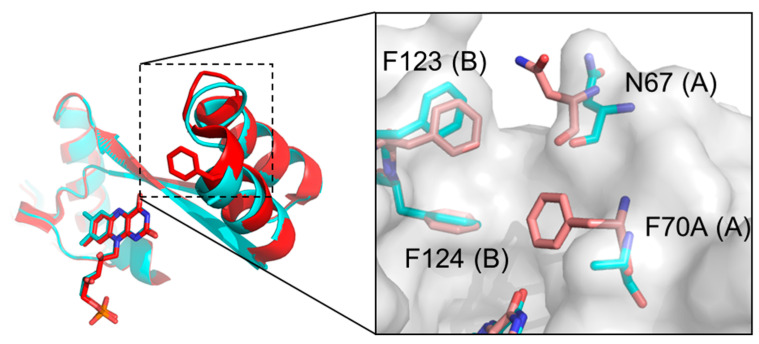 Figure 4
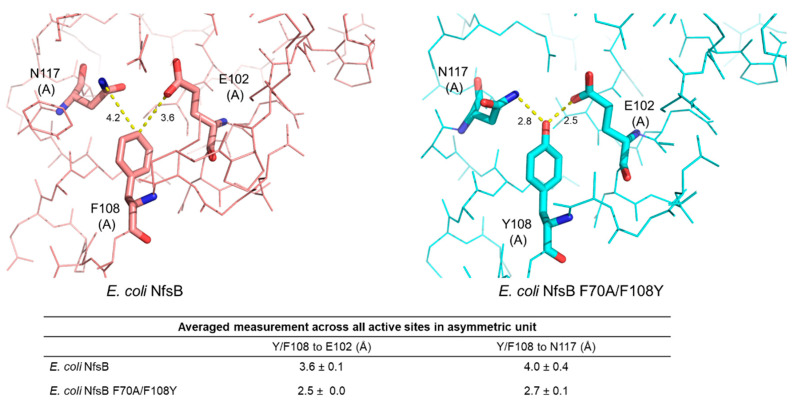 Figure 5
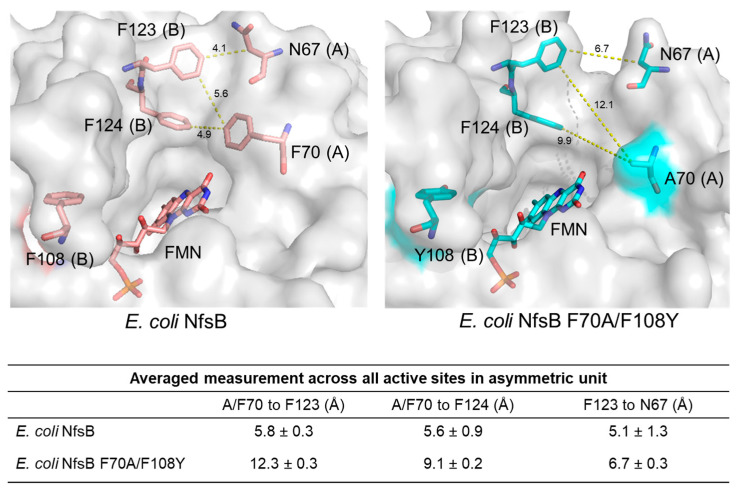 Figure 6
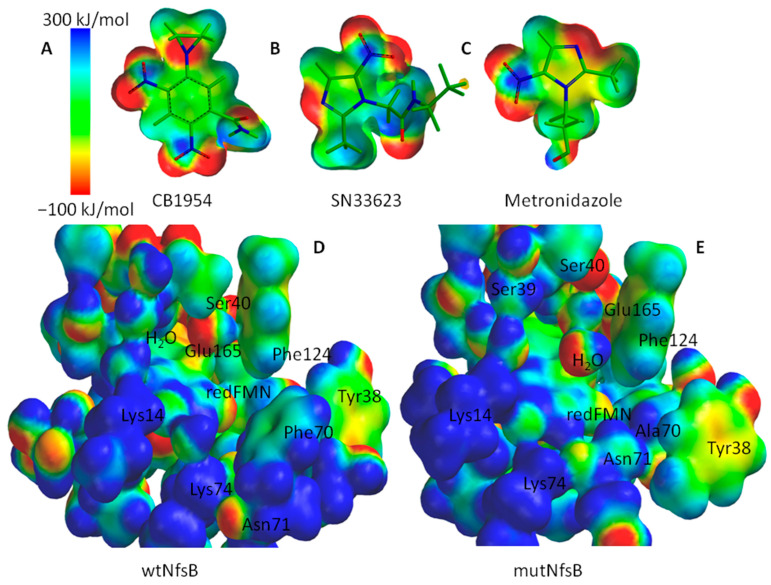 Figure 7
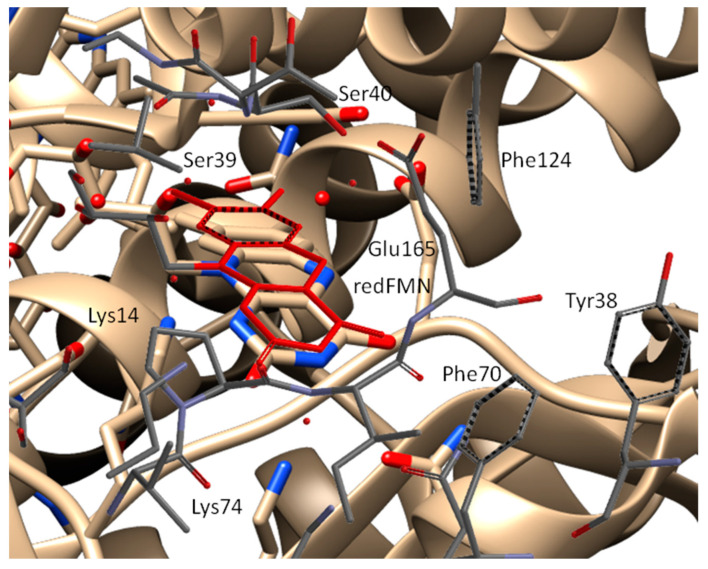 Figure 8
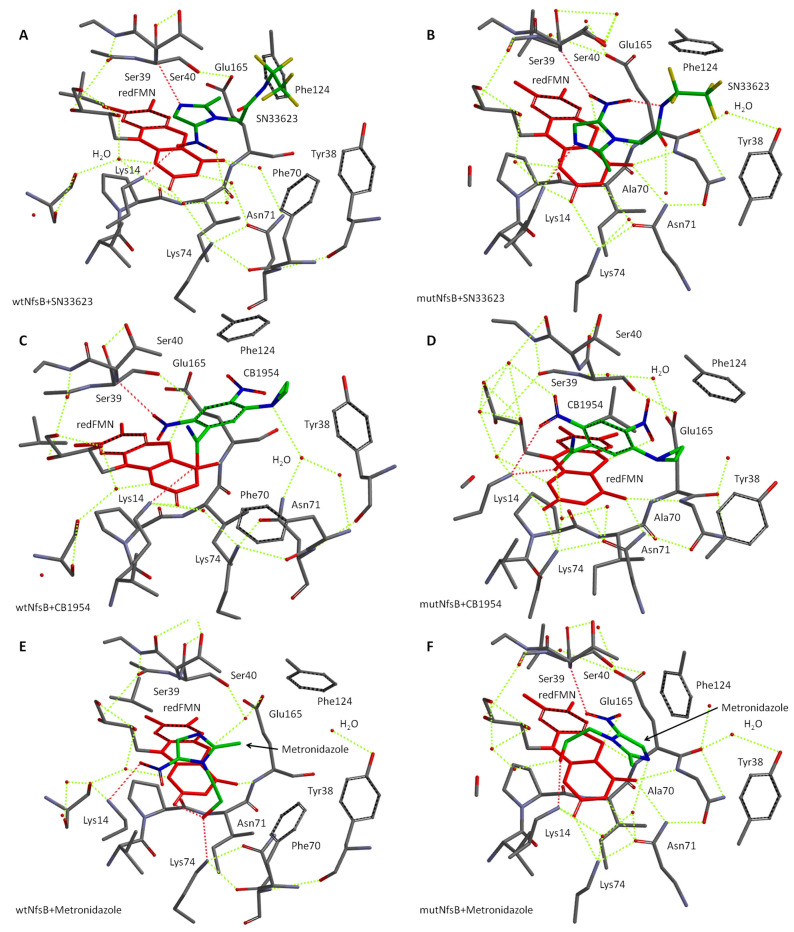 Figure 9
Peer Reviews
No public reviews on file for this paper yet. If you reviewed it on a platform where reviews are public (OpenReview, ICLR, NeurIPS, ICML), you can paste yours below so the community can read it here.
Videos
No videos yet. Explain this paper in a talk, walkthrough, or lecture? Add one.
Taxonomy
TopicsCancer Research and Treatments · Enzyme Structure and Function · Biochemical and Molecular Research