Rapidly Progressive Apical Hypertrophic Cardiomyopathy: Not Everything is What It Seems
Ahmed K. Mahmoud, Juan M. Farina, Kamal Awad, Milagros Pereyra, Isabel G. Scalia, Mohammed Tiseer Abbas, Timothy Barry, Said Alsidawi, Chadi Ayoub, Reza Arsanjani

TL;DR
A 43-year-old woman with a kidney transplant and hypertension developed a rare and rapidly progressing form of apical hypertrophic cardiomyopathy, showing unique diagnostic challenges.
Contribution
This case report presents a rare instance of rapidly progressive apical HCM with distinctive clinical and diagnostic features.
Findings
The patient exhibited characteristic ECG findings of giant T-wave inversions.
Cardiac MRI confirmed apical hypertrophy with circumferential thickening.
The case emphasizes the difficulty in diagnosing rapidly progressive apical HCM.
Abstract
Apical hypertrophic cardiomyopathy (HCM) is a rare variant of HCM. A 43-year-old female with a past medical history significant for hypertension and kidney transplantation presented with recurrent syncopal episodes and dyspnea on exertion. Electrocardiogram showed characteristic diffuse giant T-waves inversion, and cardiac magnetic resonance showed HCM with circumferential apical thickening. This case highlights the rapid development of apical HCM and its challenging diagnostic characteristics.
Genes, proteins, chemicals, diseases, species, mutations and cell lines named across the full text — each resolved to its canonical identifier and authoritative record.
Click any figure to enlarge with its caption.
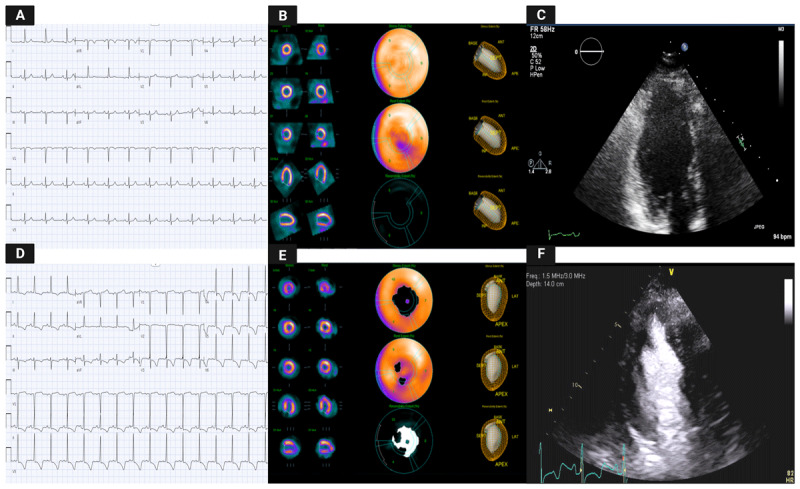 Figure 1
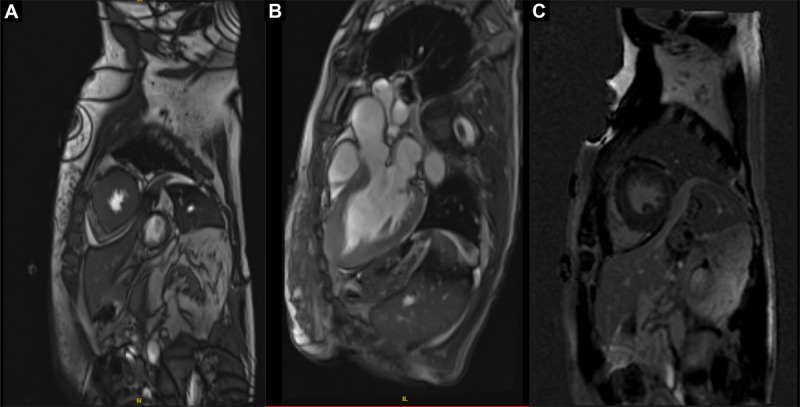 Figure 2
Peer Reviews
No public reviews on file for this paper yet. If you reviewed it on a platform where reviews are public (OpenReview, ICLR, NeurIPS, ICML), you can paste yours below so the community can read it here.
Videos
No videos yet. Explain this paper in a talk, walkthrough, or lecture? Add one.
Taxonomy
TopicsCardiomyopathy and Myosin Studies · Cardiovascular Function and Risk Factors · Congenital Heart Disease Studies