Serum protein profiling reveals mechanism of activated thrombus formation in patients with stroke and atrial fibrillation
Sora Mun, Jae Guk Kim, Soo Joo Lee, Doojin Kim, Jiyeong Lee, Hee-Gyoo Kang

TL;DR
This study uses serum protein profiling to uncover how thrombus formation differs in stroke patients with and without atrial fibrillation, revealing key inflammatory and hormonal mechanisms.
Contribution
The study identifies novel protein networks and mechanisms involved in thrombus formation in stroke patients with atrial fibrillation.
Findings
Patients with ischemic stroke and AF showed activated inflammatory responses via C-reactive protein and other markers.
Thyroid hormone levels increased due to reduced transthyretin and retinol-binding protein 4 in AF patients.
The study confirmed mechanisms linking enhanced cardiac activity and vasodilation to thrombosis in AF.
Abstract
Stroke is an acute cerebrovascular disease in which blood flow to the brain is suddenly disrupted, causing damage to nerve cells. It involves complex and diverse pathophysiological processes and the treatment strategies are also diverse. The treatment for patients with stroke and atrial fibrillation (AF) is aimed at suppressing thrombus formation and migration. However, information regarding the protein networking involved in different thrombus formation pathways in patients with AF and stroke is insufficient. We performed protein profiling of patients with ischemic stroke with and without AF to investigate the mechanisms of thrombus formation and its pathophysiological association while providing helpful information for treating and managing patients with AF. These two groups were compared to identify the protein networks related to thrombus formation in AF. We observed that patients…
Genes, proteins, chemicals, diseases, species, mutations and cell lines named across the full text — each resolved to its canonical identifier and authoritative record.
Click any figure to enlarge with its caption.
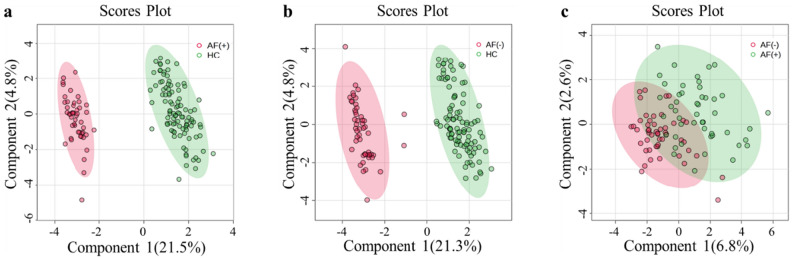 Figure 1
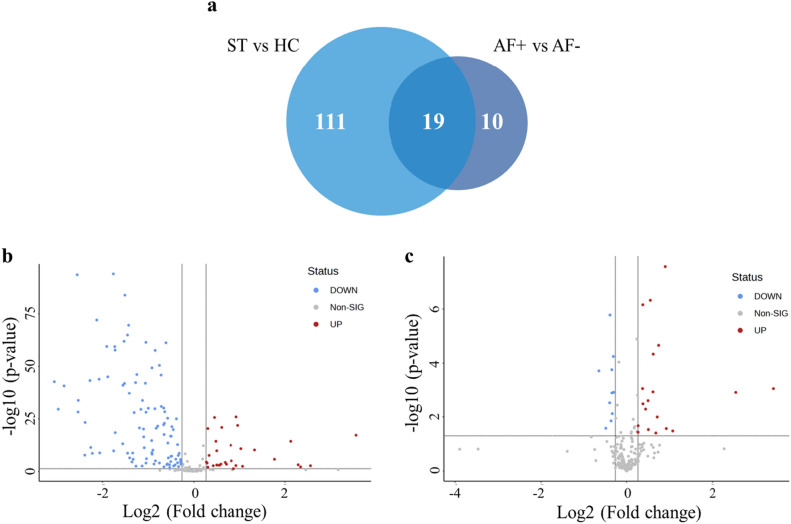 Figure 2
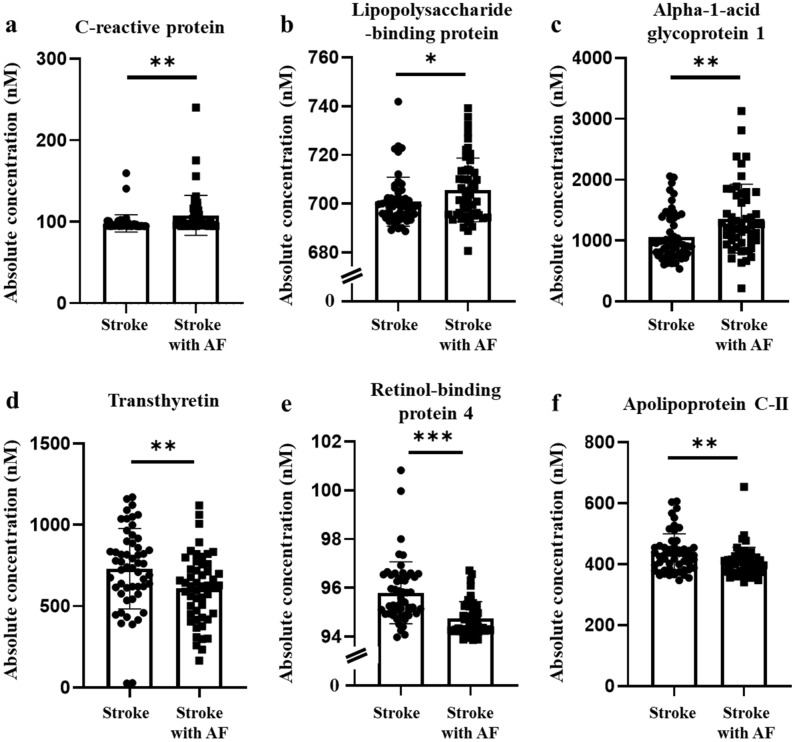 Figure 3
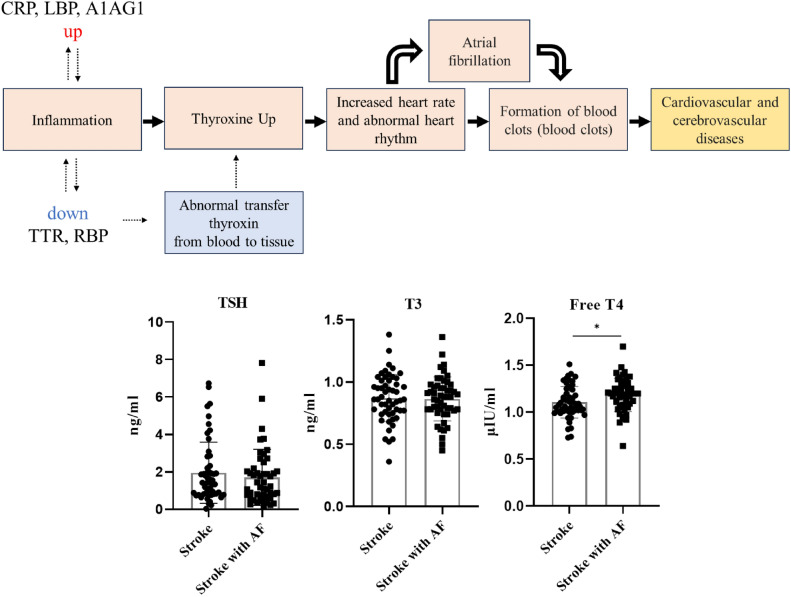 Figure 4
Peer Reviews
No public reviews on file for this paper yet. If you reviewed it on a platform where reviews are public (OpenReview, ICLR, NeurIPS, ICML), you can paste yours below so the community can read it here.
Videos
No videos yet. Explain this paper in a talk, walkthrough, or lecture? Add one.
Taxonomy
TopicsS100 Proteins and Annexins · Atrial Fibrillation Management and Outcomes · Protease and Inhibitor Mechanisms