Cocaine-Induced Chronic Bowel Ischemia Manifesting As Small Bowel Obstruction
Iraklis Perysinakis, Georgios Saridakis, Miltiadis Giannarakis, Georgia Kritikou, Eelco de Bree

TL;DR
A young woman developed a rare case of small bowel obstruction due to chronic mesenteric ischemia caused by cocaine use.
Contribution
This paper presents a rare clinical case linking chronic cocaine use to small bowel obstruction via mesenteric ischemia.
Findings
Cocaine-induced chronic mesenteric ischemia can lead to small bowel obstruction.
Excessive intestinal wall fibrosis was observed as a result of chronic ischemia in the patient.
Abstract
Cocaine represents one of the most frequently used recreational drugs worldwide. Cocaine-related disorders mostly affect the nervous and cardiovascular system, although gastrointestinal complications are not negligible and sometimes life-threatening. The most common gastrointestinal manifestations of cocaine abuse are ulceration, infarction, perforation, ischemic enterocolitis, and rarely hemorrhage, with mesenteric ischemia being the underlying pathophysiological mechanism. Herein, we report a rare case of cocaine-induced small bowel obstruction in a young female patient, caused by chronic mesenteric ischemia and excessive intestinal wall fibrosis.
Genes, proteins, chemicals, diseases, species, mutations and cell lines named across the full text — each resolved to its canonical identifier and authoritative record.
Click any figure to enlarge with its caption.
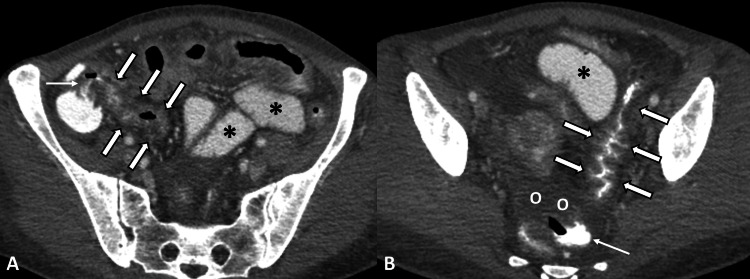 Figure 1
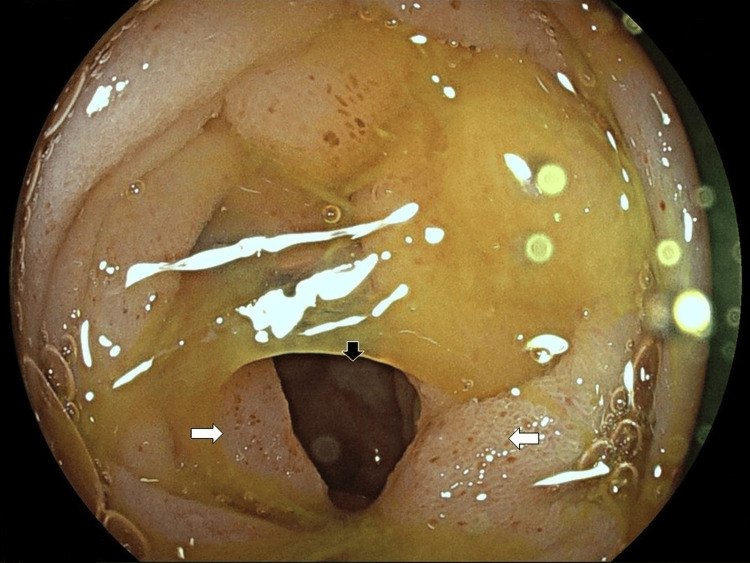 Figure 2
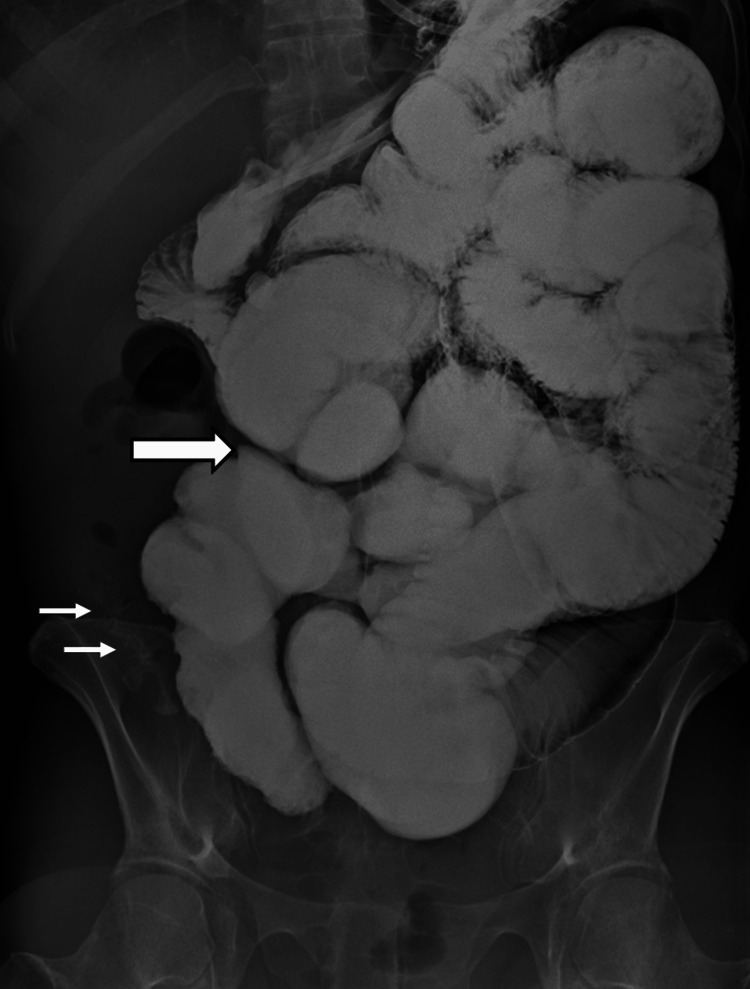 Figure 3
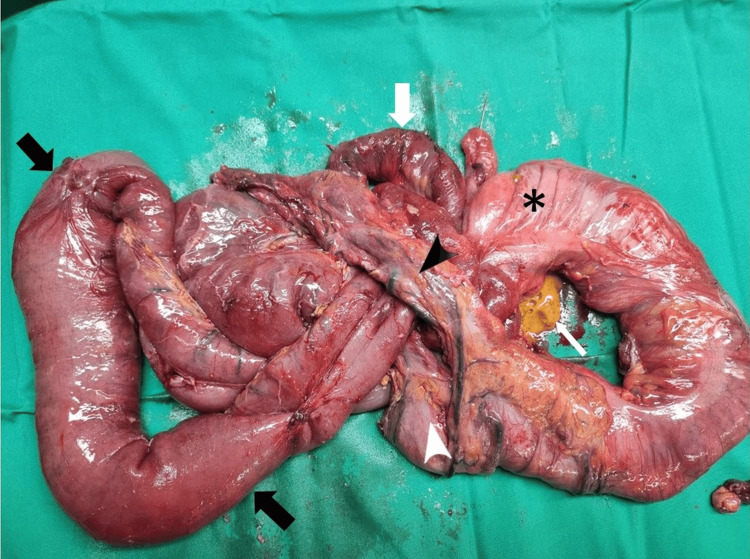 Figure 4
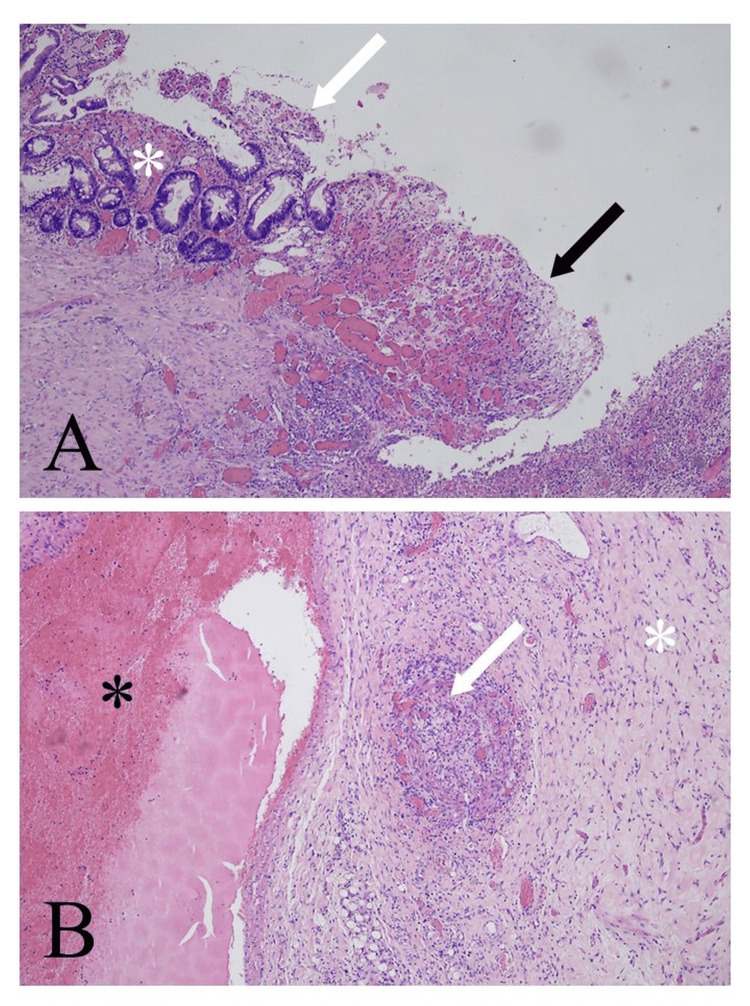 Figure 5
Peer Reviews
No public reviews on file for this paper yet. If you reviewed it on a platform where reviews are public (OpenReview, ICLR, NeurIPS, ICML), you can paste yours below so the community can read it here.
Videos
No videos yet. Explain this paper in a talk, walkthrough, or lecture? Add one.
Taxonomy
TopicsOpioid Use Disorder Treatment · Forensic Toxicology and Drug Analysis · Cannabis and Cannabinoid Research