Network Pharmacology and Experimental Validation to Explore the Potential Mechanism of Nigella sativa for the Treatment of Breast Cancer
Rawaba Arif, Shazia Anwer Bukhari, Ghulam Mustafa, Sibtain Ahmed, Mohammed Fahad Albeshr

TL;DR
This study explores how compounds from Nigella sativa may help treat breast cancer by combining network pharmacology and experiments.
Contribution
The study identifies betulinic acid and stigmasterol as promising anticancer agents from Nigella sativa using a combined network pharmacology and experimental approach.
Findings
Betulinic acid and stigmasterol showed strong binding to key breast cancer proteins and reduced cancer cell viability.
In vivo tests confirmed that these compounds helped recover cancer markers in a rat model.
Network analysis identified 10 hub genes related to breast cancer progression.
Abstract
Breast cancer is a prevalent and potentially life-threatening disease that affects women worldwide. Natural products have gained attention as potential anticancer agents due to their fewer side effects, low toxicity, and cost effectiveness compared to traditional chemotherapy drugs. In the current study, the network pharmacology approach was used following a molecular docking study to evaluate the therapeutic potential of N. sativa-derived phytochemicals against breast cancer. Specifically, the study aimed to identify potential anticancer agents targeting key proteins implicated in breast cancer progression. Five proteins (i.e., EGFR, MAPK3, ESR1, MAPK1, and PTGS2) associated with breast cancer were selected as receptor proteins. Fourteen phytochemicals from N. sativa were prioritized based on drug-likeness (DL) and oral bioavailability (OB) parameters (with criteria set at DL > 0.18…
Genes, proteins, chemicals, diseases, species, mutations and cell lines named across the full text — each resolved to its canonical identifier and authoritative record.
Click any figure to enlarge with its caption.
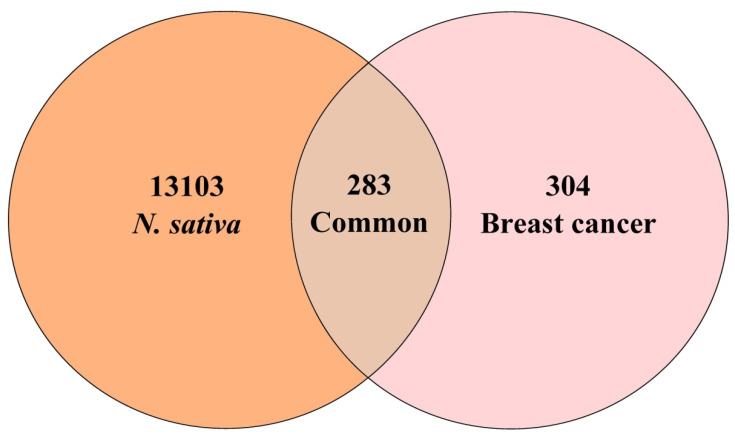 Figure 1
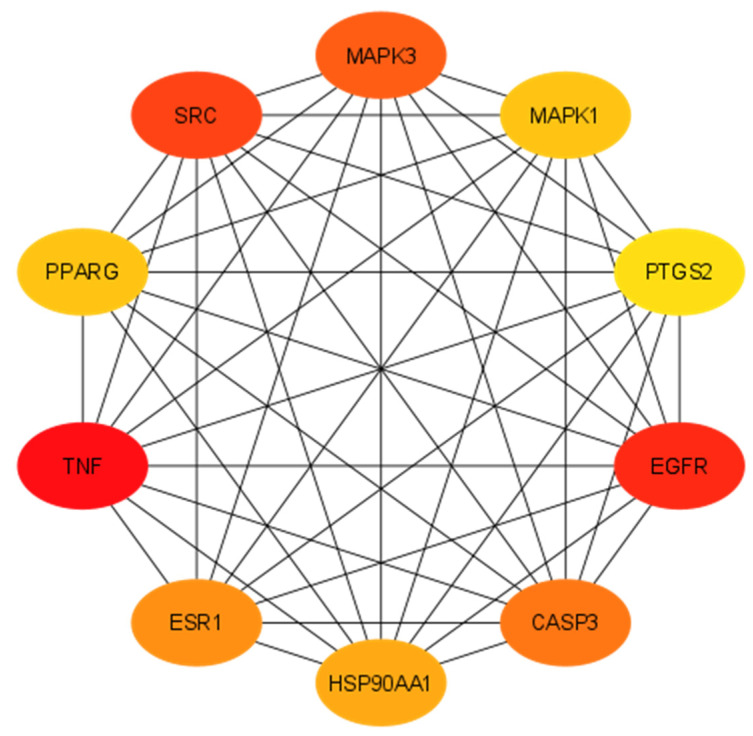 Figure 2
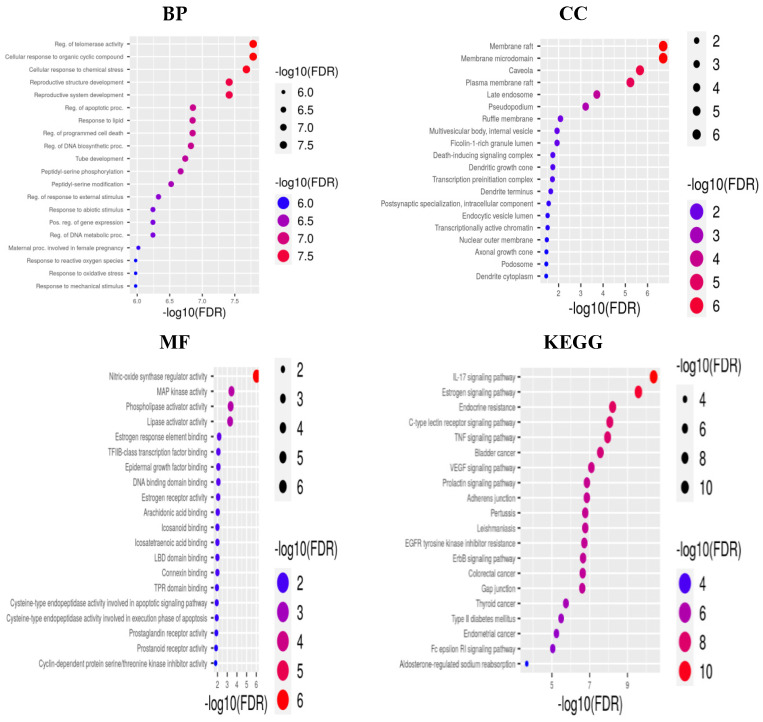 Figure 3
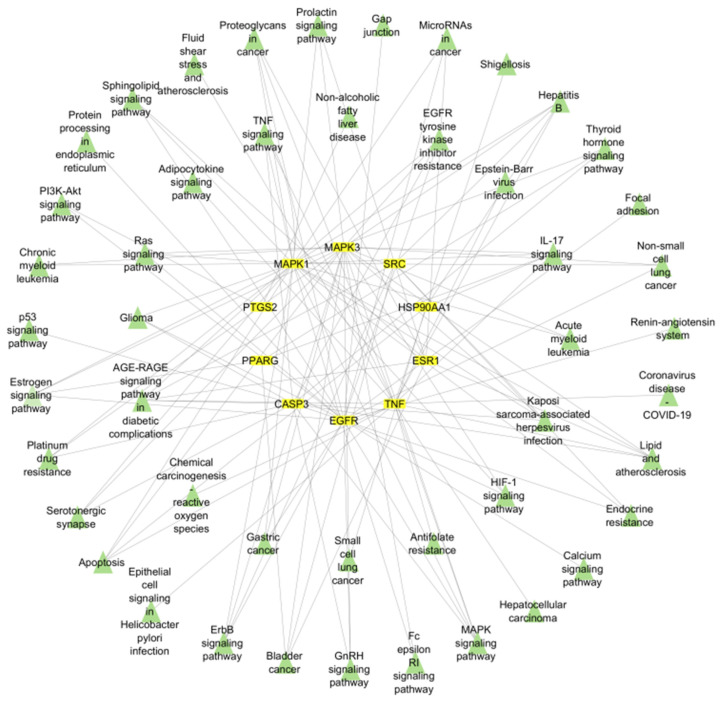 Figure 4
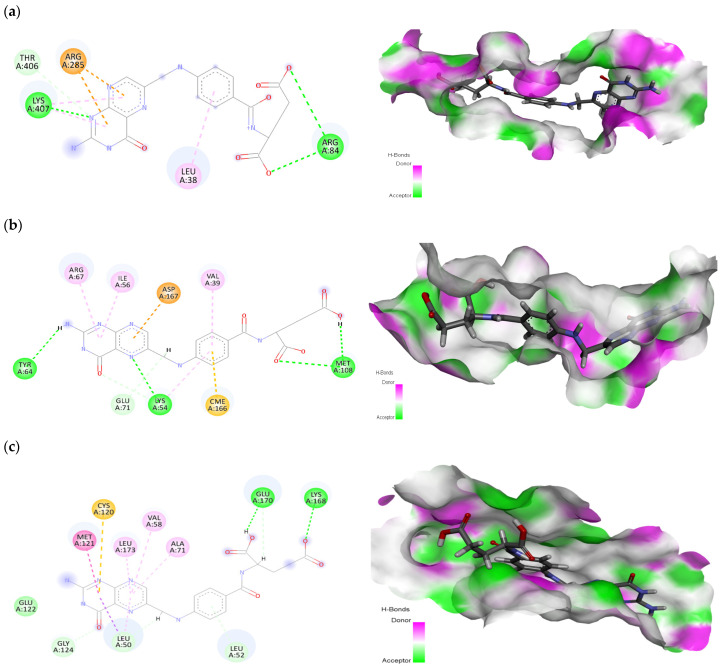 Figure 5
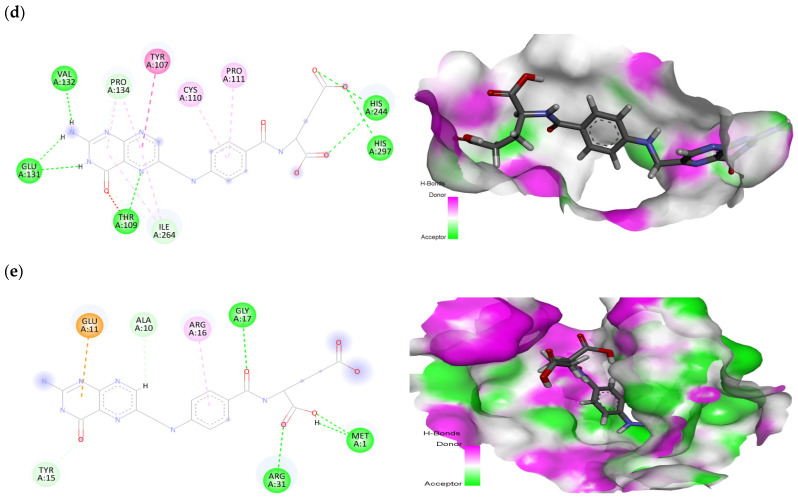 Figure 6
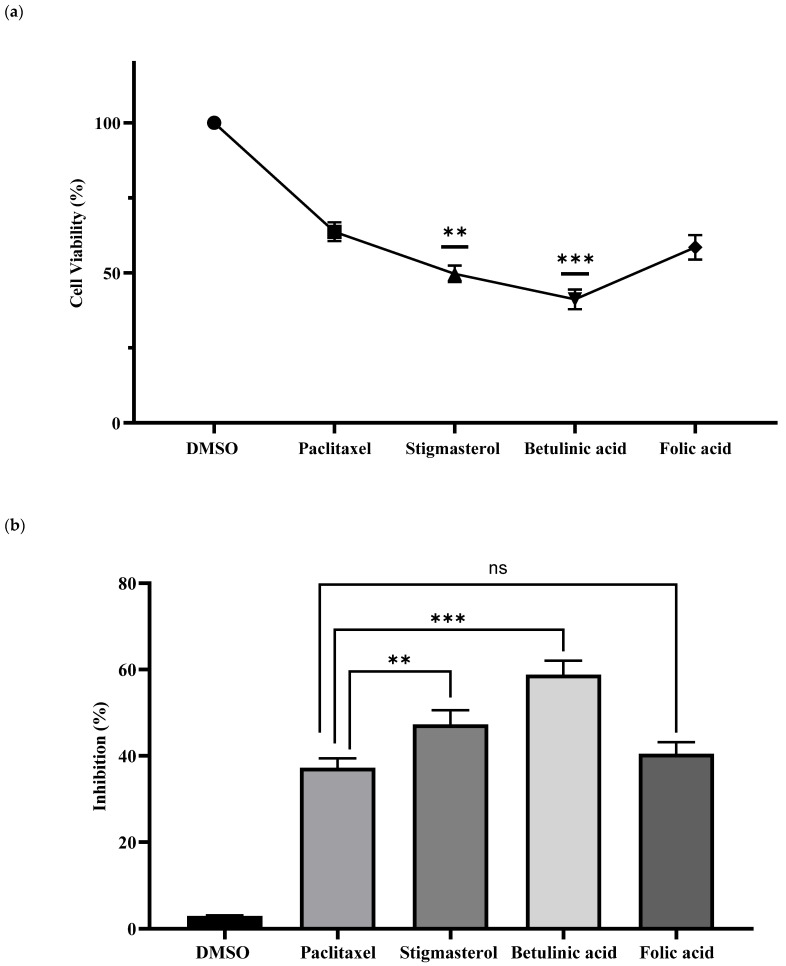 Figure 7
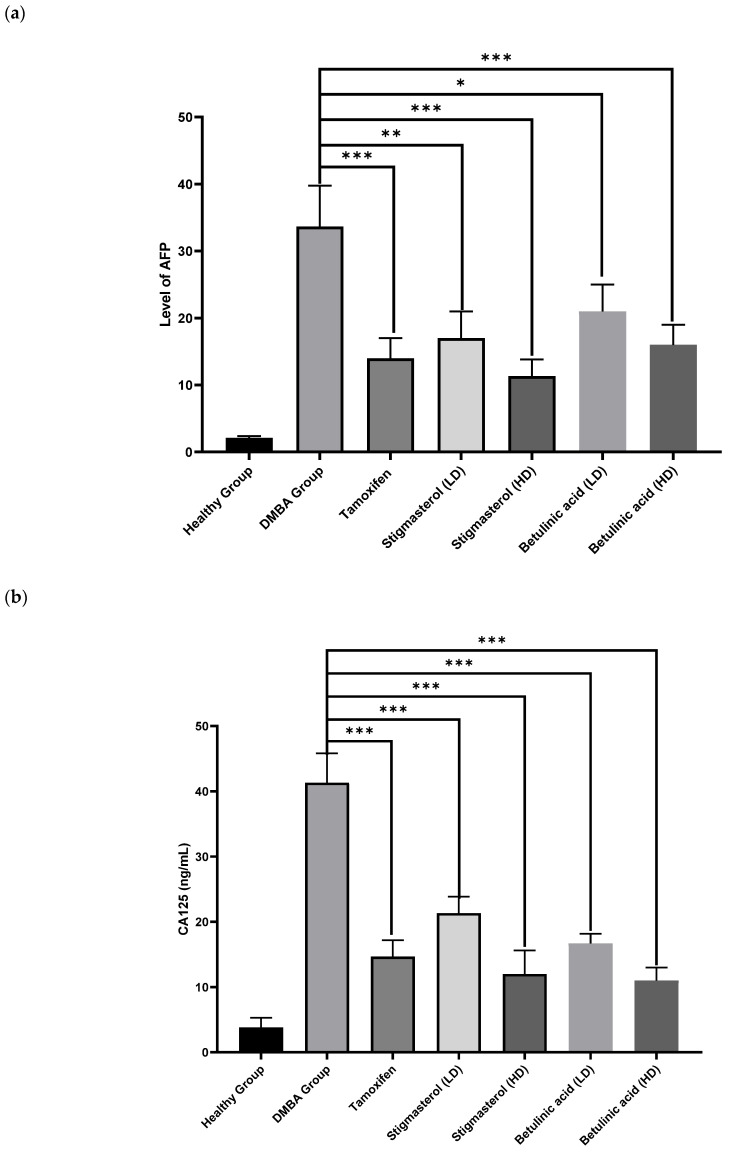 Figure 8
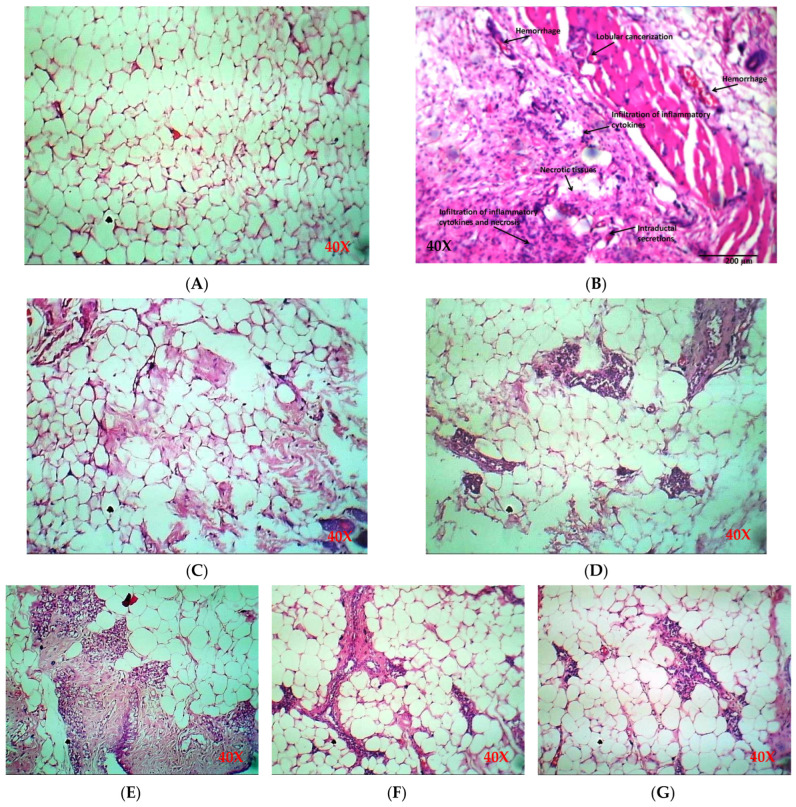 Figure 9
Peer Reviews
No public reviews on file for this paper yet. If you reviewed it on a platform where reviews are public (OpenReview, ICLR, NeurIPS, ICML), you can paste yours below so the community can read it here.
Videos
No videos yet. Explain this paper in a talk, walkthrough, or lecture? Add one.
Taxonomy
TopicsNatural product bioactivities and synthesis · Flavonoids in Medical Research · Phytoestrogen effects and research