Undergarment Needs and Challenges for Breast Cancer Survivors: A Qualitative Study
Yen-Tung Liu, Novera H. Khan, Krista M. Nicklaus, Marie Karen Bravo Moix, Chi Liu, Gregory P. Reece, Ashleigh M. Francis, Margaret J. Roubaud, Mia K. Markey

TL;DR
This study explores how breast cancer survivors' needs and challenges with finding suitable bras change over time, impacting their well-being and sense of normalcy.
Contribution
The study introduces a qualitative exploration of evolving bra preferences and challenges among breast cancer survivors, linking garment experiences to psychological well-being.
Findings
Breast cancer survivors experience changing bra needs and preferences throughout their cancer care journey.
Bra experiences are closely tied to survivors' sense of normalcy and personal well-being.
Factors like color, closure options, and adjustability are important for meeting individual needs.
Abstract
Breast cancer surgery, even with reconstruction, can make it difficult for patients to find a bra that fits properly, is comfortable, and meets their aesthetic standards. We explored breast cancer survivors’ experiences with bras over time to identify preferences, needs, and challenges throughout their journeys. Fifteen women who had undergone mastectomy and either delayed or immediate breast reconstruction participated in the study. Focus groups were conducted to explore the participants’ current experiences with bras. They were also prompted to recall their experiences before mastectomy and immediately after reconstruction. The discussion included bra materials, styles, construction techniques, color, quality, and price. Thematic analysis generated five major themes: “Sense of normalcy and personal well-being,” “Struggles immediately following surgery,” “Transitions in bra…
Genes, proteins, chemicals, diseases, species, mutations and cell lines named across the full text — each resolved to its canonical identifier and authoritative record.
Click any figure to enlarge with its caption.
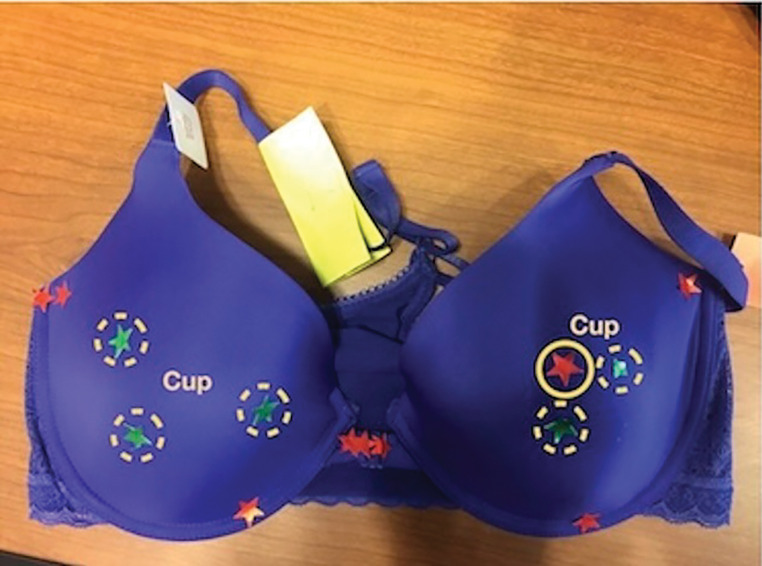 Figure 1
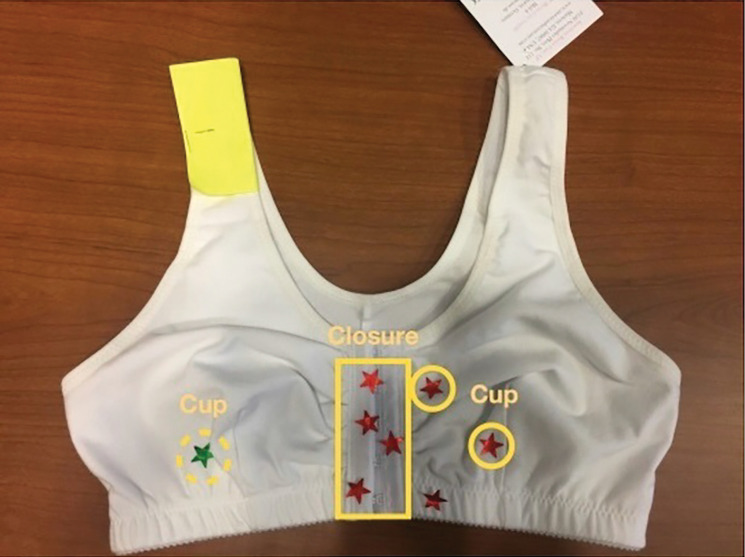 Figure 2
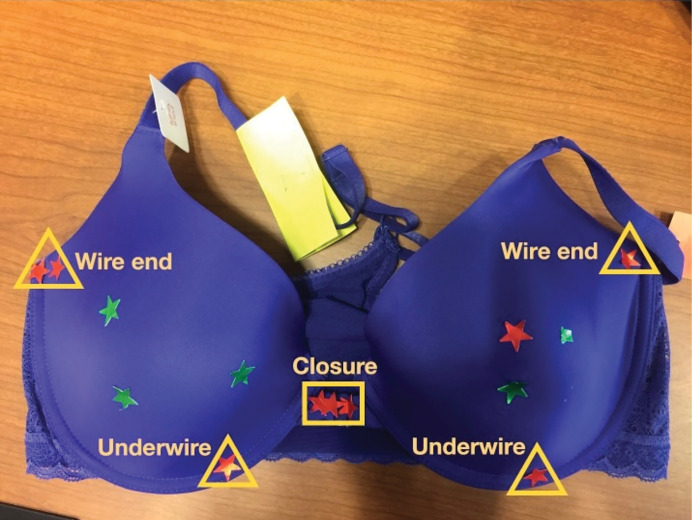 Figure 3
- —National Institutes of Health
Peer Reviews
No public reviews on file for this paper yet. If you reviewed it on a platform where reviews are public (OpenReview, ICLR, NeurIPS, ICML), you can paste yours below so the community can read it here.
Videos
No videos yet. Explain this paper in a talk, walkthrough, or lecture? Add one.
Taxonomy
TopicsCancer survivorship and care · Family Support in Illness · Palliative Care and End-of-Life Issues
Introduction
Breast cancer and its treatment often pose challenges concerning the fit, comfort, and aesthetic considerations of undergarments, even for patients who undergo reconstructive procedures, which can impact survivors’ quality of life [1–5]. Previous research used questionnaires [1–3] and interviews [4, 5] to study the bra needs and preferences of breast cancer survivors. LaBat’s survey [1] revealed that nearly one-third of breast reconstruction survivors stated that they no longer wear bras, citing reasons such as the belief that a bra is unnecessary, uncomfortable, or nonconforming to the shape of the reconstructed breast. Likewise, our survey found that ready-to-wear bras are inadequate (e.g., poor fit, difficult to don/doff) and that patients’ received insufficient guidance on bra selection [2]. Wroblewski’s survey [3] demonstrated that a single bra is unlikely to meet the diverse needs and preferences of breast cancer survivors. Survivors who have undergone mastectomy and breast reconstruction expressed heightened concern with underarm and underband comfort [3]. Dhawan’s interviews discovered low bra satisfaction rates among survivors due to perceived comfort and quality issues [5]. Furthermore Jackson’s interviews found that comfort issues arose rapidly as breast cancer survivors adjusted their wardrobes and dressing patterns to accommodate healing and changes in their bodies [4].
However, prior work does not elucidate how garment preferences change over a patient’s breast cancer journey, Understanding preferences at each time point is important for providing guidance aligned with a patient’s current needs and to help patients manage their expectations. This focus group study sought to explore breast cancer survivors’ experiences with bras. In addition to describing their current bra experiences, study participants were prompted to recall their bra experiences before mastectomy and immediately after reconstruction. The goal was to identify the ways in which their experiences with bras changed or remained the same throughout their breast cancer journeys.
Methods
Participants and procedures
Prospective study participants completed a set of screening questions in a Qualtrics (Provo, Utah) survey distributed in recruitment materials (e.g., flyers). Eligible participants self-reported that they had previously undergone mastectomy and reconstruction for breast cancer, were at least 6 months past their initial reconstruction surgery, and wore bras on a regular basis at the time of the study. Participants provided informed consent under institutional review board protocol #2016–04-0045 approved by The University of Texas at Austin.
Participants were assigned letters in place of their names (e.g., A, B, C) to ensure confidentiality and facilitate data analysis. Demographic information, medical history, and psychosocial measures were collected using Qualtrics prior to the focus group discussion. In-person focus groups were co-led by a fashion designer (MKBM), professor in apparel and design (CL), and graduate student (KMN). The discussion considered bra materials, styles, construction techniques, color, quality, and price. Participants were prompted to reflect on their experiences with bras at three time points: before mastectomy, immediately after reconstruction, and currently. Seven sample bras, selected to represent a wide range of materials, styles, and construction techniques, were made available during the discussion. Participants were asked to place green stickers on areas of bra samples that they deemed favorable; yellow stickers for areas that were a minor concern but not a significant issue; and red stickers for areas they identified as problematic.
Body image investment
The Appearance Schemas Inventory-Revised (ASI-R) [9] is a 20-item self-report measure assessing body image investment. It includes beliefs and assumptions about the significance and influence of appearance in one’s life. We report the ASI-R composite score, which is calculated by averaging the individual item scores. A higher ASI-R composite score indicates greater body image investment.
Body image dissatisfaction
The Body Image Scale (BIS) [8] is a 10-item measure of body image dissatisfaction specifically developed for cancer patients experiencing appearance changes. Each item is scored 0 to 3 such that the total score ranges from 0 to 30. A total score of 0 indicates no body image concerns, while higher scores represent increasing body image concerns.
Data analysis
Two focus group discussions were transcribed (NHK), and thematic analysis was carried out using NVivo software (Lumivero, Denver, Colorado) (YL, NHK). The study employed Braun and Clarke’s six-step reflexive thematic analysis for the analytical process [10]. Throughout the coding process, an intimate apparel designer (MKBM) provided guidance on the definition of bra-related terminology and explanations as needed. Additionally, insights were shared regarding potential participant confusion when describing bra materials and styles from an apparel design perspective. The first author reviewed, refined, and named themes by considering their relation to the data, checked for consistency, and wrote narratives that explained each theme in the context of the research questions.
Results
Participants and procedures
Prospective study participants completed a set of screening questions in a Qualtrics (Provo, Utah) survey distributed in recruitment materials (e.g., flyers). Eligible participants self-reported that they had previously undergone mastectomy and reconstruction for breast cancer, were at least 6 months past their initial reconstruction surgery, and wore bras on a regular basis at the time of the study. Participants provided informed consent under institutional review board protocol #2016–04-0045 approved by The University of Texas at Austin.
Participants were assigned letters in place of their names (e.g., A, B, C) to ensure confidentiality and facilitate data analysis. Demographic information, medical history, and psychosocial measures were collected using Qualtrics prior to the focus group discussion. In-person focus groups were co-led by a fashion designer (MKBM), professor in apparel and design (CL), and graduate student (KMN). The discussion considered bra materials, styles, construction techniques, color, quality, and price. Participants were prompted to reflect on their experiences with bras at three time points: before mastectomy, immediately after reconstruction, and currently. Seven sample bras, selected to represent a wide range of materials, styles, and construction techniques, were made available during the discussion. Participants were asked to place green stickers on areas of bra samples that they deemed favorable; yellow stickers for areas that were a minor concern but not a significant issue; and red stickers for areas they identified as problematic.
Body image investment
Appearance Schemas Inventory-Revised (ASI-R) [9] is a 20-item self-report measure assessing body image investment. It includes beliefs and assumptions about the significance and influence of appearance in one’s life. We report the ASI-R composite score, which is calculated by averaging the individual item scores. A higher ASI-R composite score indicates greater body image investment.
Body image dissatisfaction
The Body Image Scale (BIS) [8] is a 10-item measure of body image dissatisfaction specifically developed for cancer patients experiencing appearance changes. Each item is scored 0 to 3 such that the total score ranges from 0 to 30. A total score of 0 indicates no body image concerns, while higher scores represent increasing body image concerns.
Data analysis
Two focus group discussions were transcribed (NHK), and thematic analysis was carried out using NVivo software (Lumivero, Denver, Colorado) (YL, NHK). The study employed Braun and Clarke’s six-step reflexive thematic analysis for the analytical process [10]. Throughout the coding process, an intimate apparel designer (MKBM) provided guidance on the definition of bra-related terminology and explanations as needed. Additionally, insights were shared regarding potential participant confusion when describing bra materials and styles from an apparel design perspective. The first author reviewed, refined, and named themes by considering their relation to the data, checked for consistency, and wrote narratives that explained each theme in the context of the research questions.
Discussion
Theme 1 explored how bra color, price, style, and construction technique contributed to personal well-being and a sense of normalcy. Participants reported a strong emotional connection to colors as they symbolize a return to normalcy and happiness. Bright and cheerful colors evoke happiness and energy, while plain and dark colors convey seriousness or depression [13]. Breast cancer survivors frequently feel a loss of control when dealing with a cancer diagnosis and the ability to make garment choices (e.g., colors) can restore some sense of control. Breast cancer survivors have undergone significant challenges and seek items that can contribute to making life feel more comfortable and enjoyable. However, many breast cancer survivors do not have the financial privilege to prioritize happiness and comfort over cost. Similarly, we observed a tradeoff between enhancing a sense of normalcy and comfort. For example, some participants were willing to wear molded cups when they felt that molded cups enhanced their sense of normalcy, even if the cups were not properly fitted. Differing views on padding and molded cups also highlight the need for customization to cater to breast cancer survivors’ unique needs due to substantial variation in the bodily changes resulting from cancer treatment.
Themes 2 and 3 illustrate bra needs change throughout the breast cancer journey, beyond changes that are typical for other bra wearers over their lifespans [14]. In the immediate post-surgery phase, nearly all participants wore front-closure surgical bras due to their restricted movement. However, some participants were frustrated with the hook-and-loop closures, citing discomfort from rubbing on sensitive skin, and with the perceived high price ($100) for a disliked product. Complaints about uncomfortable hook-and-loop closures and front closures seem to be two different issues that are hard to differentiate in this study. Moving beyond the active healing phase, nearly all participants chose to return to back-closure bras, with the most dominant reason being its habitual use. Such habits seem to help patients feel more secure during challenging times. People often use fashion as emotional armor, choosing specific styles for a sense of security. Emotional attachment to clothing can profoundly impact mood by providing familiarity and solace [13, 15]. Another reason participants returned to back-closure bras is the limited adjustability of front closures. Zipper or slider formats are confined to a single size with no flexibility for adjustment. Adjustability is important for accommodating typical fluctuations in body shape and sensitivity. Hook-and-loop or hook-and-eye front closures offer adjustability similar to back-closure bras, but adjusting them can compromise cup shape. Moreover, hook-and-loop closures can cause irritation if not positioned correctly. Future work exploring breast cancer survivors’ perceptions of the textures of hook-and-loop closures could help inform bra design for this population.
Theme 3 also highlights challenges and frustrations participants face in finding bras that meet their specific needs and preferences. Despite receiving suggestions from healthcare providers, and even with the assistance of a bra fitter, the search for a suitable bra can extend for months without success. General suggestions, such as avoiding underwire, do not expedite the search process as this is only one facet of appropriate bra fit. Having assistance from a professional garment fitter can guide both the selection and fitting process, potentially shorten the search time. However, these services are limited to large medical centers and specialty retail stores [1]. Additionally, there are extra charges for the services of a professional mastectomy fitter, and the fitters in retail stores may not have specialized training on the needs of breast cancer patients [16]. Breast cancer survivors report many challenges and frustrations with bras due to an absence or scarcity of suitable options available in the market. For example, participants expressed interest in front closure bras, but reported a lack of comfortable and adjustable front-closure bra options on the market.
Conclusion
The personal well-being of breast cancer survivors is associated with their experiences wearing bras and the bra purchasing process. Their bra needs change throughout the cancer care journey, and they require more support and guidance during this process. The findings of this study highlight the need for future work to further explore the relationship between breast cancer survivors’ quality of life and the garment experience, with particular emphasis on availability of choices (e.g., colors), closure options (e.g., hook-and-loop vs. hook-and-eye), and adjustability/customization for individual needs (e.g., atypical breast shape).
The reference list from the paper itself. Each links out to its DOI / PubMed record.
- 1La Bat KL, Ryan KS, Sanden-Will S (2017) Breast cancer survivors’ wearable product needs and wants: a challenge to designers. Int J Fash Des 10:308–319. 10.1080/17543266.2016.1250289 · doi ↗
- 2Nicklaus KM, Bravo K, Liu C, (2020) Undergarment needs after breast cancer surgery: a key survivorship consideration. Support Care Cancer 28:3481–3484. 10.1007/s 00520-020-05414-z 32215735 PMC 7321884 · doi ↗ · pubmed ↗
- 3Wroblewski SM, Mac Gillivray MS, Cheng C-I (2020) Bra preferences of breast cancer survivors treated with mastectomy and prosthetic reconstruction. International Journal of Fashion Design, Technology and Education 13:31–44. 10.1080/17543266.2020.1718776 · doi ↗
- 4Jackson Rochelle M. (2004) Clothing the breast cancer survivor: A grounded theory of “Self’-Preservation. University of Alberta
- 5Dhawan K, Sahni S, Tiwari M (2022) Development of Mastectomy Bra for Breast Cancer Survivors. In: Chakrabarti D, Karmakar S, Salve UR (eds) Ergonomics for Design and Innovation. Springer International Publishing, Cham, pp 151–162
- 6American Cancer Society (2023) Cancer Facts & Figures 2023
- 7Teo I, Reece GP, Huang S-C, (2018) Body image dissatisfaction in patients undergoing breast reconstruction: Examining the roles of breast symmetry and appearance investment. Psycho-Oncology 27:857–863. 10.1002/pon.458629152816 PMC 5839959 · doi ↗ · pubmed ↗
- 8Hopwood P, Fletcher I, Lee A, Al Ghazal S (2001) A body image scale for use with cancer patients. European Journal of Cancer 37:189–197. 10.1016/S 0959-8049(00)00353-111166145 · doi ↗ · pubmed ↗