Five years of advances in electrochemical analysis of protein biomarkers in lung cancer: a systematic review
Matías Regiart, Martín A. Fernández-Baldo, Bernardino Alcázar Navarrete, Concepción Morales García, Beatriz Gómez, Gonzalo R. Tortella, Teresa Valero, Francisco Gabriel Ortega

TL;DR
This paper reviews recent electrochemical methods for detecting lung cancer biomarkers, aiming to improve early diagnosis and treatment.
Contribution
The paper provides a systematic review of electrochemical techniques for lung cancer biomarker detection in clinical samples.
Findings
Electrochemical methods offer robust detection of lung cancer biomarkers.
These methods reduce time, cost, and assay complexity in clinical settings.
Abstract
Lung cancer is the leading cause of cancer death in both men and women. It represents a public health problem that must be addressed through the early detection of specific biomarkers and effective treatment. To address this critical issue, it is imperative to implement effective methodologies for specific biomarker detection of lung cancer in real clinical samples. Electrochemical methods, including microfluidic devices and biosensors, can obtain robust results that reduce time, cost, and assay complexity. This comprehensive review will explore specific studies, methodologies, and detection limits and contribute to the depth of the discussion, making it a valuable resource for researchers and clinicians interested in lung cancer diagnosis.
Genes, proteins, chemicals, diseases, species, mutations and cell lines named across the full text — each resolved to its canonical identifier and authoritative record.
Click any figure to enlarge with its caption.
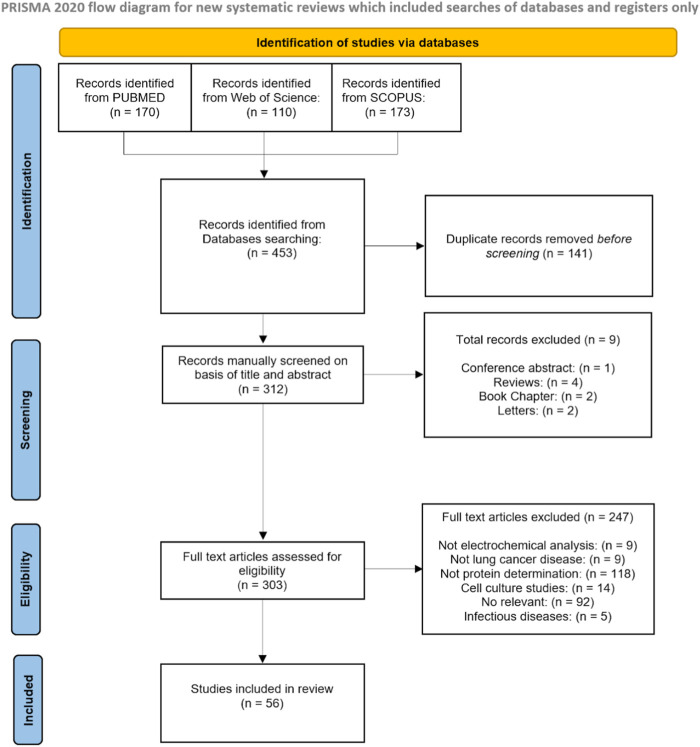 FIGURE 1
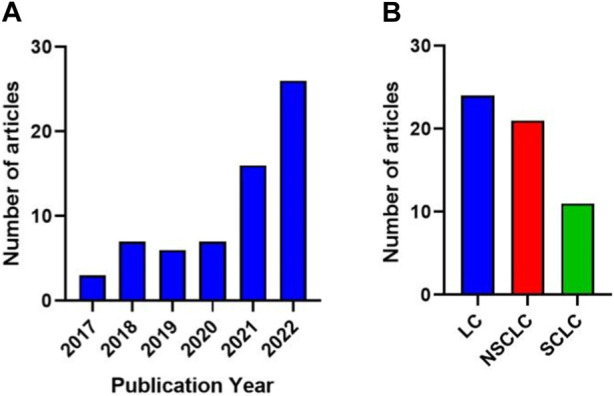 FIGURE 2
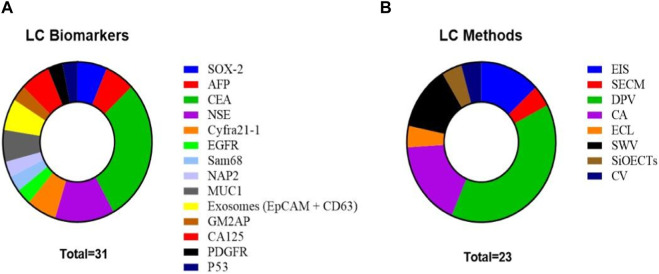 FIGURE 3
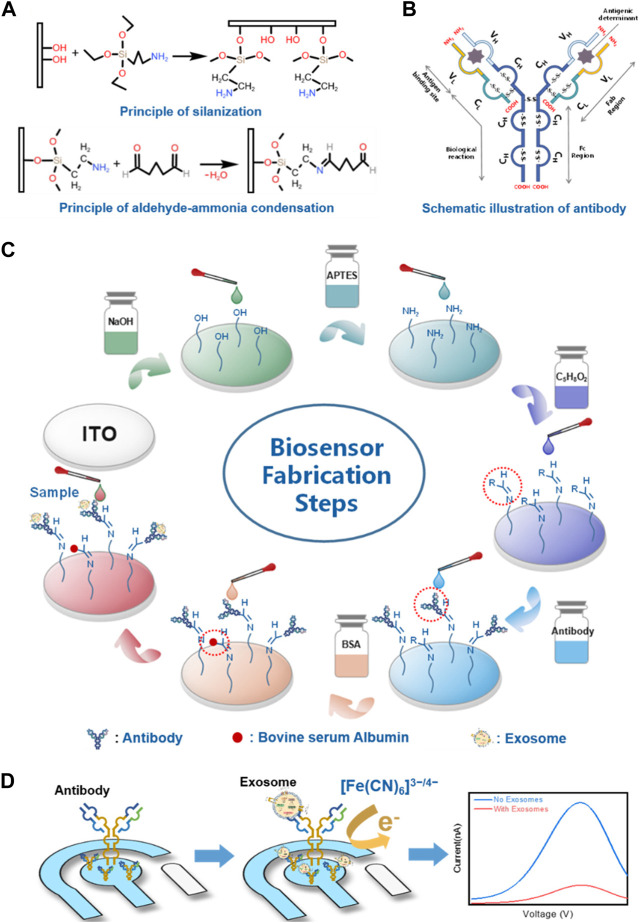 FIGURE 4
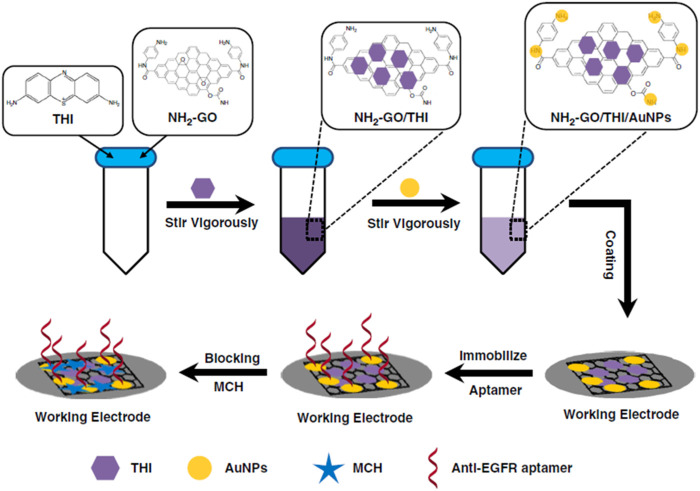 FIGURE 5
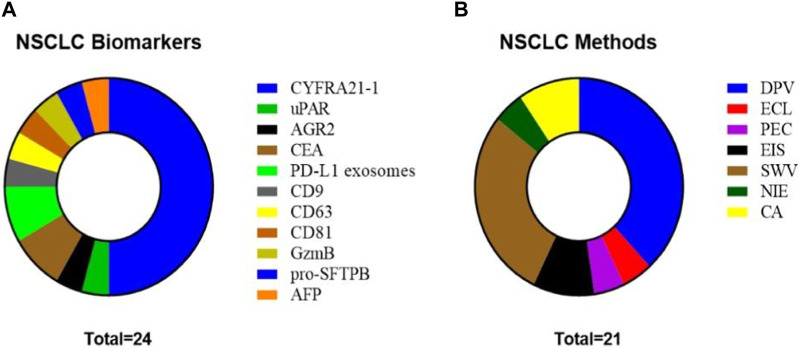 FIGURE 6
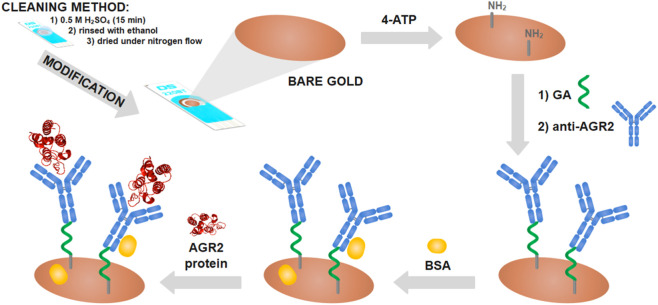 FIGURE 7
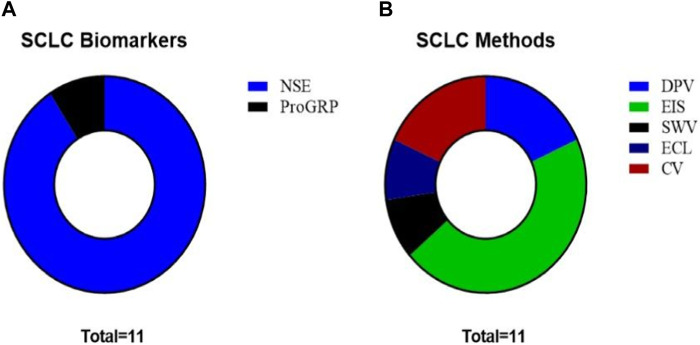 FIGURE 8
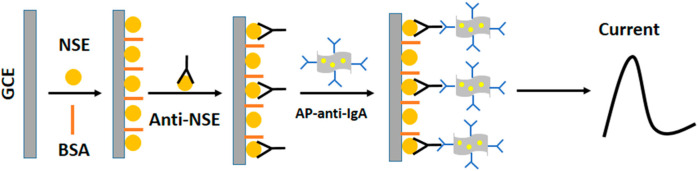 FIGURE 9
| Method | Biomarker | ||
|---|---|---|---|
| CA | Chronoamperometry | AFP | Alpha-fetoprotein |
| CV | Cyclic voltammetry | AGR2 | Anterior gradient 2 |
| DPV | Differential pulse voltammetry | CA125 | Cancer antigen 125 |
| ECL | Electrogenerated chemiluminescence | CEA | Carcinoembryonic antigen |
| EIS | Electrochemical impedance spectroscopy | EGFR | Epidermal growth factor receptor |
| NIE | Nanoparticle impact electrochemistry | GM2AP | Ganglioside GM2 activator protein |
| PEC | Photoelectrochemical cell | ProGRP | Pro-gastrin-releasing peptide |
| SECM | Scanning electrochemical microscopy | GzmB | Granzyme B |
| SWV | Square wave voltammetry | NAP2 | Neutrophil-activating protein-2 |
| EDL | Electric double layer | NSE | Neuron-specific enolase |
| PEC | Photoelectrochemical | MUC1 | Mucin 1 |
| ASV | Anodic stripping voltammetry | PDGFR | Platelet-derived growth factor receptor |
| PDL1 | Programmed death-ligand 1 | ||
| Sam68 | Src associated in mitosis 68-kDa protein | ||
| SFTPB | Pulmonary-surfactant protein | ||
| SOX2 | Transcription factor SOX-2 | ||
| uPAR | Urokinase-type plasminogen activator receptor | ||
| EpCAM | Anti-epithelial cell adhesion molecule | ||
| p53 | Protein53 | ||
| CD44 | Cell-surface glycoprotein | ||
| CD63 | Protein associated with membranes of intracellular vesicles | ||
| CD9 | Protein member of the transmembrane 4 superfamily | ||
| CD81 | Cluster of differentiation 81 | ||
| CYFRA21.1 | Cytokeratin fragment | ||
| Reference | Biomarker | Redox signaling species | Method | Modification | Recognition | LOD | Linear range | Sample |
|---|---|---|---|---|---|---|---|---|
|
| SOX-2 | [Fe(CN)6]3−/4− | EIS | CTES/ITO | Antibodies | 7 fg/mL | 25 fg/mL–2 pg/mL | Serum |
|
| CEA | PBQ | SECM | Pt ME | Antibodies | 40 ng/mL | 5 ng/mL–1 μg/mL | — |
| AFP | 42 ng/mL | |||||||
| NSE | 69 ng/mL | |||||||
| CYFRA21-1 | 67 ng/mL | |||||||
|
| CD44 | [Fe(CN)6]3−/4− | DPV | MWCNTs-PDDA-HA/ITO | HA | 5.94 pg/mL | 0.01–100 ng/mL | serum |
|
| CEA | — | DPV | NG-THI/AuNPs/CE | Aptamer | 2 pg/mL | 0.01–500 ng/mL | Serum |
| NSE | PB-PEDOT/AuNPs/CE | 10 pg/mL | 0.05–500 ng/mL | |||||
|
| CEA | [Fe(CN)6]3−/4− | CA | PdAg MNS/GCE | Antibodies | 0.5 pg/mL | 0.001–40 ng/mL | Serum |
| AFP | 1 pg/mL | 0.005–100 ng/mL | ||||||
|
| CEA | [Fe(CN)6]3−/4− | EIS | MWCNTs/GNPs/HNF/CPE | Antibodies | 0.09 ng/mL | 0.4–125 ng/mL | Serum |
|
| SOX-2 | CT | CA | NPAu/Au | Antibodies | 30 pg/mL | 0.11–30 ng/mL | Serum |
|
| EGFR | — | DPV | NH2-GO/THI/AuNP/CE | Aptamer | 5 pg/mL | 0.05–200 ng/mL | Serum |
|
| Sam68 | [Fe(CN)6]3−/4− | EIS | PANI/Glu/Sam68-Ab/BSA/GCE | Antibodies | 10.5 pg/mL | 1–5 μg/mL | Cell extract |
|
| NAP2 | — | ECL | 5′-NH2-(CH2)6-NBAT-Ru/GCE | Aptamer | 0.008 pM | 0.01–0.1 pM | Plasma |
| 5′-SH-(CH2)6-NBAT-Ru/GE | 0.001 pM | 0.001–0.1 pM | ||||||
|
| MUC1 | TMB | DPV | AuNPs@Cu7S4@Cu/Mn-AzoPPOP | Aptamer | 0.72 fg/mL | 1 fg/mL to 10 pg/mL | Serum |
| CA | 0.82 fg/mL | |||||||
|
| Exosomes (EpCAM + CD63) | TMB | CA | Ti/Au | Aptamer | 5×10² ex/mL | 2.5 × 10³–1 × 10⁷ ex/mL | Serum |
|
| GM2AP | [Fe(CN)6]3−/4− | DPV | PMA/PEI-AuNP/SPCE | Antibodies | 0.51 pg/mL | 0.005–25 ng/mL | Urine |
| 25–400 ng/mL | Serum | |||||||
|
| CEA | CuIIBr/Me6TREN+ | SWV | FMMA/BMP/Apt2-PEI/CEA/MCH/Apt1/Au | Aptamer | 70.17 fg/mL | 10-3–102 ng/mL | Serum |
|
| CEA | — | EDL | AgNWs@PEDOT:PSS Cr/Au | Aptamer | 1 pg/mL | 1 pg/mL–1 μg/mL | Sputum |
| NSE | 0.1 pg/mL | 0.1 pg/mL–1 μg/mL | ||||||
| CA125 | 50 μU/mL | 50 μU/mL–500 U/mL | ||||||
|
| CEA | PBNPs | SWV | PBNPs/Au-rGO/GCE | Antibodies | 0.0032 pg/mL | 0.01 pg/mL–80 ng/mL | Serum |
|
| CEA | [Fe(CN)6]3−/4− | SWV | MWCNT/GCE | Antibodies | 0.03 ng/mL | 0.1–160 ng/mL | Serum |
| CA125 | 0.05 U/mL | 0.5–200 U/mL | ||||||
|
| PDGFR | [Fe(CN)6]3−/4− | DPV | MWCNTs−PDDA−PAA/ITO | PAA | 1.5 pg/mL | 1-10,000 ng/mL | Serum |
|
| Exosomes (EpCAM + CD63) | [Fe(CN)6]3−/4− | DPV | Au–Ti2CTx MXene | Aptamer | 58 ex/μL | 1 × 10²–1 × 10⁷ ex/μL | Serum |
|
| P53 | Zobell’s solution | CV | PGE | Antibodies | 10 pg/mL | 10 pg/mL–10 ng/mL | Serum |
|
| CEA | [Fe(CN)6]3−/4− | DPV | ITO | Antibodies | 10−4 ng/mL | 10-3–10 ng/mL | Cell lines |
| NSE | 10-4–102 ng/mL | |||||||
| CYFRA21-1 | 10-3–102 ng/mL | |||||||
|
| MUC 1 | [Fe(CN)6]3−/4− | DPV | AuNPs@BP/GCE | Aptamer | 1.34 fM | 0.004–400 pM | Serum |
| Reference | Biomarker | Method | Redox signaling species | Modification | Recognition | LOD | Linear range | Sample |
|---|---|---|---|---|---|---|---|---|
|
| CYFRA21-1 | DPV | [Fe(CN)6]3−/4− | Ab1-CYFRA21-1/3D–G/GCE | Antibodies | 43 pg/mL | 0.1–150 ng/mL | Serum |
| HRP-Ab2/AuNPs/Thi/MWCNT-NH2 | ||||||||
|
| CYFRA21-1 | ECL | MoOx QDs/S2O8 2− | GCE/MoOx QDs/Au NP-CS/Anti-CYFRA21-1 | Antibodies | 0.3 pg/mL | 1 pg/mL–350 ng/mL | Serum |
|
| uPAR | DPV | [Fe(CN)6]3−/4− | FTO-GNS/uPAR-Ab | Antibodies | 4.8 fM | 1 fM–1 μM | Serum |
|
| CYFRA21-1 | PEC | [Fe(CN)6]3−/4− | Ab1/p–n AgI/Bi2Ga4O9/ITO | Antibodies | 0.026 pg/mL | 0.1 pg/mL–100 ng/mL | Serum |
| SOD@hMnO2–Ab2 | ||||||||
|
| CYFRA21-1 | DPV | [Fe(CN)6]3−/4− | Anti-CYFRA21-1-Ab1/Si3N4/MoS2–MWCNTs/GCE | Antibodies | 2 fg/mL | 0.01–1.0 pg/mL | plasma |
| MMSNs@AuNPs/anti-CYFRA21-1-Ab2 | ||||||||
|
| AGR2 | EIS | [Fe(CN)6]3−/4− | GSPE | Antibodies | 0.093 fg/mL | 0.01 fg/mL–10 fg/mL | Cell lysate |
|
| CEA | SWV | [Fe(CN)6]3−/4− | Anti-CEA/anti-CYFRA21-1/3D-G/AuNPs/GCE | Antibodies | 0.31 | 0.5–200 ng/mL | Serum |
| CYFRA21-1 | Au-pThi-anti-CYFRA21-1 | 0.18 ng/mL | ||||||
| Au-pMCP-anti-CEA | ||||||||
|
| CYFRA21-1 | SWV | [Fe(CN)6]3−/4− | Ab1/GO/GCE | Antibodies | 0.14 fg/mL | 0.5 fg/mL–10 pg/mL | Serum |
| CPAD-Ab2 | ||||||||
|
| CYFRA21-1 | DPV | [Fe(CN)6]3−/4− | GE/anti-CYFRA21-1-Ab1 | Antibodies | 9.08 fg/mL | 1 pg/mL–1 mg/mL | Serum |
| dAb/NCA | ||||||||
|
| CYFRA21-1 | SWV | TB | Ab1/AuNPs/Ti3C2Tx/GCE | Antibodies | 0.1 pg/mL | 0.5–1×10⁴ pg/mL | Serum |
| Ab2/TB-Au-COF | ||||||||
|
| CYFRA21-1 | NIE | [Fe(CN)6]3−/4− | CFM/AgNPs/Ab1 | Antibodies | 0.1 ng/mL | 0.1–10 ng/mL | Serum |
|
| PD-L1 exosomes | SWV | [Fe(CN)6]3−/4− | MB-aptamer DNA (PD-L1 aptamer)/AuNPs@COFNSs/GCE | Aptamer | 38 particles/μL | 1.2×10²–1.2×10⁷ particles/μL | Serum |
|
| CYFRA21-1 | DPV | [Fe(CN)6]3−/4− | AuNPs@CMK-3@CMWCNTs/GCE | Antibodies | 0.2 pg/mL | 0.5 pg/mL–105 pg/mL | Serum |
|
| CYFRA21-1 | DPV | MB | Au@Rh DNCs | Antibodies | 31.72 fg/mL | 100 fg/mL–100 ng/mL | Serum |
| MB/PtPd/PDA/HCSs | ||||||||
|
| CD9 | DPV | Ag0(Red)/Ag+(Ox) | ZIF-90-ZnO-MoS2/Carbon ink | Antibodies | 10 | 5 × 10⁴–1 × 10⁻⁵ ng/mL | Cell supernatant - Blood |
| CD63 | 1 | |||||||
| CD81 | 1 fg/mL | |||||||
| Exosomes | ||||||||
|
| CYFRA21-1 | DPV | [Fe(CN)6]3−/4− | GCE/rGO/PPy/AgNPs/ssDNA | DNA | 2.4 fM | 1 × 10⁻¹⁴–1 × 10⁻⁶ M | PBS |
|
| GzmB | CA | BCB | SPCE/AuNPs/pPATT-Ab1 | Antibodies | 1.75 pg/mL | 3.0–50.0 | Serum |
| AuNPs/pPATT/TBA/BCB/Ab2 | 50.0–1,000 pg/mL | |||||||
|
| pro-SFTPB | CA | H2O2 | Ab1/AuNPs/BP nanosheets/GCE | Antibodies | 5.3 pg/mL | 10 pg/mL−100 ng/mL | Serum |
| Ab2/PdCu MMN | ||||||||
|
| CYFRA21-1 | SWV | TB | GCE/Nafion-AuNPs/Ab1 | Antibodies | 0.03 pg/mL | 0.5 pg/mL–50 ng/mL | Serum |
| AuNPs@MoS2@Ti3C2Tx/TB-Ab2 | ||||||||
|
| PD-L1 exosomes | SWV | MB | GE/PDDA/AuNPs/CB | Antibodies | 708 particles/mL | 103–109 particles/mL | Serum |
|
| CEA | EIS | [Fe(CN)6]3−/4− | PPy-MO/FTO | MIP | 1.6 | 5–104 | Serum |
| AFP | 3.3 pg/mL | 10–104 pg/mL |
| Reference | Biomarker | Technique | Redox signaling species | Modification | Recognition | LOD | Linear range | Sample |
|---|---|---|---|---|---|---|---|---|
|
| NSE | DPV | [Fe(CN)6]3−/4− | AuNP-RGO | Antibodies | 0.05 ng/mL | 0.1–2,000 ng/mL | Serum |
|
| NSE | DPV | [Fe(CN)6]3−/4− | 3DM rGO/PANI | Antibodies | 0.05 ng/mL | 0.5 pg/mL–10.0 ng/mL | Serum |
|
| NSE | EIS | [Fe(CN)6]3−/4− | P(Thi-g-MAm) polymer | Antibodies | 6.1 fg/mL | 0.02–4 pg/mL | Serum |
|
| NSE | ASV | KCl | 3D-GNS | Antibodies | 0.008 pg/mL | 0.02 pg/mL–35 ng/mL | Serum |
|
| NSE | EIS | [Fe(CN)6]3−/4− | P(Pyr-Epx) | Antibodies | 6.1 fg/mL | 0.02–7.5 pg/mL | Serum |
|
| ProGRP | SWV | [Fe(CN)6]3−/4− | 3D-rGO@Au | Antibodies | 0.14 fg/mL | 1 fg/mL–10 ng/mL | Serum |
|
| NSE | EIS | [Fe(CN)6]3−/4− | rGO/Cu8Ni2 | Antibodies | 137 fg/mL | 500 fg/mL–50 ng/mL | Serum |
|
| NSE | ECL | Luminol–H2O2 | CePO4/CeO2 | Antibodies | 72.4 fg/mL | 76 fg/mL–100 ng/mL | Serum |
|
| NSE | EIS | [Fe(CN)6]3−/4− | rGO-modified r-MoS2 | Antibodies | 1 ng/mL | 1–200 ng/mL | Serum |
| CV | 2.32 ng/mL | 0.1–100 ng/mL | ||||||
|
| NSE | CV | [Fe(CN)6]3−/4− | CS/MoS2 | Antibodies | 3.35 ng/mL | 0.1–100 ng/mL | Serum |
|
| NSE | EIS | [Fe(CN)6]3−/4− | AuNPs@MoS2/rGO | Antibodies | 3 fg/mL | 0.01–1 pg/mL | Plasma |
Peer Reviews
No public reviews on file for this paper yet. If you reviewed it on a platform where reviews are public (OpenReview, ICLR, NeurIPS, ICML), you can paste yours below so the community can read it here.
Videos
No videos yet. Explain this paper in a talk, walkthrough, or lecture? Add one.
Taxonomy
TopicsAdvanced biosensing and bioanalysis techniques · Mass Spectrometry Techniques and Applications · Biosensors and Analytical Detection
1 Introduction
Lung cancer is the leading cause of cancer death in both men and women and the second most common cancer after female breast cancer (Li et al., 2023). Importantly, in the United States, the number of lung cancer cases and lung cancer-related deaths is decreasing due to reduced smoking in the population and the advances in early detection and treatments (Schabath and Cote, 2019). As lung cancer is mostly diagnosed in people older than 65 years, the American Cancer Society recommends early lung cancer screening testing in people after 50 years old with a smoking history in the last 15 years (Ravi et al., 2022). A yearly low-dose computed tomography (CT) scan to screen for lung cancer is recommended (Tanoue et al., 2015), but the high cost of this technique limits lung cancer screening. The lack of alternative cost-effective, sensitive, and specific screening methods for the early detection of lung cancer points out the urgent need for minimally invasive methods for early biomarker detection. Such a tool would provide a diagnostic or a complementary diagnostic tool for lung cancer in the at-risk population (Seijo et al., 2019).
In recent years, several protein biomarkers have been investigated as complementary to low-dose CT or as a direct diagnosis of lung cancer (Triphuridet et al., 2018). In addition to cancer diagnosis, circulating protein biomarkers are useful for monitoring and predicting treatment response, an application that has been validated for most currently identified biomarkers (Zhang J. et al., 2021). Most of these biomarkers are low-abundance proteins, requiring high sensibility and specificity, sophisticated equipment, and specialized personnel (Huang et al., 2016). To overcome these analytical limitations for lung cancer screening, electrochemical analysis emerges as a revolutionary technology to obtain robust results, reducing the time, cost, and assay complexity (Zhu et al., 2015). Electrochemical biosensors are devices containing impedimetric, amperometric, potentiometric, conductometric, or voltammetric transducers for the analysis of biological biomarkers (Yadav et al., 2022). A conventional three-electrode electrochemical cell contains the working electrode (WE), the counter electrode (CE), and the reference electrode (RE) (Brett and Brett, 1993). It is fabricated from stable materials, and the chemical composition of the electrodes significantly affects the analytical parameters during measurement. Current trends in analytical chemistry include the modification of the electrode materials and the functionalization of electrode surfaces as a means to improve analysis time, costs, portability, limits of detection, and quantification (Tang and Ma, 2017).
In this systematic review, we have identified advances in the analysis of lung cancer protein biomarkers by electrochemical methods during the last 5 years, focusing on three classifications of lung cancer (total lung cancer, non-small cell lung cancer, and small cell lung cancer), as well as the type of electrochemical transducer, the electrode modifications, and analytical parameters.
2 Methods
The preferred reporting items for systematic reviews and meta-analysis (PRISMA) guidelines were followed to perform this systematic review (Page et al., 2021). We established our literature search from 1 January 2017 to 30 July 2022 using the SCOPUS, PubMed, ScienceDirect, and Web of Science databases. The search terms were combinations of the following expression in the title, abstract, or keywords: lung AND (disease OR cancer) AND electrochemical NOT review.
Inclusion criteria: Original research publications with an abstract that presented experimental results that applied electrochemical detection for lung cancer diagnosis. Studies report qualitative and quantitative data and refer to the analyzed biomarker, kind of electrochemical transducer, composition, and modification of electrodes. Exclusion criteria: Original research reported in a language other than English, articles without electrochemical analysis, non-protein biomarkers, non-cancer disease, infectious disease, or cell culture studies.
3 Results
3.1 Results of PRISMA statement evidence search and selection
The PUBMED search identified 170 publications; another 110 were found in the Web of Science, and 173 were detected using the SCOPUS databases. The total number of identified records was 453, of which 141 were duplicates that were removed before screening. The remaining 312 records were manually evaluated based on title and abstract. Nine records were excluded as they were conference abstracts (n = 1), reviews (n = 4), book chapters (n = 2), or letters (n = 2). Finally, 303 articles were assessed for eligibility, of which 246 did not meet the inclusion or exclusion criteria as they reported non-electrochemical analysis (n = 9), not related to lung cancer disease (n = 9), no protein determination (n = 117), were cell culture studies (n = 14), were related to infectious diseases: (n = 5), or were not relevant (n = 85). A detailed diagram of the selection process can be seen below in Figure 1.
PRISMA flow diagram.
From the final 57 studies included in this review, the number of publications exponentially increased from 2020 until now (Figure 2A). The studies were classified into three categories according to the type of tumor: total lung cancer (LC), which comprises indistinctly all kinds of LC, non-small cell lung cancer (NSCLC), and small cell lung cancer (SCLC) (Figure 2B). Table 1 shows a list of abbreviations of methods and biomarkers.
(A) The number of publications exponentially increased from 2020 until now. (B) Number of publications according to the type of tumor: total lung cancer (LC), non-small cell lung cancer (NSCLC), and small cell lung cancer (SCLC).
4 Electrochemical detection methodologies for different lung cancer types
4.1 Total lung cancer (LC)
In the last 5 years, a wide range of lung cancer biomarkers, such as sex-determining region Y-box 2 (SOX-2), alpha-fetoprotein (AFP), carcinoembryonic antigen (CEA), neuron-specific enolase (NSE), cytokeratin-19-fragment (CYFRA21-1), CD44, cell-surface glycoprotein (CD44), epidermal growth factor receptor (EGFR), Src-associated protein in mitosis 68 (Sam68), neutrophil-activating peptide 2 (NAP2), LC-18, mucin 1 (MUC1), ganglioside GM2 activator protein (GM2AP), cancer antigen 125 (CA125), platelet-derived growth factor receptor (PDGFR), exosomes (epithelial cell adhesion molecule (EpCAM) + CD63), and P53, have been studied by electrochemical detection methodologies (Figure 3A). Our systematic search found 24 studies reporting various electrochemical techniques (Figure 3B), some of which use modifications and functionalization of electrodes in order to improve the analytical properties for real clinical samples (serum, plasma, sputum, cells, or urine) obtained from patients with lung cancer.
(A) Total LC biomarkers studied in the reviewed articles. (B) Electrochemical methods used in the reviewed articles for biomarker analysis in all forms of lung cancer.
4.1.1 SOX-2 and CEA
Sex-determining region Y-box 2 (SOX-2) has been considered a biomarker of lung cancer. SOX-2 is a transcription factor key to maintaining stem cells, essential for early development, that is expressed in adult lung tissue (Lu et al., 2010). SOX-2 overexpression has been found in all types of lung cancer (SCLC and NSCLC). While a cut-off for its clinical application has not been standardized, it is a good biomarker candidate and also a potential therapeutic target (Karachaliou et al., 2013). Aydin and Sezgintürk (2017) reported the electrochemical detection of SOX-2 in serum samples with a novel immunosensor via the modification of a disposable indium tin oxide (ITO) thin film-based electrode with carboxyethylsilanetriol (CTES). Later, Regiart et al. (2020) proposed a microfluidic electrochemical immunosensor for SOX-2, specifically, a modified electrode with gold nanoporous structures (NPAu) that uses the dynamic hydrogen bubble template (DHBT) method.
Carcinoembryonic antigen (CEA) is a glycoprotein that is normally produced in very low levels by some cells in the body, but its levels can rise in the blood of individuals with certain types of cancer, including lung cancer, where it has a standardized cut-off of 3.2 ng/mL (Okamura et al., 2013). CEA is one of the most used electrochemical biomarkers, although its use as a single biomarker for disease diagnosis and prognosis is still controversial (Grunnet and Sorensen, 2012). As a first example, Paimard et al., 2020 presented an electrochemical immunosensor based on carbon paste electrodes (CPE) modified with honey nanofibers (HNF) by electrospinning, which in turn were decorated with gold nanoparticles (GNPs) by electrodeposition and multi-wall carbon nanotubes (MWCNTs) functionalized with carboxylic acid groups. Then, Zhou et al. (2022) described an electrochemical biosensor based on dual-signal amplification through electrically mediated atom transfer radical polymerization (eATRP) to significantly improve the level of detection (LOD). The subsequent covalent conjugation of 2-bromo-2-methylpropionic acid (BMP) allowed eATRP initiation to graft numerous ferrocene methyl methacrylate (FMMA) monomers onto the modified electrode under electrocatalysis. A rather interesting design by Wang X. et al. (2022) describes a “dual-signal off” electrochemical immunosensor based on the combination of two functionalized solid supports. On one hand, Prussian blue nanoparticles (PBNPs) covered with gold nanoparticles-reduced graphene oxide (Au-rGO), and, on the other hand, mesoporous silica nanoshells coated with copper peroxide (CuO_2_@SiO_2_) nanocomposites allow the release of Cu^2+^ and H_2_O_2_ under acidic conditions. The generated Cu^2+^ replaces the high-spin iron (Fe^III^) in the PBNPs, which in turn reduces the PBNPs’ oxidation peak current.
4.1.2 CEA combinations
Although an accurate determination of CEA may be used as a biomarker in a clinical setup, the accuracy of cancer diagnosis can be increased by detecting several biomarkers in a given sample. Our search rendered several assays developed for multiple and simultaneous biomarker determination in addition to CEA. Ning et al. (2018) developed an immune sandwich structure with antibodies for CEA, alpha-fetoprotein (AFP), neuron-specific enolase (NSE), and cytokeratin-19-fragment (CYFRA21-1) on a microarray coupled with scanning electrochemical microscopy (SECM). Upon addition of sample proteins and HRP-labeled antibodies, HRP catalyzed the oxidation of hydroquinone (H_2_Q) to form benzoquinone (BQ) in the presence of H_2_O_2_ on the spots. To avoid the need for cleanroom fabrication, Wang et al. (2019) developed a paper-based electrochemical aptasensor for the detection of carcinoembryonic antigen (CEA) and NSE. To achieve the simultaneous detection of the two markers, the authors used two microfluidic channels and two screen-printed carbon ink working electrodes. The electrodes were modified with amino-functional graphene-thionin-gold nanoparticles (NG-THI-AuNPs) and Prussian blue-poly(3,4-ethylenedioxythiophene)-AuNPs (PB-PEDOT-AuNPs) nanocomposites. A different approach to detecting two biomarkers was used by Li et al. (2020), who proposed a novel electrical signal difference strategy for CEA and AFP detection employing a glassy carbon electrode (GCE). Recently, Zhang R. et al. (2022) broadened the type of sample that could be analyzed by developing a portable multi-channel interdigitated organic electrochemical transistor (SiOECTs) device for noninvasive CEA, NSE, and cancer antigen 125 (CA125) in sputum. Later, simultaneous electrochemical immunodetection of CEA and CA125 was reported by Liu et al. (2022), who developed an immunosensor based on copper-tetrakis (4-carboxyphenyl) porphyrin (Cu-TCPP) nanomaterials and toluidine blue (TB) plus PB as the indicators with a different redox signal. As a last example, Fan et al. (2022) approached the multiplexing detection using a tri-channel electrochemical immunobiosensor for CEA, NSE, and CYFRA21-1 detection in exosomes by using indium tin oxide electrode (ITO) functionalized with (3-aminopropyl) triethoxysilane (APTES) (Figure 4).
Schematic representation of the designed immunosensor for exosome biomarker detection. (A) Principle of the silanization process by APTES and aldehyde–ammonia condensation by glutaraldehyde on the hydroxylated working electrode. (B) Schematic illustration of antibody. (C) Fabrication procedures of the electrochemical immunosensor. (D) Principle of differential pulse voltammetry for the detection of exosomes. Reprinted with permission from Fan et al. (2022) (https://creativecommons.org/licenses/by/4.0/).
4.1.3 Surface glycoproteins
Several cell-surface glycoproteins that are overexpressed in lung cancer have been used as biomarkers in cancer diagnosis, and their applicability in serum analysis needs better understanding.
For CD44, a transmembrane glycoprotein that is widely expressed on the surface of cells in the majority of normal and carcinomatous tissues, Białobrzeska et al. (2021) used hyaluronic acid (HA) as a sensing element to design a label-free electrochemical sensor for CD44 based on ligand–protein interactions. A representative approach in the liquid biopsy field is the work by Zhang J. et al. (2021), who reported a micropatterned electrochemical aptasensor integrated with a hybridization chain reaction (HCR) signal amplification method using anti-CD63 aptamer-functionalized gold microelectrodes for EVs capture and anti-epithelial cell adhesion molecule (EpCAM) aptamers for detection. CD63 is a member of the tetraspanin family and a generalized biomarker of total EVs. For its part, EpCAM is a molecular adhesion protein overexpressed in all epithelial-origin cancers, including lung cancer; its combined analysis results in an assessment of circulating epithelial EVs. You et al. (2022) constructed an electrochemical biosensor based on Ti_2_CT_x_ MXene nanosheets decorated with a gold nanoarray for exosome detection using anti-EpCAM aptamers as sensing elements.
Another protein employed as a biomarker is mucin 1 (MUC1), a glycoprotein member of the mucin family that has been found to be increased in lung cancer; its anti-adhesion characteristics and cell signaling implications support the role of MUC1 in the development of human lung cancer and its potential as a biomarker (Saltos et al., 2018). The electrochemical detection of MUC1 was reported by Zhao et al. (2021), who developed a novel hybrid peroxidase mimetic structure to amplify the sensitivity towards the decomposition of H_2_O_2_ by anchoring Cu_7_S_4_ and AuNPs on a porphyrin-based porous organic polymer (PPOP) and catalytic hairpin assembly (CHA) to amplify signals. Xie et al. (2022) proposed an electrochemical ratiometric aptasensor with intrinsic self-calibration properties. Co-metal-organic frameworks (MOFs) were employed as signal substances. The gold nanoparticles@black phosphorus (BP) comprising the electrode substrate was modified via an Au-S bond with DNA nano-tetrahedrons (DTN) containing MUC1 aptamers.
4.1.4 Membrane receptors
Overexpressed growth factor receptors are associated with cancer development and have been studied as biomarkers. Wang et al. (2020) designed an electrochemical origami paper-based aptasensor for label-free detection of epidermal growth factor receptor (EGFR) by employing anti-EGFR aptamers as the bio-recognition element. The hydrophobic areas were created by wax printing, and the electrodes were screen printed. Amino-functionalized graphene/thinine/gold nanoparticle nanocomposites were used to modify the carbon ink working electrode and accommodate the anti-EGFR aptamers through Au-S bonds (Figure 5). Rejeeth et al. (2022) used poly (acrylic acid) (PAA) as an affinity bait molecule to capture and detect the platelet-derived growth factor receptor (PDGFR).
Modification process of the origami-paper-based EGFR aptasensor. Reprinted with permission from Wang et al. (2020) (https://creativecommons.org/licenses/by/4.0/).
4.1.5 Others
Sumithra et al. (2020) fabricated an impedimetric biosensor for the splicing factor called Src-associated protein in mitosis 68 (Sam68) detection. Sam68 is overexpressed as lung cancer advances to metastatic stages and thus can be considered a biomarker of disease progression. In this case, the affinity capture molecule is an anti-Sam68 antibody, which is immobilized via glutaraldehyde over a GCE modified with polyaniline (PANI). Chen et al. (2020) detected the early LC biomarker neutrophil-activating peptide 2 (NAP2) with two variants of a signal-off/on electrochemiluminescence (ECL) deoxyribosensors. Another example of immunoaffinity capture and detection is the electrochemical immunosensor designed by Kuntamung et al. (2021) for GM2 activator protein (GM2AP) detection. GM2AP is a novel urinary biomarker in LC patients, who can show over a five-fold increase in this biomarker compared to healthy controls. In brief, screen-printed carbon electrodes were modified with polyethyleneimine-coated gold nanoparticles (PEI-AuNP), phosphomolybdic acid (PMA), and anti-GM2AP antibodies. GM2AP detection is based on a decrease in the differential pulse voltammetry (DPV) current response of PMA redox probes proportional to the GM2AP concentrations. Finally, following the immunoaffinity capture strategy, Deepa et al. (2022) reported an amperometric immunosensor to detect p53, a tumor suppressor gene known as the “guardian of the genome” because its principal function is the control of repairing DNA that is highly activated in cancer. This rather simple device was fabricated by immobilizing anti-p53 antibodies onto a pencil graphite electrode (PGE) via adsorption. Table 2 summarizes the principal characteristics of reviewed articles in total LC.
4.2 Non-small cell lung cancer (NSCLC)
NSCLC is the most common form of lung cancer, accounting for about 85% of lung cancer cases. Because early detection and treatment of LC patients are closely related to an increased survival rate, accurate screening methods are needed. Some biomarkers for this specific cancer type have been analyzed in the last 5 years using electrochemical detection methodologies such as CYFRA21-1, anterior gradient-2 protein (AGR2), CEA, programmed dead-ligand 1 (PD-L1), protein member of the transmembrane 4 superfamily (CD9), protein associated with membranes of intracellular vesicles (CD63), cluster of differentiation 81 (CD81), urokinase-type plasminogen activator receptor (uPAR), granzyme B (GzmB), pro-surfactant protein B (pro-SFTPB), and AFP. Figure 6 depicts the distribution of biomarkers and electrochemical methods used by the different authors. CYFRA21-1 is the most detected biomarker, and DPV is the most popular technique, followed by square wave voltammetry (SWV).
(A) NSCLC biomarkers studied in the reviewed articles. (B) Methods used in the reviewed articles for biomarker analysis in NSCLC.
4.2.1 CYFRA21-1
CYFRA21-1 has been extensively evaluated as an NSCLC biomarker and, in consequence, many sensors have been developed for its analysis. It is part of the cytokeratins family and forms the cytoskeleton filaments of all epithelial cells. Its application in LC diagnosis is very well documented, with a diagnosis cut-off of 3.5 ng/mL (Okamura et al., 2013). In 2018, Zeng et al. (2018) reported a sandwich-type electrochemical immunosensor showcasing a composite structure consisting of three-dimensional graphene (3D-G), chitosan (CS), and glutaraldehyde (GA) on a GCE to expand the surface area with exceptional conductivity. Then, in another interesting approach, Meng et al. (2019) presented an electrochemiluminescent (ECL) immunoassay by using molybdenum oxide quantum dots (MoOx QDs). Later, Feng et al. (2021) presented a microfluidic system that combined a microelectrode and a cathodic photoelectrochemical (PEC) biosensor. The amplification mechanism hinges on the p–n junction of AgI/Bi_2_Ga_4_O_9_, with dissolved O_2_ serving as an electron acceptor, resulting in the production of superoxide anion radicals (˙O_2_−) as the working microelectrode. To further enhance the detection capability, a novel superoxide-dismutase-loaded honeycomb manganese oxide nanostructure (SOD@hMnO_2_) was employed as a co-catalyst signal amplification label.
Yola et al. (2021) developed a sensor that employs a composite material comprised of silicon nitride (Si_3_N_4_) and molybdenum disulfide (MoS_2_) incorporated onto multi-walled carbon nanotubes (MWCNTs) as the reaction platform. Additionally, it utilizes core-shell magnetic mesoporous silica nanoparticles@gold nanoparticles (MMSNs@AuNPs) as a signal amplifier. In a study by Yang et al. (2021) that aimed to detect CYFRA21-1, they distributed GNPs on the surface of three-dimensional graphene (3D-G) attached to a GCE with thionine (thi) and m-cresol purple (MCP) as signal tags. In the same year, Wang et al. (2021) presented an electrochemical immunosensor where graphene oxide (GO) was immobilized into the GCE as an immune reaction support. Then, a secondary antibody was conjugated with 4-cyano-4-(phenylcarbonothioylthio) pentanoic acid (CPAD) to be introduced into the sandwich reaction. Finally, the immunocomplex was linked to numerous monomers through reversible addition-fragmentation chain transfer (RAFT) polymerization. In another work, Lu et al. (2021) proposed a novel electrochemical immunosensor based on the ring-opening polymerization (ROP) signal amplification strategy. At the same time, Cheng and Hu. (2021) developed a sandwich-type electrochemical immunosensor based on a combination of gold nanoparticle (AuNPs) decorated Ti_3_C2Tx-MXene (Au-Ti_3_C2Tx) over a GCE. Another novel sensor proposed by Zhang J. et al. (2021) employed nanoparticle impact electrochemistry (NIE) using silver nanoparticles (AgNPs) as labels. The approach is grounded in measuring the impact frequency and the charge intensity resulting from the electrochemical oxidation of individual AgNPs. Recently, Gu et al. (2022) chose mesoporous carbon CMK-3 to mix with carboxylated multi-walled carbon nanotubes (CMWCNTs) to enhance electron transfer efficiency. Furthermore, gold nanoparticles (AuNPs) were incorporated to offer a multitude of binding sites for antibodies.
In another interesting approach, Feng et al. (2022) developed an immunosensor by encapsulating an electroactive dye, such as methylene blue (MB), to enhance signal amplification. In the same year, Hu et al. (2022) synthesized AuNPs@MoS_2_@Ti_3_C_2_Tx composites, where titanium carbide (Ti_3_C_2_Tx) was modified with gold nanoparticles (AuNPs) and molybdenum disulfide (MoS_2_) and used as a solid support. Finally, Jafari-Kashi et al. (2022) designed a novel label-free electrochemical DNA biosensor based on the oxidation signal of guanine.
4.2.2 NO CYFRA21-1 biomarkers
In recent years, an increasing number of promising biomarkers with clinical relevance in NSLC have been discovered, and several electrochemical analysis developments have resulted. In this sense, Roberts et al. (2019) developed an electrochemical immunosensor for the swift identification of urokinase-type plasminogen activator receptor (uPAR), an important factor of the fibrinolytic system in tumor progression and metastasis. This investigation employed a cutting-edge ultrasensitive electrode crafted from graphene nanosheets (GNS) functionalized with a monoclonal antibody. Next, Białobrzeska et al. (2021) fabricated a biosensor based on a screen-printed gold electrode functionalized with monoclonal antibodies for impedance quantification of anterior gradient-2 protein (AGR2) that is a protein widely secreted in precancerous lesions, primary tumors, and metastatic tumors (Figure 7). Saputra et al. (2022) developed an amperometric biosensor for the sensitive detection of granzyme B (GzmB) using a dual monomer-based bioconjugate; GzmB is a serine protease highly expressed in immune cells and tumor microenvironments that is a promising biomarker when it is detected in serum. Furthermore, Chai et al. (2022) developed an electrochemical immunosensor for the ultrasensitive detection of pro-surfactant protein B (pro-SFTPB). This proprotein is produced by alveolar cells and released into the alveolar compartments. This sensor utilized innovative binary PdCu mesoporous metal nanoparticles as signal labels and employed black phosphorus (BP) nanosheets and AuNPs for electrode modification. Finally, Taheri et al. (2022) developed a highly effective sensing layer using a dual-template molecularly imprinted polymer (DMIP) for the individual detection of two lung cancer biomarkers: CEA and AFP.
Schematic stages of modified screen-printed gold electrodes. 4-ATP is 4-aminothiophenol, GA is glutaraldehyde, and anti-AGR2 is the AGR2 antibody. Reprinted with permission from Białobrzeska et al. (2021) (https://creativecommons.org/licenses/by/4.0/).
4.2.3 Extracellular vesicles
Interestingly, three manuscripts focused on the quantification of specific exosomes with clinical relevance in NSCLC. Wang M. et al. (2022) developed a highly sensitive biosensor capable of detecting programmed dead-ligand 1 positive (PD-L1+) exosomes by utilizing covalent organic framework nanosheets (2D COF NSs) and CRISPR-Cas12a for signal amplification. Then, Sha et al. (2022) presented a DNA-fueled electrochemical sensor for the identification of PD-L1+ exosomes. These exosomes were enriched by using magnetic beads decorated with PD-L1 antibodies and could interact with cholesterol-modified hairpin templates. Then, programmable DNA synthesis starting from the hairpin template triggers a primer exchange reaction and generates a large number of extension products to activate the trans-cleavage activity of CRISPR-Cas12a to enhance the reaction. Finally, Zhang Y. et al. (2022) developed an MOF-based electrochemical liquid biopsy (ELB) platform that offers efficient, sensitive, and multiplexed detection of cancer exosomes by detecting CD9, CD63, and CD81, which are the members of the tetraspanin family employed as an EV-specific marker. Table 3 summarizes the principal characteristics of reviewed articles about NSCLC.
4.3 Small cell lung cancer (SCLC)
Approximately 15%–20% of the new cases of LC are small cell lung cancer; these cancers are at an advanced stage by the time most of these patients are diagnosed. In the last 5 years, most manuscripts analyzed the NSE biomarker; this protein is a glycolytic enzyme largely expressed in neuroendocrine tumors. NSE can serve as the assumed serum or plasma marker of this cancer and exhibits a remarkably diagnostic specificity and sensitivity. Its application as an SCLC biomarker is being employed with a standardized cut-off of 20.5 ng/mL (Satoh et al., 2002). In this section, we review the articles focused on this tumor type (Figure 8).
(A) SCLC biomarkers studied in the reviewed articles. (B) Methods employed in the reviewed articles for biomarker analysis in SCLC.
Ten studies focused on the analysis of NSE. Among these, Wei et al. (2017) developed an electrochemical immunosensor using a gold nanoparticle/reduced graphene oxide composite (AuNP-RGO) (Figure 9). Then, Zhang et al. (2018) reported a label-free electrochemical immunoassay using a three-dimensionally macroporous reduced graphene oxide/polyaniline (3DM rGO/PANI) film. In the next year, Aydin et al. (2019) developed an impedimetric immunosensor based on a poly(thiophene)-graft-poly(methacrylamide) polymer [P(Thi-g-MAm)]-modified ITO electrode for neuron-specific enolase detection in human serum. The P(Thi-g-MAm) polymer acts as a platform for the immobilization of NSE-specific monoclonal antibodies. In the same year, Fang et al. (2019) designed an electrochemical immunoassay with a triple signal amplification strategy using a porous three-dimensional graphene-starch architecture (3D-GNS). In addition, Aydin et al. (2020) designed a label-free immunosensor for NSE detection using an epoxy-substituted-polypyrrole P(Pyr-Epx) polymer as an immobilization platform. Furthermore, Yi et al. (2022) constructed an electrochemical immunosensor based on a reduced graphene oxide/Cu_8_Ni_2_ (rGO/Cu_8_Ni_2_) nanocomposite. In that year, Li et al. (2022) developed an electrochemiluminescence biosensor using CePO_4_/CeO_2_ heterostructures as sensing substrates.
Schematic representation of the designed electrochemical immunosensor for neuron-specific enolase (NSE) detection. Reprinted with permission from Wei et al. (2017) (https://creativecommons.org/licenses/by/4.0/).
Karaman et al. (2022) developed an electrochemical immunosensor using gold nanoparticle-modified molybdenum disulfide and reduced graphene oxide (AuNPs@MoS_2_/rGO) as the electrode platform. Khatri and Puri (2022a), Khatri and Puri (2022b) presented two electrochemical sensors in 2022. The first electrochemical biosensor for NSE detection used rGO-modified r-MoS2 multi-layered nanosheets as a matrix, and the second one was an immunosensor that used gold nanoparticle-modified molybdenum disulfide and reduced graphene oxide (AuNPs@MoS_2_/rGO) as the electrode platform. Lastly, Liu et al. (2021) reported an electrochemical immunosensor for the detection of a singular biomarker called pro-gastrin-releasing peptide (ProGRP). This sensor was fabricated based on a three-dimensional reduced graphene oxide-gold nanoparticles (3D-rGO@Au) composite. Table 4 summarizes the principal characteristics of reviewed articles about SCLC.
5 Discussion
The present review has identified the application of electrochemical detection methodologies into three sections: Total LC, NSCLC, and SCLC. In total LC, the focus is on various biomarkers such as SOX-2, AFP, CEA, NSE, Cyfra21-1, CD44, EGFR, and others. The review highlights studies utilizing several highly sensitive electrochemical techniques and electrode modifications for improved analytical properties in real clinical samples. The examples provided, like the electrochemical detection of SOX-2 and CEA, showcase the diversity in methods, including microfluidic devices and biosensors, to enhance sensitivity and specificity through the use of biomolecules such as monoclonal antibodies and aptamers.
The discussion on NSCLC emphasizes the analysis of biomarkers such as CYFRA21-1, AGR2, CEA, PD-L1, CD9, CD63, CD81, Upar, GzmB, pro-SFTPB, and AFP. The graphical representation in Figure 4 illustrates the distribution of biomarkers and the popularity of electrochemical techniques such as differential pulse voltammetry (DPV) and square wave voltammetry (SWV). The prominence of CYFRA21-1 as the most detected biomarker suggests its potential significance in NSCLC diagnosis.
For SCLC, which accounts for 15%–20% of LC cases, the focus is primarily on the NSE biomarker. NSE is highlighted for its diagnostic specificity and sensitivity. The discussion in this section may provide insights into the potential of NSE as a marker for SCLC, offering a basis for future research and clinical applications.
At the same time, it is important to discuss the rapid advancement in biosensor development for clinical biomarker analysis. Examples include the many sensors developed for biomarkers whose clinical applications have yet to be demonstrated or do not yet have standardized cut-off values. Only CEA, CYFRA-21, and NSE have predefined values for diagnosis and are the only markers widely investigated in clinical settings. The appearance of a new promising biomarker typically leads to the development of an electrochemical sensor that, in principle, meets the analytical requirements of the biomarker, even when those values have not been well studied. This suggests that, in lung cancer, there is no time to wait for the true value of the analyte before initiating significant efforts to develop new analytical strategies. However, these efforts could be in vain if those biomarkers do not demonstrate good performance and applicability. In the near future, considering the need for new biomarkers with diagnostic and predictive value and the increasing research in biomarker discovery, the number of electrochemical sensors in all subtypes of lung cancer will continue to increase in the same way as we have observed over the last 5 years.
6 Conclusion
This review provides a comprehensive overview of recent advancements in electrochemical detection methodologies for LC biomarkers. The inclusion of specific studies, methodologies, and detection limits contributes to the depth of the discussion, making it a valuable resource for researchers and clinicians interested in the field of LC diagnosis. Specific LC biomarkers can be detected with modern electrochemical methodologies and detection techniques. Methodologies based on the development of electrochemical immunosensors and microfluidic devices with the incorporation of nanomaterials as platforms for immobilizing biomolecules, such as specific monoclonal antibodies, are widely used in cancer diagnosis. In addition, multiplex electrochemical devices have been developed that have the advantage of detecting more than one specific biomarker at a time. In general, these electrochemical methodologies present advantages such as short analysis times, low cost, portability, low detection limits, and low consumption of reagents and samples. In addition, qualified personnel are not needed to use these methodologies. Finally, methodologies based on electrochemical detection techniques represent an interesting analytical tool that can be of great help for LC diagnosis and monitoring of the treatment of the disease in patients.
The reference list from the paper itself. Each links out to its DOI / PubMed record.
- 1Aydın E. B.Aydın M.Sezgintürk M. K. (2020). Selective and ultrasensitive electrochemical immunosensing of NSE cancer biomarker in human serum using epoxy-substituted poly(pyrrole) polymer modified disposable ITO electrode. Sensors Actuators, B Chem. 306, 127613. 10.1016/j.snb.2019.127613 · doi ↗
- 2Aydın E. B.Sezgintürk M. K. (2017). A sensitive and disposable electrochemical immunosensor for detection of SOX 2, a biomarker of cancer. Talanta 172, 162–170. 10.1016/j.talanta.2017.05.048 28602290 · doi ↗ · pubmed ↗
- 3Aydın M.Aydın E. B.Sezgintürk M. K. (2019). A highly selective poly(thiophene)-graft-poly(methacrylamide) polymer modified ITO electrode for neuron-specific enolase detection in human serum. Macromol. Biosci. 19, e 1900109–e 1900112. 10.1002/mabi.201900109 31222894 · doi ↗ · pubmed ↗
- 4Białobrzeska W.Dziąbowska K.Lisowska M.Mohtar M. A.Muller P.Vojtesek B. (2021). An ultrasensitive biosensor for detection of femtogram levels of the cancer antigen agr 2 using monoclonal antibody modified screen-printed gold electrodes. Biosensors 11, 184–211. 10.3390/bios 11060184 34200338 PMC 8230265 · doi ↗ · pubmed ↗
- 5Brett C.Brett A. (1993). Electrochemistry: principles, methods, and applications. New York: Oxford University Press.
- 6Chai X.Gao J.Cui Q.Zhao L. (2022). Enzyme-free sandwich-type electrochemical immunosensor based on high catalytic binary Pd Cu mesoporous metal nanoparticles and conductive black phosphorous nanosheets for ultrasensitive detection of pro-SFTPB in non-small cell lung cancer. J. Electroanal. Chem. 917, 116415. 10.1016/j.jelechem.2022.116415 · doi ↗
- 7Chen Y.Sun L.Qiao X.Zhang Y.Li Y.Ma F. (2020). Signal-off/on electrogenerated chemiluminescence deoxyribosensors for assay of early lung cancer biomarker (NAP 2) based on target-caused DNA charge transfer. Anal. Chim. Acta 1103, 67–74. 10.1016/j.aca.2019.12.049 32081190 · doi ↗ · pubmed ↗
- 8Cheng J.Hu K.Liu Q.Liu Y.Yang H.Kong J. (2021). Electrochemical ultrasensitive detection of CYFRA 21-1 using Ti 3C 2Tx-M Xene as enhancer and covalent organic frameworks as labels. Anal. Bioanal. Chem. 413, 2543–2551. 10.1007/S 00216-021-03212-Y 33576855 · doi ↗ · pubmed ↗