Apoptosis in Postmortal Tissues of Goat Spinal Cords and Survival of Resident Neural Progenitors
Andrey Mikhailov, Yoshiyuki Sankai

TL;DR
This study shows that neural progenitor cells in goat spinal cords remain viable for up to 54 hours after death, making them a potential source for tissue repair.
Contribution
The study provides new evidence that postmortal spinal cords can be a source of viable neural progenitor cells for therapeutic use.
Findings
TUNEL-positive cells did not increase in areas with GD2-positive neural progenitors over 54 hours postmortem.
Active caspase 3 levels increased moderately over time, but apoptosis was rare among CD24/GD2-positive cells.
Postmortal spinal cords contain viable allogenic neural progenitor cells suitable for harvesting.
Abstract
Growing demand for therapeutic tissue repair recurrently focusses scientists’ attention on critical assessment of postmortal collection of live cells, especially stem cells. Our study aimed to assess the survival of neuronal progenitors in postmortal spinal cord and their differentiation potential. Postmortal samples of spinal cords were obtained from human-sized animals (goats) at 6, 12, 24, 36, and 54 h after slaughter. Samples were studied by immunohistology, differentiation assay, Western blot and flow cytometry for the presence and location of GD2-positive neural progenitors and their susceptibility to cell death. TUNEL staining of the goat spinal cord samples over 6–54 h postmortem revealed no difference in the number of positive cells per cross-section. Many TUNEL-positive cells were located in the gray commissure around the central canal of the spinal cord; no increase in…
Genes, proteins, chemicals, diseases, species, mutations and cell lines named across the full text — each resolved to its canonical identifier and authoritative record.
Click any figure to enlarge with its caption.
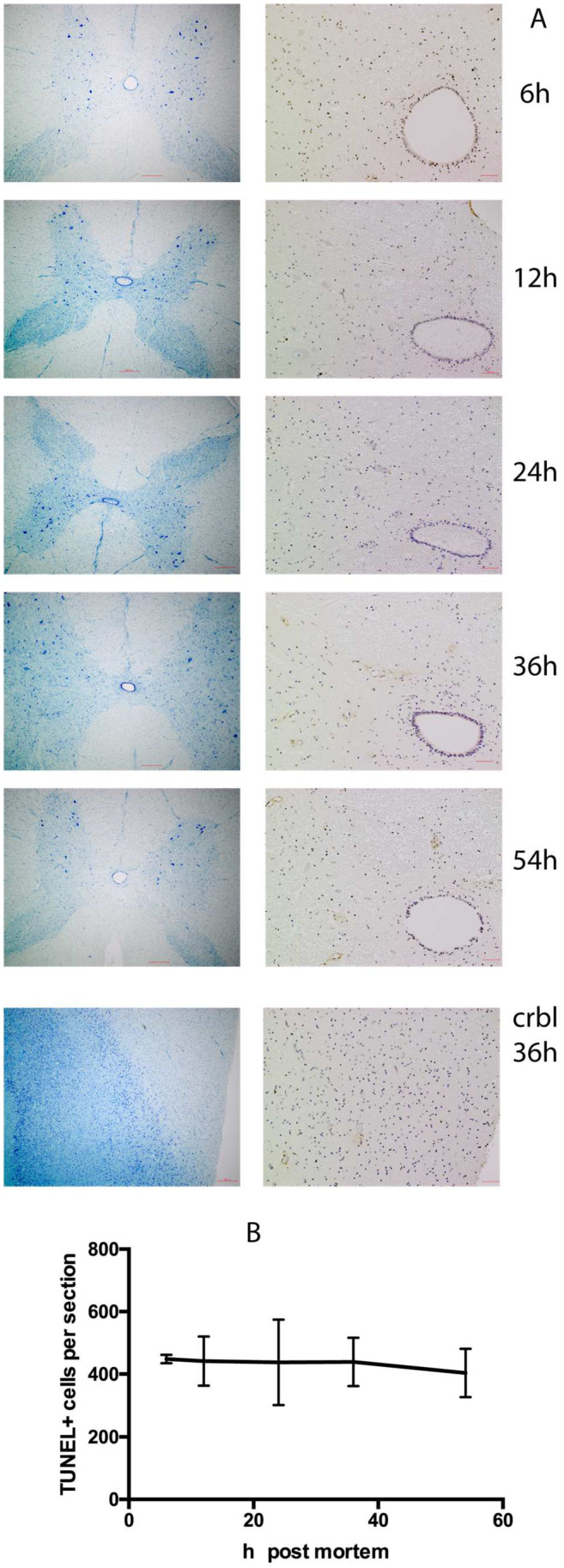 Figure 1
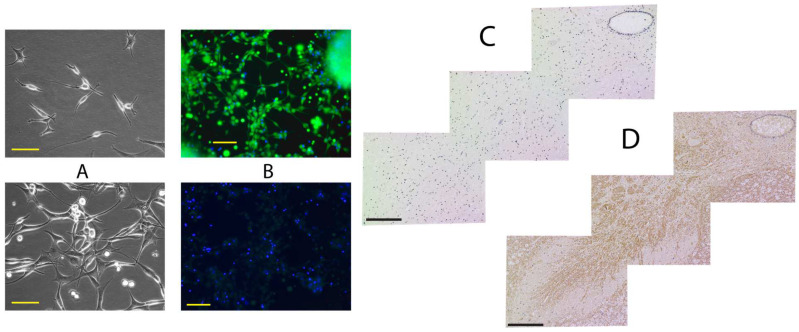 Figure 2
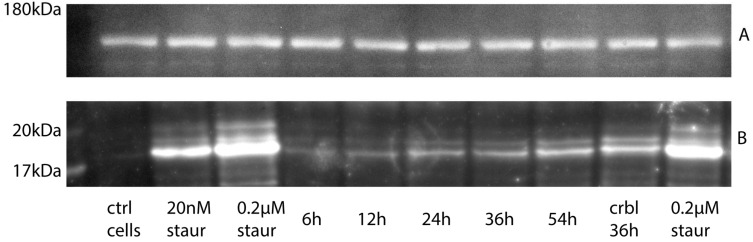 Figure 3
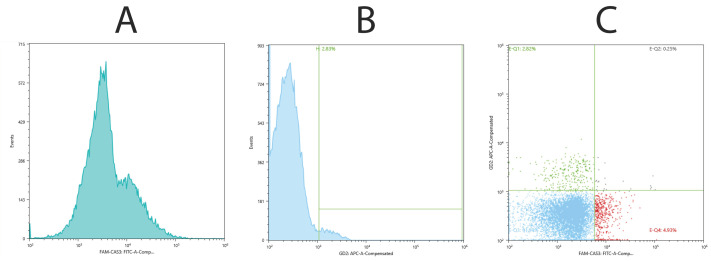 Figure 4
Peer Reviews
No public reviews on file for this paper yet. If you reviewed it on a platform where reviews are public (OpenReview, ICLR, NeurIPS, ICML), you can paste yours below so the community can read it here.
Videos
No videos yet. Explain this paper in a talk, walkthrough, or lecture? Add one.
Taxonomy
TopicsPluripotent Stem Cells Research · Neurogenesis and neuroplasticity mechanisms · Tissue Engineering and Regenerative Medicine