Potentiating Activity of GmhA Inhibitors on Gram-Negative Bacteria
François Moreau, Dmytro Atamanyuk, Markus Blaukopf, Marek Barath, Mihály Herczeg, Nuno M. Xavier, Jérôme Monbrun, Etienne Airiau, Vivien Henryon, Frédéric Leroy, Stéphanie Floquet, Damien Bonnard, Robert Szabla, Chris Brown, Murray S. Junop, Paul Kosma, Vincent Gerusz

TL;DR
This paper explores new inhibitors that enhance antibiotic effectiveness against Gram-negative bacteria by targeting a key enzyme in heptose biosynthesis.
Contribution
The study introduces novel GmhA inhibitors that potentiate antibiotics without direct antibacterial activity.
Findings
N-formyl hydroxamate inhibitors bind to GmhA's Zn2+ ion and inhibit heptosylation in Gram-negative bacteria.
These inhibitors potentiate erythromycin and rifampicin in Escherichia coli.
The compounds show no HepG2 cytotoxicity or direct antibacterial activity.
Abstract
Inhibition of the biosynthesis of bacterial heptoses opens novel perspectives for antimicrobial therapies. The enzyme GmhA responsible for the first committed biosynthetic step catalyzes the conversion of sedoheptulose 7-phosphate into d-glycero-d-manno-heptose 7-phosphate and harbors a Zn2+ ion in the active site. A series of phosphoryl- and phosphonyl-substituted derivatives featuring a hydroxamate moiety were designed and prepared from suitably protected ribose or hexose derivatives. High-resolution crystal structures of GmhA complexed to two N-formyl hydroxamate inhibitors confirmed the binding interactions to a central Zn2+ ion coordination site. Some of these compounds were found to be nanomolar inhibitors of GmhA. While devoid of HepG2 cytotoxicity and antibacterial activity of their own, they demonstrated in vitro lipopolysaccharide heptosylation inhibition in Enterobacteriaceae…
Genes, proteins, chemicals, diseases, species, mutations and cell lines named across the full text — each resolved to its canonical identifier and authoritative record.
Click any figure to enlarge with its caption.
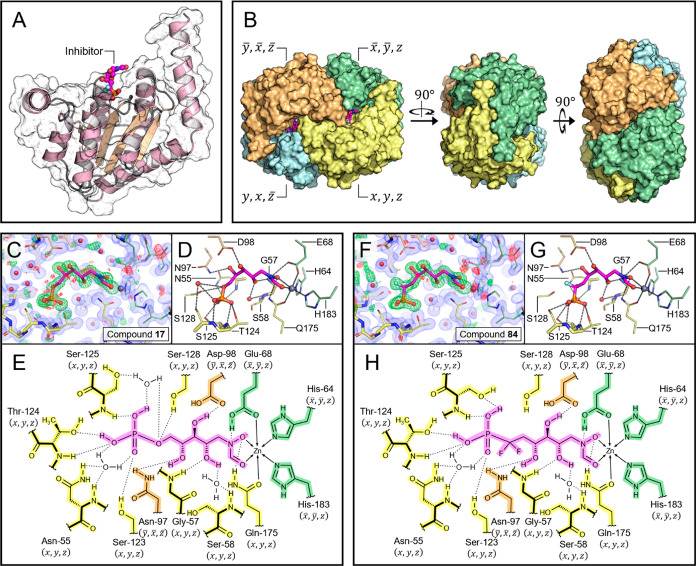 Figure 1
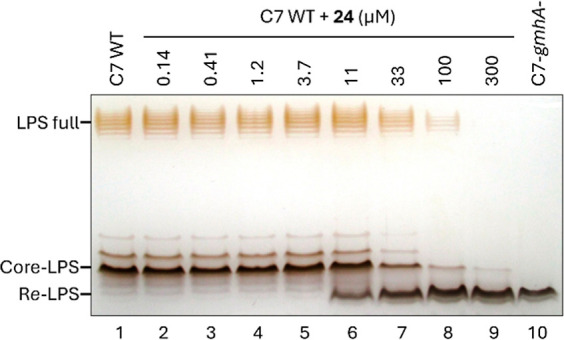 Figure 2
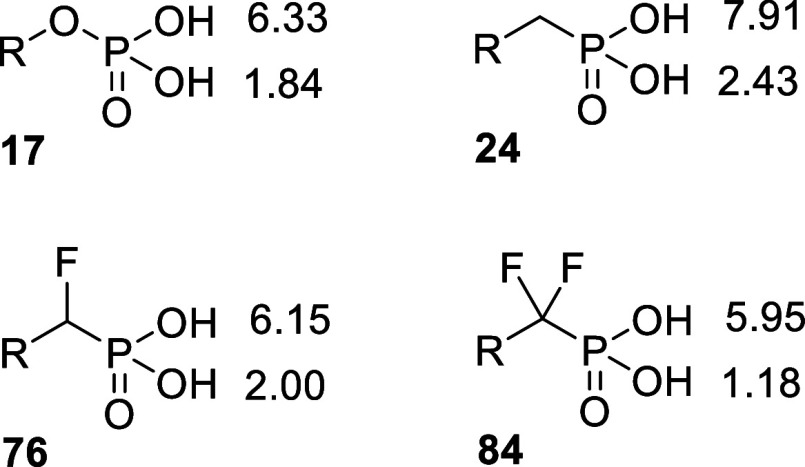 Figure 3
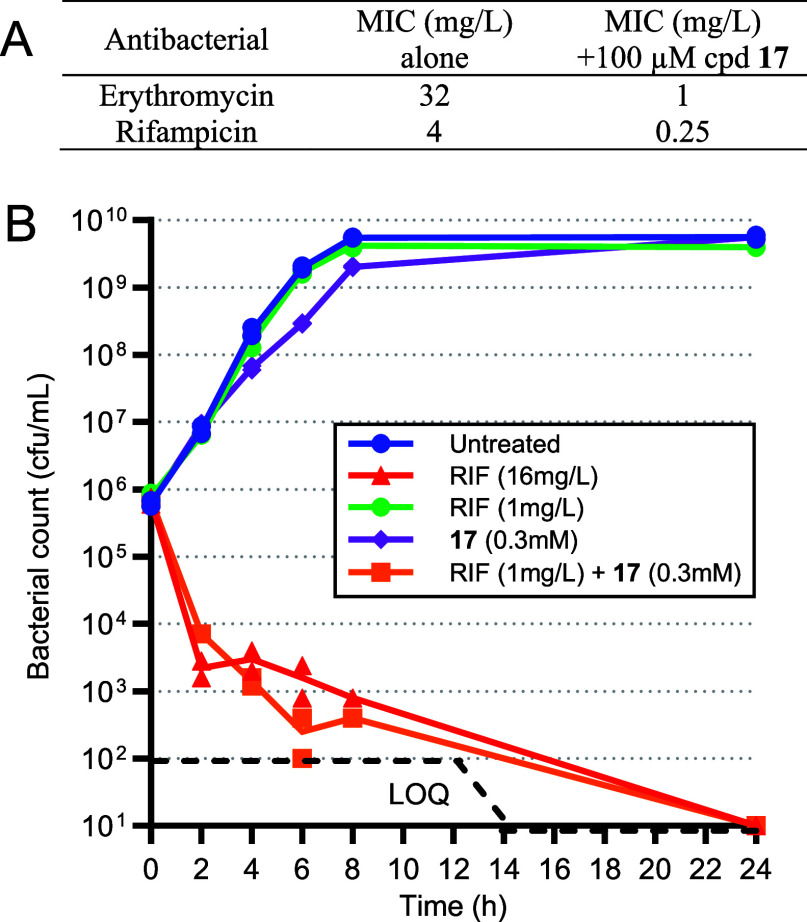 Figure 4
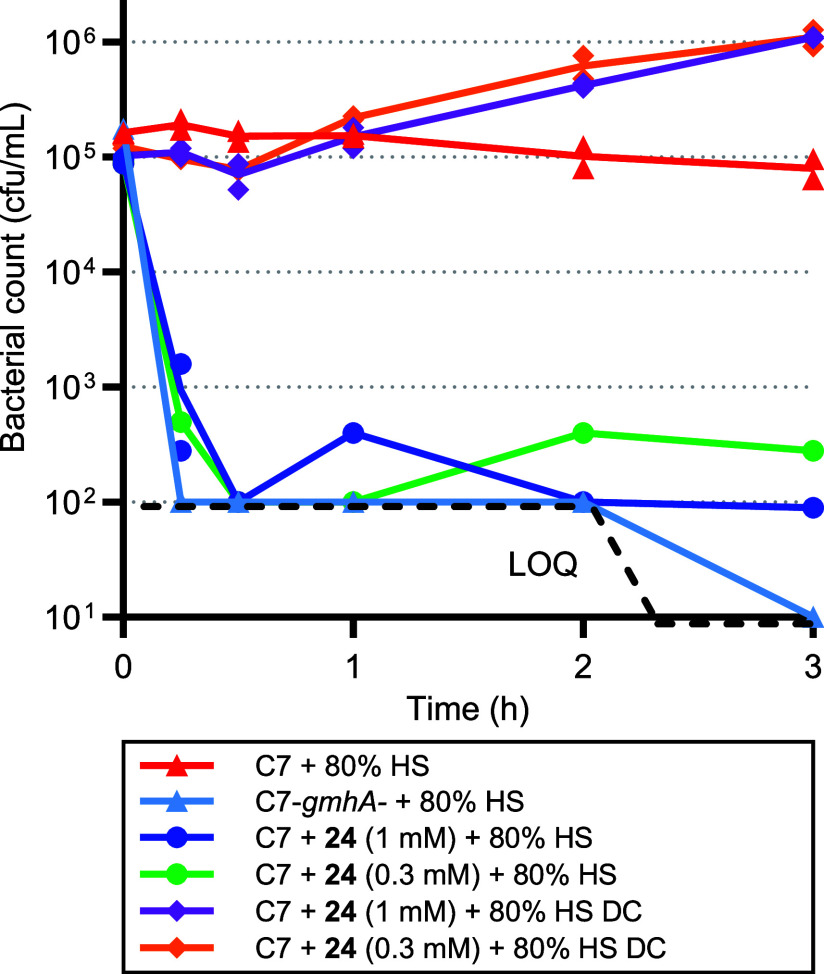 Figure 5
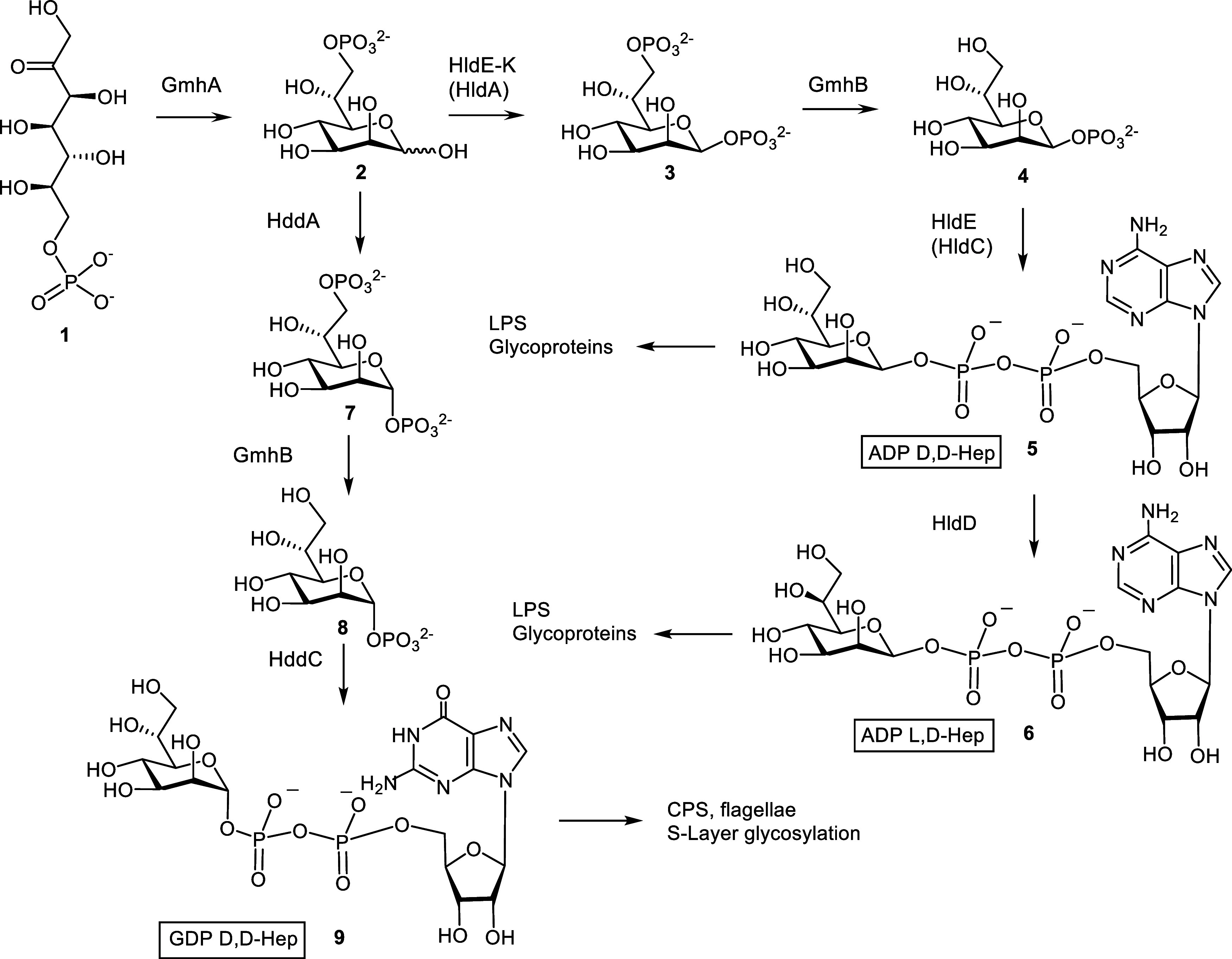 Figure 6
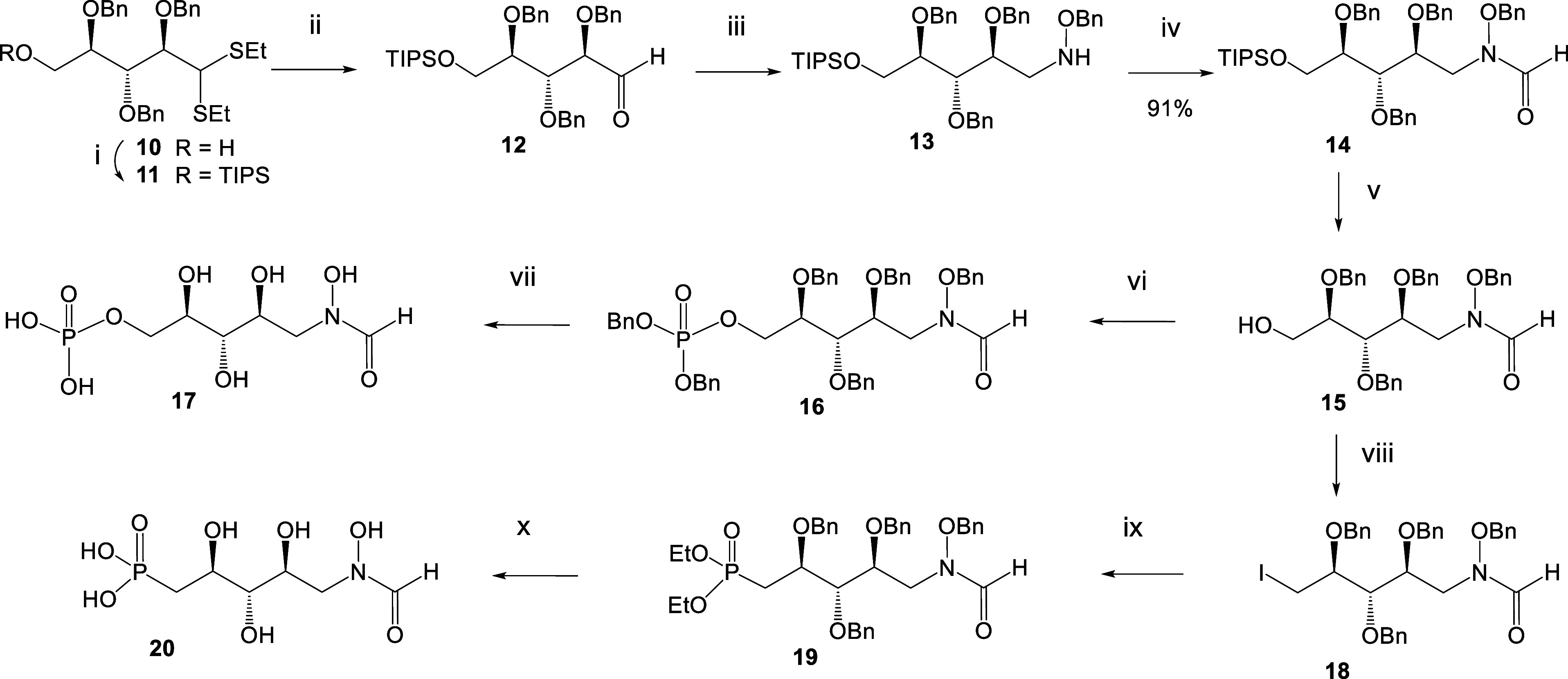 Figure 7
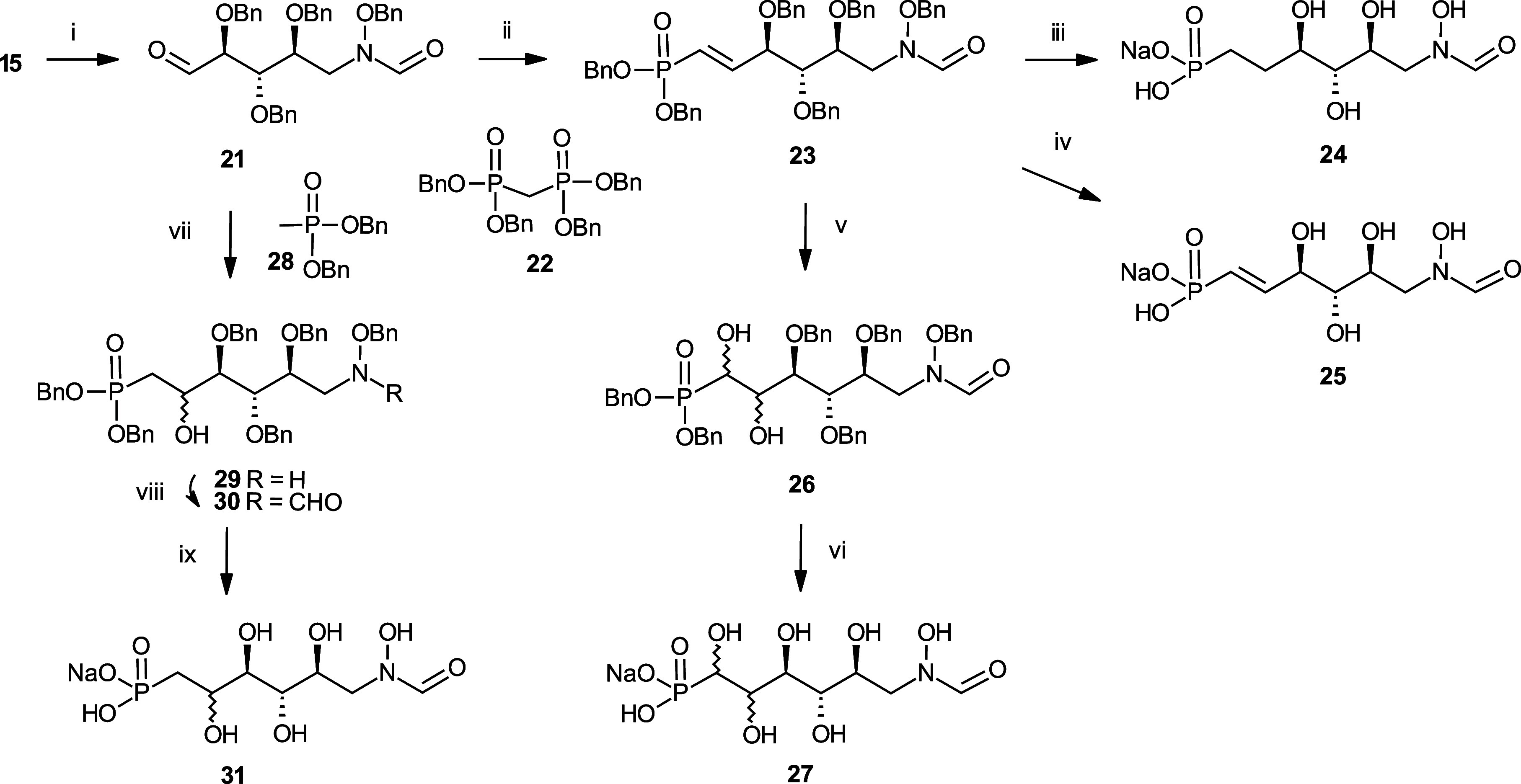 Figure 8
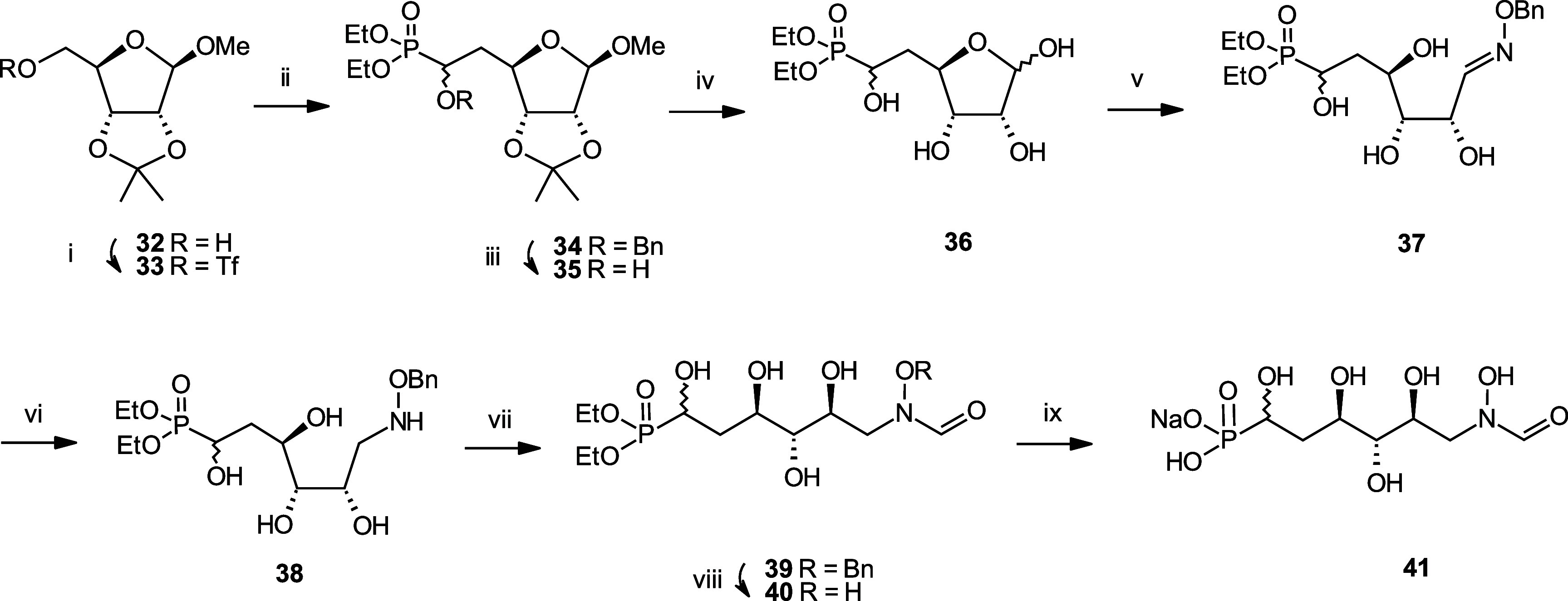 Figure 9
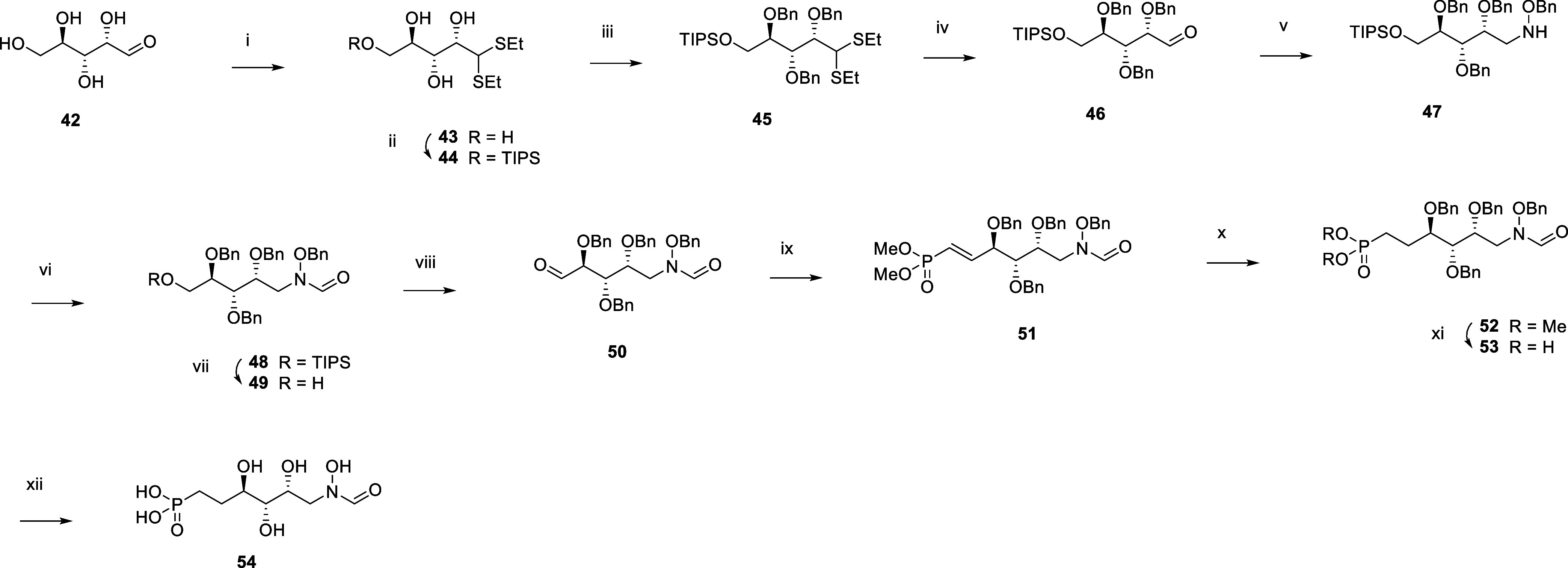 Figure 10
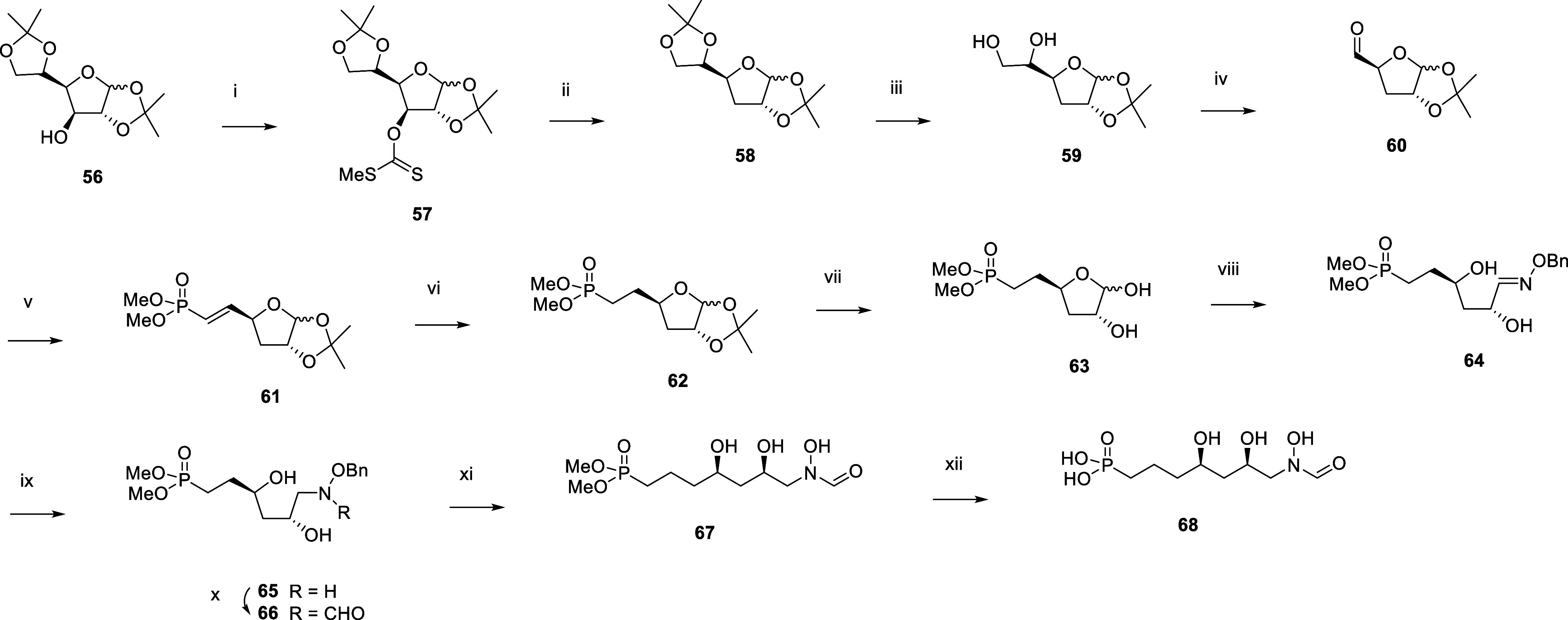 Figure 11
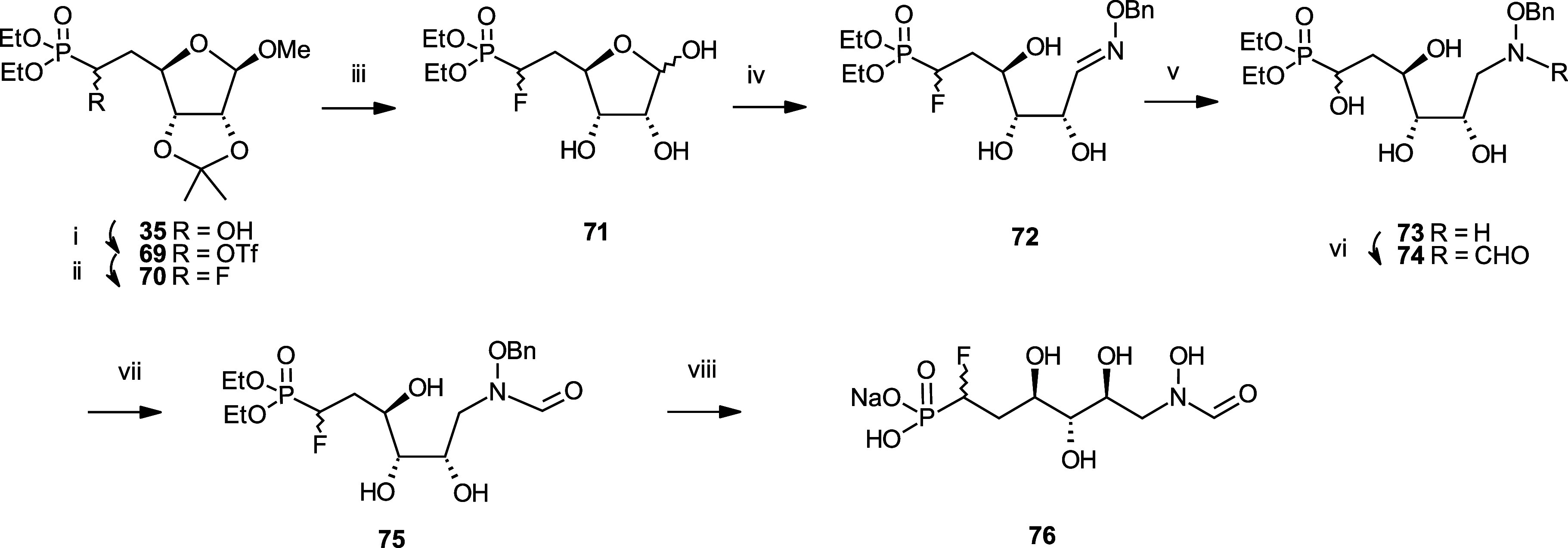 Figure 12
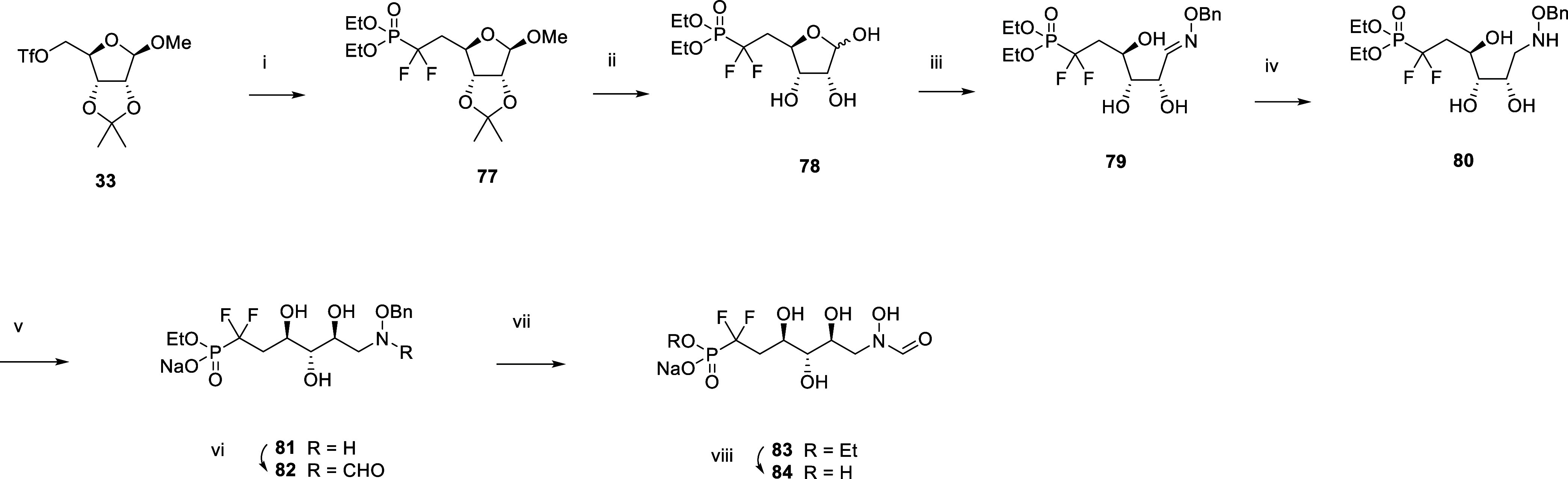 Figure 13
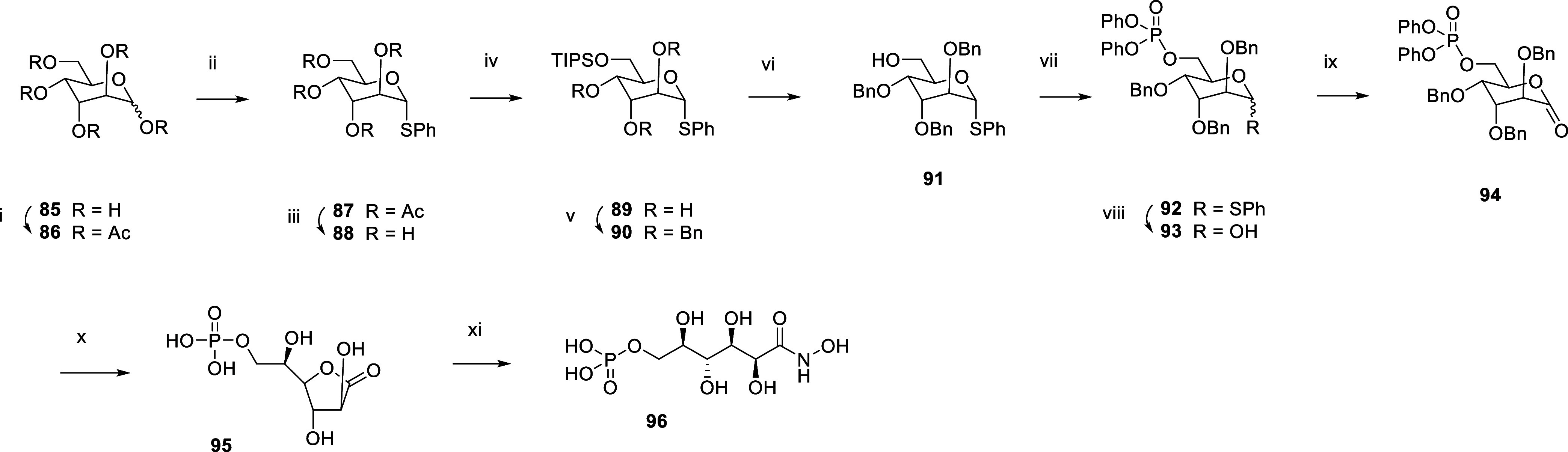 Figure 14
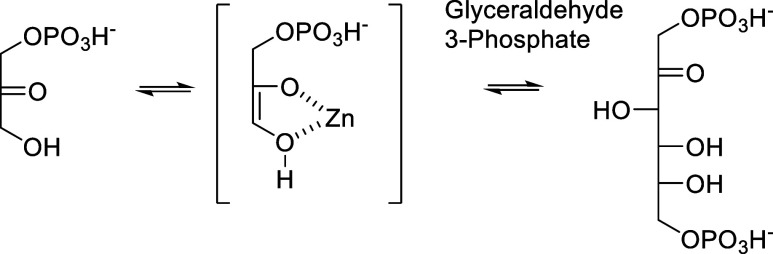 Figure 15
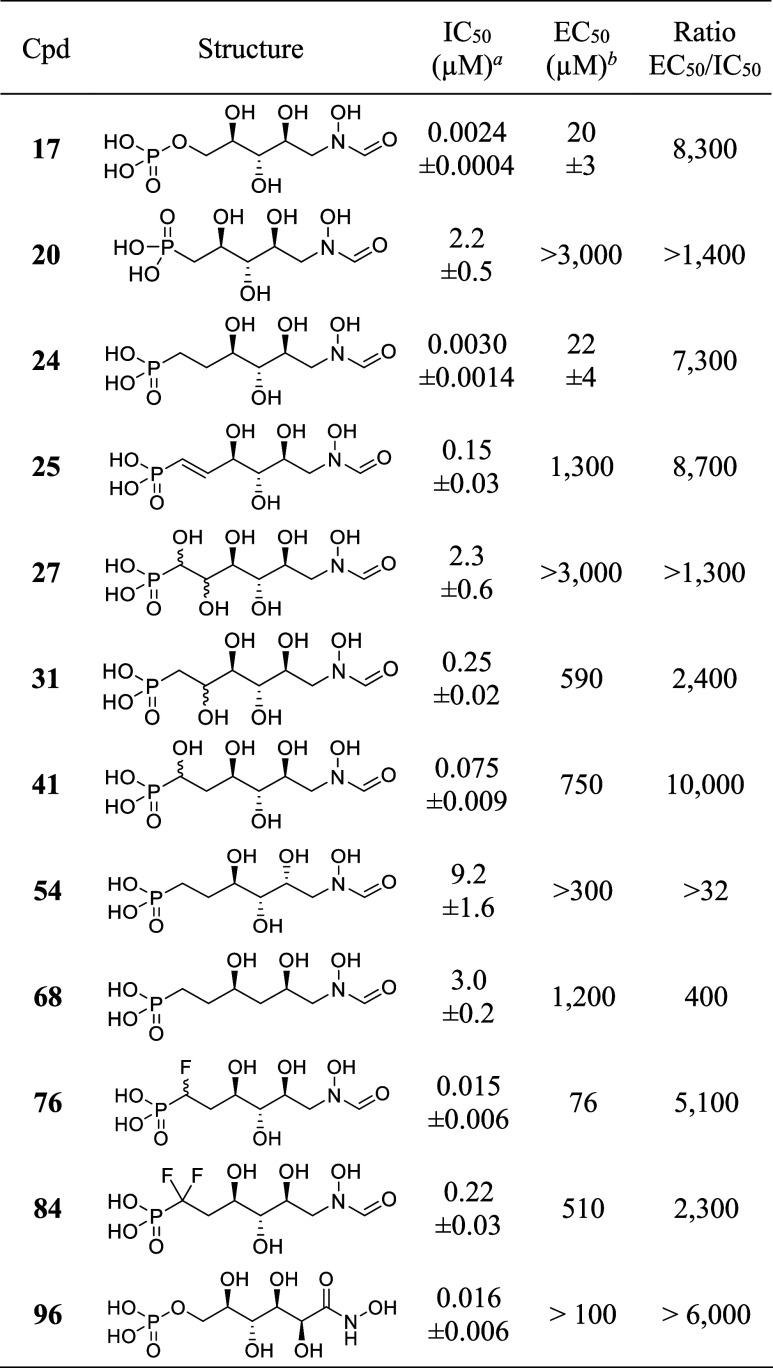 Figure 16
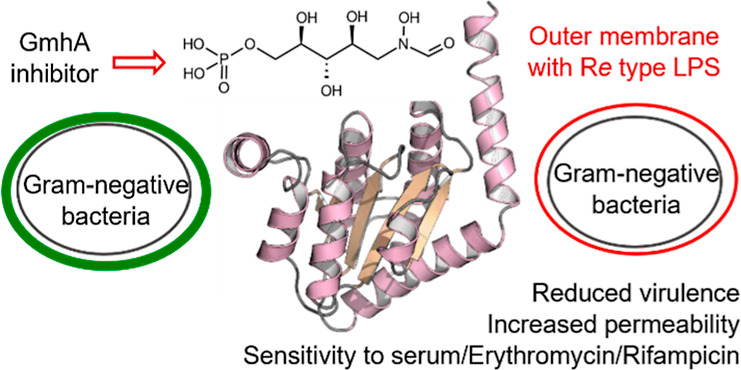 Figure 17
Peer Reviews
No public reviews on file for this paper yet. If you reviewed it on a platform where reviews are public (OpenReview, ICLR, NeurIPS, ICML), you can paste yours below so the community can read it here.
Videos
No videos yet. Explain this paper in a talk, walkthrough, or lecture? Add one.
Taxonomy
TopicsEnzyme Structure and Function · Carbohydrate Chemistry and Synthesis · Antibiotic Resistance in Bacteria