Engineering Nano-Sized Silicon Anodes with Conductive Networks toward a High Average Coulombic Efficiency of 90.2% via Plasma-Assisted Milling
Yezhan Zuo, Xingyu Xiong, Zhenzhong Yang, Yihui Sang, Haolin Zhang, Fanbo Meng, Renzong Hu

TL;DR
Researchers developed a plasma-assisted method to create nano-sized silicon anodes with conductive networks, achieving high Coulombic efficiency and improved battery performance.
Contribution
A novel plasma-assisted milling technique is introduced to synthesize nano-sized silicon anodes with enhanced conductivity and structural stability.
Findings
Nano-sized Si anodes with CNT networks achieved an average Coulombic efficiency of 90.2%.
The C-PMSi-50:1 anode delivered 615 mAh g−1 after 100 cycles and 979 mAh g−1 at 5 A g−1.
The Si||LiNi0.8Co0.1Mn0.1O2 pouch cell maintained an ICE of >85%.
Abstract
Si-based anode is considered one of the ideal anodes for high energy density lithium-ion batteries due to its high theoretical capacity of 4200 mAh g−1. To accelerate the commercial progress of Si material, the multi-issue of extreme volume expansion and low intrinsic electronic conductivity needs to be settled. Herein, a series of nano-sized Si particles with conductive networks are synthesized via the dielectric barrier discharge plasma (DBDP) assisted milling. The p-milling method can effectively refine the particle sizes of pristine Si without destroying its crystal structure, resulting in large Brunauer–Emmett–Teller (BET) values with more active sites for Li+ ions. Due to their unique structure and flexibility, CNTs can be uniformly distributed among the Si particles and the prepared Si electrodes exhibit better structural stability during the continuous lithiation/de-lithiation…
Genes, proteins, chemicals, diseases, species, mutations and cell lines named across the full text — each resolved to its canonical identifier and authoritative record.
Click any figure to enlarge with its caption.
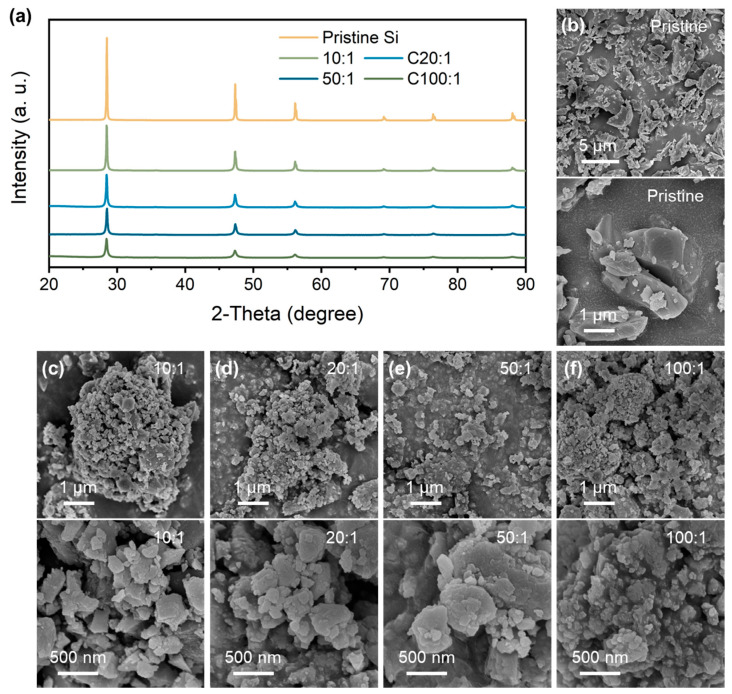 Figure 1
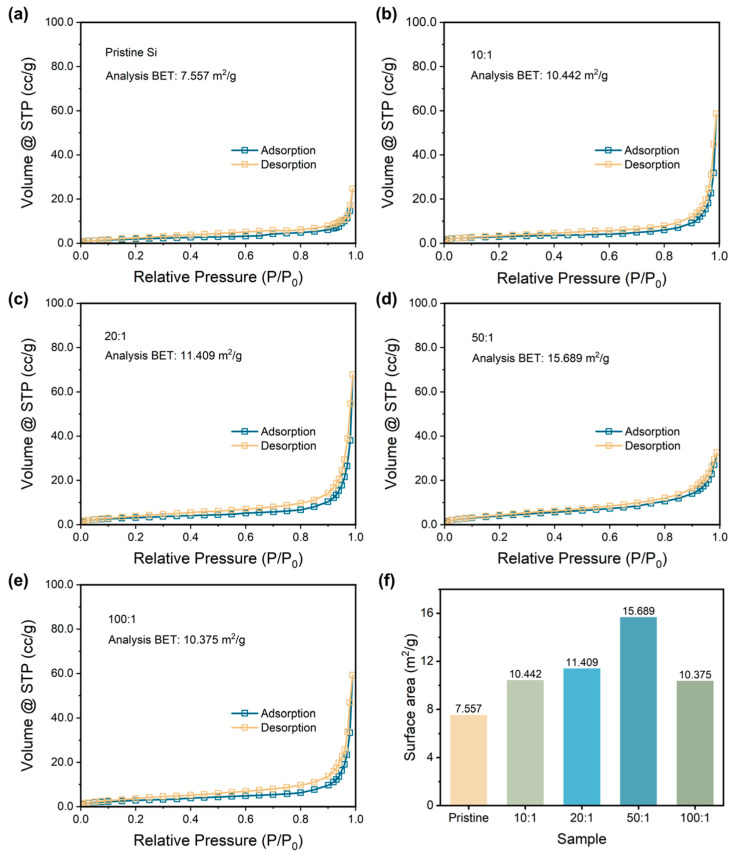 Figure 2
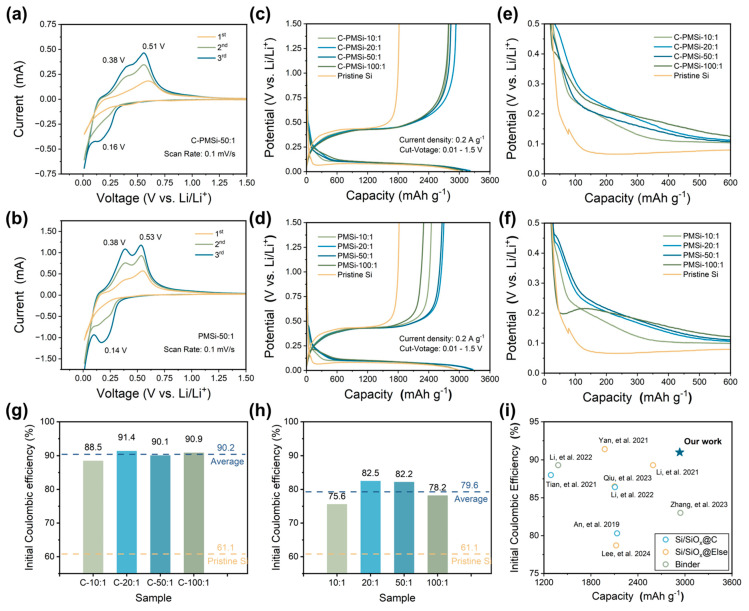 Figure 3
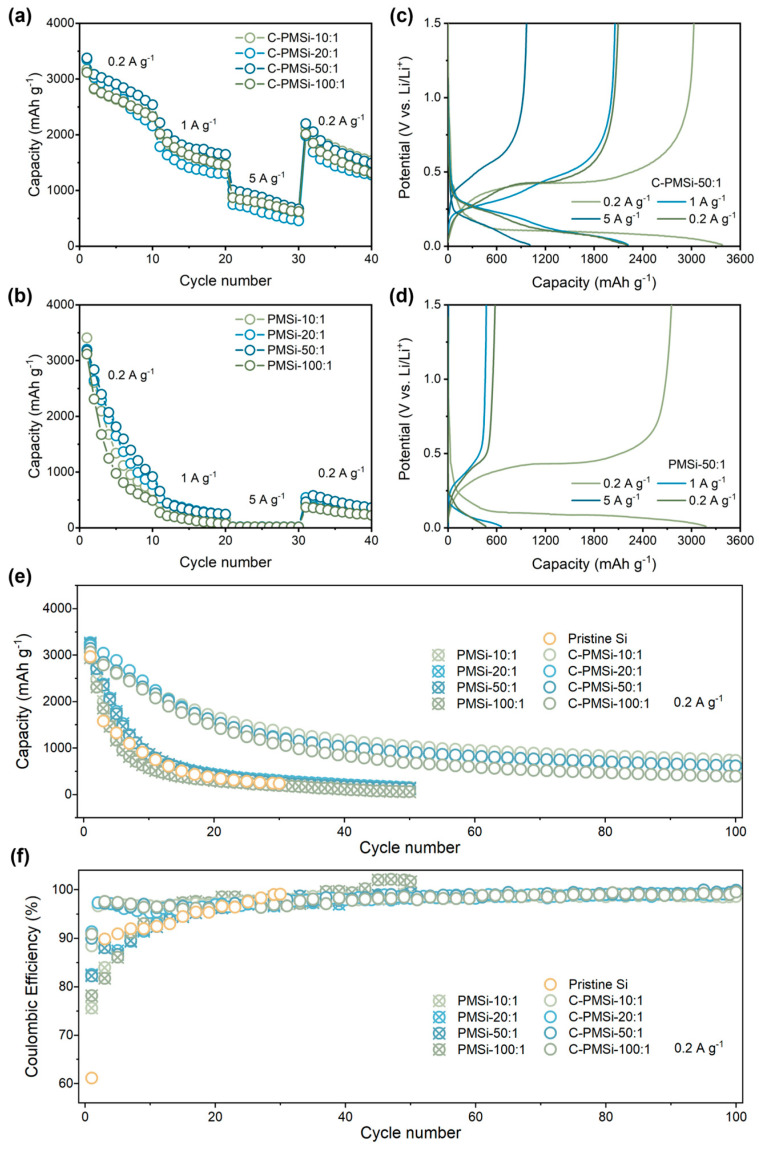 Figure 4
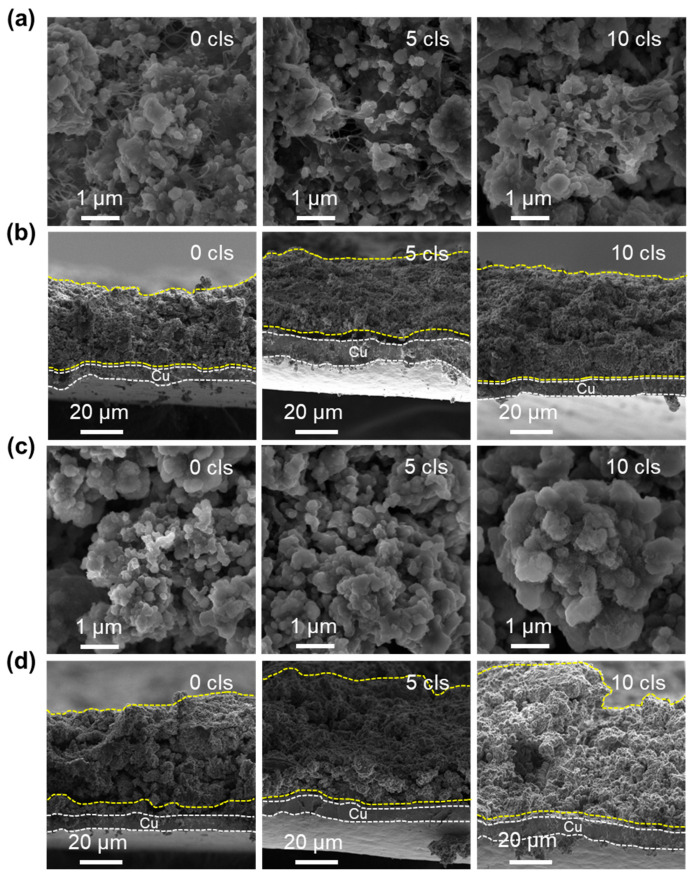 Figure 5
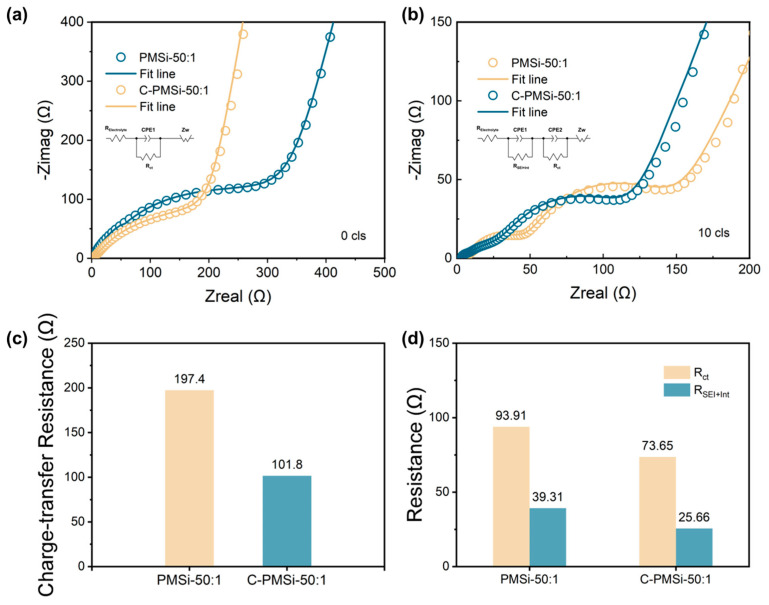 Figure 6
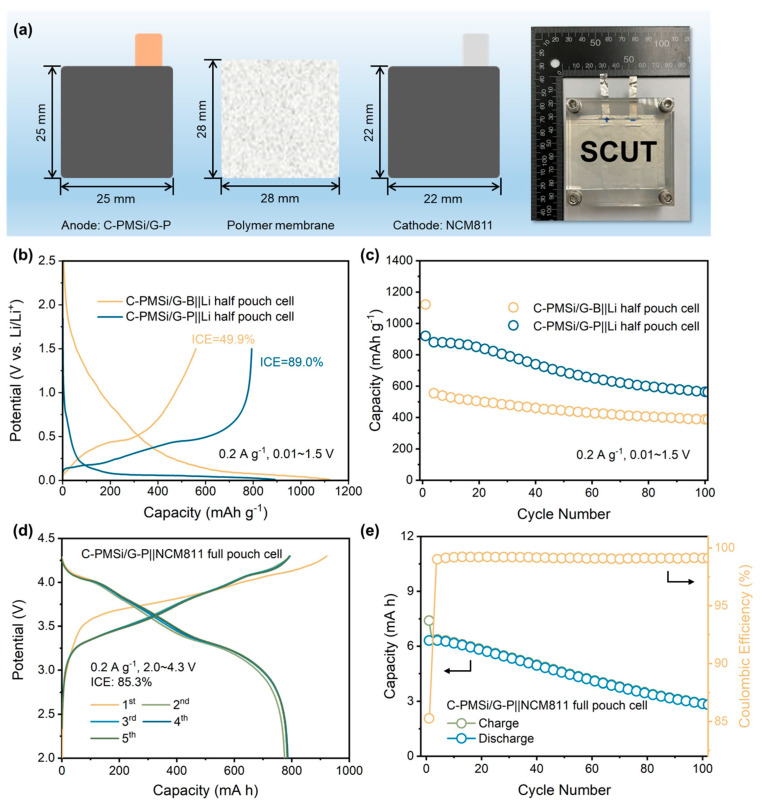 Figure 7
Peer Reviews
No public reviews on file for this paper yet. If you reviewed it on a platform where reviews are public (OpenReview, ICLR, NeurIPS, ICML), you can paste yours below so the community can read it here.
Videos
No videos yet. Explain this paper in a talk, walkthrough, or lecture? Add one.
Taxonomy
TopicsAdvancements in Battery Materials · Semiconductor materials and devices · MXene and MAX Phase Materials