The Dual-Targeted Fusion Inhibitor Clofazimine Binds to the S2 Segment of the SARS-CoV-2 Spike Protein
Matthew R. Freidel, Pratiti A. Vakhariya, Shalinder K. Sardarni, Roger S. Armen

TL;DR
This paper shows that Clofazimine, a drug repurposed for treating COVID-19, binds to a key part of the SARS-CoV-2 virus's spike protein, potentially inhibiting viral fusion.
Contribution
The study identifies Clofazimine's specific binding site on the S2 segment of the SARS-CoV-2 Spike protein and supports its broad-spectrum antiviral potential.
Findings
Clofazimine binds reliably to the S2 segment of the SARS-CoV-2 Spike protein.
Molecular docking reveals two potential binding sites for fusion inhibitors on the S2 segment.
The proposed binding site aligns with structures of other coronaviruses, explaining Clofazimine's broad antiviral activity.
Abstract
Clofazimine and Arbidol have both been reported to be effective in vitro SARS-CoV-2 fusion inhibitors. Both are promising drugs that have been repurposed for the treatment of COVID-19 and have been used in several previous and ongoing clinical trials. Small-molecule bindings to expressed constructs of the trimeric S2 segment of Spike and the full-length SARS-CoV-2 Spike protein were measured using a Surface Plasmon Resonance (SPR) binding assay. We demonstrate that Clofazimine, Toremifene, Arbidol and its derivatives bind to the S2 segment of the Spike protein. Clofazimine provided the most reliable and highest-quality SPR data for binding with S2 over the conditions explored. A molecular docking approach was used to identify the most favorable binding sites on the S2 segment in the prefusion conformation, highlighting two possible small-molecule binding sites for fusion inhibitors.…
Genes, proteins, chemicals, diseases, species, mutations and cell lines named across the full text — each resolved to its canonical identifier and authoritative record.
Click any figure to enlarge with its caption.
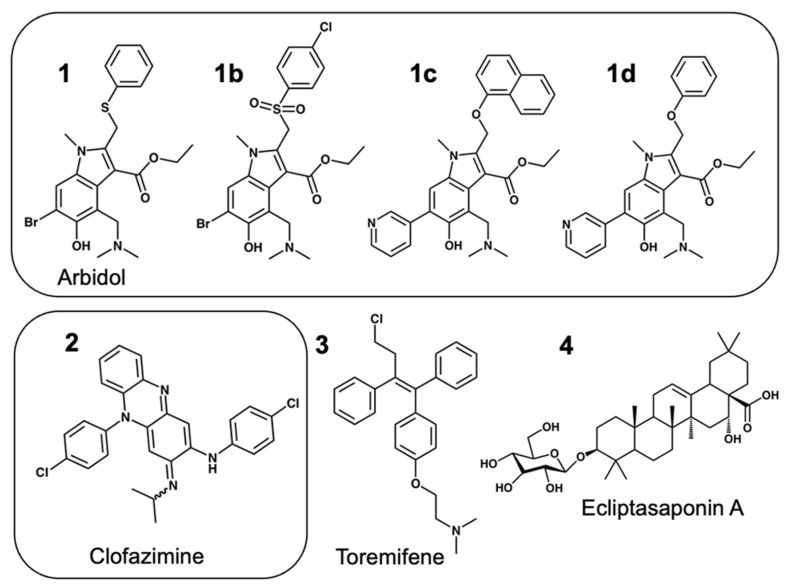 Figure 1
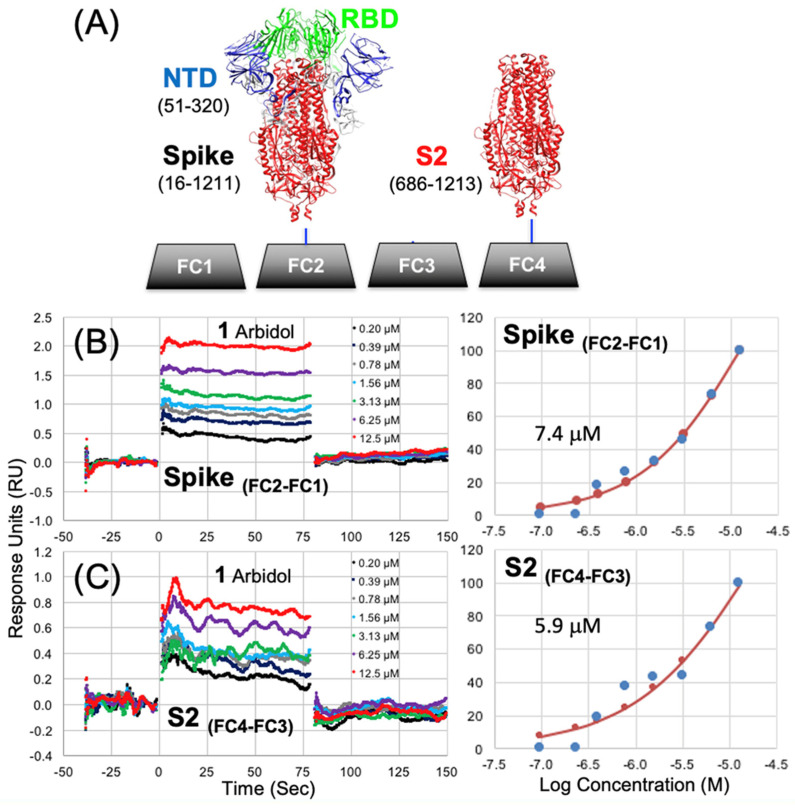 Figure 2
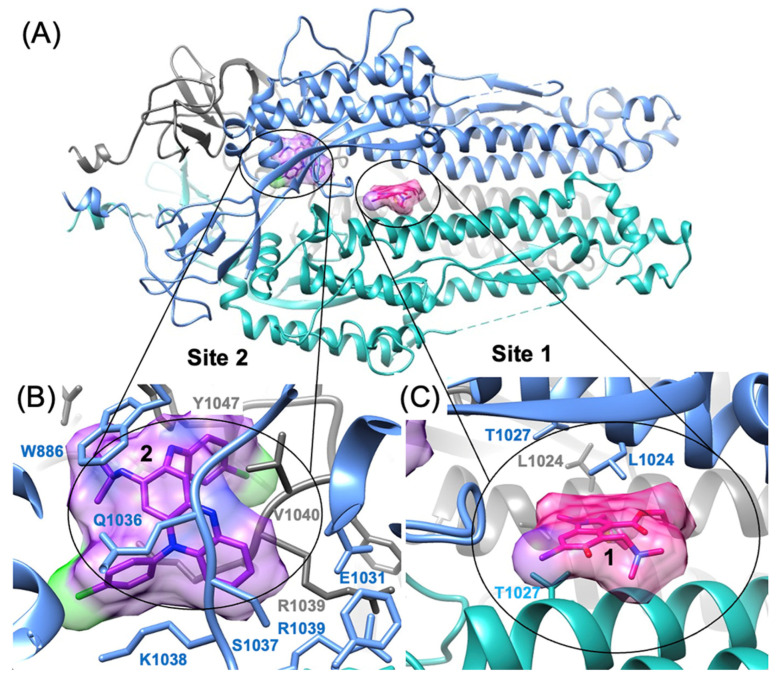 Figure 3
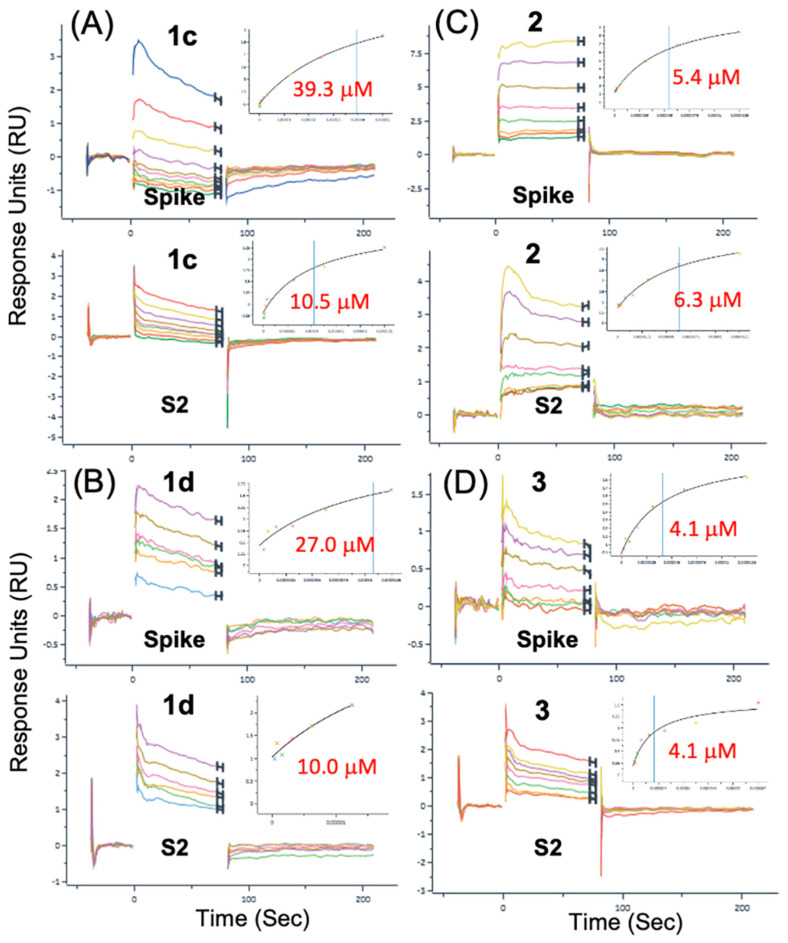 Figure 4
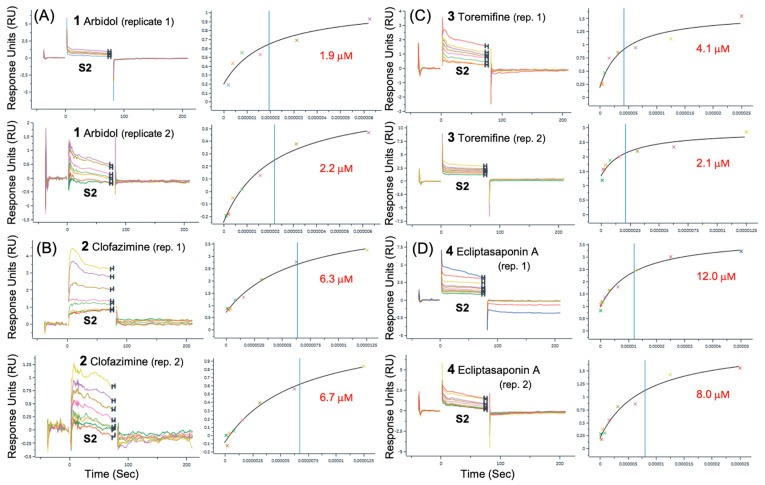 Figure 5
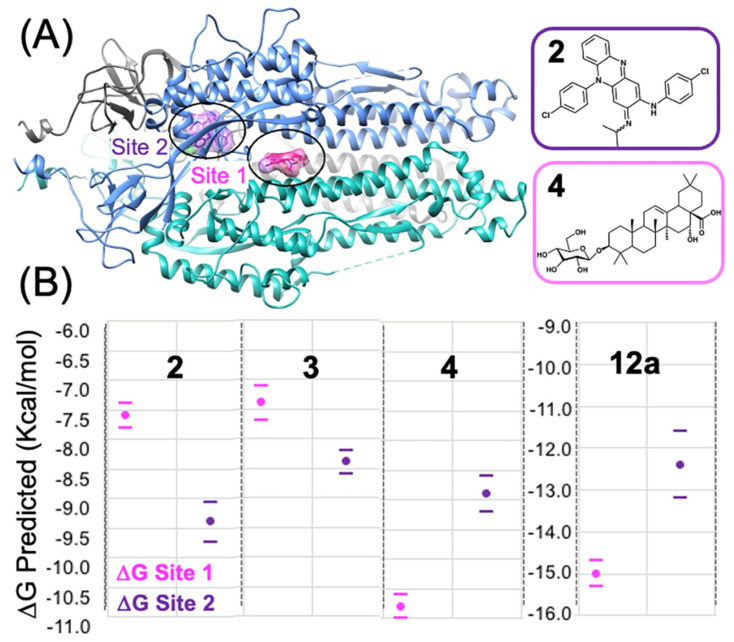 Figure 6
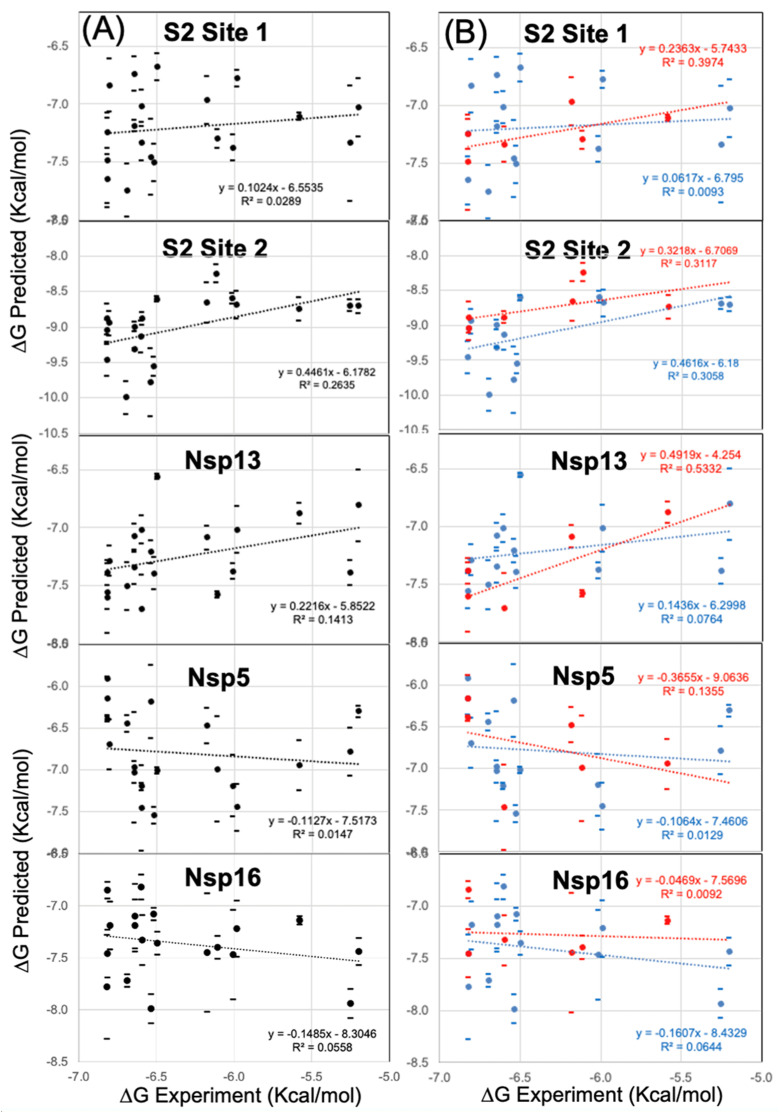 Figure 7
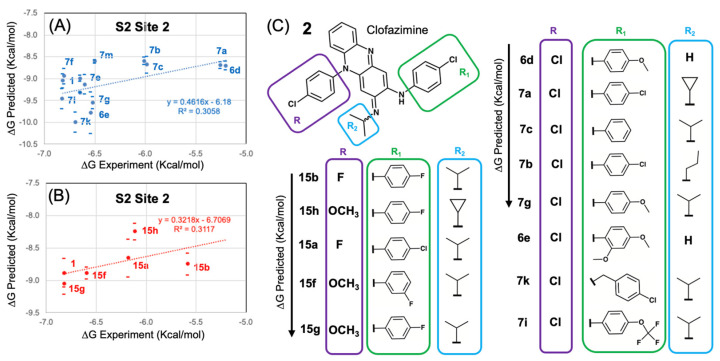 Figure 8
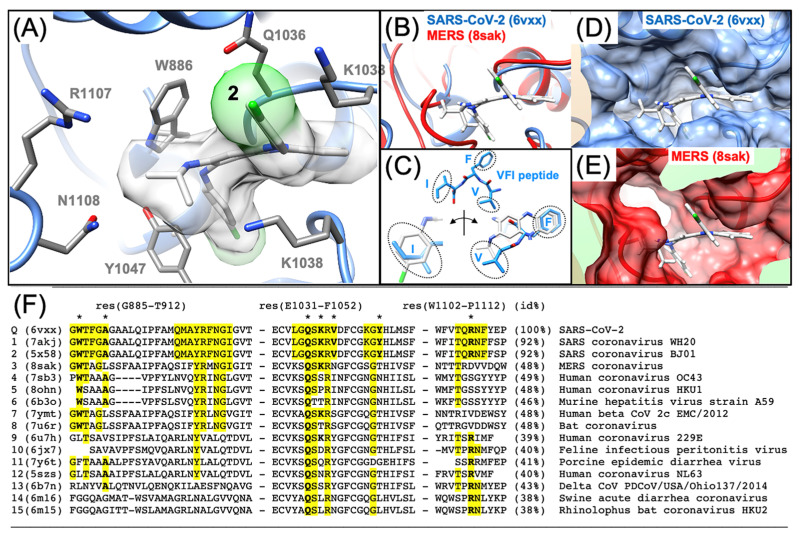 Figure 9
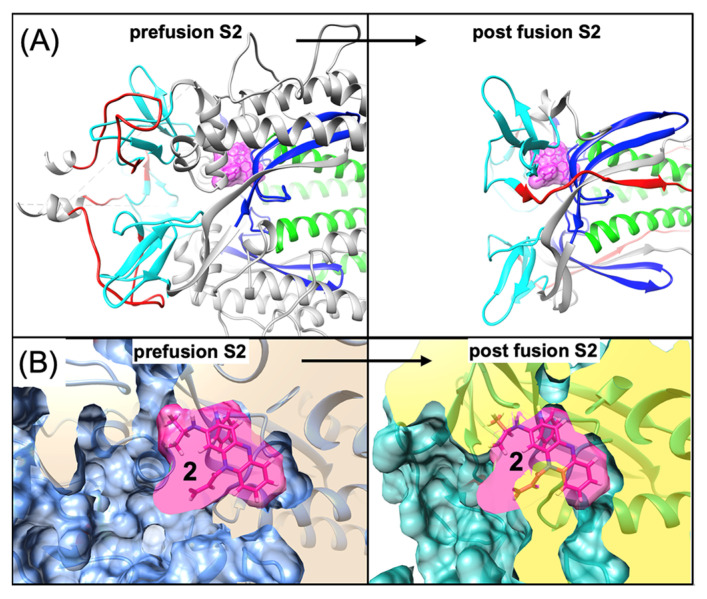 Figure 10
Peer Reviews
No public reviews on file for this paper yet. If you reviewed it on a platform where reviews are public (OpenReview, ICLR, NeurIPS, ICML), you can paste yours below so the community can read it here.
Videos
No videos yet. Explain this paper in a talk, walkthrough, or lecture? Add one.
Taxonomy
TopicsSARS-CoV-2 and COVID-19 Research · COVID-19 Clinical Research Studies · Infectious Encephalopathies and Encephalitis