Navigating challenges in diagnosing acquired hemophilia A: A case report from Syria
Oubai Nayouf, Miriam Laflouf, Ibrahim Hamdan, Ibrahim Alghazawi, Omar Aldairi, Ameen Sulaiman

TL;DR
This case report highlights the importance of early diagnosis and treatment for a rare bleeding disorder called acquired hemophilia A.
Contribution
The paper emphasizes the diagnostic and management challenges of acquired hemophilia A in a specific geographic context.
Findings
Rapid diagnosis using aPTT and FVIII tests is essential for acquired hemophilia A.
Immediate treatment with bypassing agents and steroids improves patient outcomes.
Abstract
Acquired hemophilia A is a rare bleeding disorder. Rapid diagnosis with prolonged aPTT and low FVIII, and immediate use of bypassing agents and steroids are crucial for better outcomes, highlighting the importance of early recognition and management. Early diagnosis and intervention are crucial for better outcomes in acquired hemophilia A.
Genes, proteins, chemicals, diseases, species, mutations and cell lines named across the full text — each resolved to its canonical identifier and authoritative record.
Click any figure to enlarge with its caption.
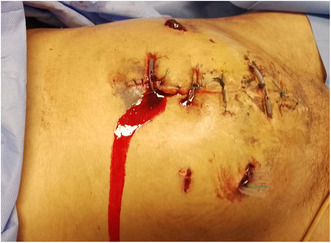 Figure 1
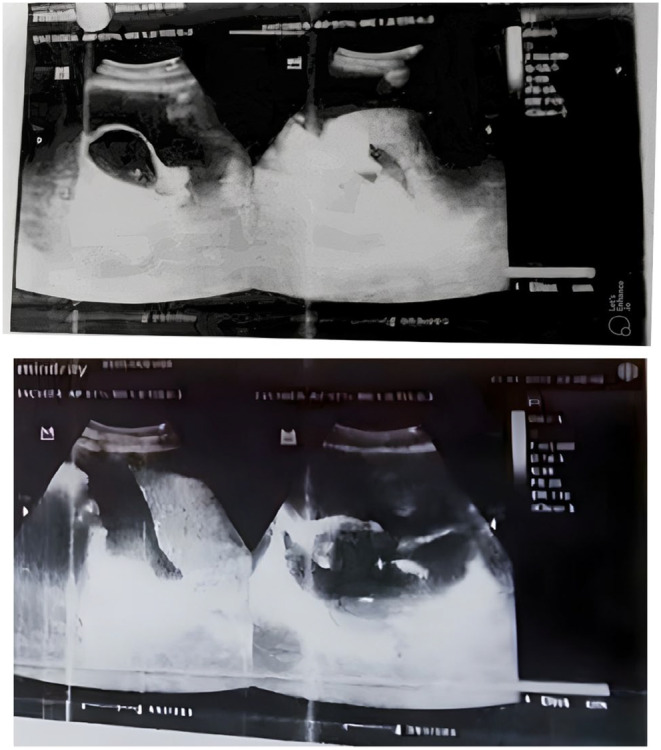 Figure 2
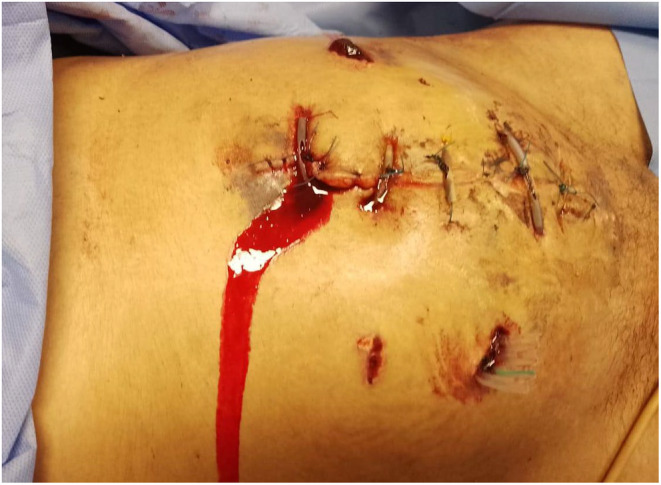 Figure 3
Peer Reviews
No public reviews on file for this paper yet. If you reviewed it on a platform where reviews are public (OpenReview, ICLR, NeurIPS, ICML), you can paste yours below so the community can read it here.
Videos
No videos yet. Explain this paper in a talk, walkthrough, or lecture? Add one.
Taxonomy
TopicsHemophilia Treatment and Research · Platelet Disorders and Treatments · Chronic Myeloid Leukemia Treatments