Computational and experimental microfluidics: Total analysis system for mixing, sorting, and concentrating particles and cells
David Coral, Matthew Attard, Eric Pedrol, Rosa Maria Solé, Francesc Díaz, Magdalena Aguiló, Xavier Mateos

TL;DR
This paper presents a microfluidic system for mixing, sorting, and concentrating particles and cells, validated through simulations and experiments.
Contribution
A novel total analysis microfluidic system is developed and experimentally validated for particle and cell manipulation.
Findings
The system successfully separates 20 μm particles from smaller ones using Dean flow fractionation.
Optimal pressure inputs were determined for different fluid types using COMSOL simulations.
Environmental scanning electron microscopy confirmed effective size-based separation of particles.
Abstract
Body fluids can potentially indicate the presence of non-small cancer cells. Studying these fluids is an emerging field that could be crucial for cancer detection and monitoring treatment effectiveness. Meanwhile, the examination of fluids on a microscopic level is part of the field of microfluidics. This study focuses on the development of a total analysis system that consists of various interconnected structures that are designed to mix, classify, concentrate, and isolate particles in fluids that mimic the behavior of cancer and normal cells. Using the COMSOL Multiphysics software, the device's performance was optimized to use a pressure input of 35 kPa for water or serum and 29.4 kPa for a mixture of liquid and serum samples, which are the optimal pressure inputs. The numerical models were validated by experiments using two types of polystyrene particles, with diameters of 5 and 20…
Genes, proteins, chemicals, diseases, species, mutations and cell lines named across the full text — each resolved to its canonical identifier and authoritative record.
Click any figure to enlarge with its caption.
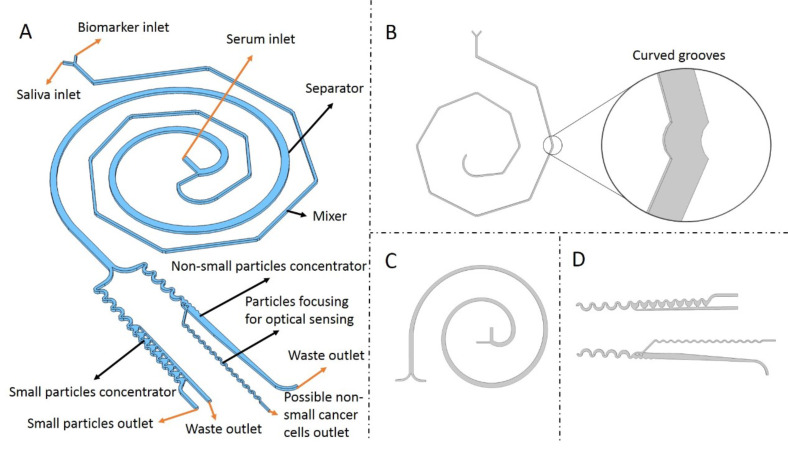 Figure 1
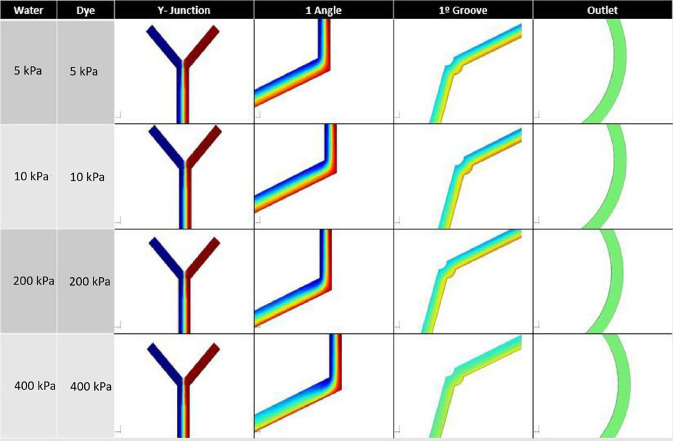 Figure 2
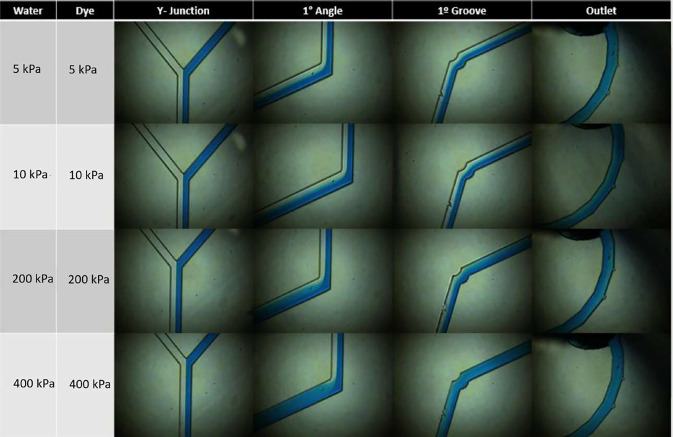 Figure 3
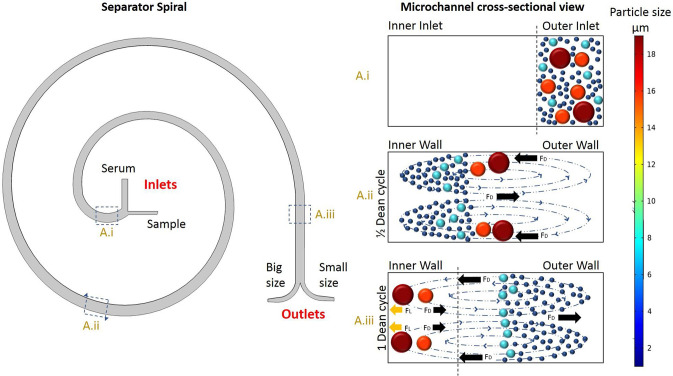 Figure 4
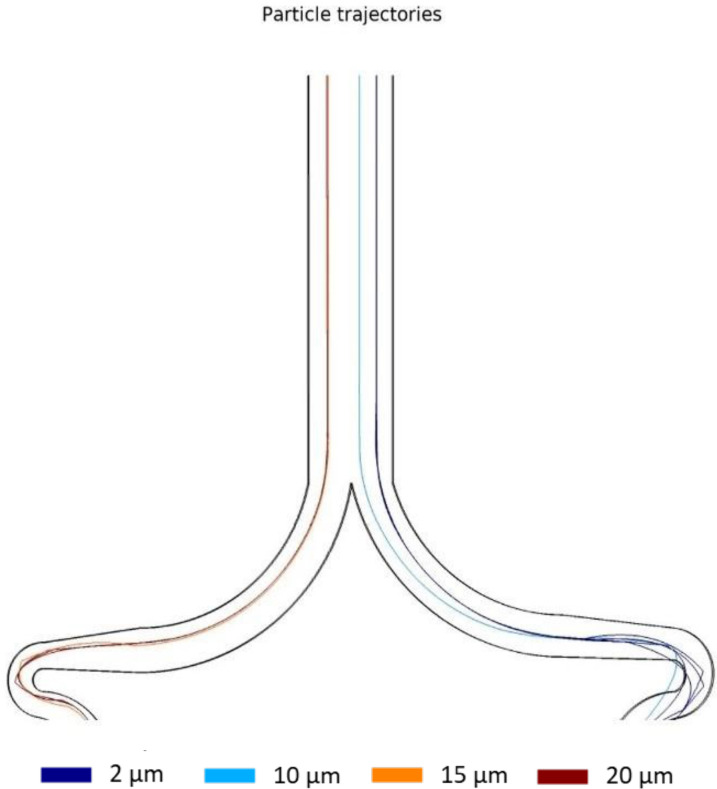 Figure 5
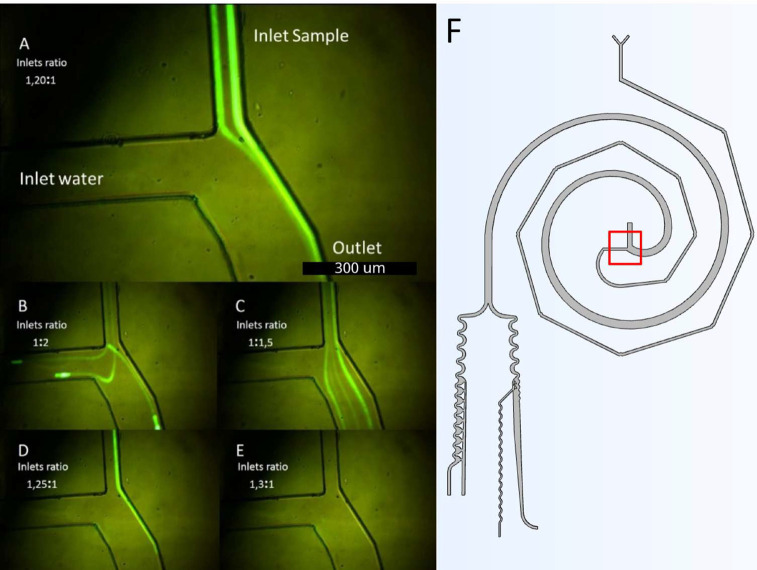 Figure 6
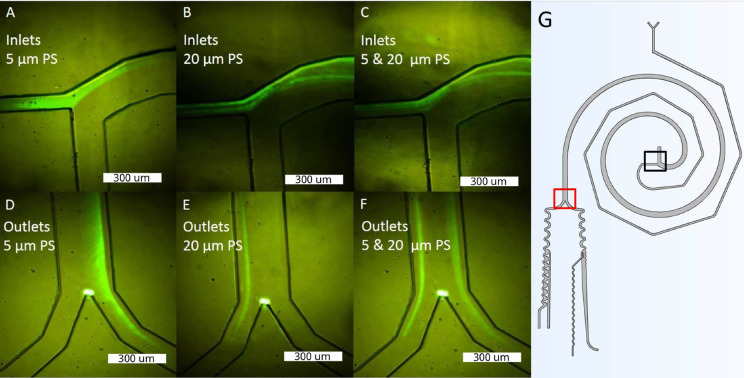 Figure 7
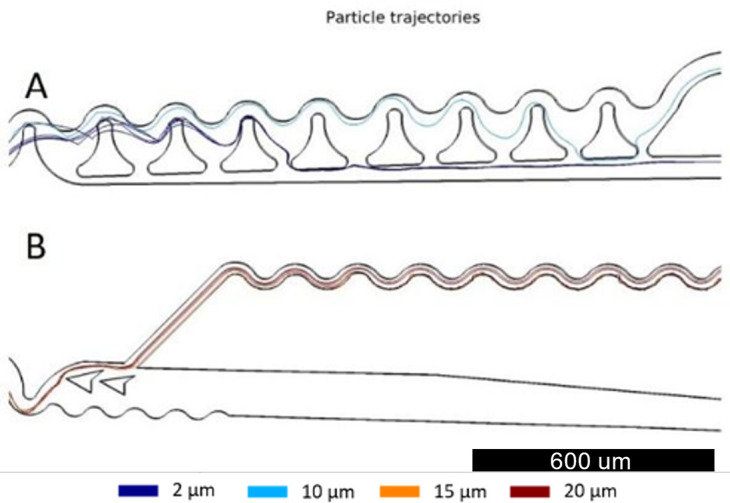 Figure 8
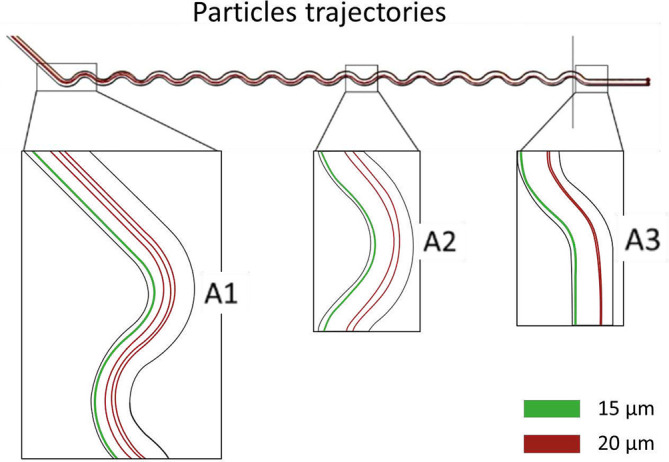 Figure 9
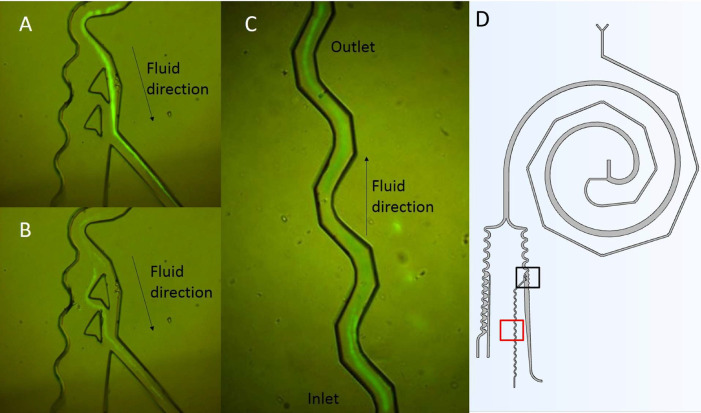 Figure 10
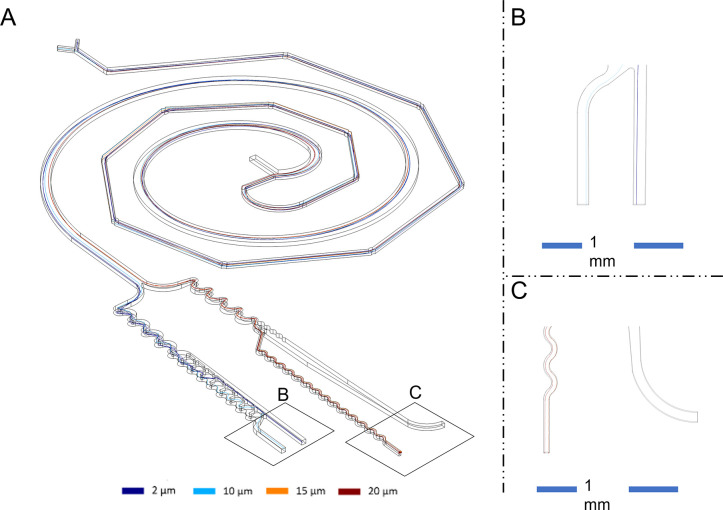 Figure 11
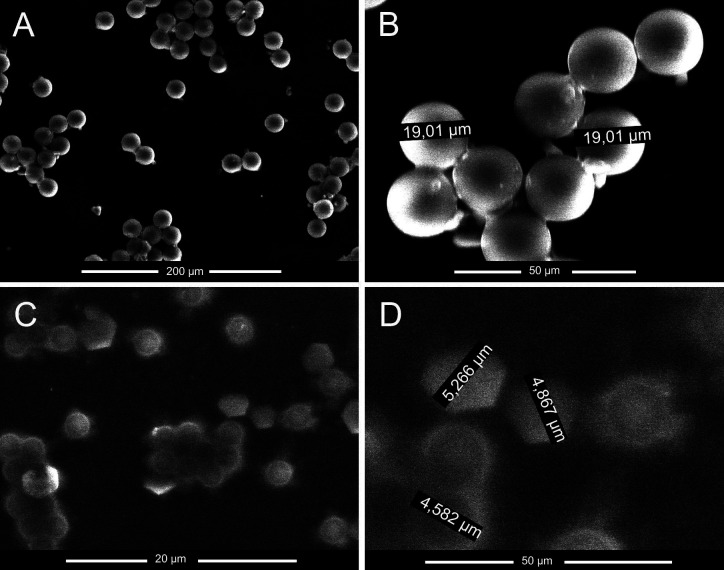 Figure 12
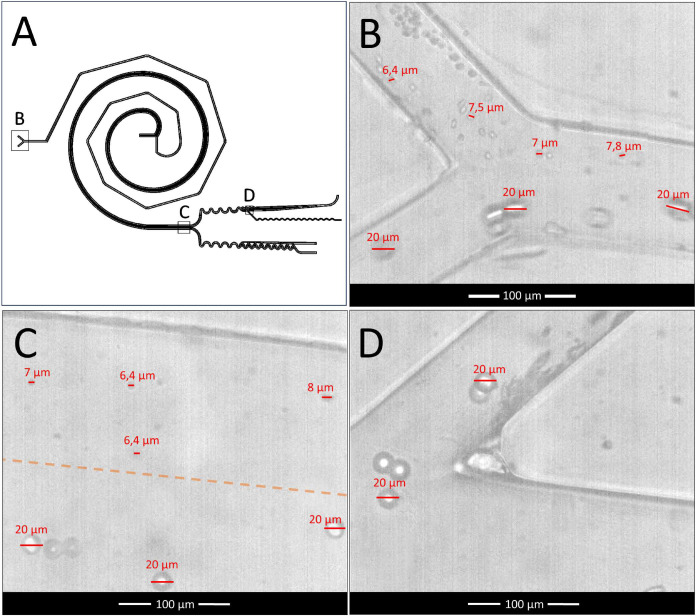 Figure 13
Peer Reviews
No public reviews on file for this paper yet. If you reviewed it on a platform where reviews are public (OpenReview, ICLR, NeurIPS, ICML), you can paste yours below so the community can read it here.
Videos
No videos yet. Explain this paper in a talk, walkthrough, or lecture? Add one.
Taxonomy
TopicsMicrofluidic and Bio-sensing Technologies · Microfluidic and Capillary Electrophoresis Applications · Electrical and Bioimpedance Tomography