Multi-Mode Damage and Fracture Mechanisms of Thin-Walled Tubular Parts with Cross Inner Ribs Manufactured via Flow Forming
Xiang Zeng, Leheng Huang, Xiaoguang Fan, Hongwei Li, Mei Zhan, Zhongbao Mi, Xuefeng Xu, Yubin Fan

TL;DR
This study investigates how thin-walled tubes with inner ribs fracture during manufacturing, using a modified model to predict damage under different stress conditions.
Contribution
A new stress state function was introduced to unify tension and shear damage in the GTN model for better fracture prediction.
Findings
Fractures at the non-rib zone were caused by shear and tension deformation.
Axial tension from large rib intervals caused fractures on longitudinal ribs.
Shearing and radial tension caused fractures at the interface between transverse ribs and non-rib zones.
Abstract
In order to study the multi-mode damage and fracture mechanisms of thin-walled tubular parts with cross inner ribs (longitudinal and transverse inner ribs, LTIRs), the Gurson–Tvergaard–Needleman (GTN) model was modified with a newly proposed stress state function. Thus, tension damage and shear damage were unified by the new stress state function, which was asymmetric with respect to stress triaxiality. Tension damage dominated the modification, which coupled with the shear damage variable, ensured the optimal prediction of fractures of thin-walled tubular parts with LTIRs by the modified GTN model. This included fractures occurring at the non-rib zone (NRZ), the longitudinal rib (LIR) and the interface between the transverse rib (TIR) and the NRZ. Among them, the stripping of material from the outer surface of the tubular part was mainly caused by the shearing of built-up material in…
Genes, proteins, chemicals, diseases, species, mutations and cell lines named across the full text — each resolved to its canonical identifier and authoritative record.
Click any figure to enlarge with its caption.
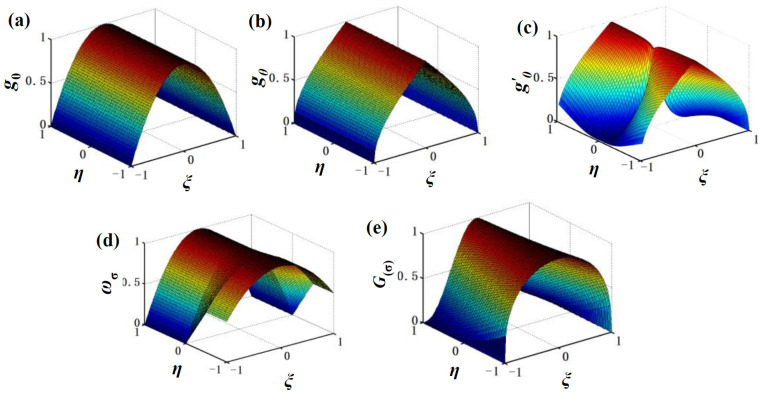 Figure 1
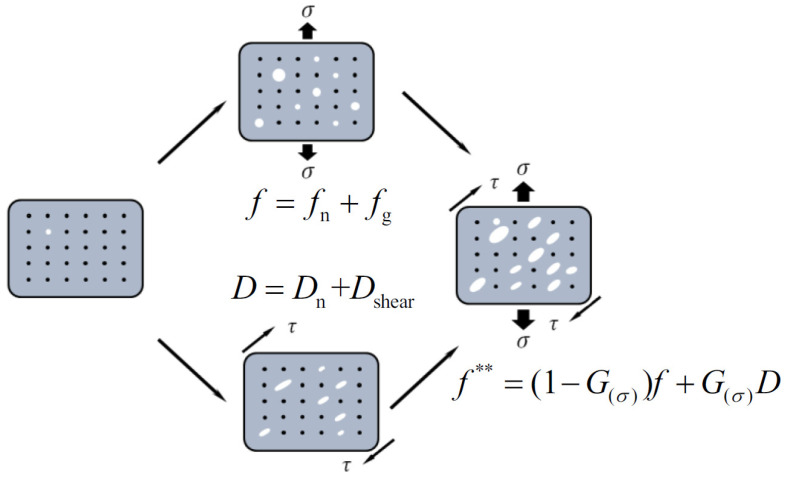 Figure 2
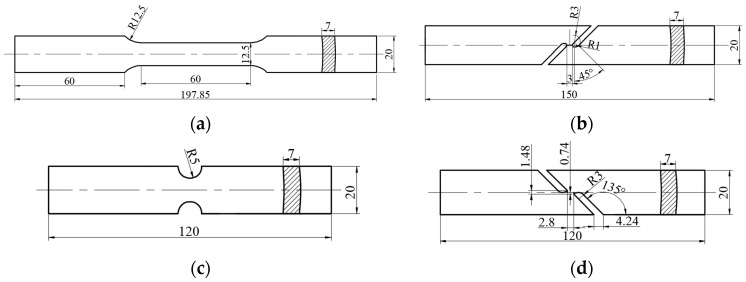 Figure 3
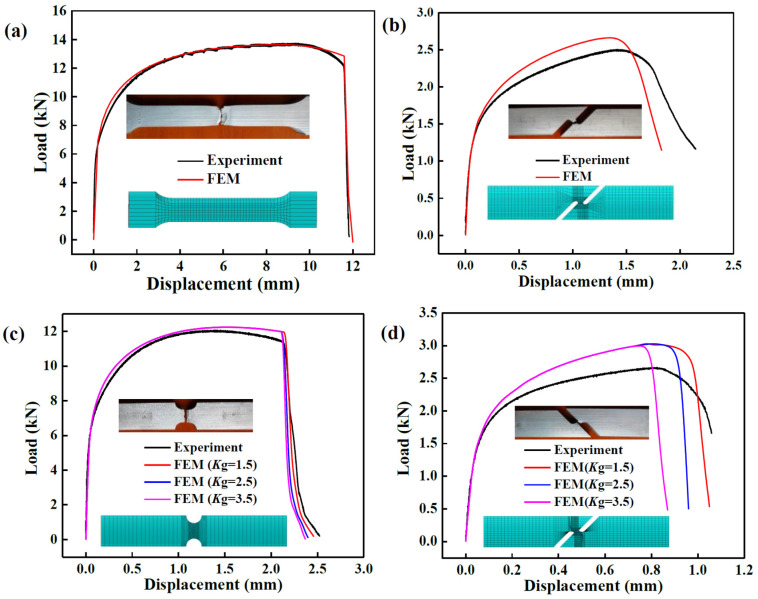 Figure 4
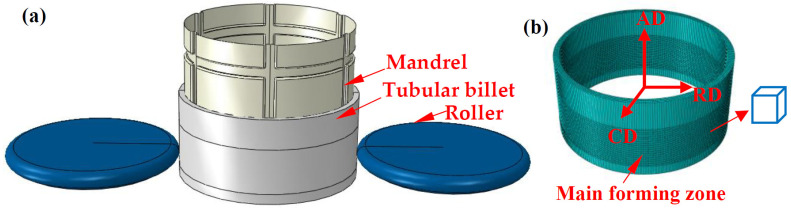 Figure 5
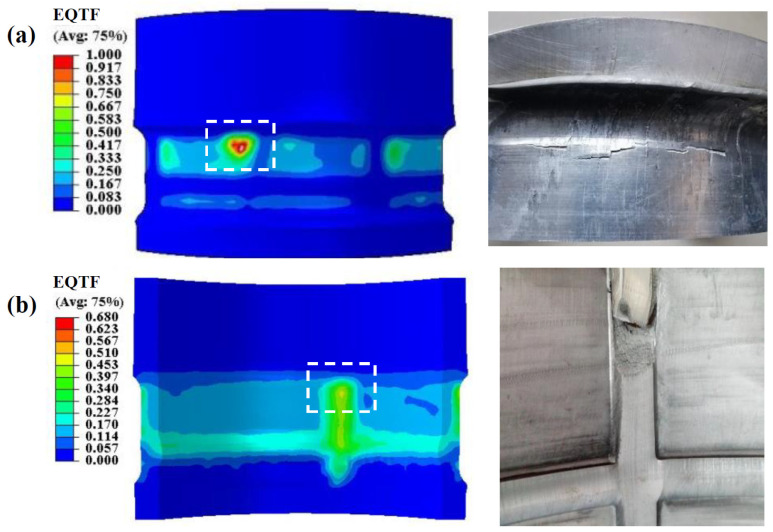 Figure 6
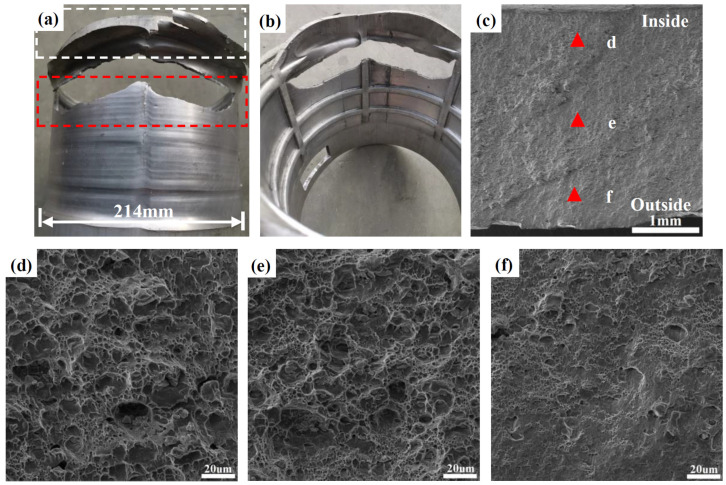 Figure 7
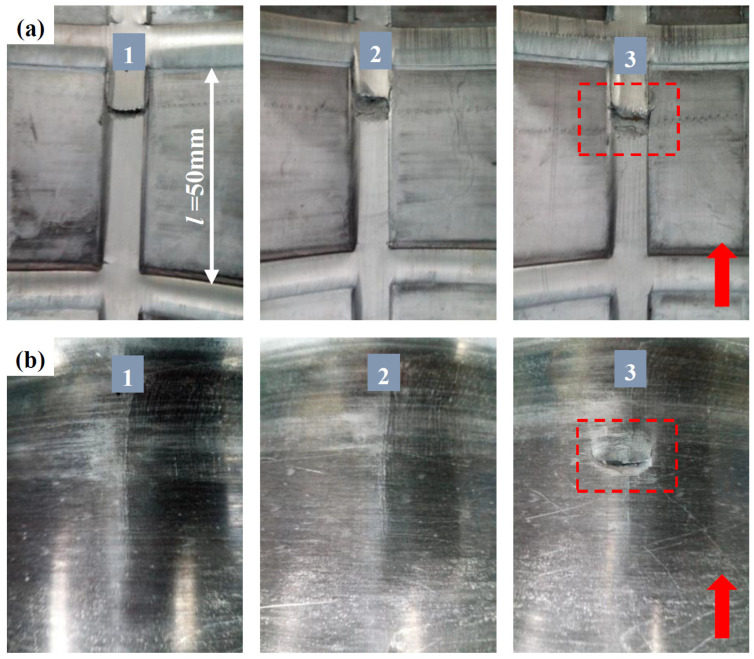 Figure 8
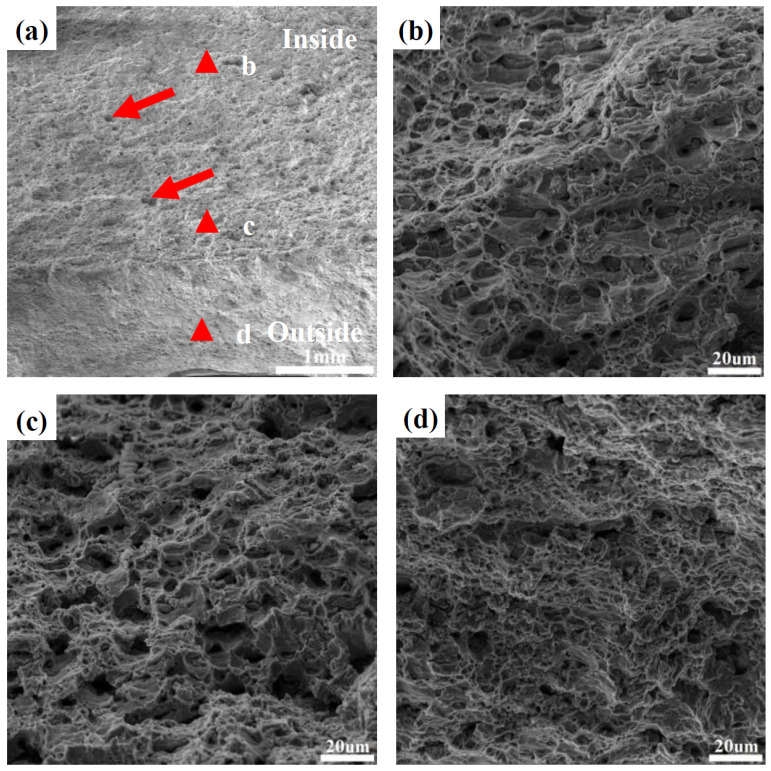 Figure 9
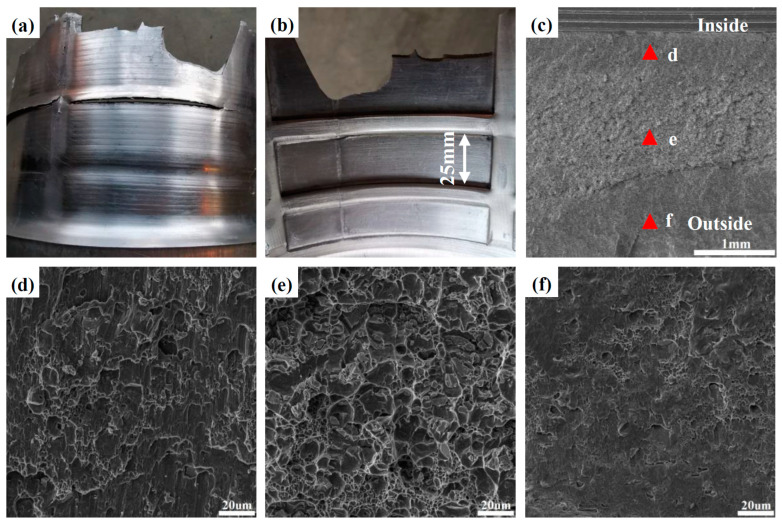 Figure 10
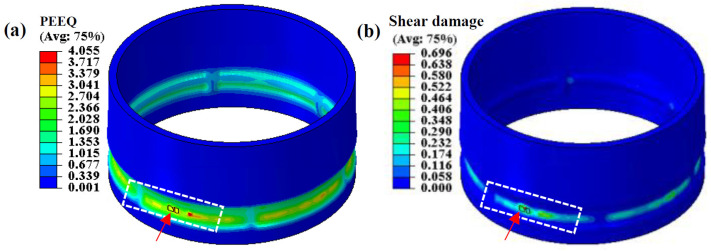 Figure 11
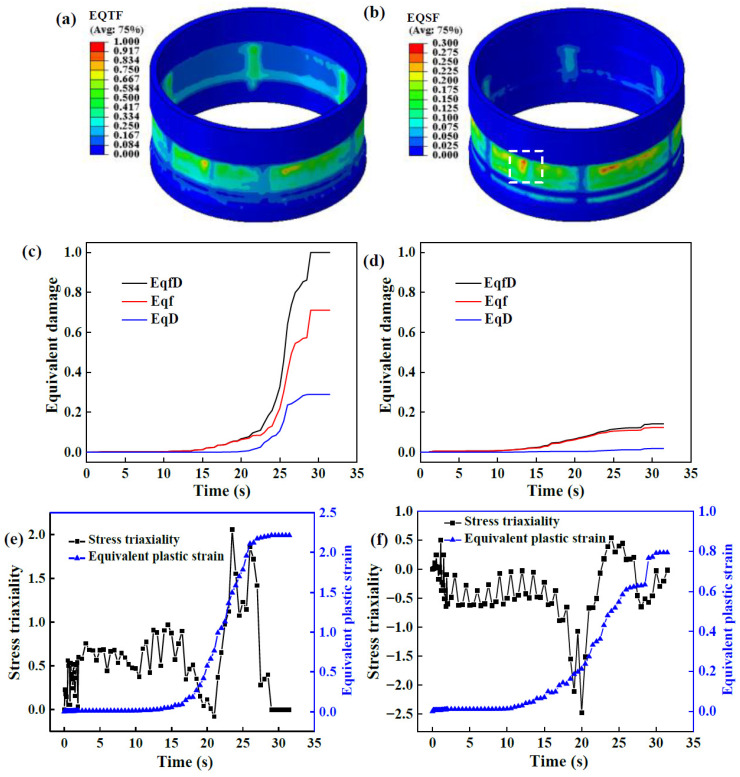 Figure 12
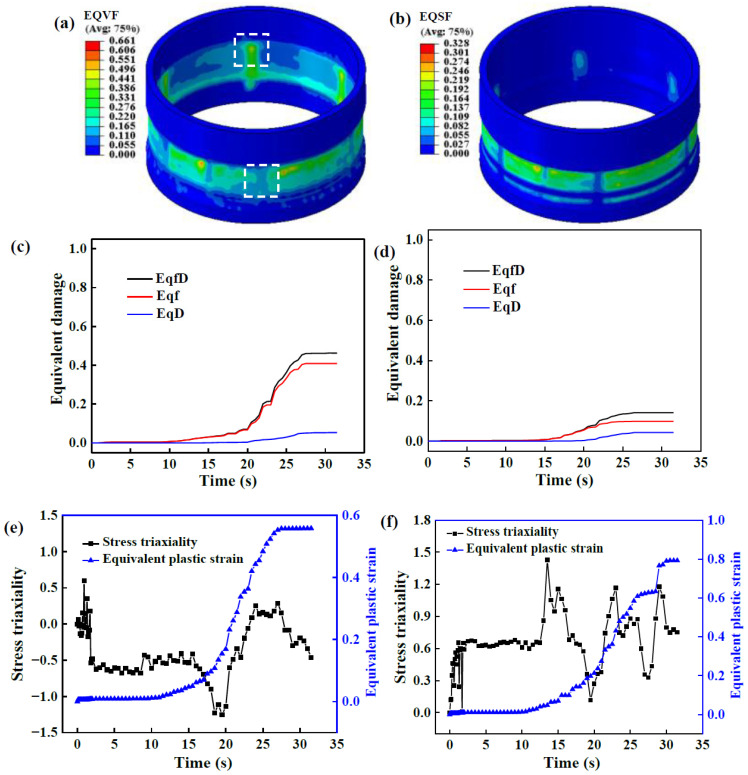 Figure 13
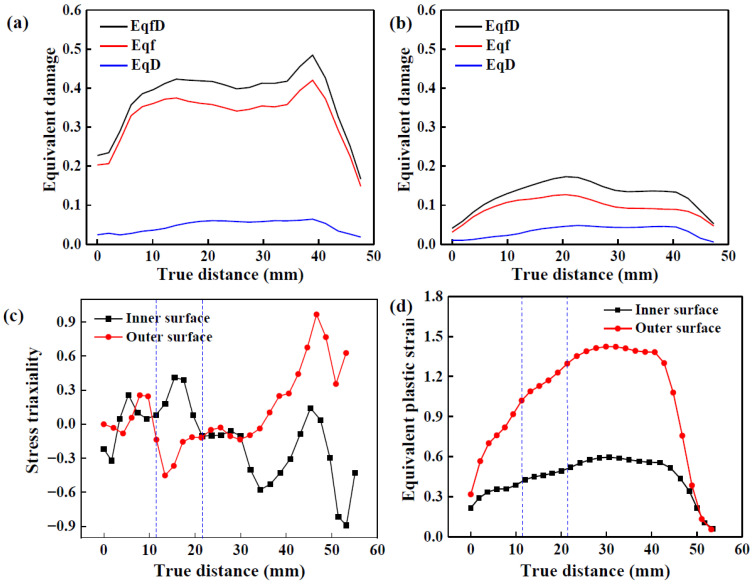 Figure 14
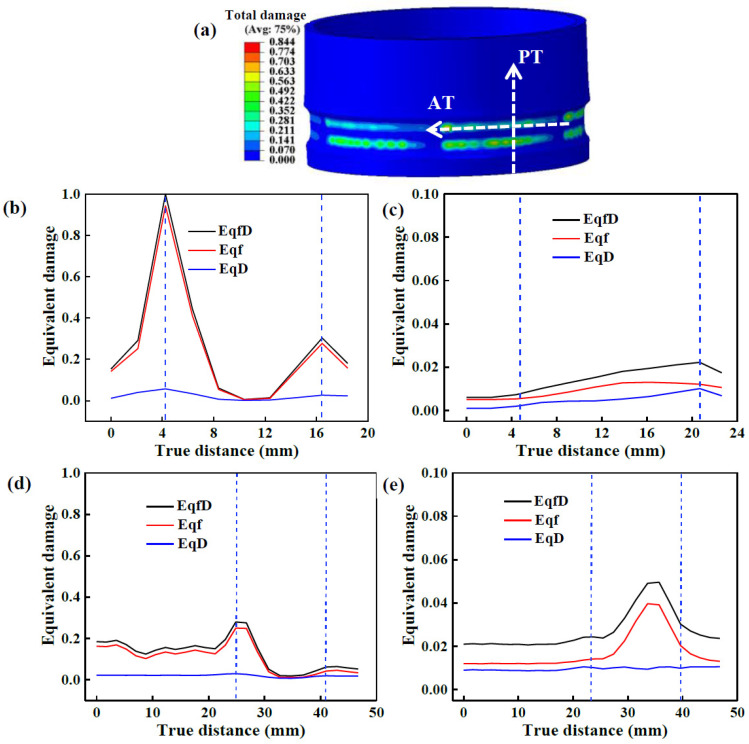 Figure 15
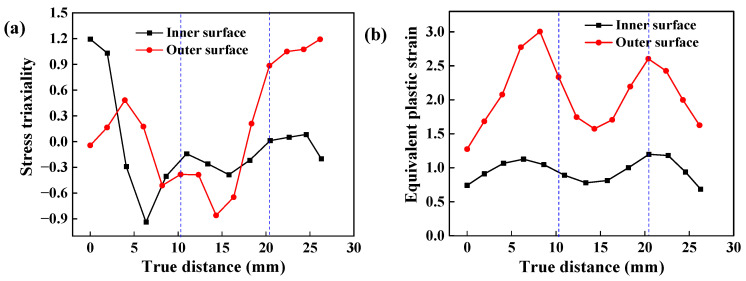 Figure 16
Peer Reviews
No public reviews on file for this paper yet. If you reviewed it on a platform where reviews are public (OpenReview, ICLR, NeurIPS, ICML), you can paste yours below so the community can read it here.
Videos
No videos yet. Explain this paper in a talk, walkthrough, or lecture? Add one.
Taxonomy
TopicsAdvertising and Communication Studies · Journalism and Media Studies · Organizational Management and Innovation