VeloPro: A pipeline integrating Ribo‐seq and AlphaFold deciphers association patterns between translation velocity and protein structure features
Bian Bian, Toshitaka Kumagai, Yutaka Saito

TL;DR
VeloPro combines Ribo-seq and AlphaFold to study how translation speed relates to protein structure across various organisms.
Contribution
The novel integration of Ribo-seq data with AlphaFold2 predictions to explore translation velocity and protein structure associations.
Findings
Translation velocity associations with protein structure features vary across different organisms.
These associations partially reflect the taxonomical relationships among organisms.
Abstract
VeloPro integrates Ribo‐seq data and AlphaFold2‐predicted 3D protein structure information for characterization of the association patterns between translation velocity and many protein structure features in prokaryotic and eukaryotic organisms across different taxonomical clades such as bacteria, fungi, protozoa, nematode, plants, insect, and mammals. We illustrated that association patterns between translation velocity and protein structure features differ across organisms, partially reflecting their taxonomical relationship.
Genes, proteins, chemicals, diseases, species, mutations and cell lines named across the full text — each resolved to its canonical identifier and authoritative record.
Click any figure to enlarge with its caption.
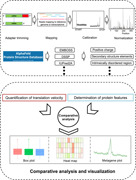 Figure 1
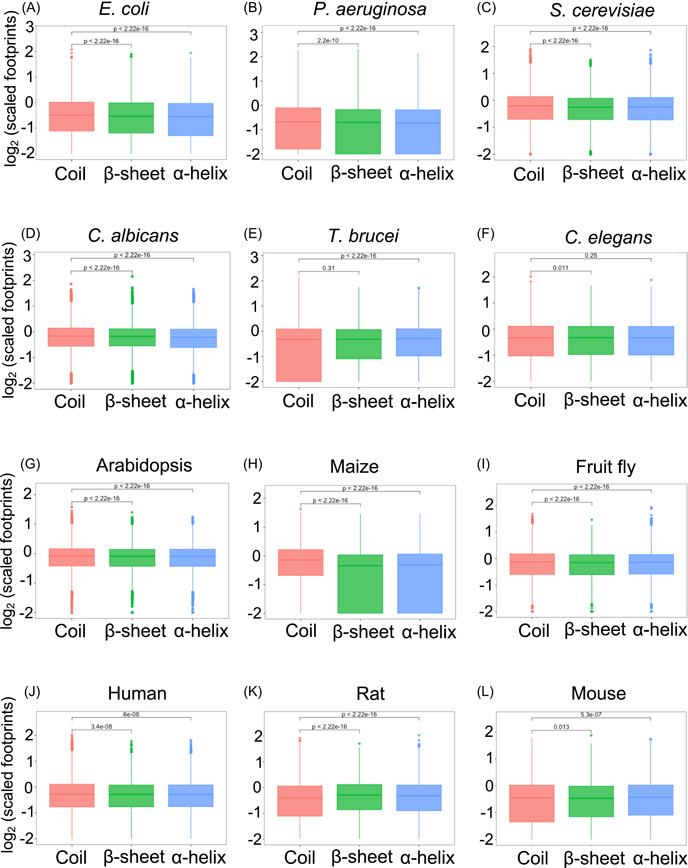 Figure 2
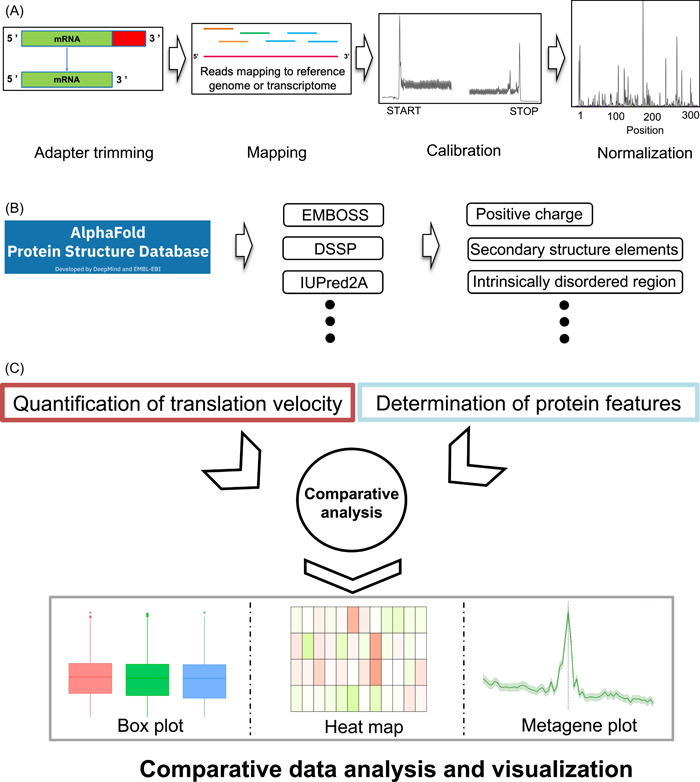 Figure 3
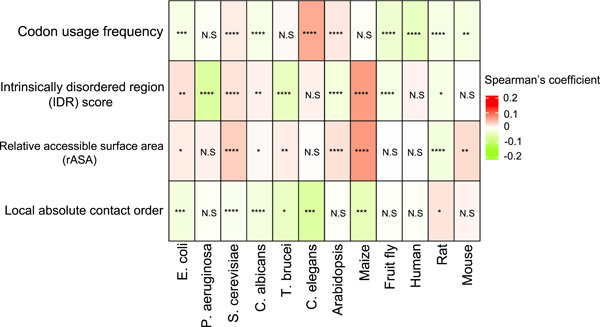 Figure 4
Peer Reviews
No public reviews on file for this paper yet. If you reviewed it on a platform where reviews are public (OpenReview, ICLR, NeurIPS, ICML), you can paste yours below so the community can read it here.
Videos
No videos yet. Explain this paper in a talk, walkthrough, or lecture? Add one.
Taxonomy
TopicsLegal processes and jurisprudence