Instrumented insoles for assessment of gait in patients with vestibular schwannoma
Stephen Leong, Bing M. Teh, Ton Duong, Diane Hu, Alexander Chui, Jocelyn S. Chen, Michael B. Sisti, Tony J.C. Wang, Damiano Zanotto, Anil K. Lalwani

TL;DR
This study uses instrumented insoles to assess gait in patients with vestibular schwannoma, revealing new insights into how tumor size affects walking patterns.
Contribution
The novel use of custom-engineered instrumented insoles provides a new method for capturing detailed gait metrics in vestibular schwannoma patients.
Findings
FGA scores were significantly correlated with gait metrics like stride length and velocity from the 2MWT and USWT.
Tumor diameter was negatively associated with stride time and swing time during the 2MWT.
Instrumented insoles revealed associations between tumor size and gait dysfunction not captured by standard assessments.
Abstract
Imbalance and gait disturbances are common in patients with vestibular schwannoma (VS) and can result in significant morbidity. Current methods for quantitative gait analysis are cumbersome and difficult to implement. Here, we use custom-engineered instrumented insoles to evaluate the gait of patients diagnosed with VS. Twenty patients with VS were recruited from otology, neurosurgery, and radiation oncology clinics at a tertiary referral center. Functional gait assessment (FGA), 2-minute walk test (2MWT), and uneven surface walk test (USWT) were performed. Custom-engineered instrumented insoles, equipped with an 8-cell force sensitive resistor (FSR) and a 9-degree-of-freedom inertial measurement unit (IMU), were used to collect stride-by-stride spatiotemporal gait parameters, from which mean values and coefficients of variation (CV) were determined for each patient. FGA scores were…
Genes, proteins, chemicals, diseases, species, mutations and cell lines named across the full text — each resolved to its canonical identifier and authoritative record.
Click any figure to enlarge with its caption.
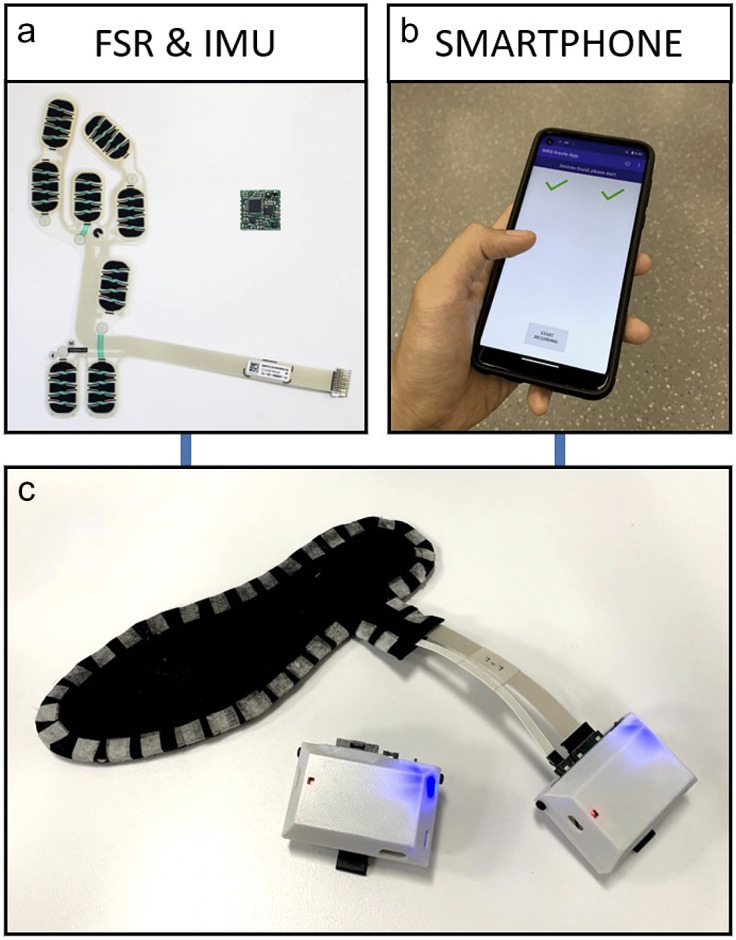 Figure 1
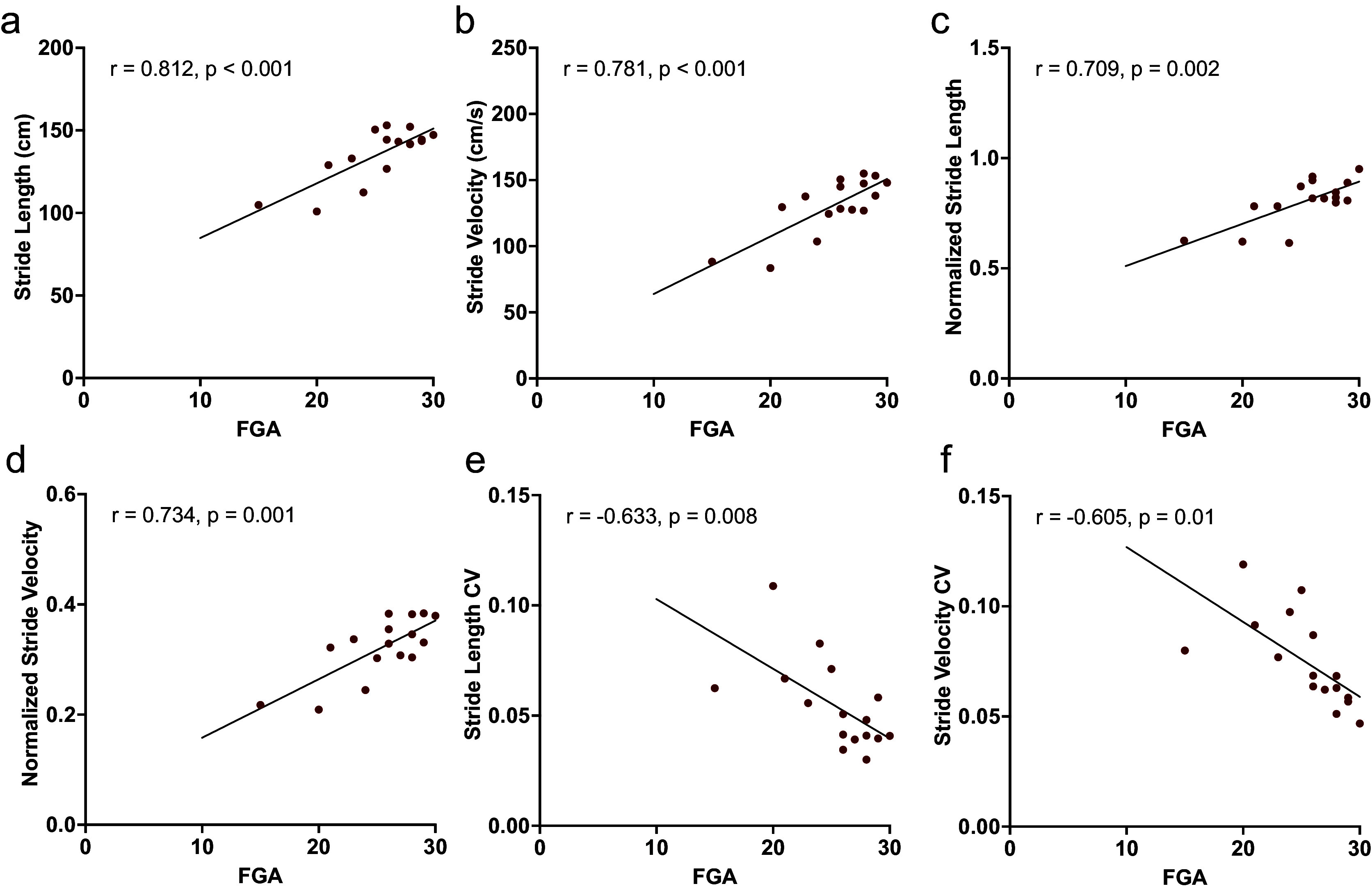 Figure 2
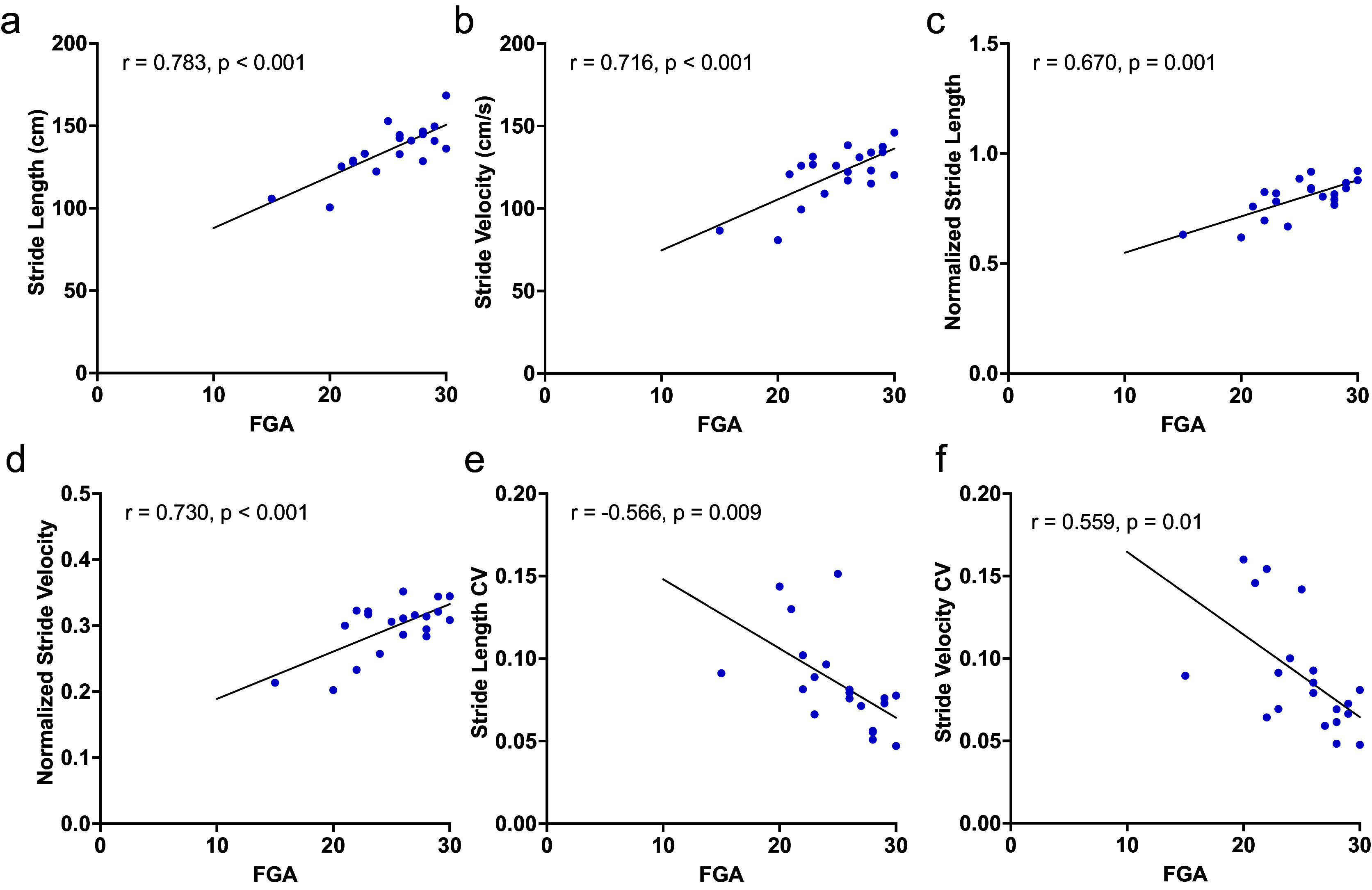 Figure 3
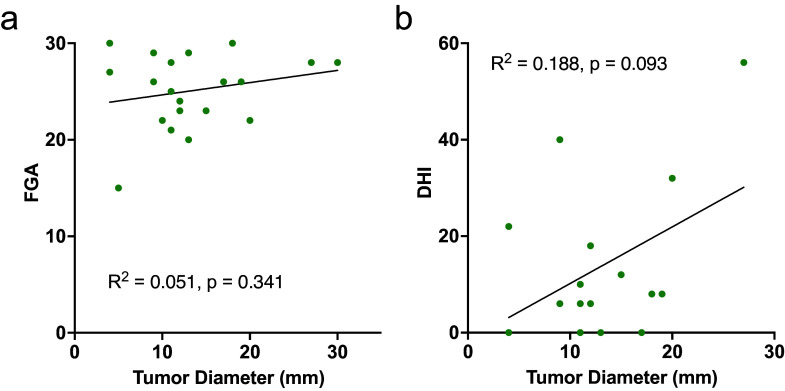 Figure 4
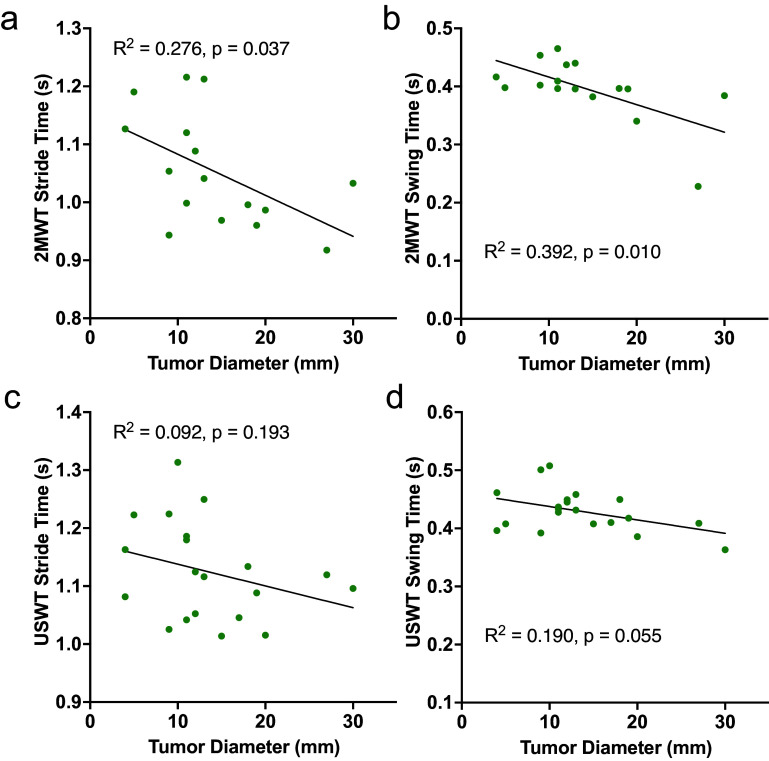 Figure 5
 Figure 6
Peer Reviews
No public reviews on file for this paper yet. If you reviewed it on a platform where reviews are public (OpenReview, ICLR, NeurIPS, ICML), you can paste yours below so the community can read it here.
Videos
No videos yet. Explain this paper in a talk, walkthrough, or lecture? Add one.
Taxonomy
TopicsVestibular and auditory disorders · Hearing, Cochlea, Tinnitus, Genetics · Balance, Gait, and Falls Prevention