Cardiogenic Shock in a Patient With 4G/4G PAI Polymorphism and MTHFR A1298C Mutation
Ijeoma Orabueze, Inemesit Akpan, Valerie Cluzet, Mark Harrison

TL;DR
A 75-year-old man with genetic mutations and peripheral artery disease developed cardiogenic shock from a heart attack despite no prior heart issues.
Contribution
This case highlights a potential link between inherited thrombophilia and acute myocardial infarction leading to cardiogenic shock.
Findings
A patient with 4G/4G PAI-1 polymorphism and MTHFR A1298C mutation developed cardiogenic shock from acute MI.
The patient had no prior significant cardiac history but had peripheral artery disease.
Inherited thrombophilia may contribute to acute MI in susceptible individuals.
Abstract
Myocardial infarction (MI) remains a common cause of morbidity and mortality. Although many well-known risk factors exist, the association between inherited thrombophilia disorders and acute MI is not well described. Here, we present a case of a 75-year-old male with known 4G/4G PAI-1 polymorphism, methylenetetrahydrofolate reductase (MTHFR) mutation, and peripheral artery disease (PAD) post stent placement who presented with cardiogenic shock in the setting of acute MI with no prior significant cardiac history.
Genes, proteins, chemicals, diseases, species, mutations and cell lines named across the full text — each resolved to its canonical identifier and authoritative record.
Click any figure to enlarge with its caption.
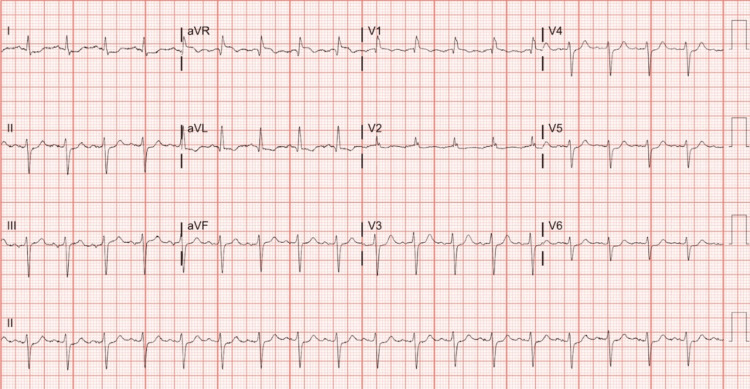 Figure 1
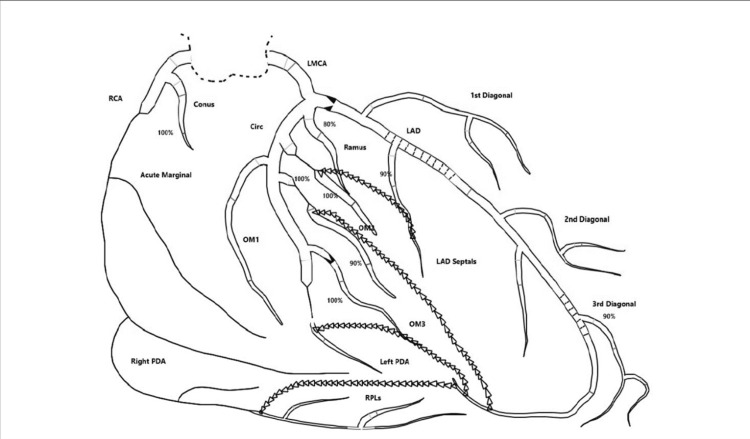 Figure 2
Peer Reviews
No public reviews on file for this paper yet. If you reviewed it on a platform where reviews are public (OpenReview, ICLR, NeurIPS, ICML), you can paste yours below so the community can read it here.
Videos
No videos yet. Explain this paper in a talk, walkthrough, or lecture? Add one.
Taxonomy
TopicsBlood Coagulation and Thrombosis Mechanisms · Folate and B Vitamins Research · Connective tissue disorders research