The Effects of the Fraction Isolated from Iranian Buthotus shach Scorpion Venom on Synaptic Plasticity, Learning, Memory, and Seizure Susceptibility
Elmira Heidarli, Hossein Vatanpour, Nafiseh Nasri Nasrabadi, Maha Soltani, Saeed Tahmasebi, Mehrdad Faizi

TL;DR
This study examines the effects of a fraction from Iranian scorpion venom on seizures and brain functions like learning and memory in rats.
Contribution
The study identifies a specific venom fraction (F3) with antiepileptic properties and distinct effects on synaptic plasticity.
Findings
F3 fraction delayed and prevented advanced seizure stages compared to carbamazepine.
F3 increased PS amplitude and fEPSP slope, indicating enhanced synaptic plasticity.
F3 did not improve memory or learning, suggesting separate mechanisms for seizure and cognitive effects.
Abstract
Epilepsy, as a neurological disease, can be defined as frequent seizure attacks. Further, it affects many other aspects of patients’ mental activities, such as learning and memory. Scorpion venoms have gained notice as compounds with potential antiepileptic properties. Among them, Buthotus schach (BS) is one of the Iranian scorpions studied by Aboutorabi et al., who fractionated, characterized, and tested this compound using electrophysiological techniques in brain slices (patch-clamp recording). In the present study, the fraction obtained from gel electrophoresis was investigated through behavioral and electrophysiological assays. At first, ventricular cannulation was performed in rats, and then the active fraction (i.e., F3), carbamazepine, and the vehicle were microinjected into the brain before seizure induction by the subcutaneous (SC) injection of pentylenetetrazol (PTZ). Seizure…
Genes, proteins, chemicals, diseases, species, mutations and cell lines named across the full text — each resolved to its canonical identifier and authoritative record.
Click any figure to enlarge with its caption.
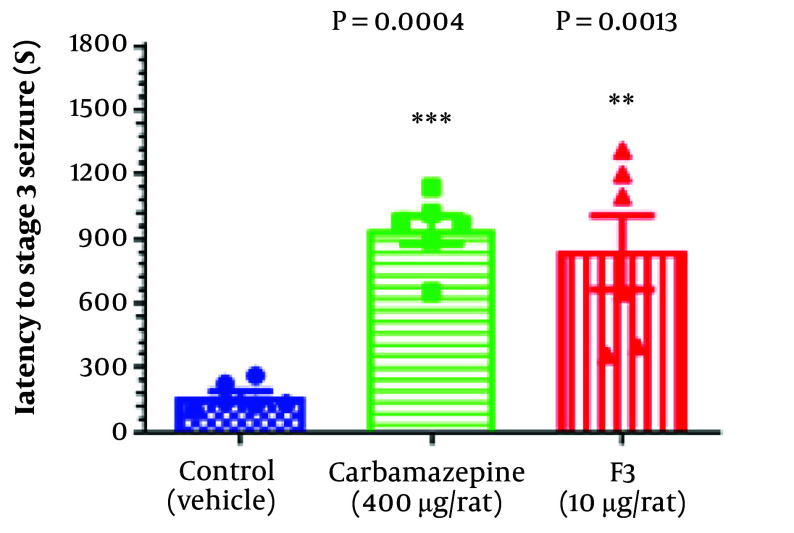 Figure 1
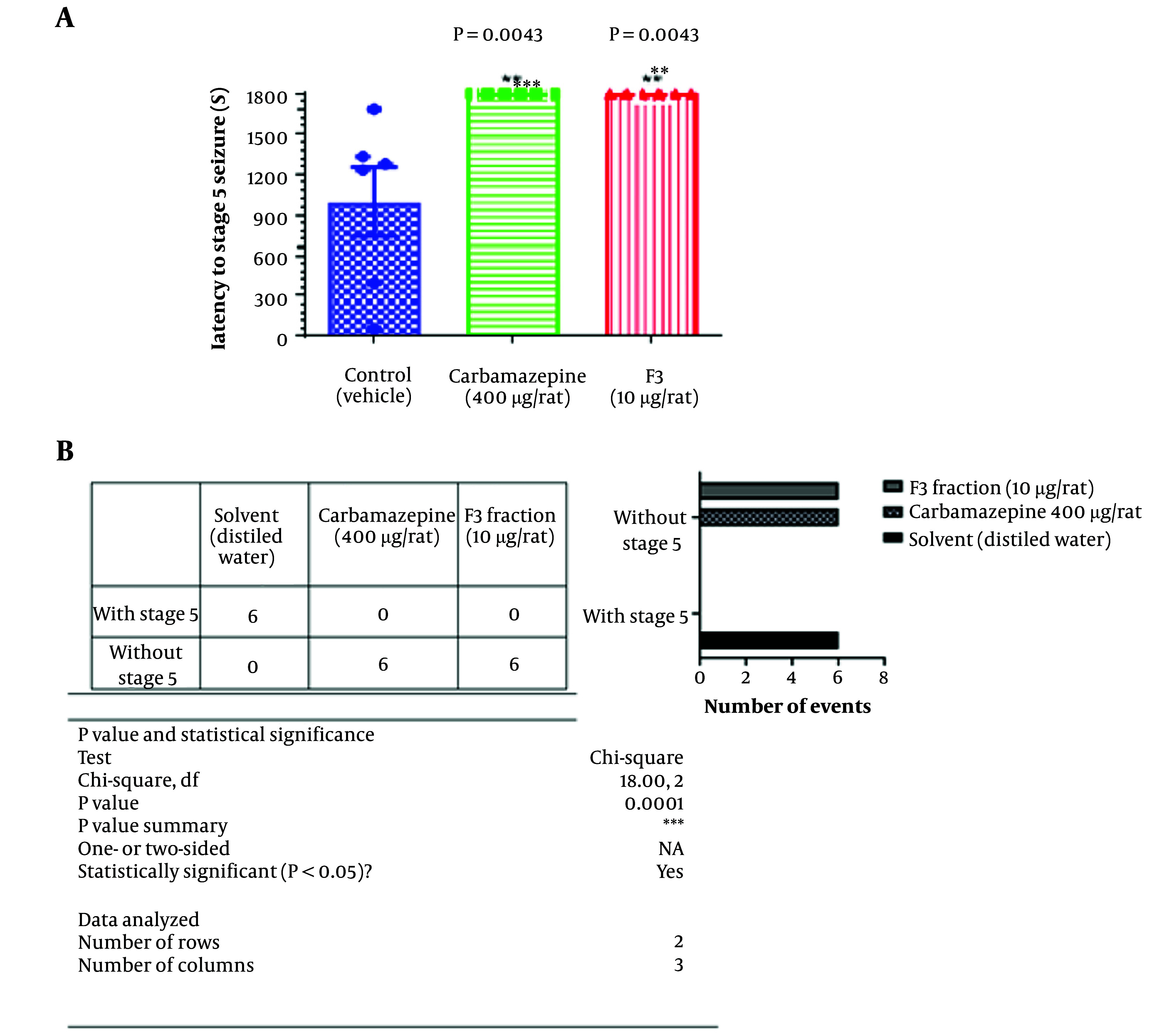 Figure 2
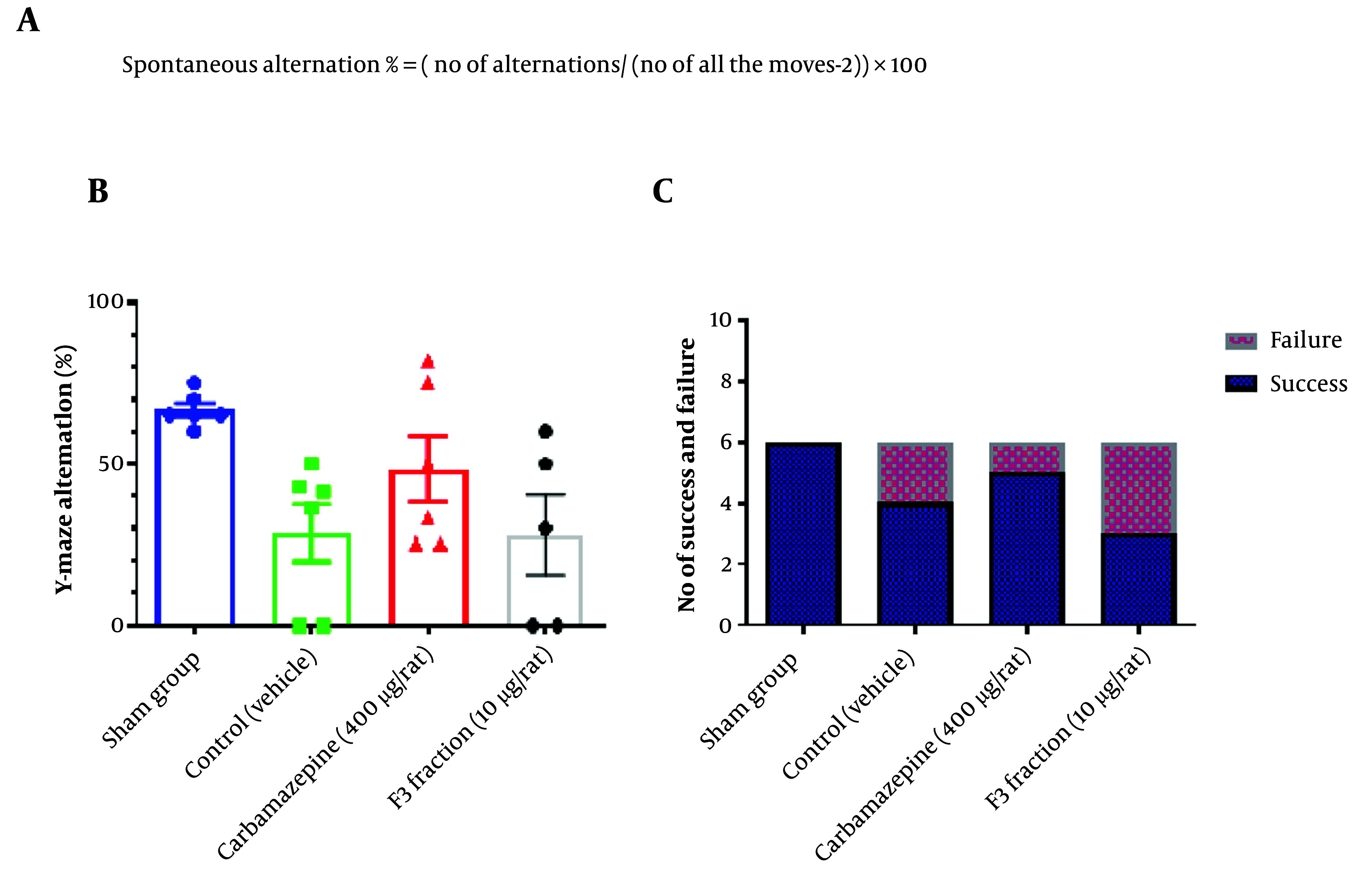 Figure 3
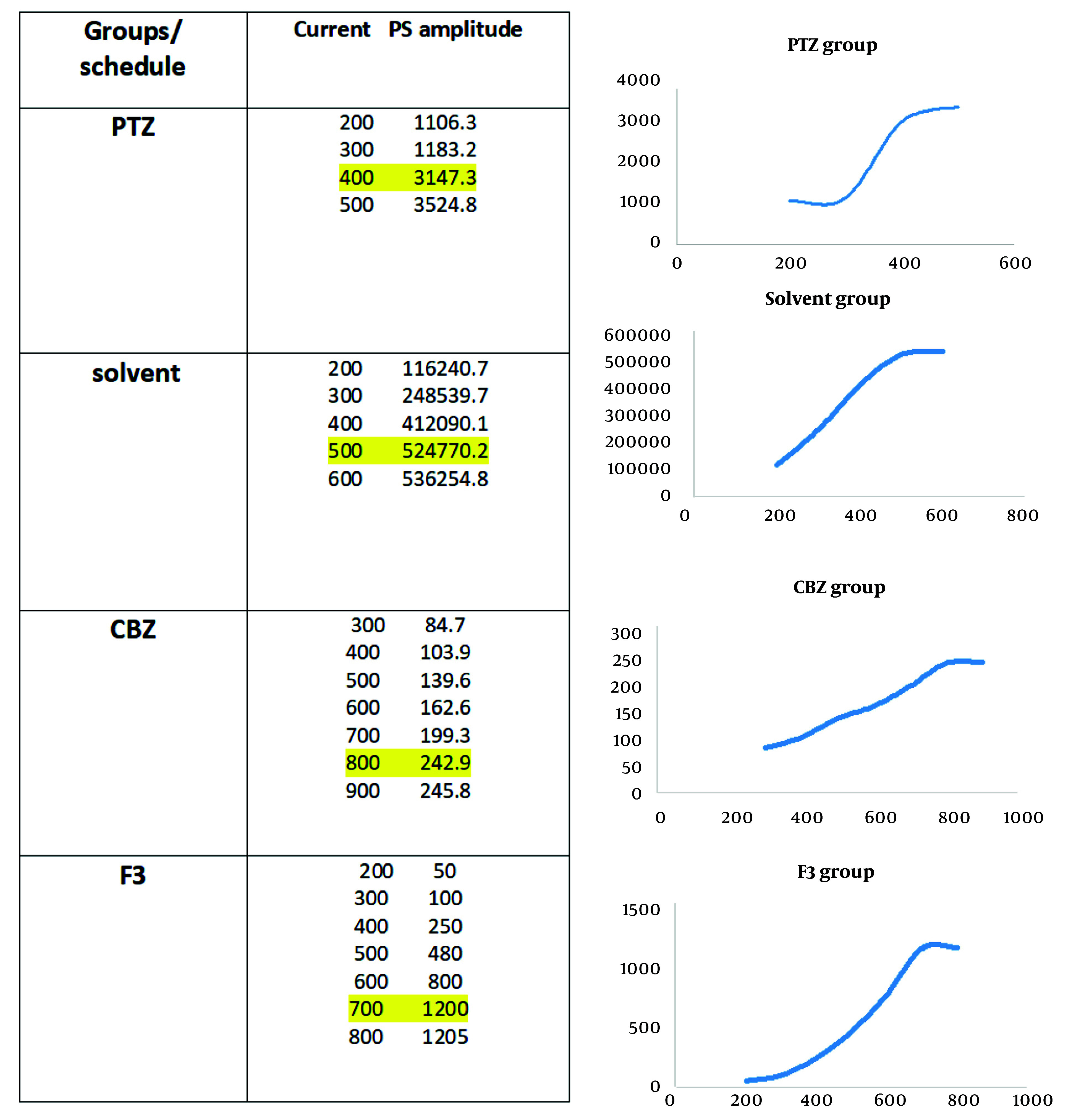 Figure 4
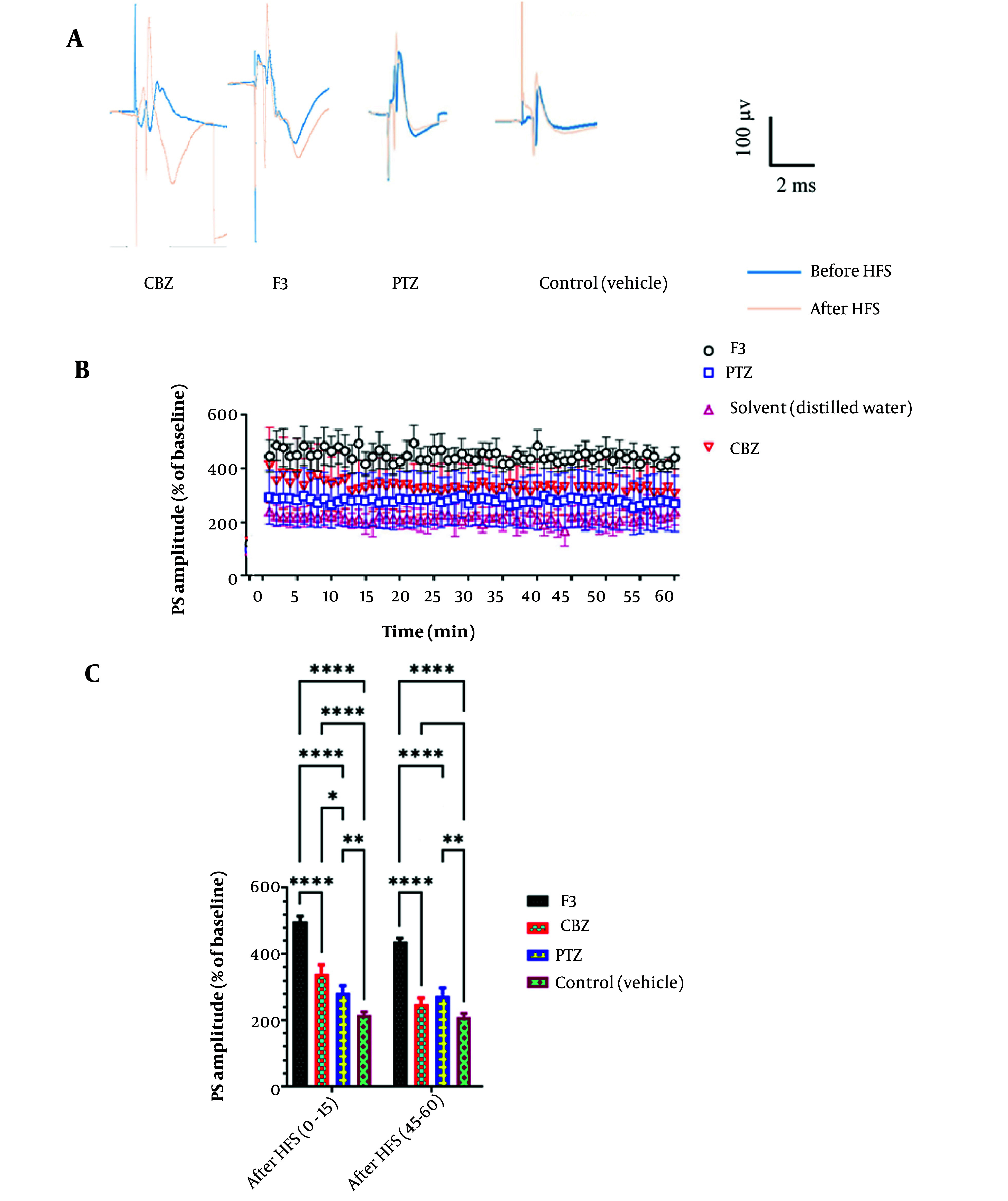 Figure 5
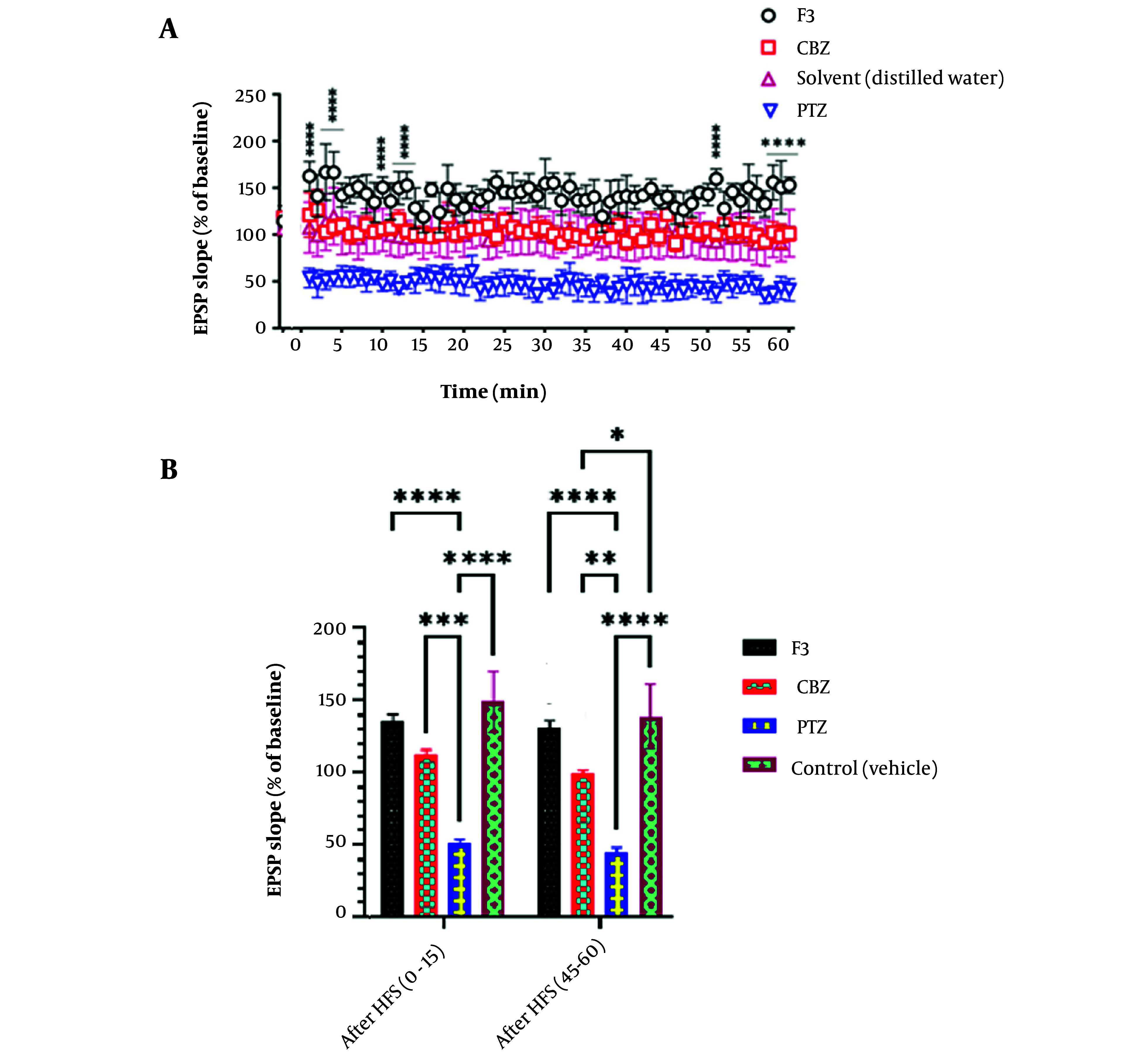 Figure 6
Peer Reviews
No public reviews on file for this paper yet. If you reviewed it on a platform where reviews are public (OpenReview, ICLR, NeurIPS, ICML), you can paste yours below so the community can read it here.
Videos
No videos yet. Explain this paper in a talk, walkthrough, or lecture? Add one.
Taxonomy
TopicsIon channel regulation and function · Venomous Animal Envenomation and Studies · Nicotinic Acetylcholine Receptors Study