Pip5k1γ regulates axon formation by limiting Rap1 activity
Danila Di Meo, Trisha Kundu, Priyadarshini Ravindran, Bhavin Shah, Andreas W Püschel

TL;DR
Pip5k1γ helps neurons form a single axon by controlling Rap1 activity, and disrupting it leads to extra axons.
Contribution
Pip5k1γ is identified as a negative feedback regulator of axon formation through its regulation of Rap1 activity.
Findings
Disrupting Pip5k1γ or altering membrane tension increases Rap1 activity and causes extra axon formation.
PI(4,5)P2 generated by Pip5k1γ limits C3G and Rap1 activity to ensure a single axon forms.
Constitutively active Pip5k reverses supernumerary axon formation caused by Pip5k1γ disruption.
Abstract
Pip5k1γ is shown to regulate axon formation as a negative feedback signal. Impairing its function or manipulating membrane tension by osmotic shock induces the formation of supernumerary axons by hyper-activation of C3G and Rap1. During their differentiation, neurons establish a highly polarized morphology by forming axons and dendrites. Cortical and hippocampal neurons initially extend several short neurites that all have the potential to become an axon. One of these neurites is then selected as the axon by a combination of positive and negative feedback signals that promote axon formation and prevent the remaining neurites from developing into axons. Here, we show that Pip5k1γ is required for the formation of a single axon as a negative feedback signal that regulates C3G and Rap1 through the generation of phosphatidylinositol-4,5-bisphosphate (PI(4,5)P2). Impairing the function of…
Genes, proteins, chemicals, diseases, species, mutations and cell lines named across the full text — each resolved to its canonical identifier and authoritative record.
Click any figure to enlarge with its caption.
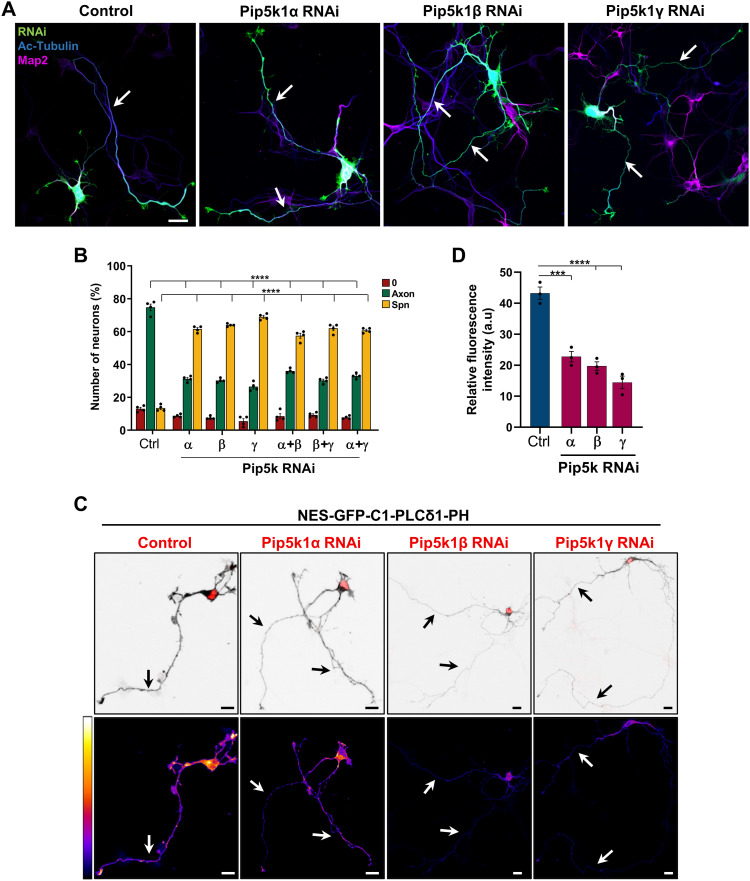 Figure 1
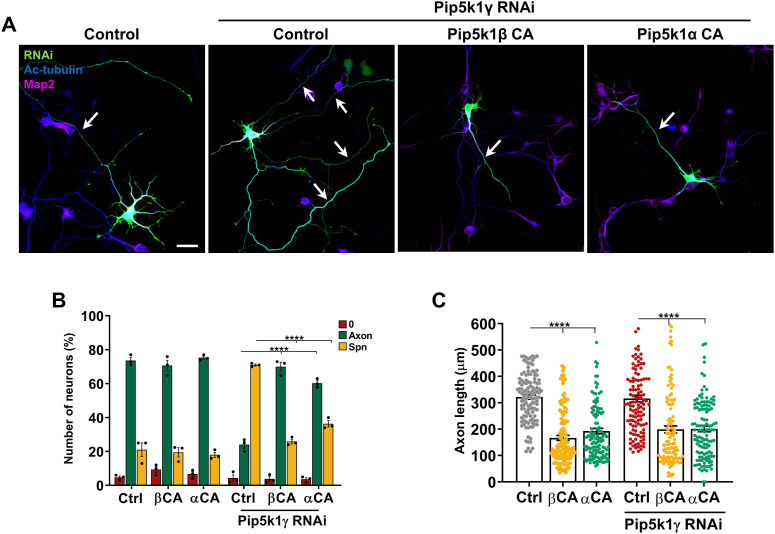 Figure 2
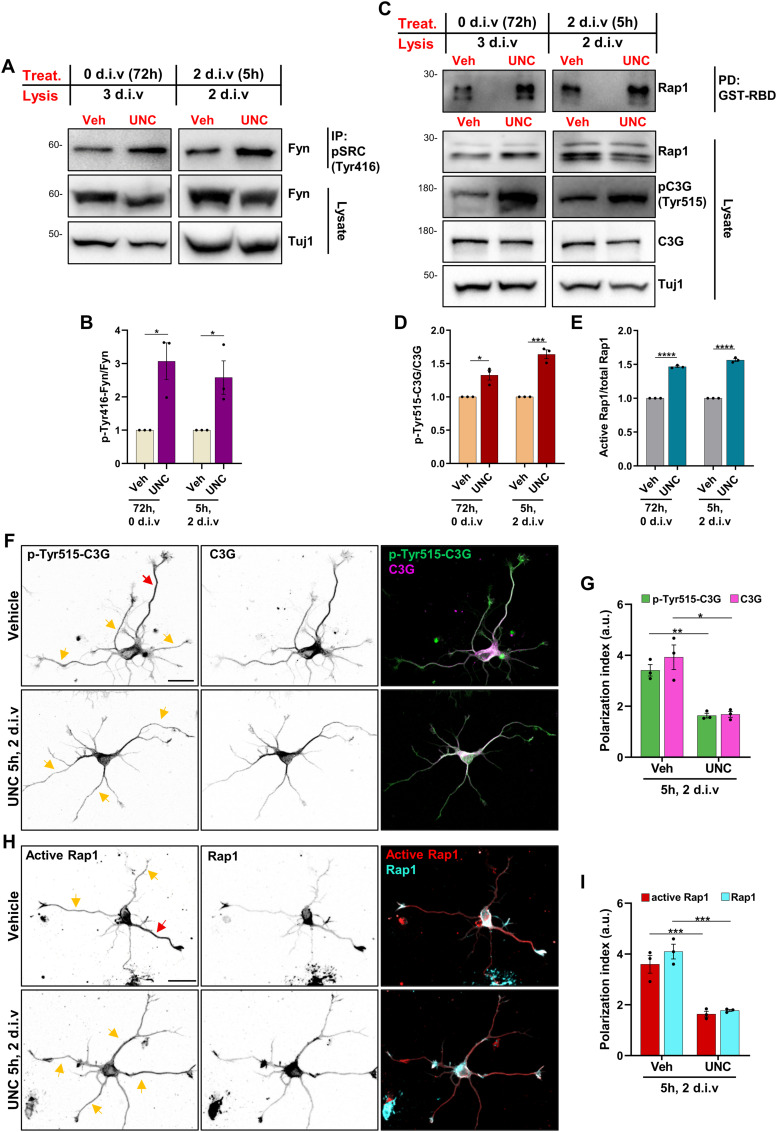 Figure 3
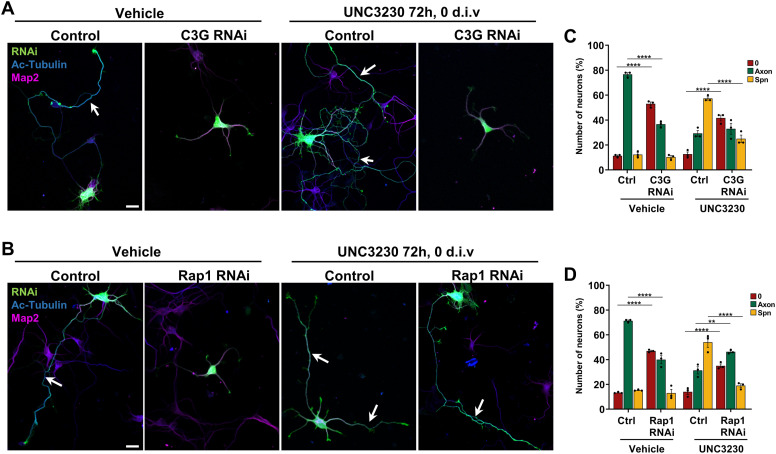 Figure 4
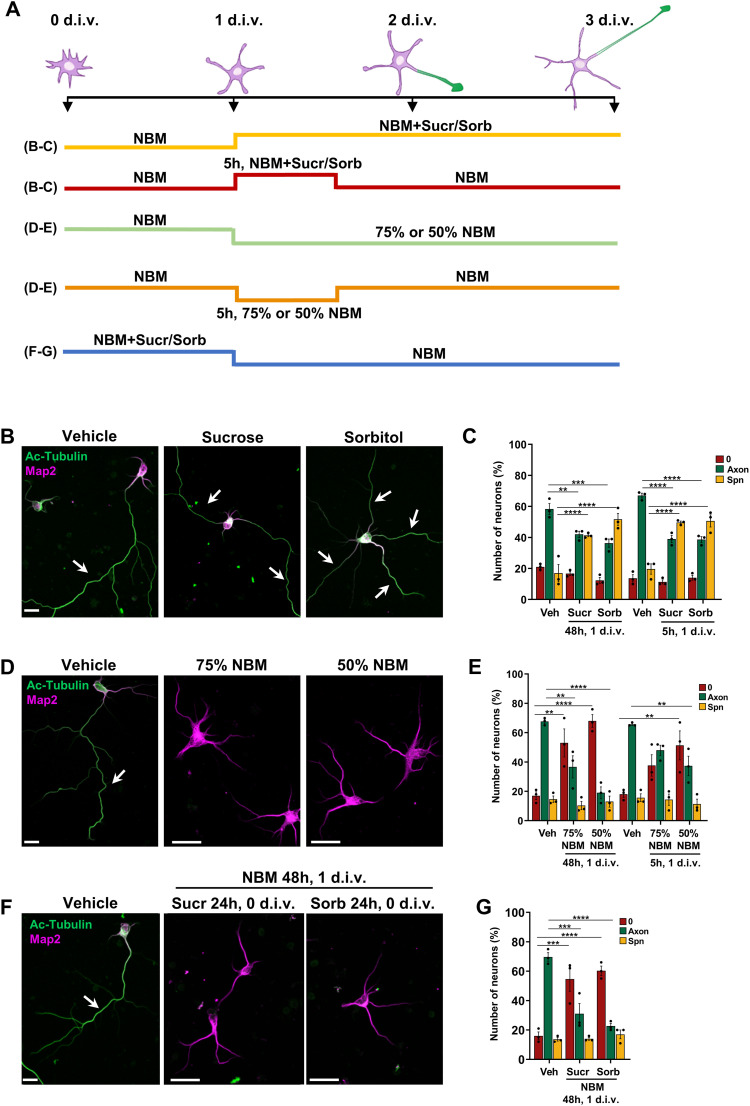 Figure 5
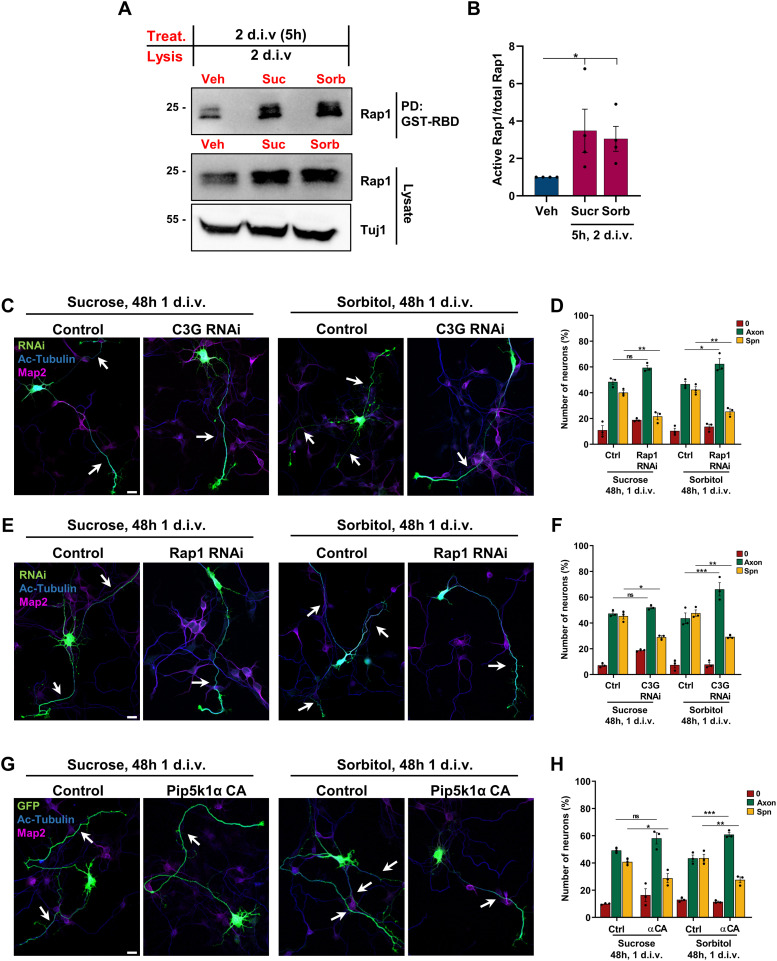 Figure 6
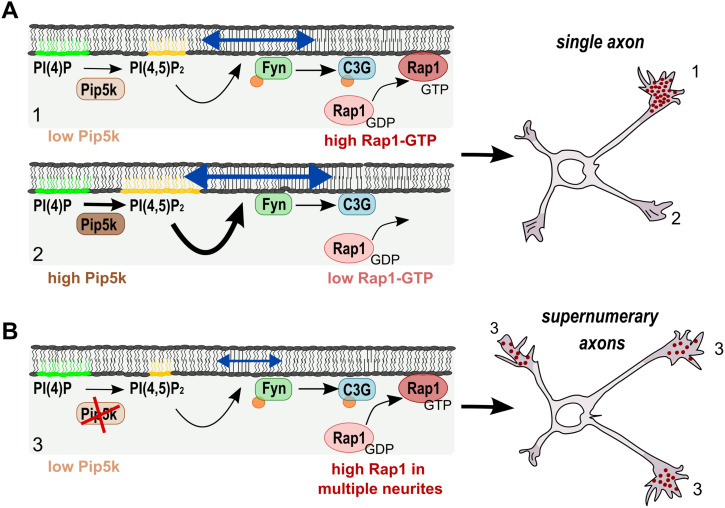 Figure 7
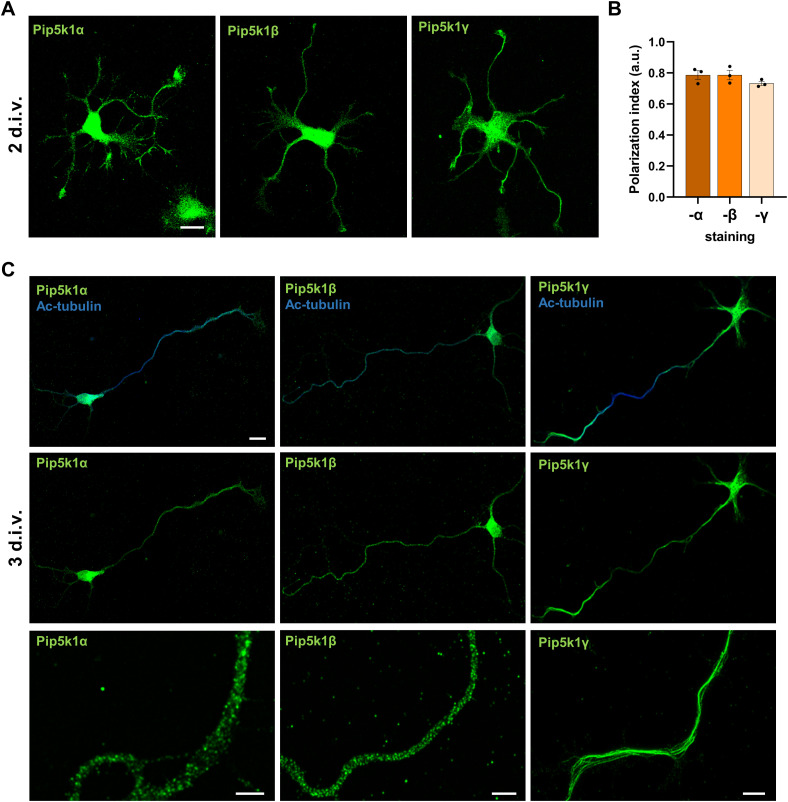 Figure 8
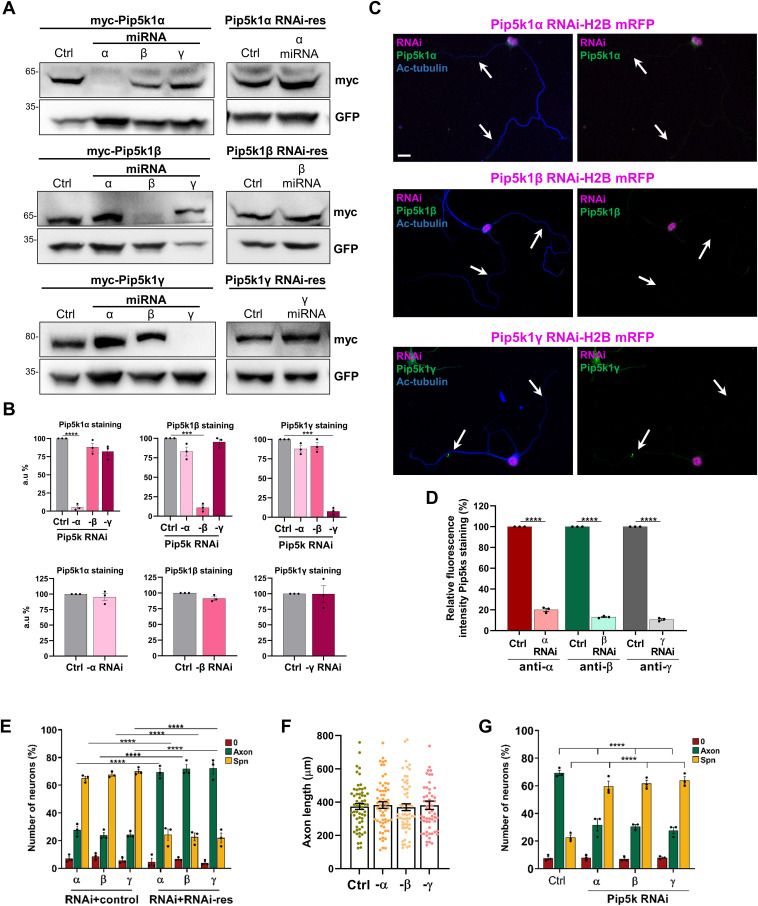 Figure 9
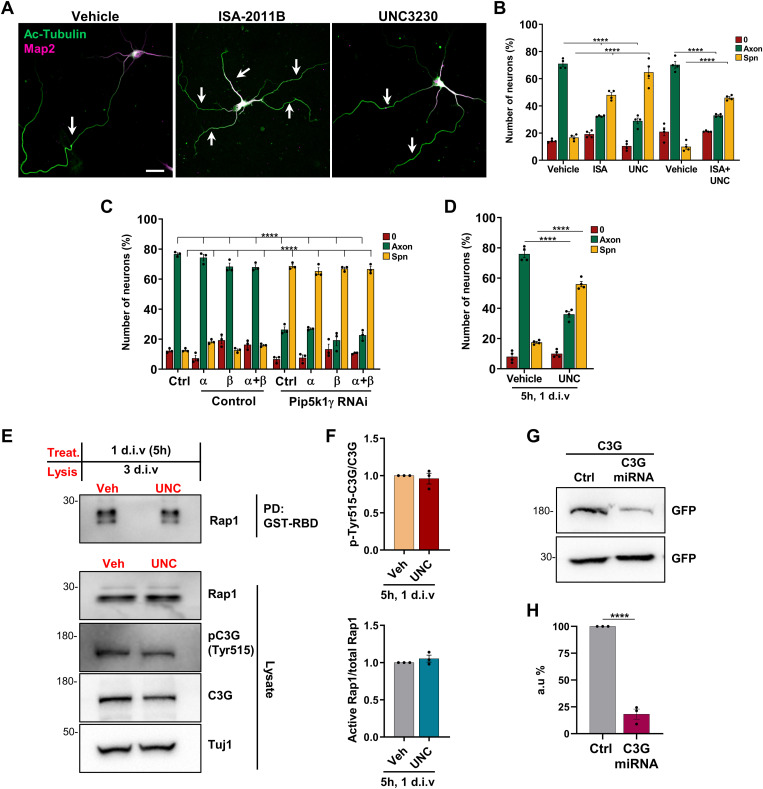 Figure 10
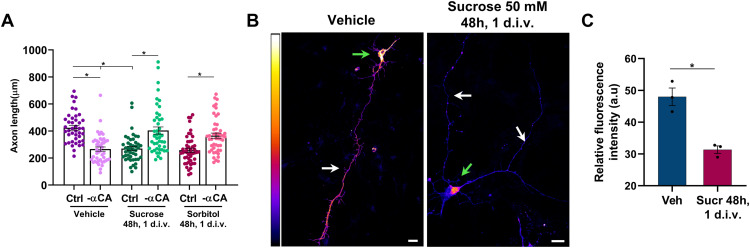 Figure 11
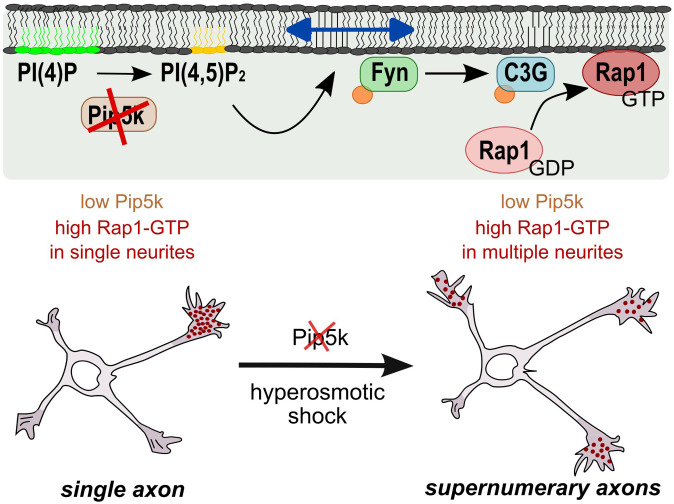 Figure 12
Peer Reviews
No public reviews on file for this paper yet. If you reviewed it on a platform where reviews are public (OpenReview, ICLR, NeurIPS, ICML), you can paste yours below so the community can read it here.
Videos
No videos yet. Explain this paper in a talk, walkthrough, or lecture? Add one.
Taxonomy
TopicsCellular transport and secretion · Cell Adhesion Molecules Research · Cellular Mechanics and Interactions