DNA Hyperstructure
Gloria Elena León-Paz-de-Rodríguez, Ericka Rodríguez-León, Ramón Iñiguez-Palomares

TL;DR
This study introduces a method to create DNA hyperstructures on glass slides, which can be used for disease detection and early gender determination in gestational products.
Contribution
A novel procedure for DNA precipitation and self-assembly into hyperstructures for visualization and diagnostic applications.
Findings
DNA hyperstructures form autonomously on glass slides under controlled precipitation conditions.
Distinct hyperstructure patterns were observed in healthy individuals versus those with medical conditions.
The method works with DNA from various sources, including human blood and viruses.
Abstract
This study presents a new procedure to condense DNA molecules and precipitate them onto a glass slide. The resulting DNA molecules undergo autonomous self-assembly, creating closed superstructures on the micrometer scale, which are called DNA hyperstructures. These structures can be observed using low-magnification (4×) light microscopy. Precisely controlling the alcohol/glacial acetic acid ratio and DNA concentration during precipitation enabled the regulation of structure compaction on the slide. The alcohol/glacial acetic acid ratio is inversely proportional to the DNA concentration to achieve optimal compaction on the slide. Confocal microscopy fluorescence analysis of DNA extracts stained with DAPI shows that nucleic acids self-assemble to form structures during precipitation on the slide. This methodology is relevant since it facilitates the precipitation and visualization of DNA,…
Genes, proteins, chemicals, diseases, species, mutations and cell lines named across the full text — each resolved to its canonical identifier and authoritative record.
Click any figure to enlarge with its caption.
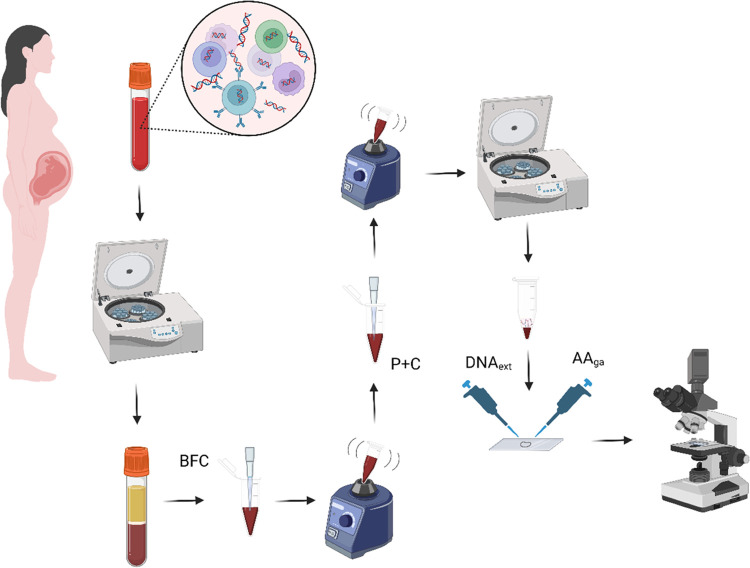 Figure 1
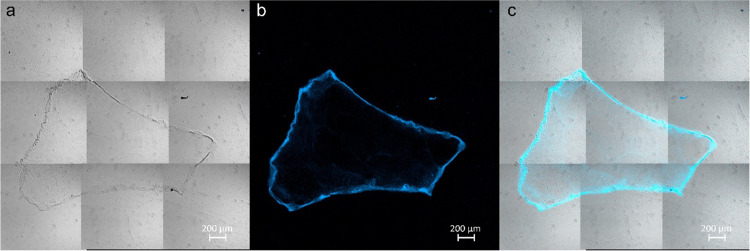 Figure 2
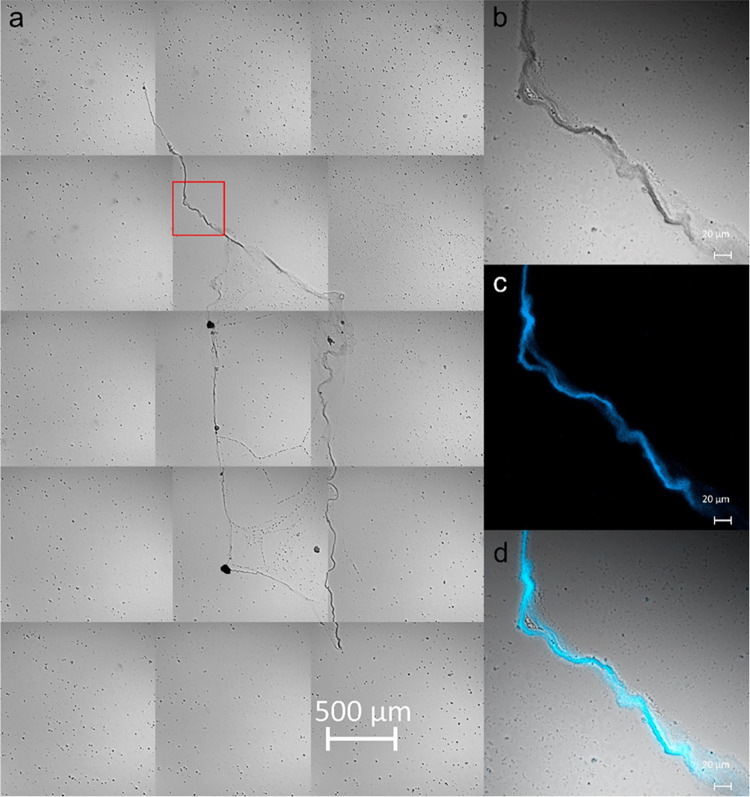 Figure 3
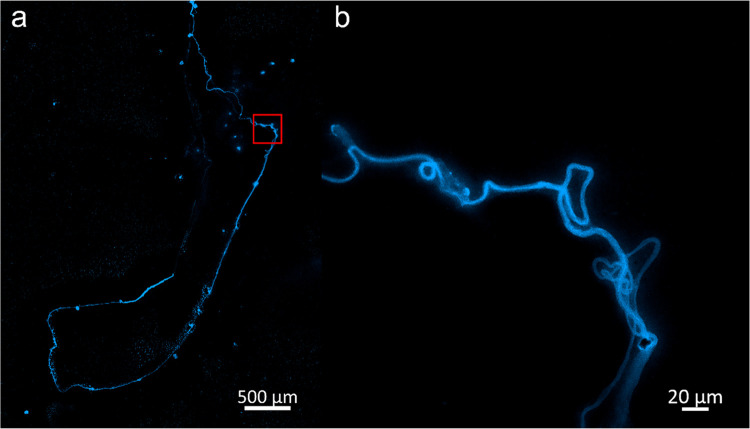 Figure 4
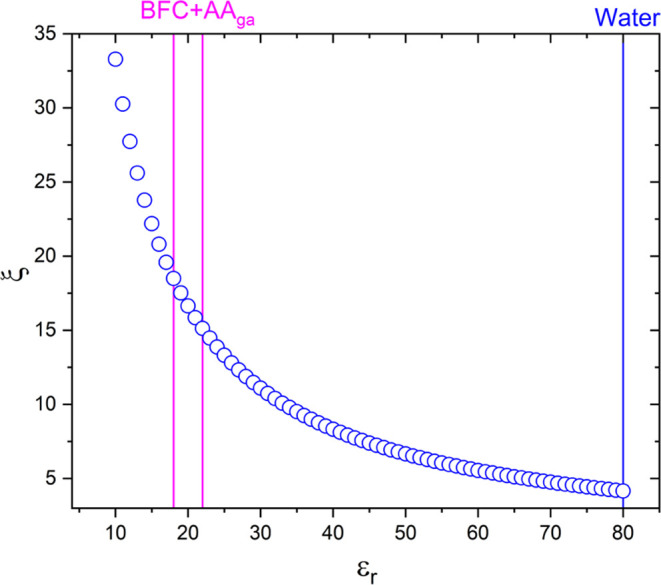 Figure 5
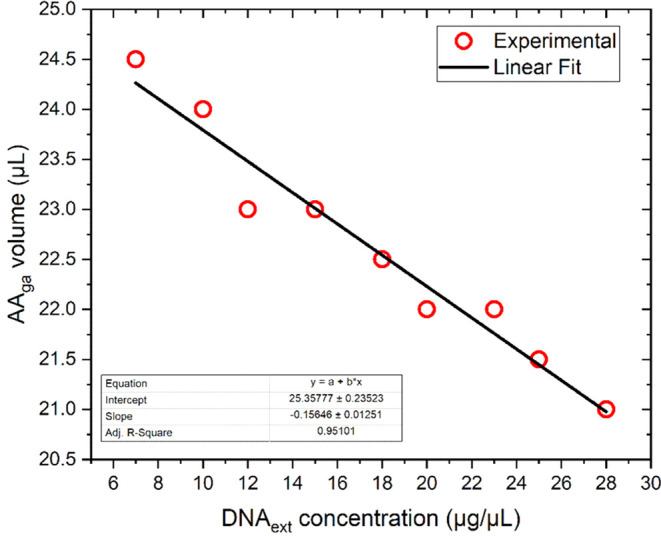 Figure 6
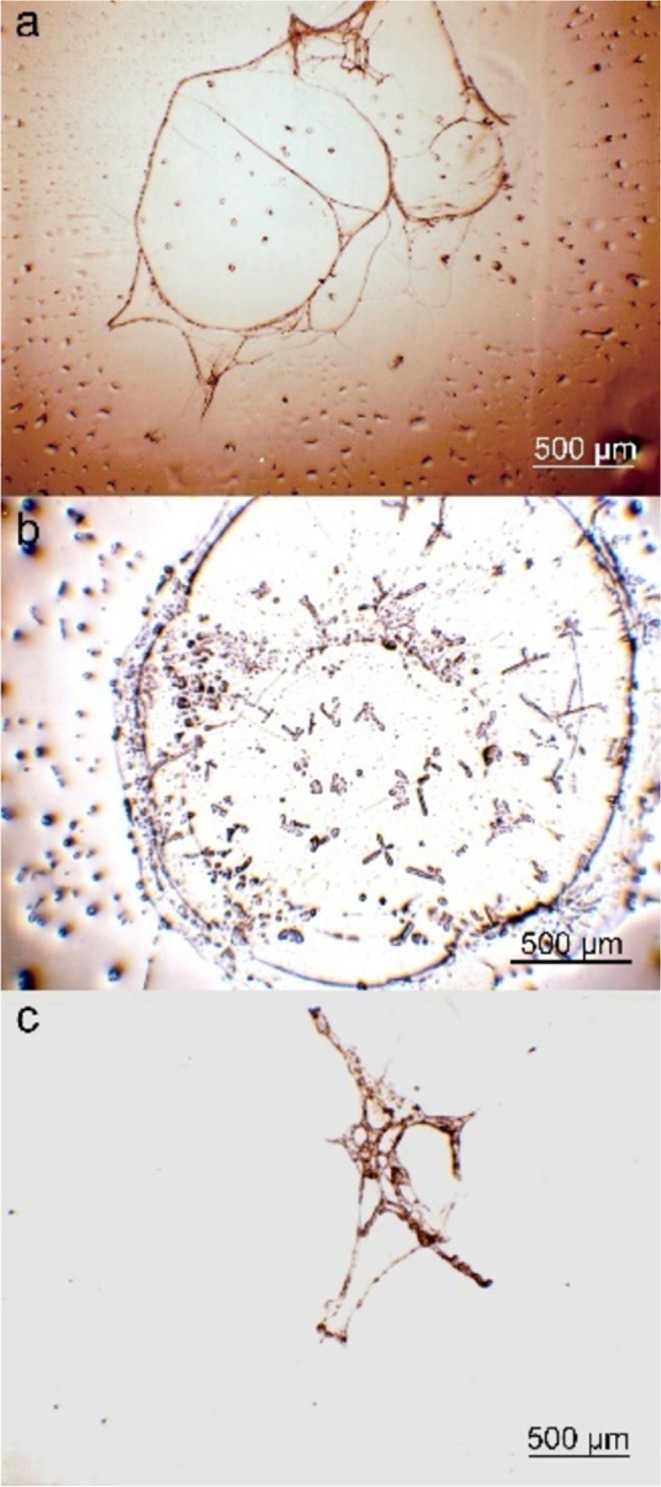 Figure 7
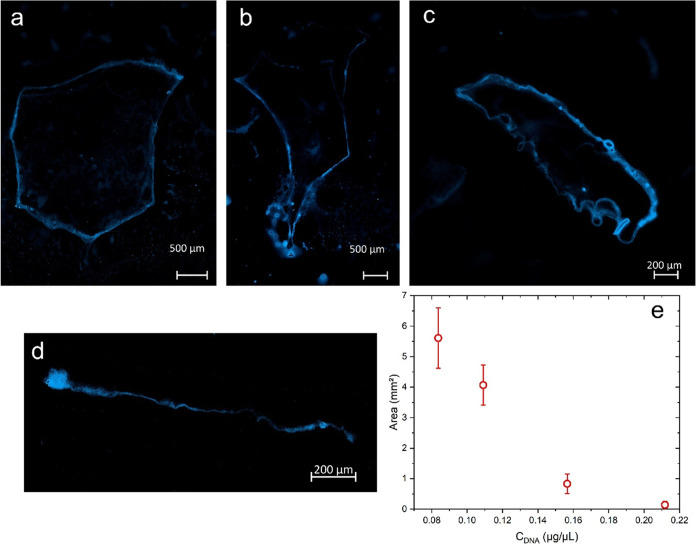 Figure 8
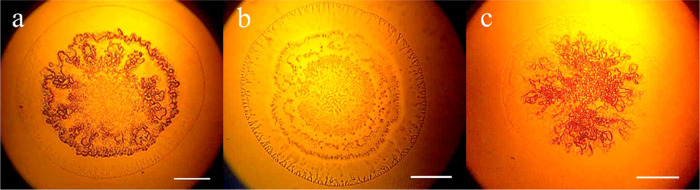 Figure 9
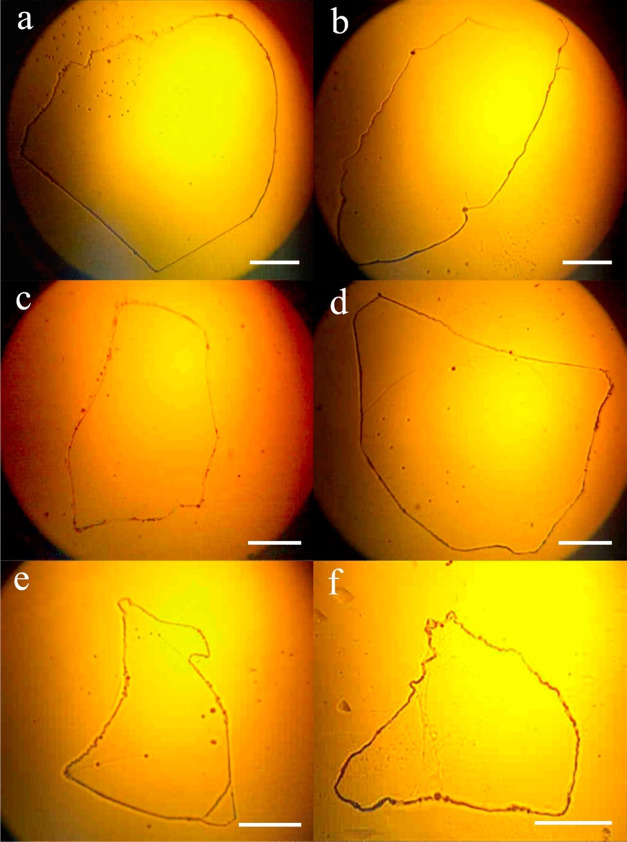 Figure 10
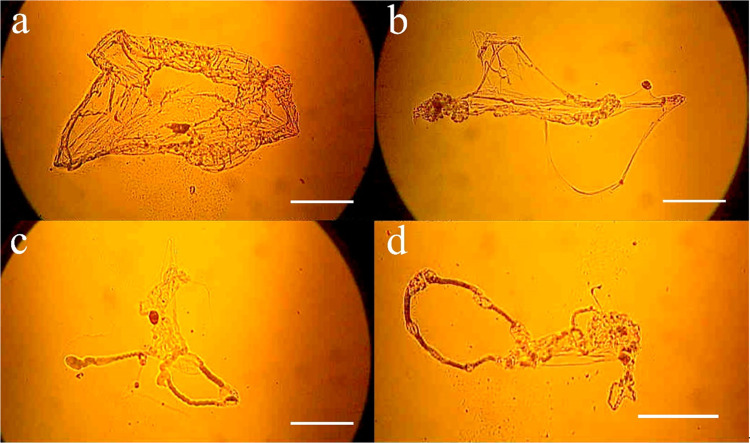 Figure 11
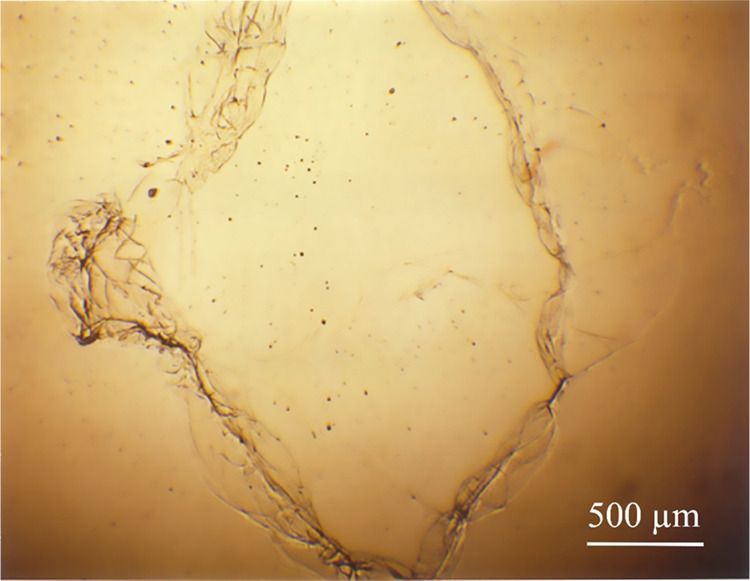 Figure 12
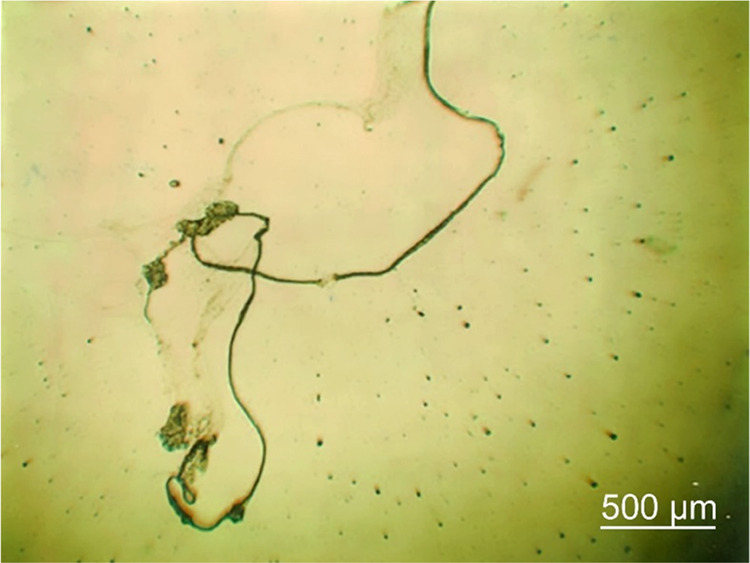 Figure 13
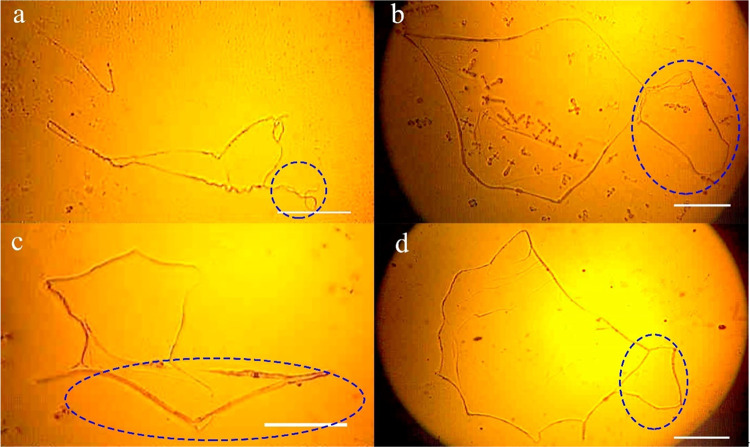 Figure 14
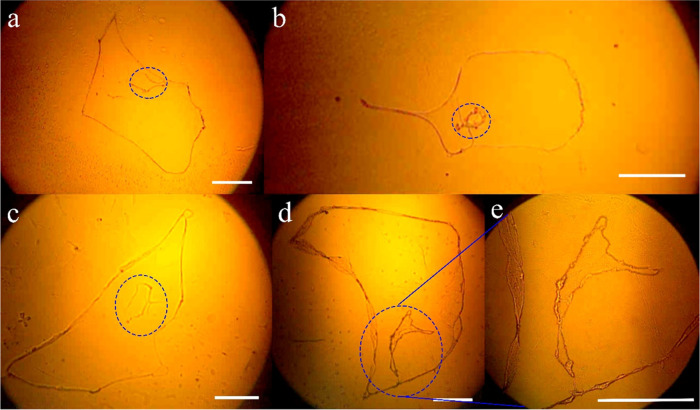 Figure 15
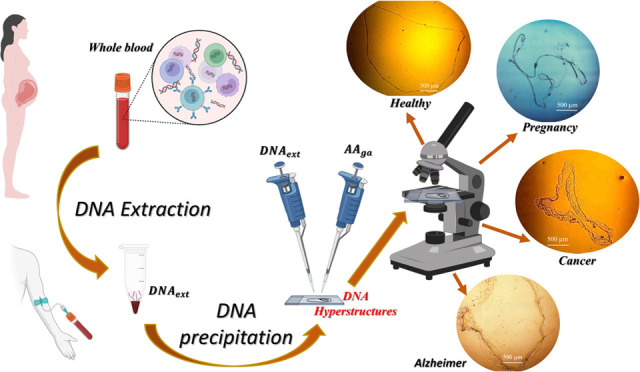 Figure 16
 Figure 17
 Figure 18
 Figure 19
 Figure 20
Peer Reviews
No public reviews on file for this paper yet. If you reviewed it on a platform where reviews are public (OpenReview, ICLR, NeurIPS, ICML), you can paste yours below so the community can read it here.
Videos
No videos yet. Explain this paper in a talk, walkthrough, or lecture? Add one.
Taxonomy
TopicsAdvanced biosensing and bioanalysis techniques · Bacteriophages and microbial interactions · DNA and Nucleic Acid Chemistry