Genomic Expedition: Deciphering Human Adenovirus Strains from the 2023 Outbreak in West Bengal, India: Insights into Viral Evolution and Molecular Epidemiology
Ananya Chatterjee, Uttaran Bhattacharjee, Rudrak Gupta, Ashis Debnath, Agniva Majumdar, Ritubrita Saha, Mamta Chawla-Sarkar, Alok Kumar Chakrabarti, Shanta Dutta

TL;DR
This study analyzes the genome of Human Adenovirus strains from an outbreak in West Bengal to understand their evolution and potential for severe illness.
Contribution
The study identifies a new recombinant strain of HAd-B1 and highlights its immune evasion and disease severity potential.
Findings
A recombinant strain merging HAd-B1 types 3 and 7 was identified as prevalent in the outbreak.
Genetic differences in VA-RNAs and the E3 region suggest enhanced immune evasion and prolonged host survival.
Whole-genome sequencing is emphasized as critical for understanding outbreak potential and illness severity.
Abstract
Understanding the genetic dynamics of circulating Human Adenovirus (HAdV) types is pivotal for effectively managing outbreaks and devising targeted interventions. During the West Bengal outbreak of 2022–2023, an investigation into the genetic characteristics and outbreak potential of circulating HAdV types was conducted. Twenty-four randomly selected samples underwent whole-genome sequencing. Analysis revealed a prevalent recombinant strain, merging type 3 and type 7 of human mastadenovirus B1 (HAd-B1) species, indicating the emergence of recent strains of species B in India. Furthermore, distinctions in VA-RNAs and the E3 region suggested that current circulating strains of human mastadenovirus B1 (HAd-B1) possess the capacity to evade host immunity, endure longer within hosts, and cause severe respiratory infections. This study underscores the significance of evaluating the complete…
Genes, proteins, chemicals, diseases, species, mutations and cell lines named across the full text — each resolved to its canonical identifier and authoritative record.
Click any figure to enlarge with its caption.
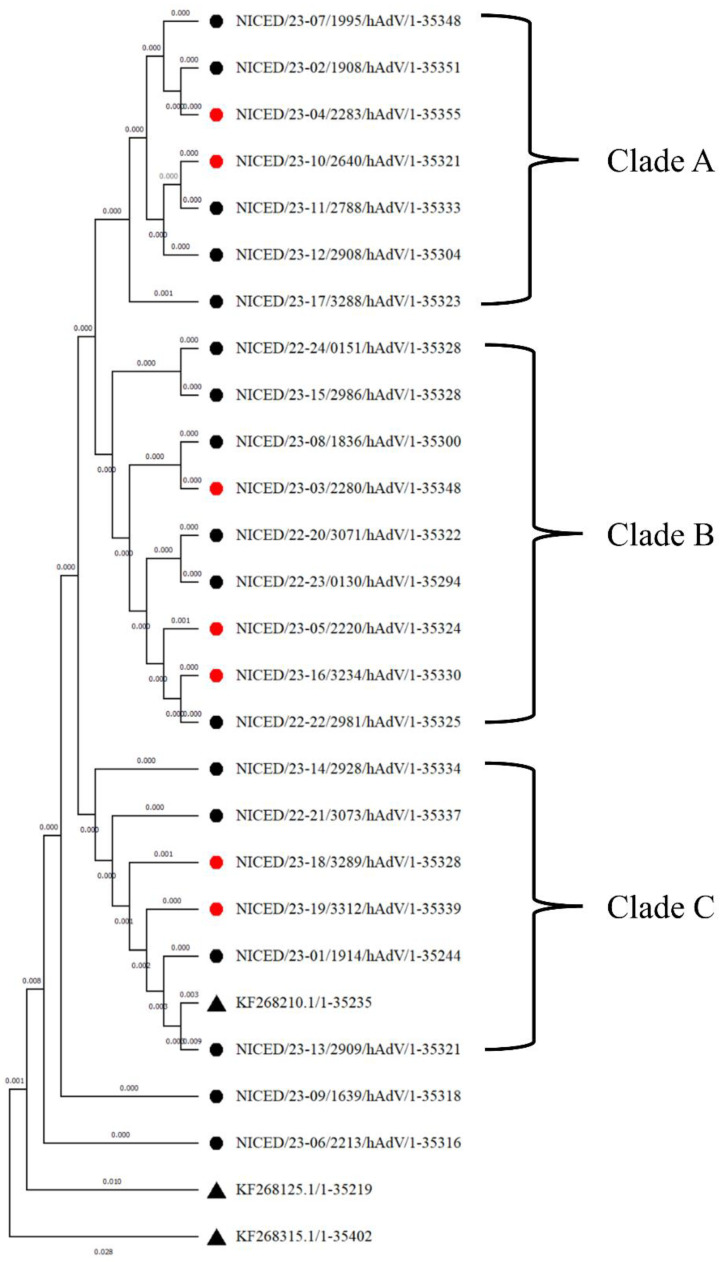 Figure 1
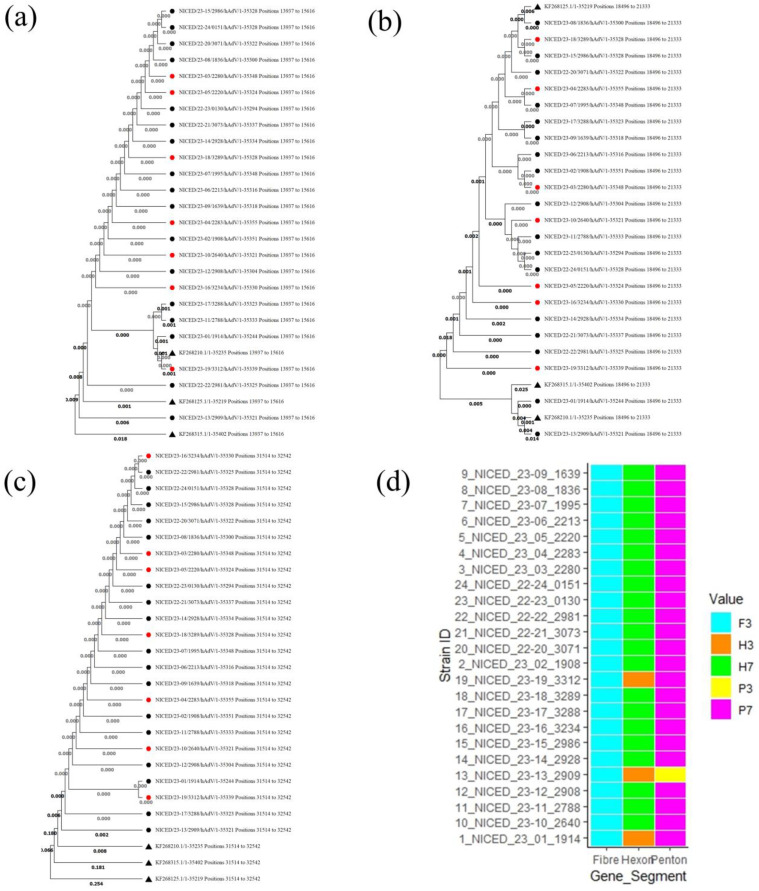 Figure 2
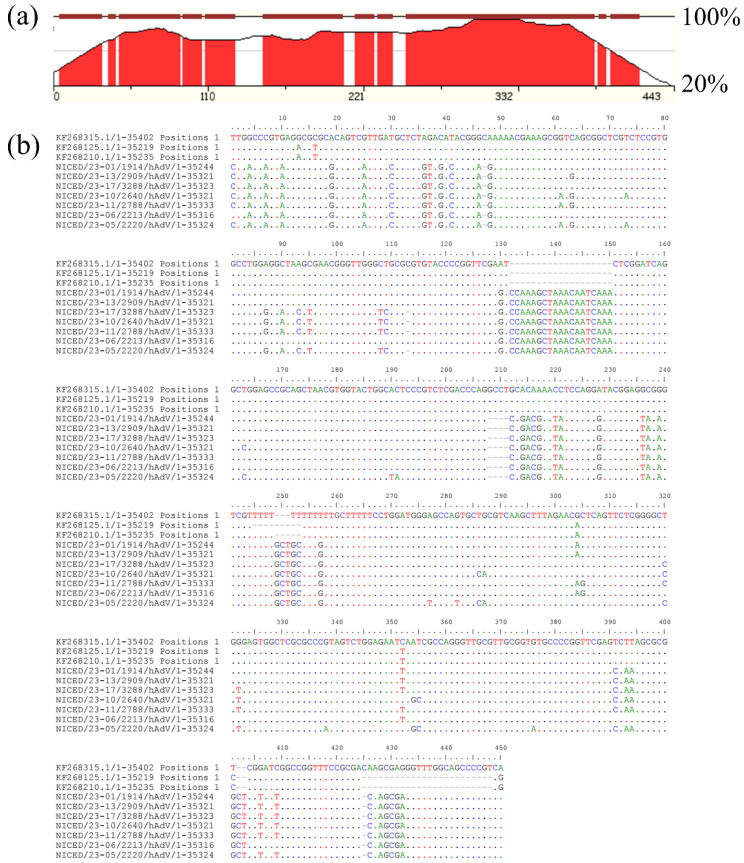 Figure 3
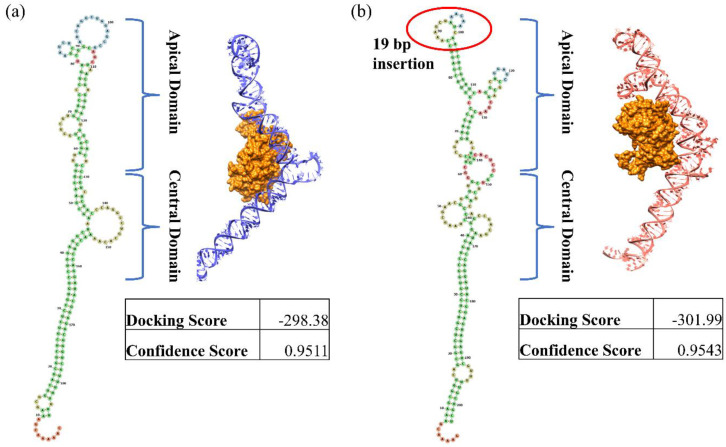 Figure 4
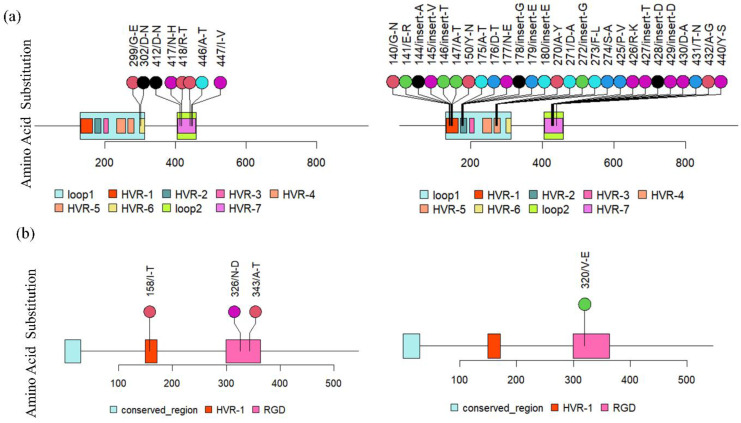 Figure 5
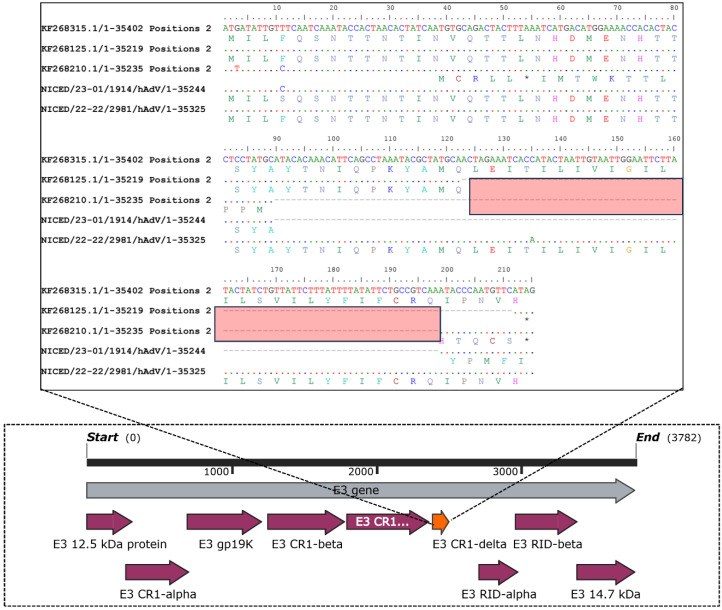 Figure 6
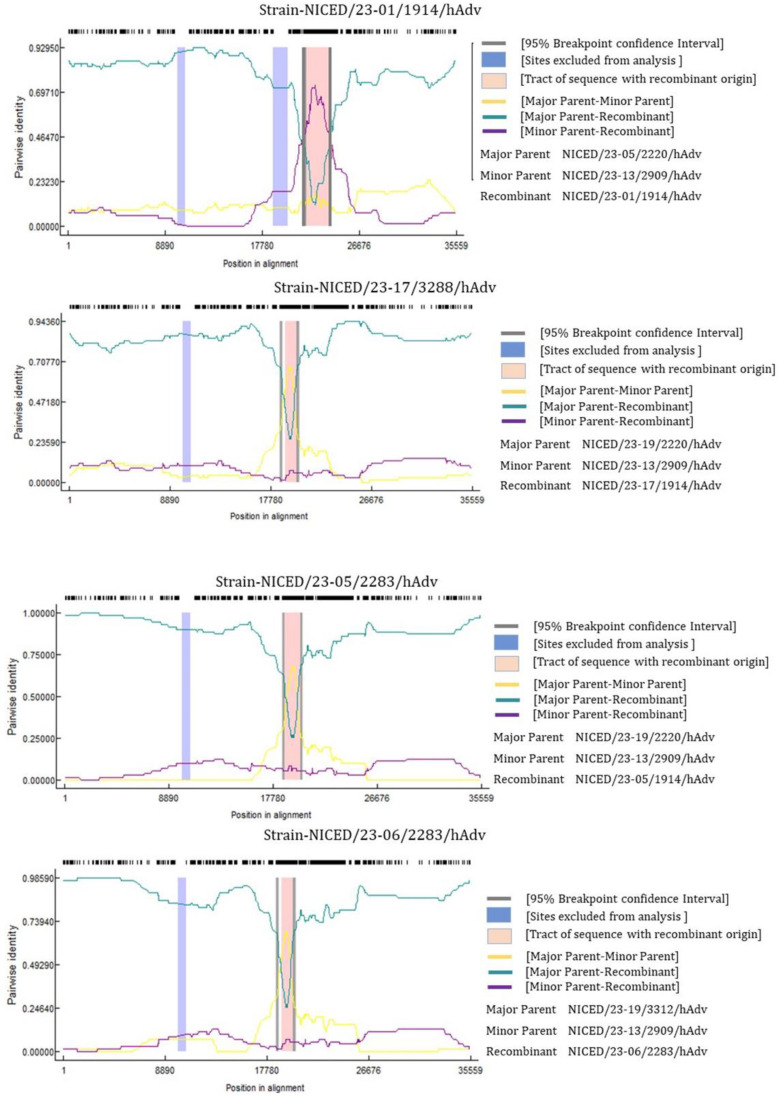 Figure 7
Peer Reviews
No public reviews on file for this paper yet. If you reviewed it on a platform where reviews are public (OpenReview, ICLR, NeurIPS, ICML), you can paste yours below so the community can read it here.
Videos
No videos yet. Explain this paper in a talk, walkthrough, or lecture? Add one.
Taxonomy
TopicsVirus-based gene therapy research · Respiratory viral infections research · Viral Infections and Immunology Research