Imaging and controlling vortex dynamics in mesoscopic superconductor-normal-metal-superconductor arrays
Tyler Naibert, Hryhoriy Polshyn, Rita Garrido-Menacho, Malcolm Durkin,, Brian Wolin, Victor Chua, Ian Mondragon-Shem, Taylor Hughes, Nadya Mason,, Raffi Budakian

TL;DR
This paper introduces a scanning probe technique to image and control vortex dynamics in mesoscopic superconductor-normal-metal-superconductor arrays, revealing tunable interactions and spatial patterns crucial for fundamental understanding and technological applications.
Contribution
The study presents a novel method for local vortex imaging and control, enabling detailed analysis of vortex interactions and energy scales in superconducting systems.
Findings
Imaging of vortex spatial patterns in superconductor arrays.
Extraction of vortex interaction energy scales.
Demonstration of tunable vortex interactions with applied bias.
Abstract
Harnessing the properties of vortices in superconductors is crucial for fundamental science and technological applications; thus, it has been an ongoing goal to locally probe and control vortices. Here, we use a scanning probe technique that enables studies of vortex dynamics in superconducting systems by leveraging the resonant behavior of a raster-scanned, magnetic-tipped cantilever. This experimental setup allows us to image and control vortices, as well as extract key energy scales of the vortex interactions. Applying this technique to lattices of superconductor island arrays on a metal, we obtain a variety of striking spatial patterns that encode information about the energy landscape for vortices in the system. We interpret these patterns in terms of local vortex dynamics and extract the relative strengths of the characteristic energy scales in the system, such as the…
Click any figure to enlarge with its caption.
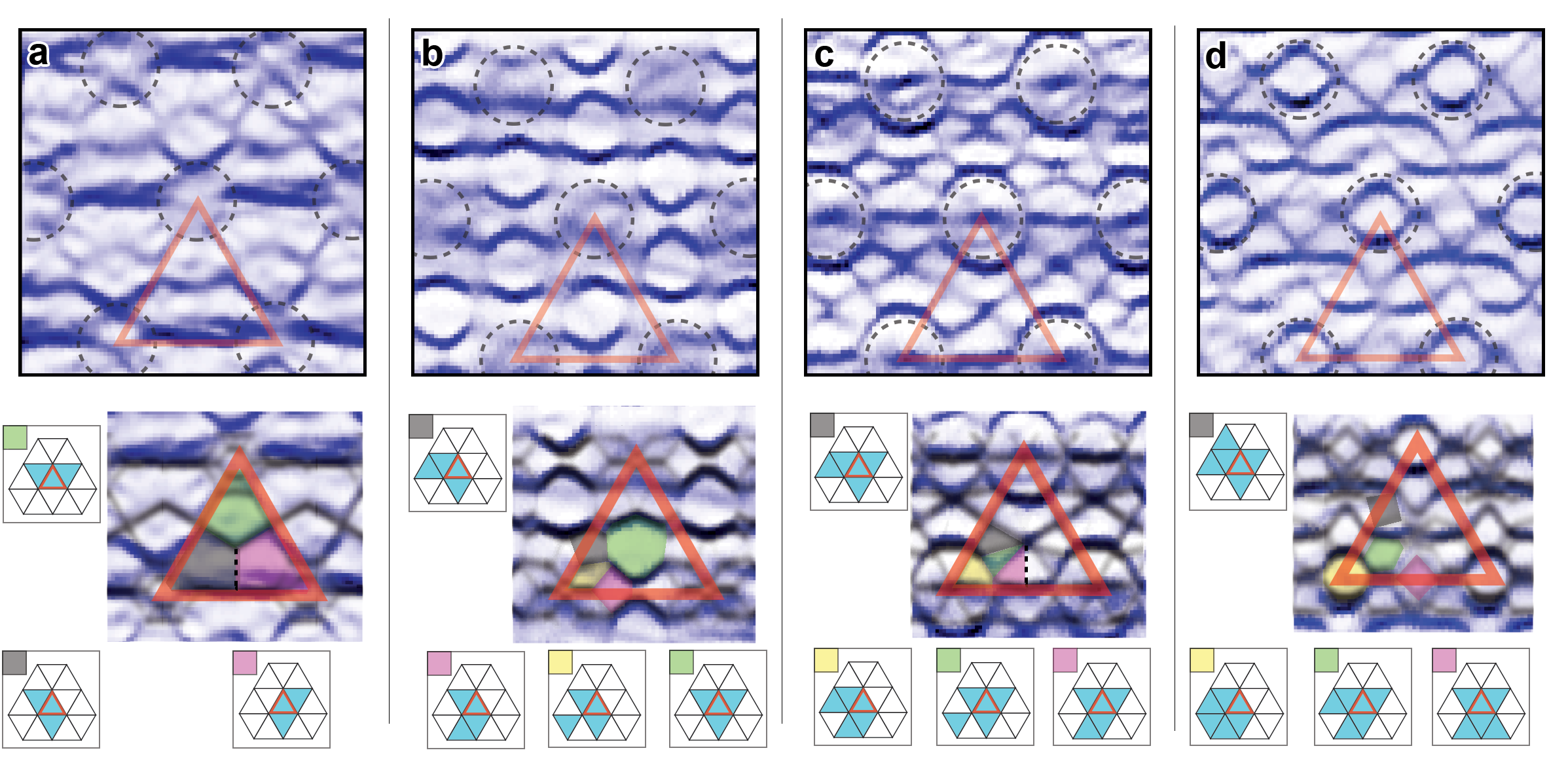 Figure 2
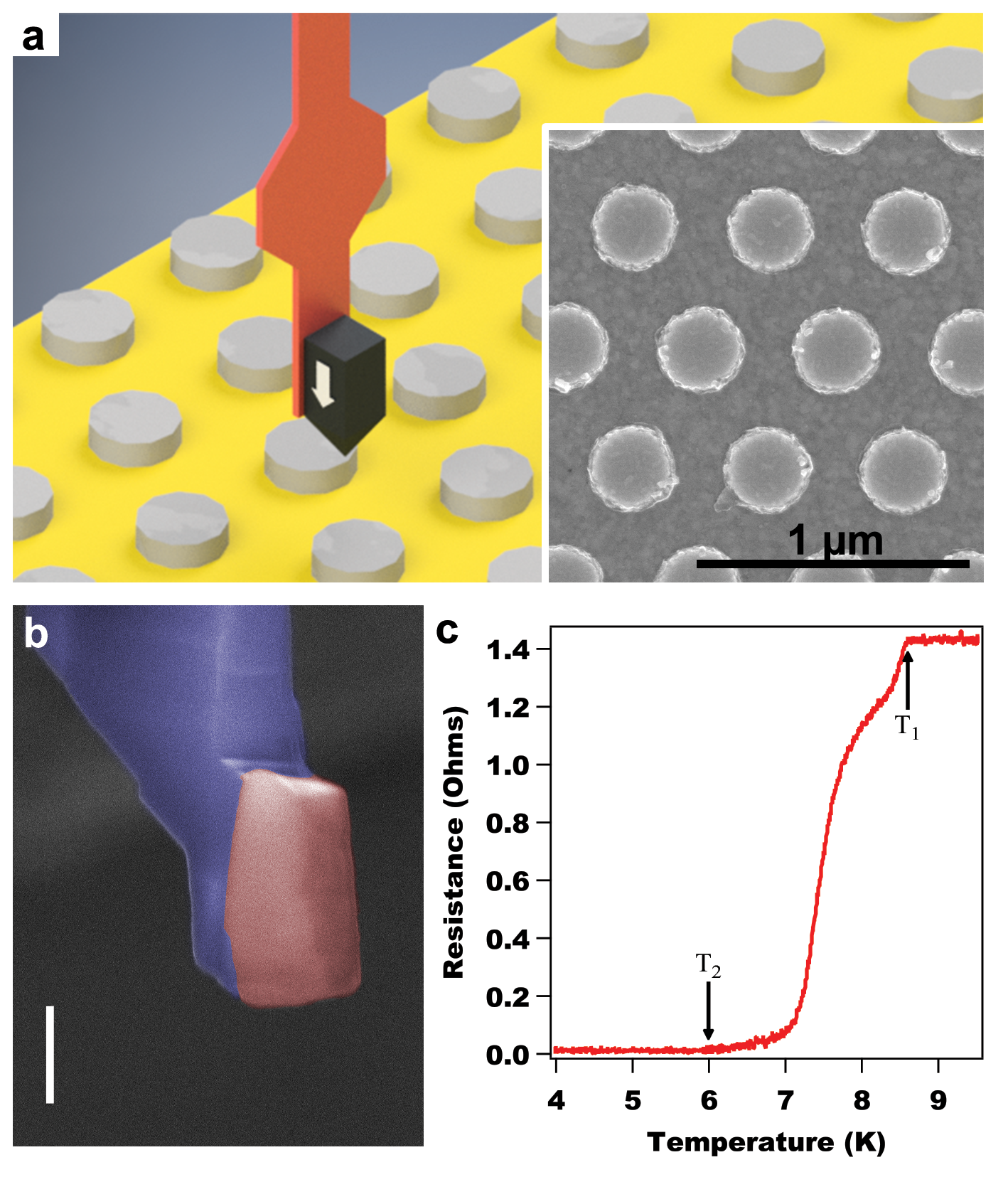 Figure 1
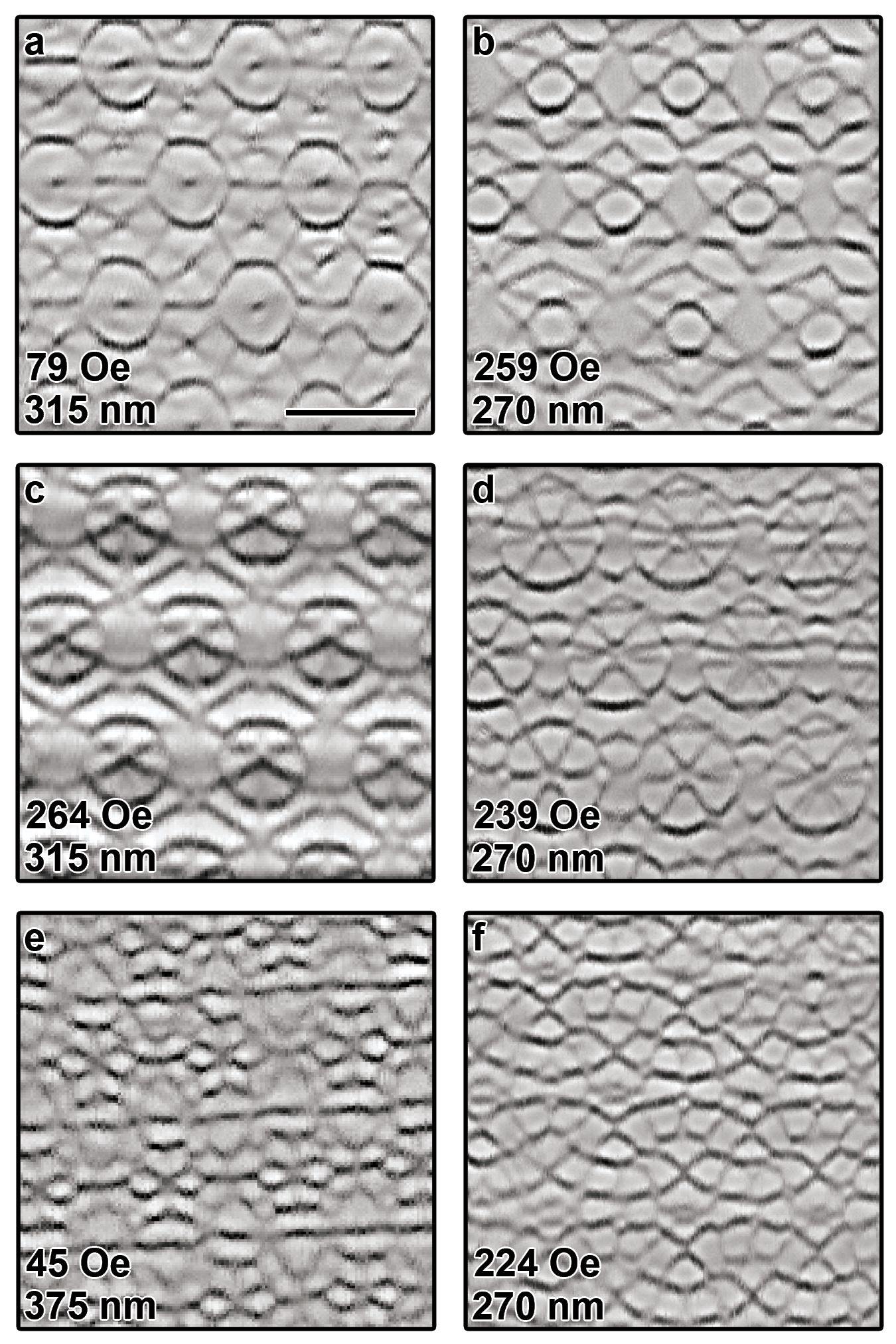 Figure 3
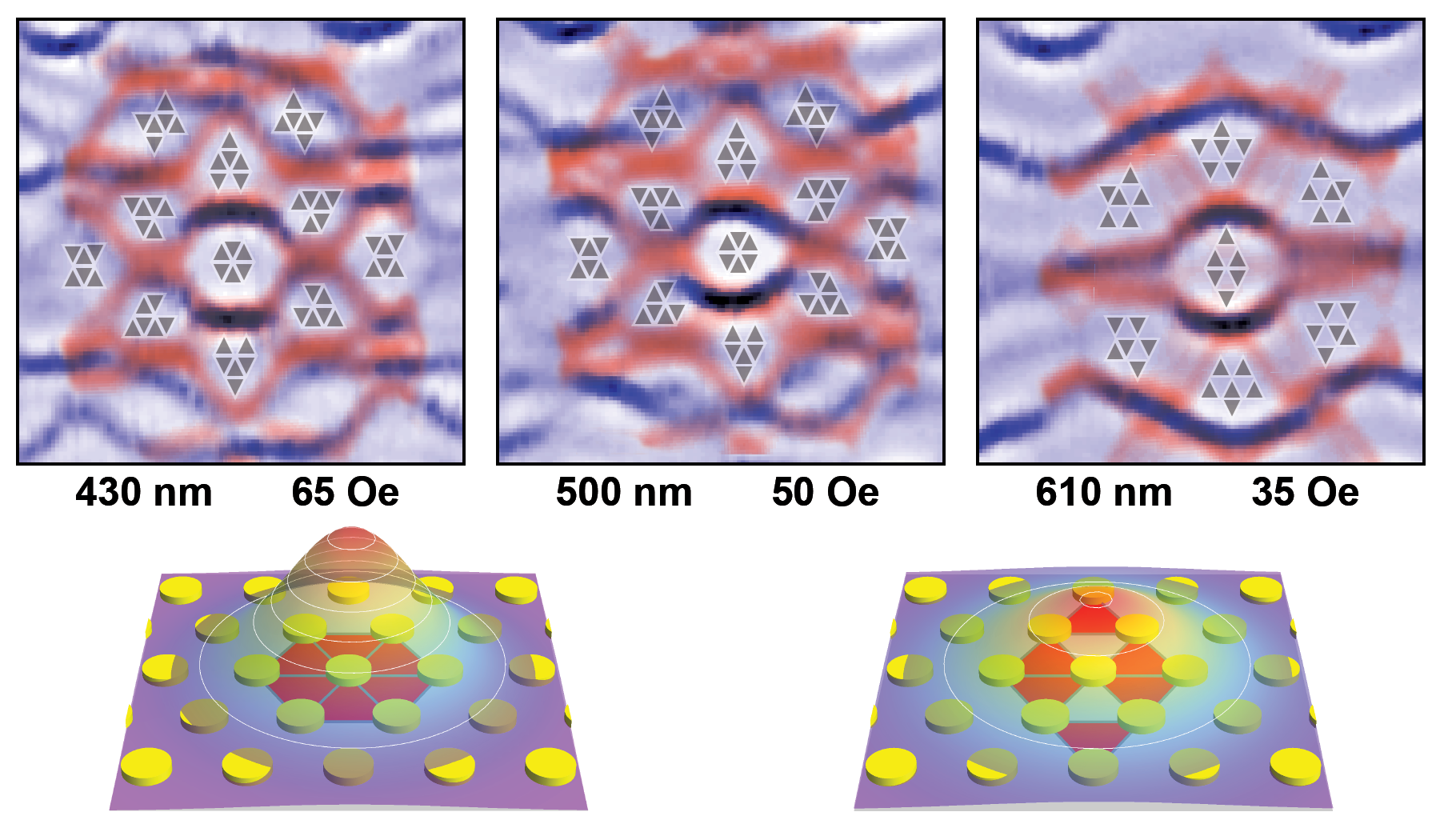 Figure 4
Peer Reviews
No public reviews on file for this paper yet. If you reviewed it on a platform where reviews are public (OpenReview, ICLR, NeurIPS, ICML), you can paste yours below so the community can read it here.
Videos
No videos yet. Explain this paper in a talk, walkthrough, or lecture? Add one.