By-Products of Fruit and Vegetables: Antioxidant Properties of Extractable and Non-Extractable Phenolic Compounds
Yu Zeng, Wenyi Zhou, Jiahao Yu, Lei Zhao, Kai Wang, Zhuoyan Hu, Xuwei Liu

TL;DR
This review explores the antioxidant properties of extractable and non-extractable phenolic compounds found in fruit and vegetable waste, highlighting their potential for sustainable and health-focused applications.
Contribution
The paper provides a comprehensive overview of the structure-activity relationships of NEPs and EPs in F&Veg waste, emphasizing their potential as natural antioxidants.
Findings
NEPs and EPs from F&Veg waste show significant antioxidant, anti-inflammatory, and anti-cancer properties.
The structure of these compounds strongly influences their antioxidant activity.
F&Veg waste is a rich and underutilized source of valuable phenolic compounds.
Abstract
Non-extractable phenolic compounds (NEPs), or bound phenolic compounds, represent a crucial component of polyphenols. They are an essential fraction that remains in the residual matrix after the extraction of extractable phenolic compounds (EPs), making them a valuable resource for numerous applications. These compounds encompass a diverse range of phenolic compounds, ranging from low molecular weight phenolic to high polymeric polyphenols attached to other macro molecules, e.g., cell walls and proteins. Their status as natural, green antioxidants have been well established, with numerous studies showcasing their anti-inflammatory, anti-aging, anti-cancer, and hypoglycemic activities. These properties make them a highly desirable alternative to synthetic antioxidants. Fruit and vegetable (F&Veg) wastes, e.g., peels, pomace, and seeds, generated during the harvest, transport, and…
Genes, proteins, chemicals, diseases, species, mutations and cell lines named across the full text — each resolved to its canonical identifier and authoritative record.
Click any figure to enlarge with its caption.
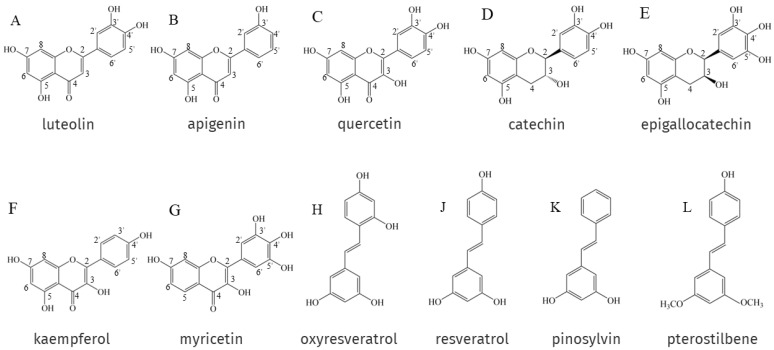 Figure 1
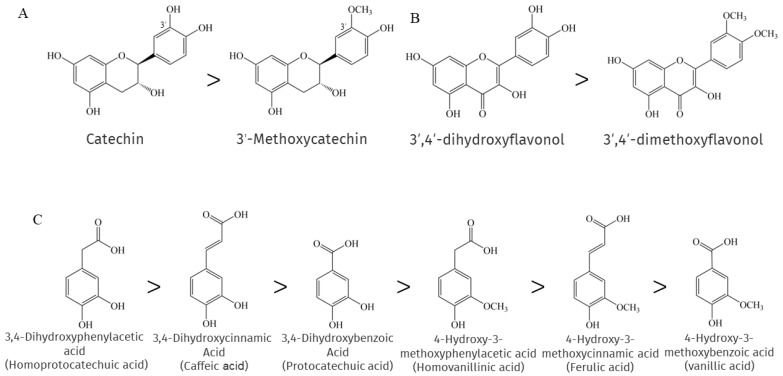 Figure 2
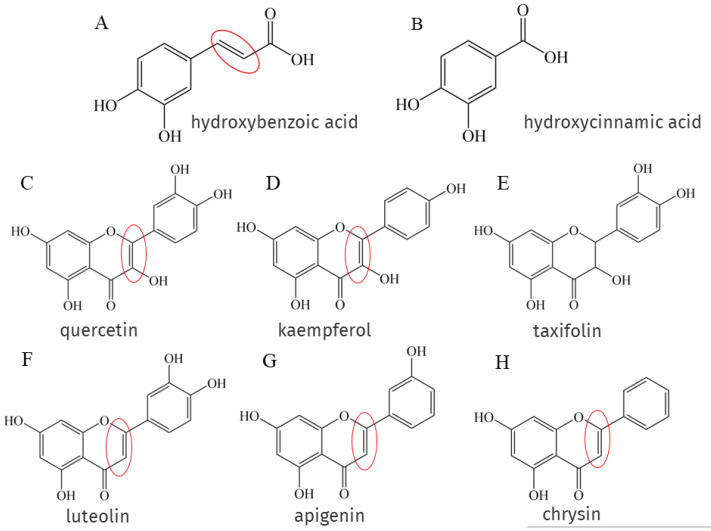 Figure 3
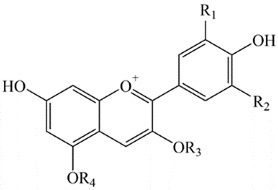 Figure 4
- —National Natural Science Foundation of China
- —Science and Technology Plan-ning Project of Guangzhou City of China
- —Guangzhou Wanglaoji Litchi Industry Research Project
Peer Reviews
No public reviews on file for this paper yet. If you reviewed it on a platform where reviews are public (OpenReview, ICLR, NeurIPS, ICML), you can paste yours below so the community can read it here.
Videos
No videos yet. Explain this paper in a talk, walkthrough, or lecture? Add one.
Taxonomy
TopicsPhytochemicals and Antioxidant Activities · Seed and Plant Biochemistry · Free Radicals and Antioxidants
1. Introduction
In the last decades, there has been a growing interest in polyphenols, mainly because of their potential impact on human health, such as their powerful antioxidant, anti-inflammatory, anti-diabetic, anti-microbial, and other biological activities [1,2,3,4,5]. An important advantage of phenolic compounds over other antioxidants is that they are naturally synthesized by plants and are widely found in a variety of plant foods, e.g., F&Vegs [6]. In contrast, F&Vegs are an essential part of an individual’s daily diet and are consumed in large quantities on a daily basis, making phenolic compounds one of the most abundant antioxidants in the human diet, with a total daily intake that might be as high as 1 g. Phenolic compounds are also known to be more important natural antioxidants than L-ascorbic acid and carotenoids in terms of antioxidant capacity [5,7,8,9]. Phenolic compounds play an important role in the prevention of several chronic diseases related to oxidative stress, e.g., cancer, cardiovascular diseases, and neurodegenerative diseases [10,11]. Since most widely used synthetic antioxidants, such as butylated hydroxyanisole (BHA) and butylated hydroxytoluene (BHT), are suspected to degrade during industrial production to produce harmful or even carcinogenic substances that threaten human health and safety [12]. Therefore, the application of natural antioxidants similar to polyphenols might be a suitable alternative to replace synthetic antioxidants, not only because of their safety but also considering the protection of the added substance from the harmful effects of natural oxidation [13].
Plant polyphenols are a family of antioxidants composed of different subclasses (phenolic acids, flavonoids, stilbene, lignans, etc.) [14,15]. However, the total phenolic content determined by chemical methods is often lower than its true value because the polyphenols found and determined in the extract correspond to only a small fraction of all phenolic substances, i.e., extractable phenolic compounds (EPs). The residue typically left after EP extraction contains neglected polyphenols, the so-called non-extractable phenolics (NEPs). It contains two main groups: (1) large polymeric polyphenols and (2) individual polyphenols linked to macromolecules, e.g., proteins and polysaccharides via hydrophobic interactions as well as hydrogen and/or covalent bonds. Although only a minority of the available literature on F&Veg polyphenols addresses NEPs, the available data indicate that in many F&Vegs, the content of NEPs even exceeds that of EPs [16,17]. NEPs accounted for more than 50% of the total polyphenol content in nearly half of the ten common fruit peels tested, and high-performance liquid chromatography (HPLC) analysis showed that NEPs consisted mainly of phenolic acids, flavanols, and flavonols [18].
F&Vegs are an important part of the human diet and have always been a rich source of polyphenols. The rapid growth of the world’s population, the rapid expansion of cities, changes in eating habits, and many other factors have contributed to this important food group becoming one of the most consumed commodities in the world [14,19,20]. Meanwhile, the loss and waste of F&Vegs are staggering. Global horticultural products are wasted up to 500 million tons per year, accounting for approximately 60% of world food waste [14]. Because fresh F&Vegs are a highly hydrated, perishable, and fragile product, each step of the supply chain, from harvesting, grading, processing, and transportation to disposal in the home kitchen, generates significant amounts of F&Veg wastes, representing 25–30% of the original mass of the product. The most common wastes include pomace, peel, roots, and seeds. With their high moisture content and organic load, these wastes could cause significant environmental contamination [21,22,23]. In the past, F&Veg wastes have been discarded as food waste due to the lack of appropriate processing technologies that are essential for their effective value addition. However, the fact that F&Veg wastes are a plentiful and affordable source of phenolic compounds has been demonstrated [24]. Among them, phenolic acids (e.g., hydroxybenzoic acid and hydroxycinnamic acid) and flavonoids (e.g., oligomeric tannins) are the two major phenolic components in F&Veg wastes [25]. For example, citrus peel is rich in phenolic acids such as caffeic acid, p-coumaric acid, ferulic acid and, sinapic acid, and flavonoids such as naringin and hesperidin [26]. The phenolic compounds in litchi pericarps mainly include catechins, epicatechins, and procyanidins [27]. EPs and NEPs have been subjected to several studies in recent years to reveal their content in F&Veg wastes from materials such as fruit peels and pomace, seeds, and leaves [28,29,30,31]. They extracted and prepared from F&Veg wastes could be reused in the food, cosmetic and pharmaceutical industries, such as the preparation of natural food additives, health food ingredients or active pharmaceutical ingredients, and other applications [13,32,33].
There are many excellent reviews surrounding the antioxidant properties of polyphenols. Gloria Domínguez-Rodríguez [34] summarizes the current knowledge of NEPs and the different extraction methods, providing an update on the purification, isolation, identification, and quantification of plant NEPs; while Jara Pérez-Jiménez et al. [35] provide an overview of the nature of dietary NEPs, their occurrence in the diet, metabolic outcomes and possible effects on human health. Ding et al. [36] summarize the extraction procedures and techniques used to recover NEPs from plant-based by-products, describe the main techniques used to characterize NEPs, and outline their potential food, pharmaceutical, nutraceutical, and cosmetic applications. However, no work has been yet able to systematically summarize information on EPs and NEPs from F&Veg wastes. Our innovation is to divide the complex family of polyphenols into EPs and NEPs according to their extraction properties and to focus on the less commonly studied NEPs. This review will be focused on (1) systematically describing the polyphenols in F&Veg wastes and subdividing them into EPs and NEPs and summarizing them separately; (2) reviewing the antioxidant activity of EPs and NEPs; and (3) elucidating the "structure–activity" relationship between polyphenols and antioxidant activity, using different molecules as entry points. Addressing the above issues not only helps to reduce waste and environmental pollution but also provides ideas and directions for exploring other aspects of F&Veg waste reuse from a commercial perspective.
2. Phenolic Compounds from F&Veg Wastes
2.1. Major Phenolic Compounds in F&Veg Wastes
Phenolic compounds can be divided into flavonoids and non-flavonoids, the former including flavonoids, flavonols, flavanones, anthocyanins, flavan-3-ols, etc., and the latter mainly phenolic acids, streptavidin, and diarylheptanoids [37]. According to the phenolic compounds of different F&Veg wastes, Table 1 lists the content and loss of some major phenolic compounds of F&Veg wastes.
Characteristic phenolic compounds are found in different wastes; the green hull of pecan is mainly hickory quinone and coumaric acid [38]. The main flavonoids found in citrus wastes are hesperidin and neritaloside [39]. Sixteen compounds are found in tomato by-products, the concentration of flavonoids was higher than phenolic acids, and the most abundant phenolic acid was caffeic acid [40]. Chlorogenic acid was abundant in vegetable wastes, the main phenolic compounds in broccoli waste were neochlorogenic acid and chlorogenic acid, and chlorogenic acid and quercetin-3-O-rutinoside were predominant in mung bean wastes [41]. Potato peels contain chlorogenic acid, caffeic acid, and ferulic acid [42]. The major phenolics may differ in the by-products, depending on their color. The main ones in the green skin of figs (Ficus carica Linn.) were rutin and 5-caffeoylquinic acid, and in the dark purple fig skins were cyanidin-3-O-rutinoside [43]. In eggplant peel, 5-O-caffeoylquinic acid was proven to be the most abundant polyphenol [44]. The color-rich epidermis of F&Veg wastes also tended to contain more anthocyanins [34]. In addition, the differences in the phenolic compounds contained in the different parts of the waste are noteworthy. The residue of the apples presents procyanidins, which are the main NEPs [45]. The seeds are not seen but contain more phenolic acids [46]. If the target extraction is procyanidins, fruit pomace, and peel would be a better source. Unfortunately, in most studies, the mixed phenolic compounds are analyzed in many wastes. If these components could be studied separately, they might be able to be used in a more targeted way.
The phenolic compounds of extractable and non-extractable fractions in F&Veg wastes differ, with some compounds found only in one fraction. To fully characterize the total phenolic compounds in F&Veg wastes, the extractable and non-extractable fractions need to be analyzed separately [34]. Proanthocyanidins (PAs) are the collective name for oligomers and polymers composed of flavan-3-ol monomers, also known as condensed tannins, which are the second most abundant natural phenolic compounds after lignans [47]. In plants, NEPs exist as PA and their flavan-3-ols or hydrolyzed tannins (HTs) from gallic and ellagic acids [48]. Briefly, NEPs are mainly high molecular weight phenolic compounds such as non-extractable proanthocyanidins (NEPAs) and hydrolyzable phenolic compounds (HPPs) bound to macromolecules [18]. As seen in Table 1, flavonoid compounds are present in both EPs and NEPs, as are phenolic acids, which are not all EPs. For example, citrus peels contain high concentrations of bound phenolic acids, which bind to the cell wall of the fruit through ester and glycosidic linkages. Among these, ferulic acid is the main bound phenolic acid, and p-coumaric acid is the main free phenolic acid [26]. Citrus wastes had significantly higher levels of non-extractable gallic acid and catechins compared to those detected in EPs [33]. The situation is also the same with hugger and red kale wastes, where the NEPs fraction is dominated by ferulic and erucic acids, which may be linked to the plant matrix through ester bonds that are cleaved during alkaline hydrolysis [34]. As a high molecular weight phenolic compound, PAs are not only present only in NEPs but also some oligomeric PAs are extracted by solvent to be present in EPs. The mean average degree of polymerization (mDP) of PAs in the EPs fraction of apple pomace is 4.7, and the average DP of PAs in NEPs is eight [45]. Overall, due to the wide structural diversity of the phenolic compound family, the identity of most of the phenolic compounds detected in F&Veg wastes is still uncertain. New structures are still being identified, and more research is needed for this unidentified fraction of phenolic compounds [49]. antioxidants-12-00418-t001_Table 1Table 1Total, extractable, and non-extractable phenolic compounds contents in the waste of different fruit and vegetables.CommodityWaste PartPhenolic CompoundsExtractable Phenolic Compounds ContentNon-Extractable Phenolic Compounds ContentTotal Phenolic Compounds ContentLoss Amount/YearReferencesFruit by-productsAppleDregEPs: (+)-catechin, (–)-epicatechin, quercetin and chlorogenic acid; NEPs: anthocyanidins25,420 ± 2240, 53,670 ± 2390, 46,470 ± 530, 336,420 ± 14,590 mg/kg DW184 ± 2.4–234.8 ± 1.5 mg/kg DW539,840 ± 8900mg GAE/kg DWNearly 30%[50]ApplePomaceFlavan-3-ols, flavonols, dihydrochalcones, hydroxycinnamic acids, procyanidinsFlavan-3-ols: 2880 mg/kg DW, DP 4.7; Flavonols: 1920 mg/kg DW; Dihydrochalcones:140 mg/kg DW; Hydroxycinnamic acids: 30 mg/kg DWProcyanidins: 912,000 mg/kg DW, DP 8, and residual amounts of hydroxycinnamic acids (3%), flavonols (2%) and dihydrochalcones (1%)Hot water: 28,00060%AC: 78,000Mix 42,000Unit: mg/kg DWIbid.[45]AppleSeedPhloridzin, ellagic acid, epicatechin, caffeic acid, catechin, ferulic acid, gallic acid2861–5141 mg GAE/kg DWNdNdIbid.[46]AvocadoWaste water, seeds, peels and pomaceEpicatechin and trans-5-O-caffeoyl-D-quinic acid, procyanidin B1, catechinNdNd137, 81, 36, 16g GAE/kg DW respectively.18–23%[51]AvocadoPeelHydroxybenzoic, hydroxycinnamic acids derivatives, flavonoids, catechin, epicatechin, procyanidin, trans-5-O-caffeoyl-D-quinic acidPP: 63,510 ± 300 mg GAE/kg; Procyanidin B2: 283,000 ± 48,400 mg/kg DW; Epicatechin: 30,400–40,200 mg/kg DWNdNdIbid.[51]BananaFlower,pseudo-stemHydroxybenzoic acids,hydroxybenzaldehydes,hydroxycinnamic acids, flavonolsFlower:10,750.2 ± 206 mg/kg DWHPP flower: 7352.3 ± 1039.1 mg/kg DW; Pseudo-stem: 1507.5 ± 535.4 mg/kg DW; NEPA flower: 112,000 ± 33,576.1 mg/kg DWNdNd[49]BananaInner and outer bractsCatechin hydrate,chlorogenic, clove,p-coumaric, ferulic,salicylic, quercetindihydrate and quinic acidBound phenolics: ferulic acid and salicylic acidCatechin hydrate (out): 2510 ± 10; Chlorogenic (out), Vanillic (in), Syringic acid (in): 6550 ±320, 1190 ± 60 and 1400 ± 20, respectively; p-coumaric acid: 34,800 ± 170 (out), 6050 ± 100 (in); Ferulic acid: 1860 ± 50 (out), 2790 ± 90 (in); Salicylic acid: 9860 ± 470 (out), 6230 ± 210 (in); Quercetin dihydrate: 5180 ± 600 (out), 1810 ± 90 (in); Quinic acid: 3630 ± 50 (out), 9170 ± 110 (in); unit: mg GAE/kg DWFerulic acid: 265,260 ± 730 (out), 141,410 ± 550 (in); Salicylic acid: 95,750 ± 860 (out); 32,920 ± 140 (in); unit: mg GAE/kg DW7560 ± 110 (out); 9440 ± 50 (in); unit: mg GAE/kg DWAbout 300 kg per hectare[52]Berrystrawberry, raspberry, blueberry, blackberryDregEPs, EFs, EAs,EPAs, NEPAs,acid and alkaline hydrolyzable phenolic compoundsEPs: 22,310 ± 1140(str), 30,750 ± 1100(ras), 29,430 ± 2130(blu), 28,920 ± 2560(bla) mg GAE/kg;EFs: 3260 ± 200(str), 2910 ± 300(ras), 17,100 ± 1140(blu), 2910 ± 320 (bla) mg RE/kg;EAs: 159.8 ± 1.8(str), 101.4 ± 8.9(ras), 5091.3 ± 140.0(blu), 251.7 ± 9.2(bla) mg C3GE/kg;EPAs: 19,700 ± 780(str), 28,210 ± 1520(ras), 34,330 ± 2260 (blu), 20,660 ± 230 (bla) mg PA/kgNEPAs: 43,440 ± 2180 (str), 2810 ± 230 (ras), 56,370 ± 2020 (blu), 3730 ± 40 (bla) mg PA/kg;Acid hydroly: 1730 ± 100 (str), 1420 ± 110 (ras), 2030 ± 90 (blu), 3280 ± 320 (bla) mg GAE/kg;Alkaline-hydroly: 2010 ± 110 (str),1420 ±140 (ras), 1680 ± 120 (blu), 1730 ± 150 (bla) (mg GAE/kg)Nd20–30%[53,54]BuritiPeels, pulp, endocarpFree phenols,procyanidins9346 ± 340 mg GAE/kgNEPA: 40,853 ± 4740 mg/kgNd8500 tons[55]CitrusPomace10 phenolic acids (benzoic), 3 flavonoids (epicatechin), 4 flavanones (hesperidin)TPC: 21,690 ± 910 mg GAE/kg DW; TFC: 12,870 ± 1070 mg RE/kg DW; CT: 1230 ± 40 mg CE/kg DWTPC: 74,560 ± 730 mg GAE/kg DW; TFC: 21,560 ± 240 mg RE/kg DW; CT: 476 ± 120 mg CE/kg DWNd15×10^6^ tons[39]Cantaloupe MelonPeels, seedsPolyphenol, ortho-diphenol, flavonoid, tanninFor peel and seeds: 25,480 ± 1440 and 1500 ± 20 mg GAE/kg; 17,860 ± 1430 and 920 ± 40 mg CAE/ kg; 15,190 ± 1880 and 740± 30 mg CE/kg; 11,830 ± 1440 and 920 ± 30 mg GAE/kg, respectivelyNdNdPeel 25%Seed 7%[56,57]FigPeel28 major phenolic compounds: 3 phenolic acids, 3 flavan-3-ols, 8 flavonoids, 6 flavanols, 8 anthocyaninsRutin: 75,000–200,000 mg/kg DW; Centaureidin-3-O-rutinoside: 2610 mg/kg DW; 5-Caffeoylquinic acid: 131 mg/ kg DW; Total flavan-3-ol: 41 mg/kg DW; Total anthocyanins: nearly 2900 mg/kg DWNdNdNd[43]GrapePomacePhenolic acids, Flavonoids, anthocyanins, procyanidins, FlavanolsProcyanidins: 5782 ± 184 EPA mg/kg DW; Anthocyanins: 3600 ± 42 GE mg/kg DWHPP: 2229 ± 4 GAE mg/kg DW; NEPA: 54,700 ± 2700 mg/kg DW726 ± 24 mg GAE /kg DW13–20%[58,59]GrapeDreg23 flavonoids, 4 hydroxybenzoic acids,5 hydroxycinnamic acids, phenolic acidhexoxide dihydroxybenzoate is the mainEP: 19,870 ± 1710 mg GAE/kg; EFs: 6100 ± 330 mg RE/kg; EPAs: 9370 ± 620 mg RE/kgAcid HPPs: 740 ± 60 mg GAE/kg; Alkaline HPPs: 510 ± 40 mg GAE/kg; NEPAs: 1570 ± 70 mg PE/kgNdIbid.[60,61]HawthornPomace7 flavonoids (2 flavan-3-ols, 1 flavanone, and 4 flavanols), and 5 phenolic acids (2 hydroxybenzoic acids, and 3 hydroxycinnamic acids)NdAcid hydrolysis TPC: 786.64 ± 6.12 mg GAE /kg; TFC: 556.46 ± 5.73 mg CE/kg; Alkaline hydrolysis TPC: 698.13 ± 9.25 mg GAE /kg; TFC: 486.87 ± 2.76 mg CE /kg; Enzyme-assisted extractionTPC: 729.68 ± 5.53 mg GAE /kg; TFC: 524.09 ± 3.85 mg CE/kgNd30–40%[62]LitchiPericarpFlavonoids such as tea phenolic compounds, epicatechin, type A procyanidins and B, rutin, quercetin-3-glucoside and quercetinTPC: Hydrophilic and Hydrophobic part are 59,000 and 7000 mg GAE/kg DW, respectively; TFC: Hydrophilic and Hydrophobic part: 17,000 and 4000 mg CE/kg DW, respectivelyTPC: Hydrophilic and Hydrophobic part: 75,000–99,000 and 10,000–27,000, respectively; TFC: Hydrophilic and Hydrophobic part: 23,000–30,000 and 7000–15,000 mg CE/kg DW, respectivelyTotal tannin:1286.58 ± 13.87–1456.12 ± 15.73mg/kg DW15%[63,64]LemonPomaceBenzoic acid, gallic acid, quercetin rutinoside, naringin, naringenin, naringenin, naringenin,13,100 ± 1700 GAE mg/kg DWNdNdMaximum 60%[65,66]MandarinsDreg23 flavonoids, 4 hydroxybenzoic acids,5 hydroxycinnamic acids, phenolic acidhexoxide dihydroxybenzoate is the mainEPs: 8870 ± 740 mg GAE/kg;EFs: 4120 ± 190 mg RE/kg;EPAs: 5440 ± 520 mg RE/kgAcid HPPs: 1340 ±50 mg GAE/kg; Alkaline HPPs: 2740 ± 120 mg GAE/kg; NEPAs: 1570 ± 100 mg PE/kgNd50–70%[60,67]MangoPeelPhenolic compounds102,800 mg EAG/kgHPPs: 11,650 ± 310 mg EAG/kgNd25–60%[68]MangosteenPeelNEPs: 6 anthocyanins, 4 flavanols,7 xanthones, and 8 phenolic compounds EPs: 4 xanthonesDMAC: 24 ± 2; Butanol/HCl: 10,170 ± 570Unit: mg ECE/kg SampleDMAC: 2380 ± 210; Butanol/HCl: 376,380 ± 63,890Unit: mg ECE/kg SampleNdNearly 60%[29,69]OrangesDreg23 flavonoids, 4 hydroxybenzoic acids,5 hydroxycinnamic acids, phenolic acidhexoxide dihydroxybenzoate is the mainEPs: 7860 ± 360 mg GAE/kg;EFs: 3660 ± 150 mg RE/kg;EPAs: 4210 ± 410 mg RE/kgAcid HPPs: 730 ± 40 mg GAE/kg; Alkaline HPPs: 1810 ± 60 mg GAE/kg; NEPAs: 1430 ± 0.00 mg PE/kgNd35%[60]PassifloraPeel36 phenolic compoundsTPC:203.6 ± 0.9 mg GAE/g DW; TFC: 753 ± 7 mg CE/g DWTPC: Acid: 833,000 ± 5000 mg GAE/kg DW; Alkaline: 622,000 ± 2000 mg GAE/kg DW; TFC: Acid 513,000± 61,000 mg CE/kg DW; Alkaline:84,000 ± 15,000 mg CE/kg DW30,086mg/kg DW53%[70,71]Passion FruitSeedStilbene, phenolic acid, flavonoidPiceatannol and kaempferol: 4800–36,800, 3750 mg/kg DW; Coumarin and p-coumaric acid: 600 mg/kg DW and 96 mg/kg DWNdNdNd[72]Peach“Hujingmilu”(Hj),“Dahonghua”(Dh), “Fenghuayulu”(Fh),“Wulingyulu”(Wl)PeelChlorogenic acid, (+)-catechins, neochlorogenic acid, epicatechin, derivatives of centaureidin and quercetinCultivation (cv.) Hj, Dh, Fh and Wl): 791.4 ± 48.1, 1014.5 ± 9.5, 1248.8 ± 31.2 and 1671.0 ± 74.2 mg GAE / kg DW, respectivelycv. Hj, Dh, Fh and Wl: 572.2 ± 13.2, 563.4 ± 9.3, 529.3 ± 62.8 and 840.2 ± 84.6 GAE /kg DW, respectivelycv. Hj, Dh, Fh and Wl: 1363.7 ± 58.1, 1577.9 ± 7.1, 1778.2 ± 50.3 and 2511.3 ± 110.5 GAE/kg DW, respectivelyNd[73]PeanutSeed coatPhenolic acids, ellagic acid, (+) catechin, epicatechin, procyanidin oligomersNdNd150 mg CE/g DWNd[74]PequiPeelFlavonoids, ellagic acid, ethyl gallate and gallic acid62,520 mg/kg DW51,090 mg/kg DWNd80%[75,76]PlumSeedRutin, gallic acid, syringic acid, epicatechin, caffeic acid, coumaric acidCoumaric acid: 113.1–129.8 mg/kg DW; Gallic acid: 3.6–5.3 mg/kg DW; syringic acid: 4.5–13.1 mg/kg DW; caffeic acid: 2.9–6.3 mg/kg DW; rutin: 33.4–48.7 mg/kg DW; Epicatechin: 8.9–11.2 mg/kg DWNd1836 ± 46- 2689 ± 78 mg GAE/kg DW10%[77]PomegranatePeelTannins, phenolic acids, flavonoidsNEPs: β-Sitosterol-3-O-glycoside, β-sitosterol, ursolic acid, corosolic acid, asatic acid, arjunolic acid549,100 mg/kg DW30.01 ± 0.055 μmol GAE / g DWNd50% [30]Prickly pearPeelRed(r), yellow-orange(y-o), green(g)68 EPs, (ferulic and benzoic acid, kaempferol 3-O-glucoside); 15 HPPs (gallic acid 3-O-gallate, cinnamic acid, hesperidin)TPC: 9640 ± 500 (r), 8620 ± 250 (y-o), 12,280 ± 250 (g) GAE mg/kgTFC: 2450 ± 290 (r), 3080 ± 140 (y-o), 3070 ± 160 (g) CE mg/kgCTs: 710 ± 70(r), 1170 ± 80(y-o), 1080 ± 50(g) PAE mg/kgHPPs: 1180 ± 10(r), 1320 ± 10(y-o), 2010 ± 70(g) GAE mg/kg9640 ± 500(r); 8620 ± 250(y-o); 12,280 ± 250(g) GAE mg/kg30–50% [78,79]RoselleCalycesHydroxycinnamic acids, procyanidins, hydroxybenzoic acids, flavonols, anthocyanins, organic acids, ellagic acid, quercetin hexoside, ferulic acidTPC (GAE mg/kg) 6830 ± 180; Flavonoids (CE mg/kg) 5630 ± 460; Anthocyanins: 2470 ± 170 mg C3G/kgHPs: 6180 ± 80 GAE mg/kg; NEPAs: 6670 ± 30 PAE mg/ kgNdNearly 50%[80,81]StrawberryLeafEllagic acid, epicatechin, isorhamnetin, tyrosol, quercetin derivateTPC: 0.47 ± 0.04 mmol GAE/g DWTFC: 18,070 ± 1810 mg CE/kg DWNdNdNd[82]TomatoSeeds, pulp and skinsSimple phenolic compounds, phenolic acids, hydroxycinnamic acids, flavonoids, naringeninSP: 517.5 ± 70.5, P: 128.1 ± 7.6H: 120.8 ± 8.3; F: 378.7 ± 62.3N: 63.5 ± 4.6unit: mg/kg DWNd9452.8 ± 476.6 mg GAE /kg DW1–4%[83]Sweet cherryPomaceFlavonols, flavan-3-ols, anthocyanins, hydroxycinnamic acids, hydroxybenzoic acidsTPC: 380 ± 10 mg GAE/kg DWEPAs: DMAC: 0.2 ± 0.1 mg ECE/kg DWVanillin: 26 ± 8 mg ECE /kg DWButanol/HCl: 39 ± 2 mg ECE /kg DWNEPAs:DMAC: 1.5 ± 0.3 mg ECE/ kg DWVanillin: 820± 20 mg ECE/kg DWButanol/HCl: 430 ± 30 mg ECE /kg DW1870 ± 50 mg GAE/kg DW3500–7000 tons[84,85]UmbuPeelp-coumaric, quercetin, ellagic acid, procyanidin B2, syringic acid and protocatechuic acidRipe peel: 12,294.3 ± 1253.4Semi-ripe peel: 15,827 ± 2780.9unit: mg GAE/kg DWNEPA (mg/kg DW): R: 9018.9 ± 1409.1, S: 15,446 ± 2965.8Hydrolyzable tannins (mg TAE/kg DW)R: 13,484 ± 198.6, S: 10,797 ± 433.1NdNd [86]Vegetable by-productsBlack radishPeelEpicatechin, hydroxybenzoic acidgallic acid, ferulic acid, chlorogenicacid, sinapic acid, syringic acidE: 19,820 ± 3600; H: 2160 ± 140G: 7320 ± 1440; F: 28,020 ± 4500C: 3300 ± 140; Si: 11,150 ± 650Sy: 2020 ± 70, unit: mg /kg DWNd305,510 ± 515 mg GAE/kg DWNd[87]Bottle gourdRidge gourdPeelphenolic acids, phenolic acid glycosides, terpenoids, flavonoids, etc.91,000 mg GAE/kg DW23,000 mg GAE/kg DWNdNdNd[88]CarrotsPeelsHydroxybenzoic acid, gallic acid, chlorogenic acid, caffeic acid, ferulic acid, p-coumaric acid8300 ± 600 GAE mg/kg DWNdNd11%[65,89]CauliflowerPeels, leaves, and stemsPhenolic compoundsTPC: 2230–3450 mg GAE/kg DWTFC: 240–350 mg CE/kg DWNdNdNd[90]FennelBulbs, stems, flowers external leaf sheaths.Quercetin, chlorogenic acid, caffeic acid, ferulic acid, p-coumaric acid5570 ± 920 GAE mg/kg DWNdNdNd[65]GarlicPeels, leaves, and stemsPhenolic compoundsTPC: 4800–6470 mg GAE/kg DWTFC: 620–830 mg CE/kg DWNdNdNd[90]OnionPeels, leaves, and stemsPhenolic compoundsTPC: 12,870–16,120 mgGAE/kg DWTFC: 1720–2130 mg CE/kg DWNdNdNd[90]PeaPod5-caffeoylquinic acid,hesperidin, (–)-epicatechin598.7, 199.4, 294.6 mg/kg, respectivelyNdTPC: 625.2 ± 6.8 mg/kg DWTFC 214.2 ± 11.3 mg/ kg DW35–40%[91]Red cabbageBrussels sproutWastePhenolic acid derivatives, flavonoid glycosides, acylated flavonoid glycosides, glucosinolates and anthocyanins3700 ± 0.0 mg GAE/kg DWTop: 1500 ± 0.0 mg GAE/kg DWStalks: 2000 ± 0.0 mg GAE/kg DW11,500 mg GAE/kg DWTop: 4800 ± 1200 mg GAE/kg DWStalks: 3300 ± 200 mg GAE/kg DWNd30%[34]TomatoPeels, seeds, rotten, unripe piecesQuercetin rutinoside,Kaempferol rutinoside924 ± 7 GAE mg/kg DWNdNd6000 tons[40,65]NEPs, non-extractable phenolic compounds; EPs, extractable phenolic compounds; EFs, extractable flavonoids; EAs, extractable anthocyanins; EPAs, extractable proanthocyanidins; NPAs, non-extractable proanthocyanidins; acid and alkaline HPs, acid and alkaline hydrolyzable phenolic compounds; GAE, gallic acid equivalent; CE, catechin equivalents; ECE, epicatechin; DW, dry weight of defatted sample; CT, concentrated tannins; DP, degree of polymerization; TPC, total polyphenol content; TFC, total flavonoid content; HPP, hydrolyzed phenolic compounds; Nd, not detected; butanol/HCl, vanillin and DMAC are different methods to test the total proanthocyanidin content; Ibid., in the same place.
2.2. Content of Major Phenolic Compounds in Wastes
The inedible parts of F&Veg generally account for a large portion of the overall part. Table 1 provides a rough summary of the annual generation of various F&Veg wastes. However, vegetable wastes are less reported, while the limited edible parts of most fruits are more reported. For example, the peel and seeds of rambutan account for almost 50% of the whole fruit weight [92]. It has also been demonstrated that inedible parts, such as the peel, or rind portion of the fruit typically contain more bioactive components (e.g., phenolic compounds) com-pared to the edible part of the fruits [93]. Many fruits, e.g., pears, blueberries, apples, citrus, and mangoes, contain more phenolic compounds in their peel tissues compared to their flesh [26,73]. For example, the phenolic compound contents are varied among different wastes; the peel extracts of two selected avocados exhibited higher phenolic content (63.5 and 120.3 mg/g, respectively) than the seed extracts (57.3 and 59.2 mg/g, respectively) [51].
Combined with the summary of the EPs and NEPs contents of different F&Veg wastes in Table 1, the phenolic contents of F&Veg wastes were considerable. In apple pomace [50], the content of chlorogenic acid was very high, with 336.42 ± 14.59 mg/g DW. Onion is the second most important vegetable crop after tomato. Red onion peel was rich in phenolic compounds, e.g., flavonoids, ranging from 1.276 mg/g to 169 mg/g [94]. Red/green currant and sea buckthorn berry press also contained high amounts of phenolic compounds. Unfortunately, only the total phenolic and non-phenolic contents are determined in the study without specifying the EPs and NEPs contents [95]. In some F&Veg wastes, the content of NEPs was higher than that of EPs. For example, mangosteen peel had a much higher content of NEPs than EPs [29], and the content of extractable proanthocyanidins (EPAs) in carrion pomace was lower than that of NEPAs [84]. Most of the current studies on F&Veg wastes have investigated EPs, with NEPs accounting for only a very small fraction of them [17]. Most of the studies characterizing fruits and their by-products did not determine the content of NEPs, ignoring their contribution to the total polyphenol content [78]. In addition, extractable phenols decreased with the advancement of the maturation process [86]. This is probably because EPs play a greater role in the function of protecting plants from external aggressions such as bacteria and insects due to their free state. Therefore, the content of NEPs in F&Veg wastes may account for a larger fraction of the total phenolic content.
3. The Antioxidant Properties of Extractable and Non-Extractable Phenolic Compounds
Phenolic compounds, due to the high reactivity of hydroxyl substitution in their structure and their ability to engulf free radicals, give them the potential for antioxidant activity [26]. Similarly, phenolic compounds found in F&Veg wastes have antioxidant properties and could act as reactive oxygen scavengers and free radical inhibitors [90]. The peel, one of the F&Veg wastes, is rich in phenolic compounds and antioxidants, so they could protect fruits from oxidative stress caused by sunlight and high temperatures [96]. The phenolics present in the waste are generally in both free and bound forms, and the antioxidant properties of the two types of phenolic compounds differ (Table 2).
3.1. Antioxidant Properties of Extractable Phenolic Compounds
The antioxidant properties of extractable phenols, which can be easily recovered with water or aqueous organic solvents, have been extensively studied. For example, 80% ethanol extracted a large number of EPs. In addition, the combination of different polar solvents (e.g., methanol, acetone, and water) facilitated the extraction of flavonoids and increased their antioxidant capacity [97,98]. Most of the studies on the antioxidant properties of phenolic compounds in F&Veg wastes refer to EPs [62]. As shown in Table 2, many EPs in F&Veg wastes have better antioxidant properties. For example, the EC50 of fruit Cantaloupe Melon peel against DPPH radicals was 6.65 mg/mL [56]. The antioxidant capacity of vegetable red pepper and cucumber wastes was also high, with 2.34 ± 0.14 mmol Trolox/100 g DW in the ABTS test and 7.00 ± 0.51 mmol Fe^2+^/100 g DW in the FRAP test, respectively [99]. Moreover, the antioxidant properties of EPs are affected by several factors. Differences in antioxidant capacity of phenolics in different wastes of the same F&Vegs. As an example, the main wastes of longan were peels and seeds, and the scavenging of DPPH radicals was better for the former in terms of ORAC values seed phenolics (7750.8 ± 1135.6 μmol TE/g) and peel phenolics (6868.2 ± 386.2 μmol TE/g) [100]. Avocado had the best antioxidant capacity of extractable phenolic compounds in the peel, followed by pomace and seeds [51]. The antioxidant capacity of EPs in different species of Passion Fruit was also highly variable, with P. ligularis having better antioxidant capacity in both DPPH and ABTS tests with IC_50_ values. Moreover, the EPs extracted from different organic solvents also affect its antioxidant properties, e.g., apple pomace in 60% Acetic acid had the best EPs antioxidant properties [45]. Blanching is an important step in the extraction of EPs from fruits and vegetables during processing and is a treatment method that facilitates the antioxidant properties of EP. This is because the presence of certain enzymes (including polyphenol oxidase) in fruits and vegetables can inhibit antioxidant effects [55]. It can be affirmed that F&Veg wastes are relatively rich in free phenolics, which makes the simple extraction also makes it exhibit good antioxidant capacity.
3.2. Antioxidant Properties of Non-Extractable Phenolic Compounds
Non-extractable phenolic compounds are derived from food residues that have already undergone simple extraction with solvents due to binding interactions with other biological substances [48]. If secondary extraction of NEPs from this fraction is desired, the most commonly used methods are alkaline hydrolysis, acid hydrolysis, and enzymatic hydrolysis. Alkaline hydrolysis breaks ether and ester bonds; acid hydrolysis breaks glycosidic bonds; enzymes break hydrophobic or hydrogen bonds to extract [62]. Acid-base hydrolysis is simple and rapid, but some phenolic compounds are unstable to extreme pH values [101]. Enzyme-assisted hydrolysis enhances NEPs release through specific hydrolysis and requires complex enzyme manipulation for adequate hydrolysis [102]. The extraction method during this process affects the phenolic content and composition of NEPs [62]. Due to the complexity of NEPs, it is also necessary to separate NEPs in fruit samples by HPLC, high-speed counter-current chromatography (HSCCC), or high-performance thin-layer chromatography (HPTLC) [103].
NEPs are mainly high molecular weight polymeric phenolic compounds or individual low molecular weight phenols chemically linked to macromolecules, e.g., cell walls (e.g., cellulose and hemicellulose complexes) and peptide networks [48]. Among these low molecular weight phenolic compounds are hydrolyzable phenolic compounds, most commonly phenolic acids (e.g., ferulic acid, caffeic acid, erucic acid). In addition, most NEPs are proanthocyanidins, which are associated with high molecular weight phenolic compounds or macromolecular, e.g., proteins or dietary fibers [35]. It is worth noting that NEPs mainly include phenolic compounds, also found as EPs compounds, e.g., proanthocyanidins, other flavonoids, phenolic acids, and HTs [35].
The phenolic content and bioactivity of NEPs fruit residues may be underestimated if neglected. As shown in Table 2 for the antioxidant capacity of phenolic compounds in F&Veg wastes, it is clear that the antioxidant properties of extractable phenolic compounds have been studied more than those of non-extractable ones in F&Veg wastes. Some of the studies concluded that extractable phenolics contribute more to antioxidant activity compared to non-extractable ones [104]. However, with the increased understanding of NEPs, more and more studies have demonstrated that the phenolic content and antioxidant capacity of NEPs fractions are higher than that of EPs fractions [28]. The antioxidant capacity of NEPs in apple pomace is 3–4 times higher than that of EPs [50]. In litchi pericarps [63], although the contribution of extractable antioxidants to the total antioxidant activity was 38–65%, the contribution of non-extractable compounds was greater. The same was observed in citrus fruit pomace [39], where the combined data of four antioxidant tests showed that the non-extractable’s had more prominent antioxidant properties. There may be other components with reducing activity, metal catalysts, or synergistic effects of phenolics in the waste that affect the antioxidant activity of soluble and bound phenolics [105], and the presence of catechins in bound phenols of apple peels may positively affect their antioxidant activity compared to apple pomace. However, peach peel showed the opposite conclusion [73], as the phenolic content could be extracted more, and a direct relationship between total phenolic content and antioxidant or free radical scavenging activity was not necessarily found [105], but in general, samples with higher phenolic content were effective free radical scavengers [65].
In general, F&Veg wastes can be underestimated to some extent by neglecting the study of NEPs, which should be added when measuring the antioxidant capacity of the wastes. While isolating the two phenolic compounds in the wastes in the study, assessing their contribution to the total antioxidant capacity can identify the secondary or primary contributors to the antioxidant properties, which can provide a fuller understanding of the antioxidant properties of F&Veg waste to facilitate better utilization of resources [106]. Therefore, it is important to focus on the study of NEPs in F&Veg wastes. In addition, current studies on the antioxidant properties of EPs compounds have found that solvents, species, waste types, and enzymes in the matrix affect the antioxidant properties, which could also be explored in the study of NEPs. antioxidants-12-00418-t002_Table 2Table 2The antioxidant properties of extractable and non-extractable phenolic compounds present in F&Veg wastes.CommodityWaste PartMeasurement ItemsAntioxidant Properties of Extractable PhenolsAntioxidant Properties of Non-Extractable PhenolsReferencesFruit by-productsAppleDregDPPHABTS(40 μg sample) 16.20 ± 2.29%Over 30%(40 μg sample) 80.54 ± 3.23%Nearly 100%[50]AppleSeedABTSDPPH292–392 μmols TE/g DW(ABTS)21.5–43.6 μmols TE/g DW (DPPH)Nd[46]ApplePomaceABTSHot water: b33, 60%AC: 95, Mix: 23, Unit: mmol TE/kgNd[45]AvocadoWaste water, seeds, peels and pomaceCUPRACFRAPPMBUnit: g TE/100 g powderSeed: 2.1 ± 0.09, 7.7 ± 0.35, 8.1 ± 1.00Pomace: 7.1 ± 0.10, 4.0 ± 0.01, 6.8 ± 1.90Skin: 7.0 ± 0.12, 13.7 ± 0.76, 12.0 ± 1.19Wastewater:3.3 ± 0.87, 2.0 ± 0.19, 3.2 ± 0.4Nd[51]BananaInner and outer bractsDPPHABTSFRAPUnit: μmol TE/g fresh massDPPH: outer: 24.53 ± 0.04, inner: 27.96 ± 0.11,ABTS: outer: 29.62 ± 0.10, inner: 30.66 ± 0.15FRAP: outer 8.85 ± 0.04, inner 20.6 ± 0.45Nd[52]BuritiPeels, pulp, endocarpDPPHFRAPIC50: 413.1 ± 14.9 (mg/g DPPH)155.5 ± 4.6 (μmol Fe_2_SO_4_/g)Nd[55]Cantaloupe MelonPeels and seedsDPPHFRAPEC50: 6.65 (p), 55.03 (s) mg/mL12.27 ± 1.22 (p), 0.31 ± 0.02 (s) mg AAE/gNd[56]CitrusPomaceABTSORACDPPHFRAP574.71 ± 19.25 μM TE/g DW196.02 ± 7.91 μM TE/g DW140.82 ± 2.72 μM TE/g DW50.34 ± 0.63 μM TE/g DW549.55 ± 19.54 μM TE/g DW589.63 ± 13.78 μM TE/g DW351.55 ± 3.73 μM TE/g DW10.84 ± 0.52 μM TE/g DW[39]Custard AppleSeed,peelFRAPTEACORACHOCLNOS:0.292 ± 0.005, P: 0.27 ± 0.01 mmol Fe^2+^/g DES: 171 ± 2, P: 130.0 ± 0.4 μmol TE/g DE)S: 0.368 ± 0.005, P: 0.324 ± 0.009 (mmol TE/g DE)S:11 ± 2 28 ± 4 O_2_^−^ (mg/L)S: 11.5 ± 0.2, p:11.8 ± 0.3 (mg/L)Nd[107]DateSeedDPPHABTSORACEC50:0.37/0.34 (mg/L)3.28 ± 0.09 / 6.61 ± 0.15 (mmol TE/g DW)9.91 ± 0.84/12.82 ± 0.58 (mmol TE/g DW)Nd[108]GrapePomaceNO, DPPHABTSIC50: 225 μg/ mL, 250μg/ mL, 625 μg/ mL, respectivelyNd[58,59]LemonPomaceTEACDPPHABTS16.8 ± 0.2 AAE mg/g DWIC50: 97.3 ± 4.1 μg/mLIC50: 80.2 ± 1.9 μg/mLNd[65]LitchiPericarpDPPHHydrophilic PC 65%Hydrophobic PC 38%Hydrophilic PC 68–85%HydrophobicPC 70–85%[63]LonganPeels and seedsDPPHseed: 7750.8 ± 1135.6 μmol TE/gpeel: 6868.2 ± 386.2 μmol TE/gNd[100]MangoPeelABTSFRAPABTS (mmol TE/g) 1293.65 ± 9.05FRAP (mmol TE/g) 735.68 ± 6.99)Nd[51]PassifloraPeelDPPHABTSSC50:6.3 ± 0.5 mg TE/mLSC50:3.17 ± 0.09 mg TE/mLSC50: 5.26 ± 0.03–0.38 ± 0.08 mg TE/mLSC50: 9.8 ± 0.1–2.062 ± 0.007 mg TE/mL[71]Passion FruitSeedDPPHABTSP. edulis, P. tripartita, P. ligularis, and P. pinnatistipula IC50: 2.7–132.6, 3.2, 73.9, and 372.2, respectivelyIC50: 9.0, 96.2, 23.9, and >1000, respectivelyNd[72]PeachPeelTEACFRAPDPPH393.1–946.1μmolTE/100 g FW1.29–2.96 mM FeSO4/100 gEC50 11.7–34.0 mg DW/mL52.2–83.1 μmolTE/100 g FW0.42–0.95 mM FeSO_4_/100 gEC50 18.7–25.1 mg DW/mL[73]PlumSeedTEACIC50 (mg/mL) Ethyl-acetate 0.40 ± 0.01Chloroform: Methanol (2:1 v/v): 0.65 ± 0.02Nd[77]StrawberryLeafFRAPDPPHABTSFRAP: 0.55 ± 0.04 Mmol TE/g DW.DPPH: 0.52 ± 0.03 Mmol TE/g DW.ABTS: 0.78 ± 0.08 Mmol TE/g DW.Nd[82]Sweet cherryPomace·OHDPPHTEAC5 ± 1%EC 50: 755 ± 36 μg/mL sample2.6 ± 0.1 μmol Trolox/g sample94.6 ± 0.2%EC50: 1311 ± 20 μg/mL 50 sample14.8 ± 1.6 μmol Trolox/g sample[84]Vegetable by-productsAsparagusAround half of the total spear lengthDPPHPOICFRAPEC50: 20.20–31.43 mg of dry extractEC50: 3.92–4.36 mL of solutionPR:0.12–0.21 mg of quercetin/mLNd[109]Black radishPeelCUPRACDPPHFRAP172.29 ± 11.5 mg TE/g DW462.72 ± 3.05 mg TE/g DW796.51 ± 10.04 mg TE/g DWNd[87]Bottle gourdPeelDPPHNd54.23% (50 μL sample) BHT: 77.12%[88]CarrotsPeels and discarded materialTEACDPPHABTS5.21 ± 0.8 AAE mg/g DWIC50: 74.4 ± 1.3 μg/mLIC50: 77.1 ± 0.7 μg/mLNd[65]FennelBulbs, stems, flowers, external leaf sheaths.TEACDPPHABTS4.97 ± 0.95 AAE mg/g DWIC50: 70.2 ± 0.9 μg/mLIC50: 76.3 ± 0.8 μg/mLNd[65]FennelWasteDPPHABTSFRAPDPPH: 14.2 ± 0.9 mmol/kgABTS: 17.7 ± 1.4 mmol/kgFRAR: 12.3 ± 1.1 mmol/kgNd[110]Onion, GarlicCauliflowerPeels, leaves, and stemsDPPHmethanol extracts: 43.98–57.37%ethanol extracts: 47.28–61.13%Nd[90]PeaPodDPPHABTSFRAPIC 50: 1430 ± 20 μg/mLIC50: 1700 ± 10 μg/mL75 ± 5 μM TE/mgNd[91]PeanutSeed coatDPPHABTS·OH2442 ± 36.5 μmol TE/g DW1450 ± 15.5 μmol TE/g DW668.3 ± 5.64 μmol TE/g DWNd[74]Ridge gourdPeelDPPHNd54.23% (50 μlsample) BHT:77.12%[88]TomatoPeels, seeds, rotten, unripe piecesTEACDPPHABTS1.59 ± 0.11 AAE mg/g DWIC50: 9.23 ± 1.15 μg/mLIC50: 59.0 ± 1.6 μg/mLNd[65]TomatoSeeds, pulp and skinsDPPHFRAP2990.4, 164.4 mMol TE/kg DW953.7, 77.9 mMol AAE/kg DWNd[83]CUPRAC, the cupric reducing antioxidant capacity; DPPH, 1,1-diphenyl-2-picrylhydrazyl; FRAP, ferric ion reducing antioxidant power; TE, Trolox equivalents; PMB, phosphomolybdenum blue; SC_50_, concentration of the sample that decreases the initial; POIC, primary oxidation inhibition capacity; AAE, ascorbic acid equivalent.
3.3. Non-Extractable Polyphenols Improve Oxidative Stress in the Intestine
In the gastrointestinal digestive system, NEPs are effective in mitigating cellular damage caused by oxidative stress and alleviating damage to the structural morphology of the digestive tract mucosa [111,112]. The intestine is the most important organ in the body, responsible for the digestion and absorption of dietary nutrients on the one hand and playing an important role as a barrier function on the other [113]. The intestine is the front line of immune defense and is vulnerable to damage by exogenous and metabolic oxygen free radicals, inducing oxidative stress in the intestine. Oxidative stress disrupts the tight junctions between intestinal epithelial cells through various pathways, leading to impaired intestinal epithelial barrier function as well as increased intestinal permeability, predisposing to the development of diarrhea, fecal blood, and enteritis, among others [114,115,116]. Nowadays, as people’s living standards continue to improve, high-fat, high-sugar, and high-protein diets are becoming the norm in most people’s lives, and the incidence of intestinal diseases is increasing year by year, the search for healthy, natural alternatives with fewer side effects and better therapeutic effects is becoming a new trend [117]. As a strong natural antioxidant, NEPs are gradually gaining attention. Due to the binding to the plant cell wall, only a small proportion of the active ingredients of NEPs may be released during digestion in the mouth, stomach, and small intestine, where they are absorbed by the body and act as antioxidants in the small intestine. In other words, NEPs can maintain a relatively intact structure in the intestine, remain chemically stable, and have a well-regulated effect on gastrointestinal digestion and colonic fermentation processes. Upon reaching the small intestine, NEPs are fermented and extensively transformed by the colonic microbial community there. On the other hand, EPs are susceptible to structural damage during digestion and absorption, and, are therefore, less biologically active and less available in the human body [15,118,119,120,121]. Therefore, NEPs can either be extracted from food and utilized; or they can be pretreated to make them more readily hydrolyzable in the human body for release and absorption so that NEPs can exert their biological activity in the human body and improve intestinal diseases in humans.
Many studies have been conducted on NEPs to improve intestinal health. Maurer et al. [122] obtained NEPs from grape skins and found that they could reduce inflammation and oxidative responses in experimental colitis in rats by modulating the nuclear factor-κB (NF-κB) pathway and the activity of antioxidant enzymes, reducing nitric oxide (NO) levels and expression of pro-inflammatory cytokines in rats. Huang et al. [123] found that proanthocyanidins extracted from peanut skins could ameliorate dextran sulfate sodium-induced ulcerative colitis (UC) by mediating the intestinal barrier, expression of inflammatory cytokines (TNF-α, IL-β, IL-6, and IL-10) and oxidative stress (MDA, T-SOD, NO, and iNOS) in mice and that due to the intervention of proanthocyanidins, the intestinal microbiota was optimized with increased abundance of Lachnospiraceae_NK4A136_group, Oscillibacter, and Roseburia, and decreased abundance of Bacteroides, Helicobacter, Parabacteroides, Escherichia-Shigella, and Enterobacter decreased. The metabolome of colonic tissues was significantly altered, as reflected in the modulation of taste transduction, mTOR signaling pathway, PI3K-Akt signaling pathway, and FoxO signaling pathway to improve resistance to UC. NEPs mainly contain flavonols, flavanols, and phenolic acids, which have preventive effects on intestinal inflammation and colon cancer by improving the activity of antioxidant enzymes, balancing inflammatory factor levels, and regulating intestinal flora, among other mechanisms to improve intestinal oxidative stress and impaired intestinal barrier function, but there are complex interactions between the mechanisms that need to be further investigated [47].
4. Antioxidant and Structure–Activity Relationships
EPs generally contain free phenolic acids, stilbene, lignans, and some flavonoids, whereas NEPs contain condensed tannins, also called proanthocyanidins, flavonols and, bound phenolic acids, such as chlorogenic acid, ferulic acid, and gallic acid. As phenolic compounds are defined as aromatic compounds with at least one hydroxyl group [124]. The groups attached to the aromatic ring by replacing the hydrogen on the ring are called substituents, and the position and number of different substituents on the ring can modulate the antioxidant activity of phenolic compounds, especially their hydrogen donor capacity.
4.1. Hydroxyl Groups
The antioxidant activity of EPs and NEPs depends on their chemical structure, especially on the arrangement and number of hydroxyl groups attached to the aromatic ring and the nature of the substituents on the aromatic ring. Phenolic hydroxyl groups can provide oxygen atoms to pair single electrons in the radical structure to reduce the number of single electrons and scavenge DPPH• and ABTS+• [12,125,126]. In general, the higher the number of hydroxyl groups attached to the aromatic ring of phenolic compounds, the better the antioxidant activity. For example, luteolin (Figure 1A) has two ortho-hydroxyl groups on its B-ring, making it a better electron donor than apigenin (Figure 1B), which has only one hydroxyl group. This means that luteolin possesses a more powerful ability to scavenge stress-induced free radicals than apigenin [127]. In addition, Rodríguez-Bonilla et al. [128] showed through in vitro studies that the antioxidant activity of four stilbene compounds, resveratrol (Figure 1J), oxyresveratrol (Figure 1H), pinosylvin (Figure 1K) and pterostilbene (Figure 1L), is closely related to the number of their hydroxyl groups, so oxyresveratrol, which has four hydroxyl groups. It has the most powerful antioxidant and free radical scavenging activity of the four, and the lowest is pterostilbene, which has only one hydroxyl group. However, two polyphenols with the same number of hydroxyl groups do not necessarily have the same antioxidant capacity, and catechin (Figure 1D) possesses the same number of -OH groups as quercetin (Figure 1C); its antioxidant activity is significantly lower. This is due to the fact that catechin has no unsaturated bond at the C2-C3 position to the oxo (-C=O) on the C ring, which is relatively higher in antioxidant activity than quercetin. Epigallocatechin (Figure 1E) has an additional -OH group on the B ring on top of catechin, and the antioxidant activity is improved under this new structure [129]. In addition to the number of hydroxyl groups, the antioxidant activity of EPs and NEPs is also related to the position of the hydroxyl groups on the aromatic ring and the substituents. Flavonols, in NEPs, whose heterocycles promote antioxidant activity mainly through (i) the presence of free 3-OH in the A ring; and (ii) allowing for conjugation between aromatic rings. Firstly, the ability of flavonols to scavenge free radicals is highly dependent on free 3-OH, and luteolin, which lacks 3-OH, is a quite weak scavenger of DPPH (2,2-diphenyl-1-picrylhydrazyl radical) compared to flavonols such as quercetin, kaempferol (Figure 1F) and myricetin (Figure 1G) [130]. Substitution of 3-OH with methyl or glycosyl groups completely eliminates the activity of quercetin and kaempferol against the oxidation of β-carotene in linoleic acid [131]. Free 3-OH is also thought to increase the stability of the flavonol structure. As the torsion angle of the B-ring relative to the rest of the molecule strongly affects the free radical scavenging ability of flavonoids. Flavonols with 3-OH, are, therefore planar, whereas flavones and flavanones lacking this feature are slightly twisted. Planarity allows for conjugation, electronic misalignment, and a corresponding increase in the stability of flavonoid phenoxy radicals [132]. Removal of 3-OH results in the loss of coplanarity and conjugation, which affects free radical scavenging capacity [132,133].
4.2. Methyl Groups
When researchers compared a number of phenolic compounds, including flavonoids and phenolic acids, with their methylated forms in chemical antioxidant capacity assays, they found that methylation largely eliminated the "chemical" antioxidant capacity [134]. This is because methylation leads to a reduction in reactive electron and hydrogen donor groups, resulting in a decrease in the efficiency of phenolic compounds as antioxidants. Su et al. showed that the methylation of 3′-OH on the catechin B ring leads to a significant loss of its antioxidant activity [135], as shown in Figure 2A, and consistent with the findings reported by [136]. A similar situation is found with flavonols belonging to the NEPs, where the 3′- and 4′-OH methylation of flavonols greatly impairs the ability to scavenge Xanthine/xanthine oxidase and pyrogallol-induced superoxide production, as shown in Figure 2B [137]. Interestingly, the methylation of cinnamic acid derivatives, which are also NEPs, had no significant and direct effect on the antioxidant activity, as 4-hydroxy-3-methoxycinnamic acid exhibited slightly lower activity than 3,4-dihydroxycinnamic acid. In contrast, the antioxidant activity of the methylation products of both benzoic acid derivatives and phenylacetic acid derivatives was much lower than that of the parent compound, as shown in Figure 2C, and it seems that the farther the carboxyl group is from the benzene ring, the more effective is the antioxidant capacity of the methylated phenolic acid. This can be explained by the importance of carboxylation-induced effects [138].
4.3. Glycosyl Groups
The antioxidant activity of glycosylated phenolic compounds is mainly related to the glycosyl site, glycosyl type, and glycosyl number. Plumb et al. reported that the antioxidant properties of flavonol glycosides in tea decreased with the increase in the number of glycosyl groups [139]. Glycosylation causes a significant decrease in the antioxidant activity of phenolic compounds, especially when the substituent is located at 3-OH, which confers antioxidant activity to the phenolics [140]. The substitution of 3-OH with Glycosyl groups completely eliminated the activity of quercetin and kaempferol on the oxidation of β-carotene in linoleic acid [131]. Differences in glycosylation inevitably alter the antioxidant activity of phenolic compounds, such as free radical scavenging efficiency. Anthocyanidins are found in plants in glycosylated form and are named anthocyanins, the structural composition of several common anthocyanins is summarized in Table 3. The prevalent glycosylated groups are glucose, rhamnose, xylose, galactose, arabinose and, fructose. Both mono- and di-glycosides are common, as well as acylated forms. Glycosyl groups can be located on carbon 3, 5, 7, 3′, and 5′, with the major ones being the 3 and 5 positions. The free radical scavenging efficiency of cyanidin, peonidin and malvidin galactosides was shown to be 15–23% weaker than their corresponding glucosides, and the activity of cyanidin and delphinidin rutinosides was also lower than their glucosides. Again, for the antioxidant activity of monoglucosides, there was no significant difference between glucosides and galactosides, but the free radical scavenging efficiency of arabinosides was significantly lower [140,141,142].
Interestingly, there have been studies on the application of deglycosylation to practical production to improve the antioxidant capacity of fruit products. Silva et al. [143] used enzymatic deglycosylation to convert 60% of hesperidin in orange juice or lemon juice to its aglycone form, hesperetin, thereby improving the antioxidant capacity of orange juice or lemon juice.
4.4. Carbon-Carbon Double Bond
Phenolic acids are the main components of NEPs, and phenolic acids are classified as hydroxybenzoic acid (Figure 3A) and hydroxycinnamic acid (Figure 3B), but the presence of the -CH=CH-COOH group in hydroxycinnamic acid ensures greater antioxidant capacity than the -COOH group in hydroxybenzoic acid because the -CH=CH-COOH structure attached to the benzene ring forms a conjugate with the double bond on the benzene ring, enhancing its ability to stabilize free radicals [20], this structure has been marked with a red circle in Figure 3. There is also a part of flavonoids such as flavonols like quercetin (Figure 3C), kaempferol (Figure 3D), flavones like luteolin (Figure 3F), apigenin (Figure 3G), chrysin (Figure 3H), etc. A remarkable feature of the structures of the above phenolic compounds is the presence of unsaturated 2–3 double bonds when conjugated with the 4-oxo function, which have been marked with red circles in Figure 3. Quercetin and taxifolin (Figure 3E) are structurally similar in that both structures have a 4-oxo group, but taxifolin is saturated between C2 and C3. Experiments have shown that quercetin inhibits ferrous sulfate-induced MDA formation more strongly than taxifolin [132].
5. Conclusions and Perspective
In recent years, there has been an increasing demand for the recovery of bioactive substances from F&Veg wastes, with attention focused on improving the entire process from polyphenol extraction to final application, but for the wide variety of F&Veg wastes, it is necessary to analyze and classify them in a detailed and specific way to collate important information such as phenolic content, type and important information on the association between antioxidant properties and their structure. NEPs are also present in high levels in some wastes compared to EPs. Their antioxidant activity was also evaluated by a comprehensive antioxidant assay, and both EPs and NEPs were found to have high antioxidant activity. However, as an essential phenolic component found mainly in plant-based foods, NEPs have not been adequately considered in polyphenol studies of F&Veg wastes. It is, therefore, particularly important to understand all aspects related to non-extractable polyphenols in F&Veg wastes. In addition, the number and position of phenolic hydroxyl groups and the type of hydroxyl substituent group can have an impact on the antioxidant activity of EPs and NEPs.
To further investigate NEPs in F&Veg wastes, it should be noted that degradation, incomplete hydrolysis induced during NEPs extraction, and the limited methods available for the identification and quantification of phenolic compounds can make this aspect of the study difficult. In such cases, the extracted NEPs should be analyzed using different analytical techniques to determine its chemical composition and its antioxidant properties. Depending on the results, NEPs can be further applied to food and pharmaceutical products.
Notably, NEPs have clear advantages in improving intestinal health. Compared to EPs, they retain a more intact structure in the intestine, maintain stable biological activity and have a good modulating effect on gastrointestinal digestion and colonic fermentation processes, but the difficulty of releasing NEPs has also become a challenge for research. Pretreatment of NEPs is recommended to make them more easily hydrolyzed and absorbed by the body. NEPs can ameliorate oxidative stress and impair intestinal barrier function by modulating immune function, enhancing antioxidant enzyme activity, balancing inflammatory factors, upregulating tight junction protein expression, and regulating intestinal flora, but there are complex interactions between these mechanisms that need further study. Therefore, the study of the effects of NEPs on oxidative stress-induced impaired intestinal barrier function and the linkage between different mechanisms of action will be the direction of future research, which is of great research significance for the development and utilization of NEPs.
The untapped potential of phenolic compounds in F&Veg waste provides a unique opportunity to strike a balance between environmental sustainability and economic growth. The full exploitation of phenolic compounds presents in F&Veg wastes, in conjunction with advanced natural extracting processes, holds the potential to significantly reduce the environmental footprint of human activities. Furthermore, the extraction of functional components from F&Veg waste has the potential to generate new value-added products for various sectors, e.g., food, pharmaceutical, and chemical industries. This, in turn, could contribute to the reduction of waste management and promote the development of a circular economy, where resources are used, recovered, and reused in a sustainable manner.
The reference list from the paper itself. Each links out to its DOI / PubMed record.
- 1Asgar M.D.A. Anti-Diabetic Potential of Phenolic Compounds: A Review Int. J. Food Prop.2013169110310.1080/10942912.2011.595864 · doi ↗
- 2Fresco P. Borges F. Diniz C. Marques M.P.M. New Insights on the Anticancer Properties of Dietary Polyphenols Med. Res. Rev.20062674776610.1002/med.2006016710860 · doi ↗ · pubmed ↗
- 3Ferrazzano G.F. Amato I. Ingenito A. Zarrelli A. Pinto G. Pollio A. Plant Polyphenols and Their Anti-Cariogenic Properties: A Review Molecules 2011161486150710.3390/molecules 1602148621317840 PMC 6259836 · doi ↗ · pubmed ↗
- 4Yahfoufi N. Alsadi N. Jambi M. Matar C. The Immunomodulatory and Anti-Inflammatory Role of Polyphenols Nutrients 201810161810.3390/nu 1011161830400131 PMC 6266803 · doi ↗ · pubmed ↗
- 5Scalbert A. Johnson I.T. Saltmarsh M. Polyphenols: Antioxidants and Beyond Am. J. Clin. Nutr.20058121521710.1093/ajcn/81.1.215S 15640483 · doi ↗ · pubmed ↗
- 6Domínguez-Rodríguez G. Marina M.L. Plaza M. Strategies for the Extraction and Analysis of Non-Extractable Polyphenols from Plants J. Chromatogr. A 2017151411510.1016/j.chroma.2017.07.06628778531 · doi ↗ · pubmed ↗
- 7LaganàP. Anastasi G. Marano F. Piccione S. Singla R.K. Dubey A.K. Delia S. Coniglio M.A. FacciolàA. Di Pietro A. Phenolic Substances in Foods: Health Effects as Anti-Inflammatory and Antimicrobial Agents J. AOAC Int.20191021378138710.5740/jaoacint.19-013131200787 · doi ↗ · pubmed ↗
- 8Singla R.K. Dubey A.K. Garg A. Sharma R.K. Fiorino M. Ameen S.M. Haddad M.A. Al-Hiary M. Natural Polyphenols: Chemical Classification, Definition of Classes, Subcategories, and Structures J. AOAC Int.20191021397140010.5740/jaoacint.19-013331200785 · doi ↗ · pubmed ↗