Integrating single-cell RNA-seq and bulk RNA-seq to construct prognostic signatures to explore the role of glutamine metabolism in breast cancer
Shengbin Pei, Pengpeng Zhang, Huilin Chen, Shuhan Zhao, Yuhan Dai, Lili Yang, Yakun Kang, Mingjie Zheng, Yiqin Xia, Hui Xie

TL;DR
This study combines single-cell and bulk RNA sequencing to develop a new prognostic model for breast cancer based on glutamine metabolism genes, improving survival prediction and treatment response.
Contribution
A novel prognostic risk signature (PRS) based on glutamine metabolism-related genes is developed for breast cancer prognosis and immunotherapy response.
Findings
The PRS model outperforms traditional clinicopathological features in predicting breast cancer survival.
SNX3 gene knockdown significantly reduces cancer cell proliferation and migration in vitro.
PRS subgroups reveal distinct immune status and mutational patterns in breast cancer.
Abstract
Although breast cancer (BC) treatment has entered the era of precision therapy, the prognosis is good in the case of comprehensive multimodal treatment such as neoadjuvant, endocrine, and targeted therapy. However, due to its high heterogeneity, some patients still cannot benefit from conventional treatment and have poor survival prognoses. Amino acids and their metabolites affect tumor development, alter the tumor microenvironment, play an increasingly obvious role in immune response and regulation of immune cell function, and are involved in acquired and innate immune regulation; therefore, amino acid metabolism is receiving increasing attention. Based on public datasets, we carried out a comprehensive transcriptome and single-cell sequencing investigation. Then we used 2.5 Weighted Co-Expression Network Analysis (WGCNA) and Cox to evaluate glutamine metabolism-related genes (GRGs)…
Genes, proteins, chemicals, diseases, species, mutations and cell lines named across the full text — each resolved to its canonical identifier and authoritative record.
Click any figure to enlarge with its caption.
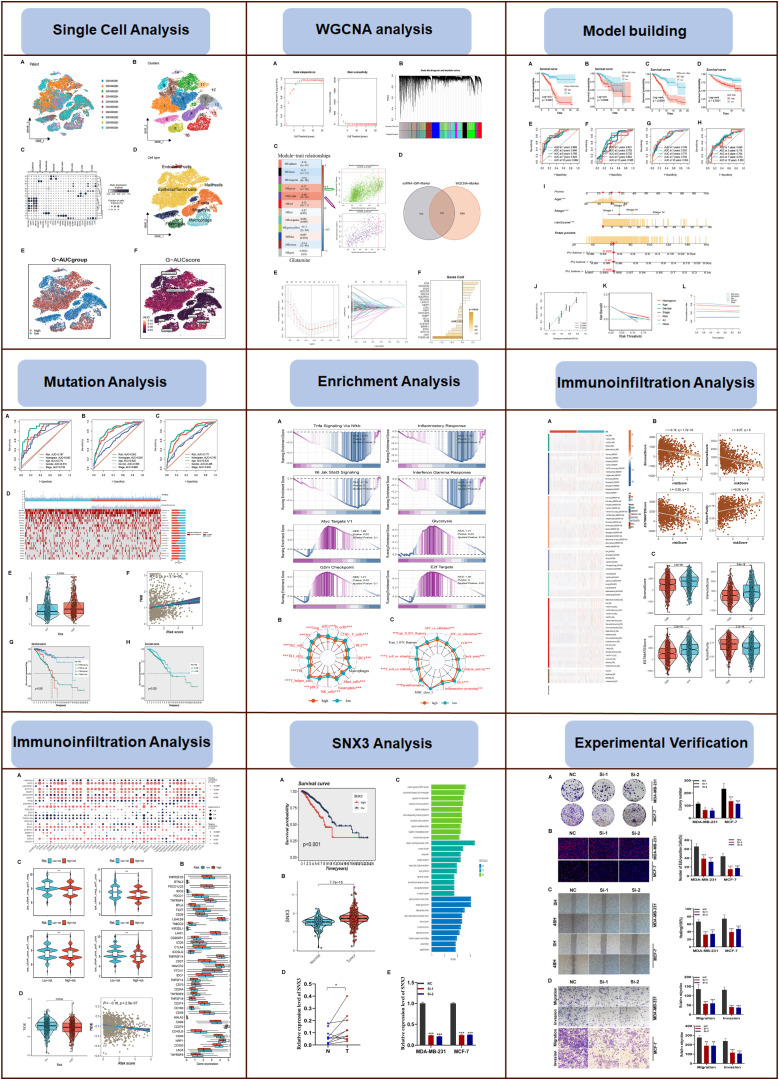 Figure 1
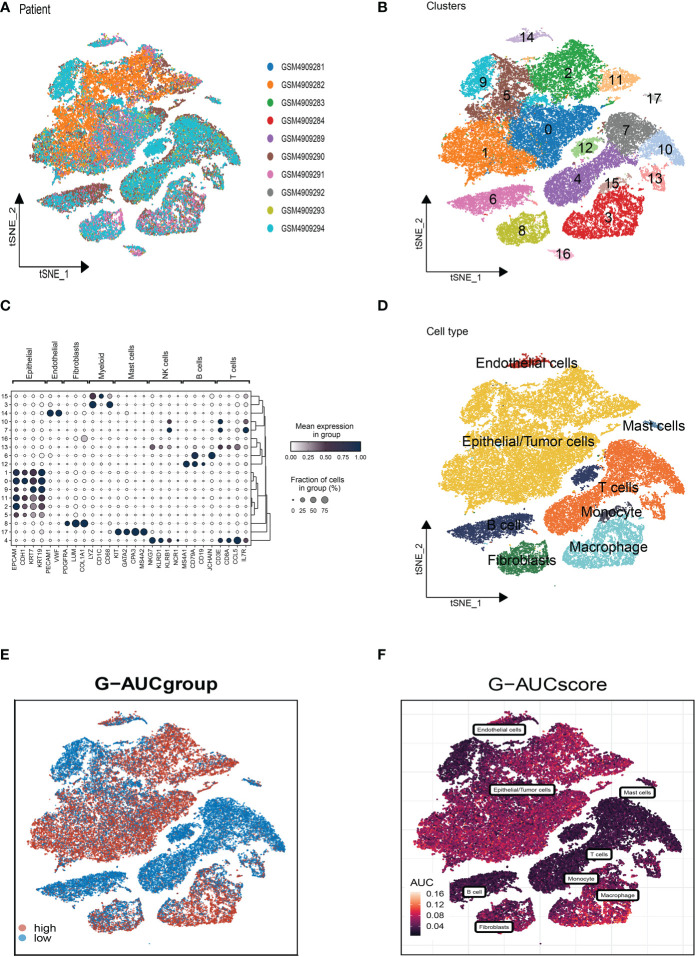 Figure 2
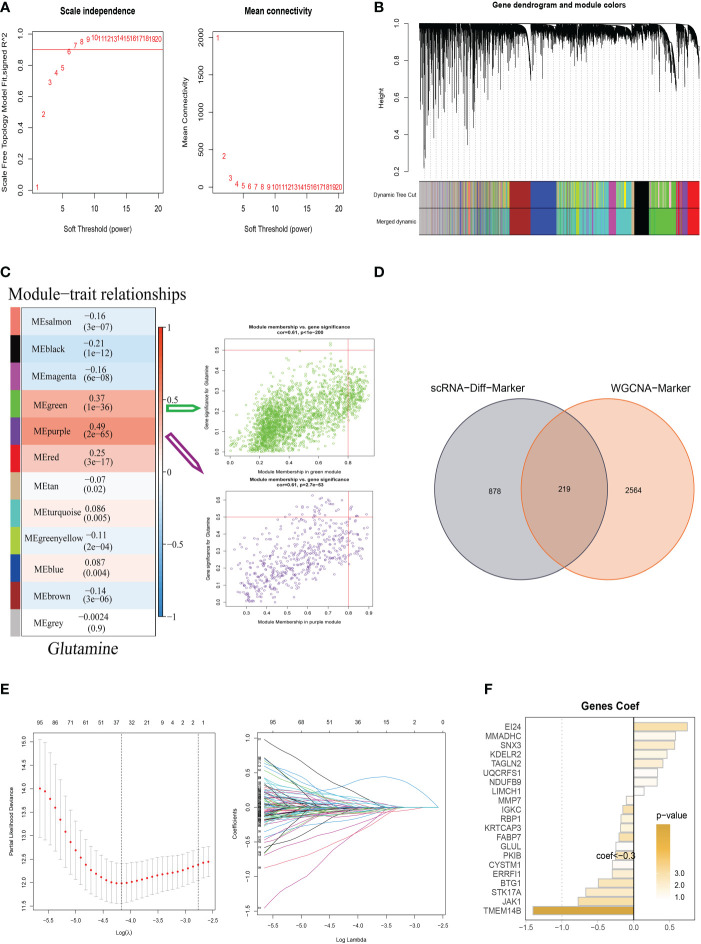 Figure 3
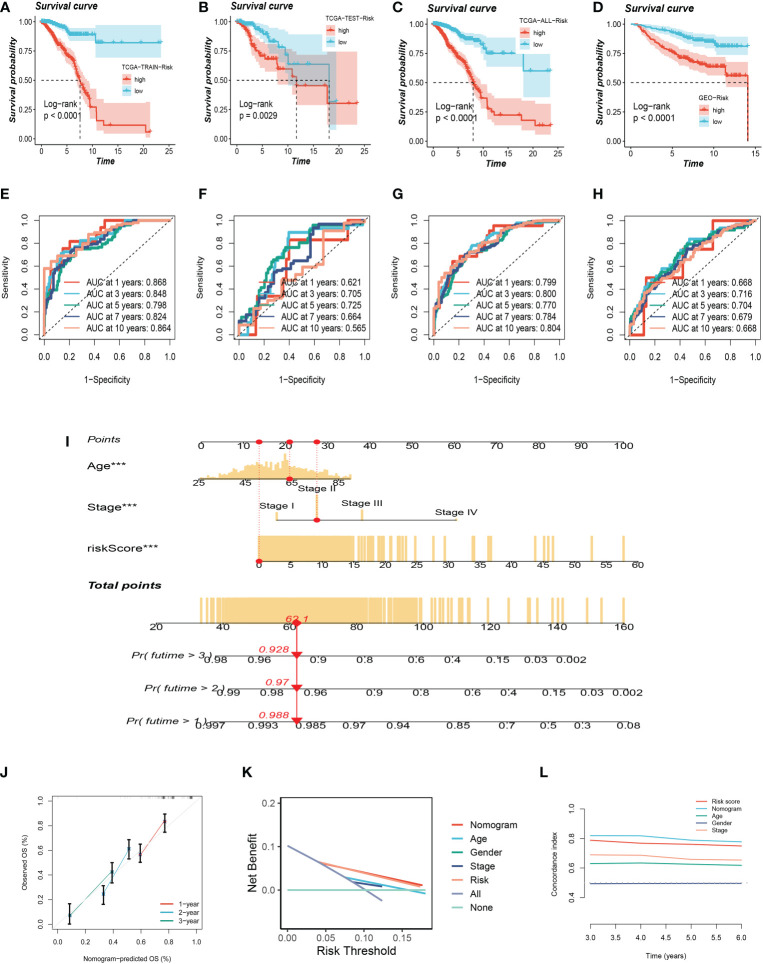 Figure 4
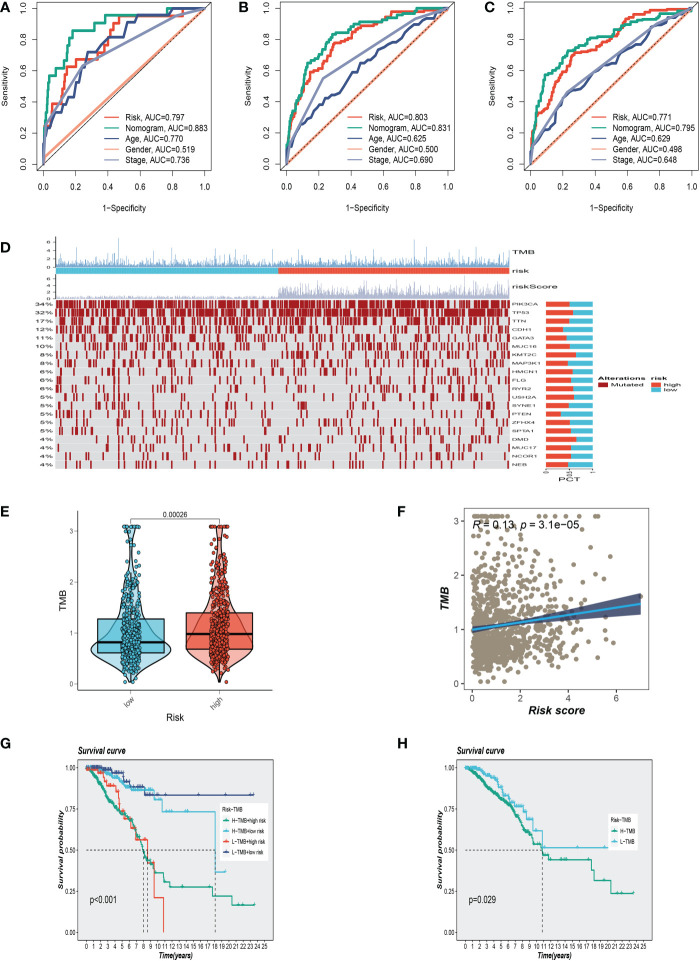 Figure 5
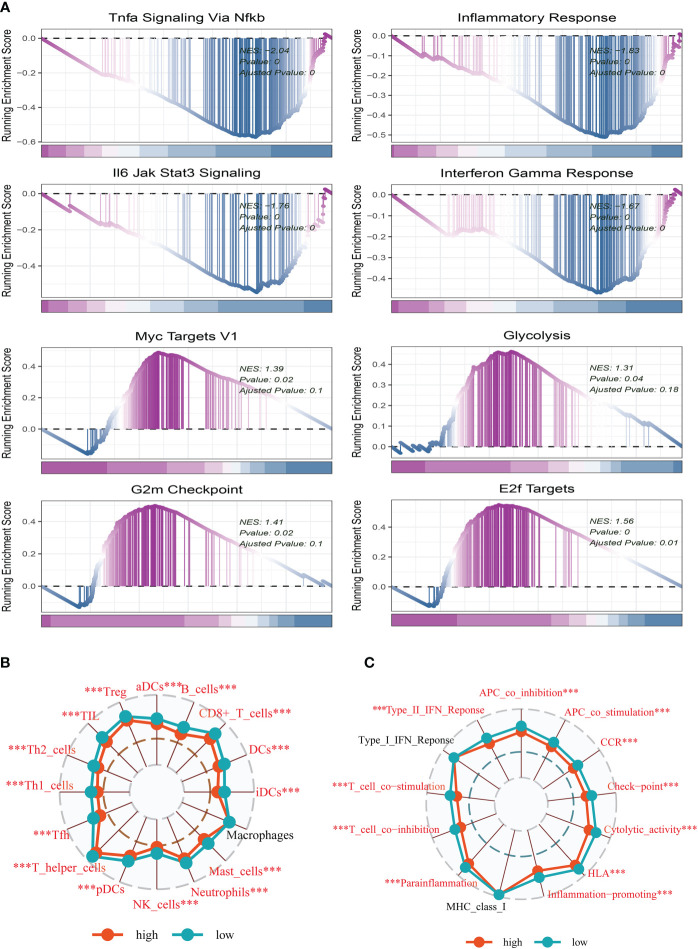 Figure 6
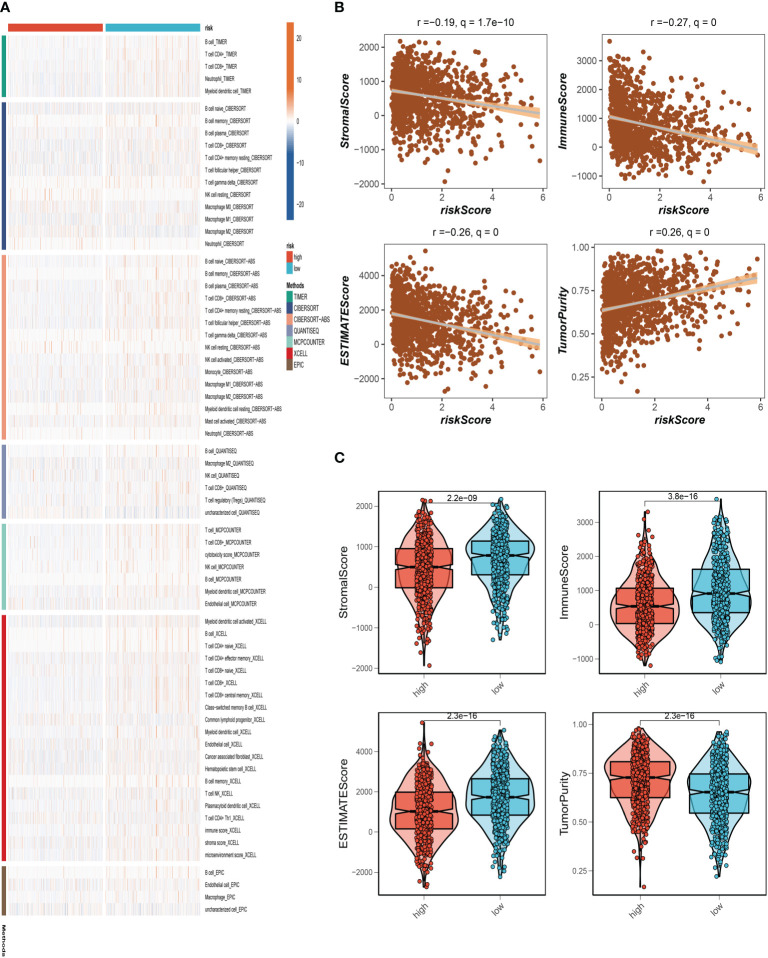 Figure 7
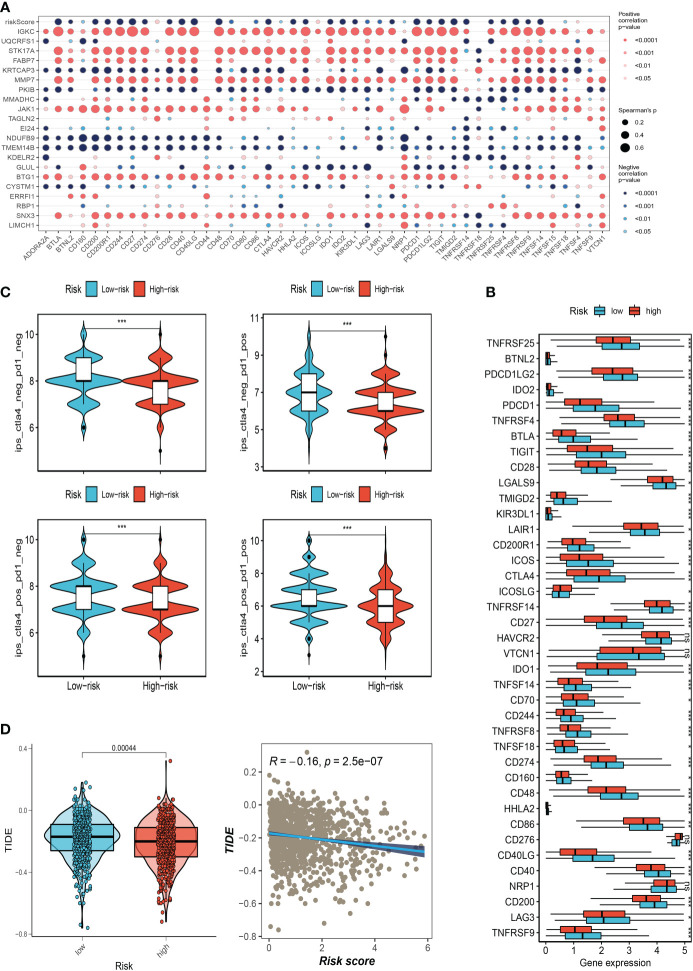 Figure 8
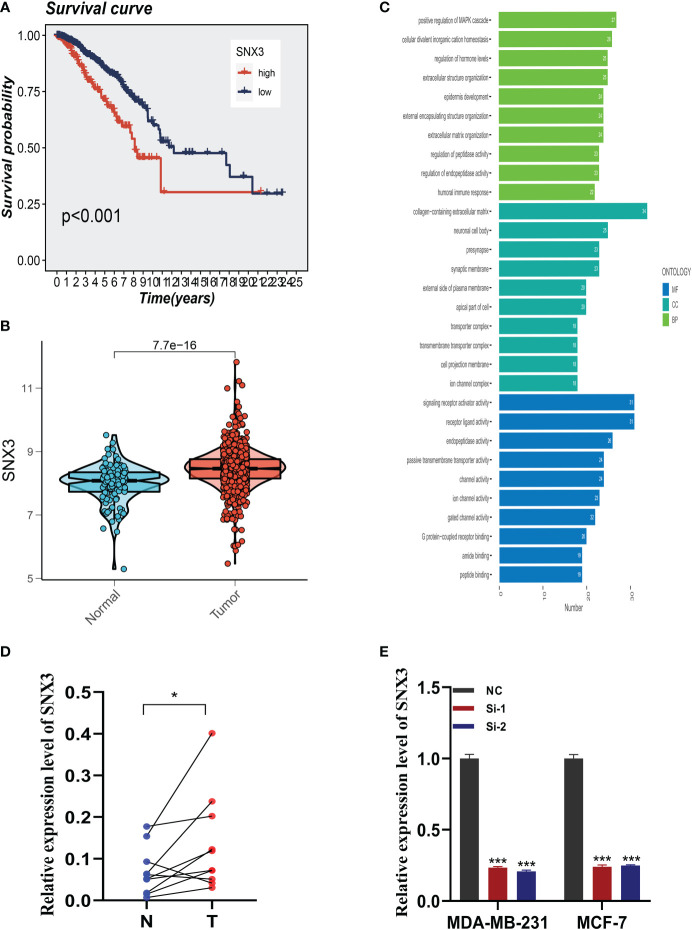 Figure 9
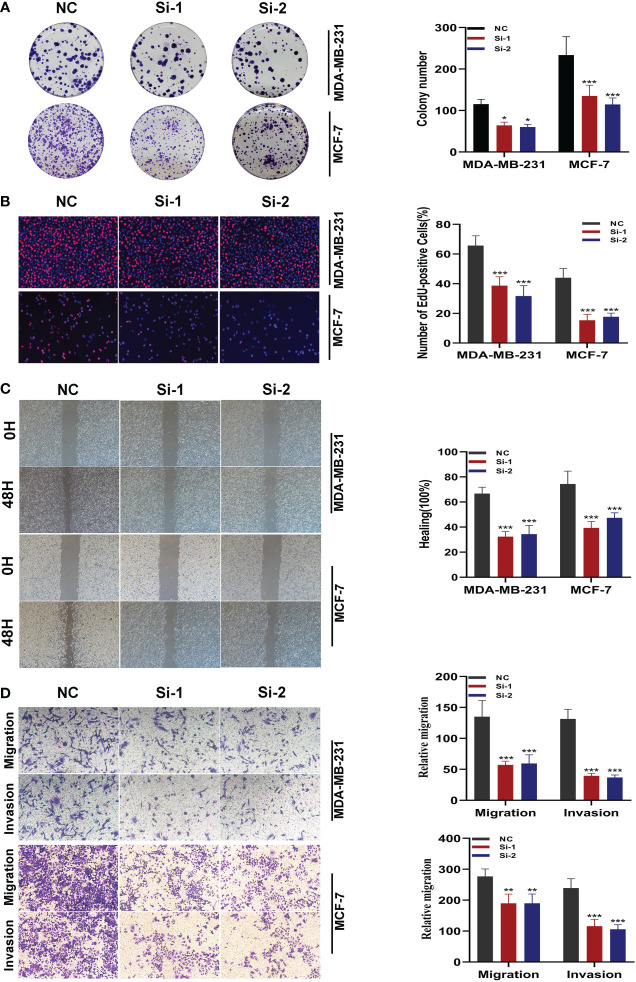 Figure 10
Peer Reviews
No public reviews on file for this paper yet. If you reviewed it on a platform where reviews are public (OpenReview, ICLR, NeurIPS, ICML), you can paste yours below so the community can read it here.
Videos
No videos yet. Explain this paper in a talk, walkthrough, or lecture? Add one.
Taxonomy
TopicsFerroptosis and cancer prognosis · Immune cells in cancer · Cancer, Hypoxia, and Metabolism