Early Prediction in Classification of Cardiovascular Diseases with Machine Learning, Neuro-Fuzzy and Statistical Methods
Osman Taylan, Abdulaziz S. Alkabaa, Hanan S. Alqabbaa, Esra Pamukçu, Víctor Leiva

TL;DR
This paper presents a new method combining machine learning and fuzzy logic to predict cardiovascular diseases with over 90% accuracy, helping doctors diagnose faster and more effectively.
Contribution
A novel hybrid methodology using machine learning, neuro-fuzzy, and statistical methods for improved cardiovascular disease prediction.
Findings
The proposed methodology achieved over 90% prediction accuracy in classifying cardiovascular diseases.
ANFIS showed the highest training accuracy at 96.56%, outperforming other models like SVR.
Key variables like age, cholesterol, and glucose levels were identified as significant predictors.
Abstract
Timely and accurate detection of cardiovascular diseases is critical to reduce the risk of myocardial infarction. This article proposes a methodology using machine learning, neuro-fuzzy and statistical methods to predict cardiovascular diseases. Our results show that the proposed methodology outperformed well known approaches, reaching a high prediction accuracy greater than 90%. Our methodology helps medical doctors to enhance diagnosis, quality of healthcare and efficacious prescriptions, decreasing the time for exams and minimizing expenses in clinical practice. Timely and accurate detection of cardiovascular diseases (CVDs) is critically important to minimize the risk of a myocardial infarction. Relations between factors of CVDs are complex, ill-defined and nonlinear, justifying the use of artificial intelligence tools. These tools aid in predicting and classifying CVDs. In this…
Genes, proteins, chemicals, diseases, species, mutations and cell lines named across the full text — each resolved to its canonical identifier and authoritative record.
Click any figure to enlarge with its caption.
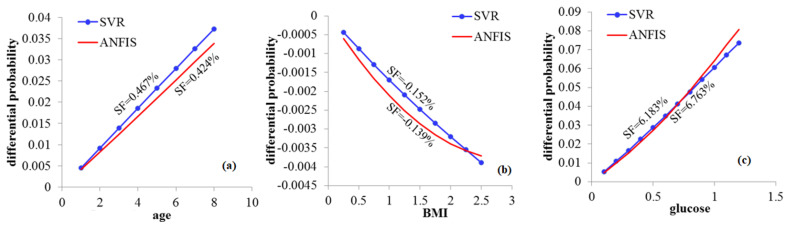 Figure 1
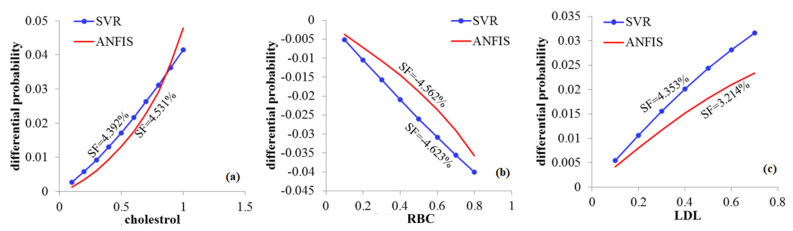 Figure 2
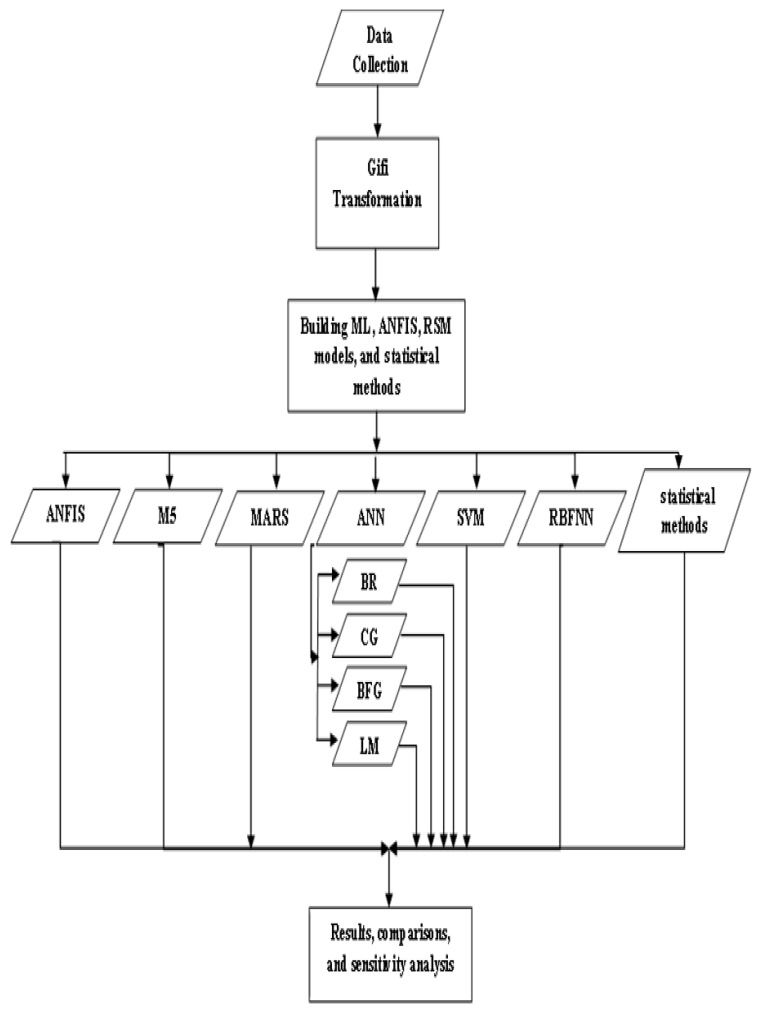 Figure 3
 Figure 4
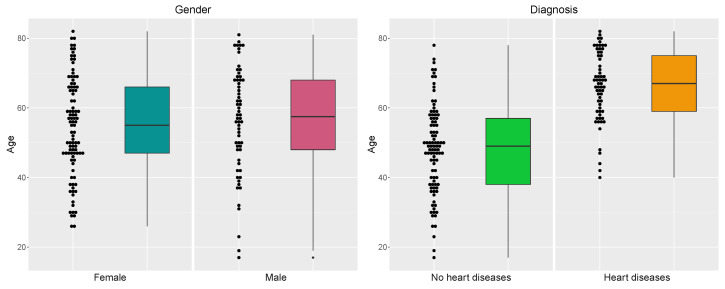 Figure 5
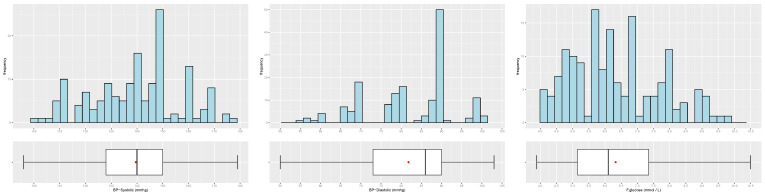 Figure 6
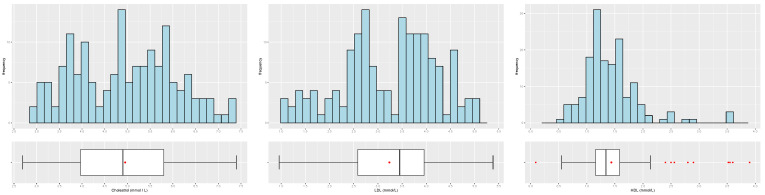 Figure 7
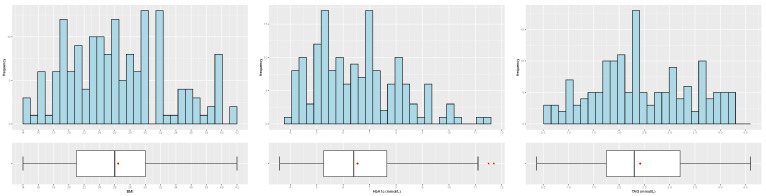 Figure 8
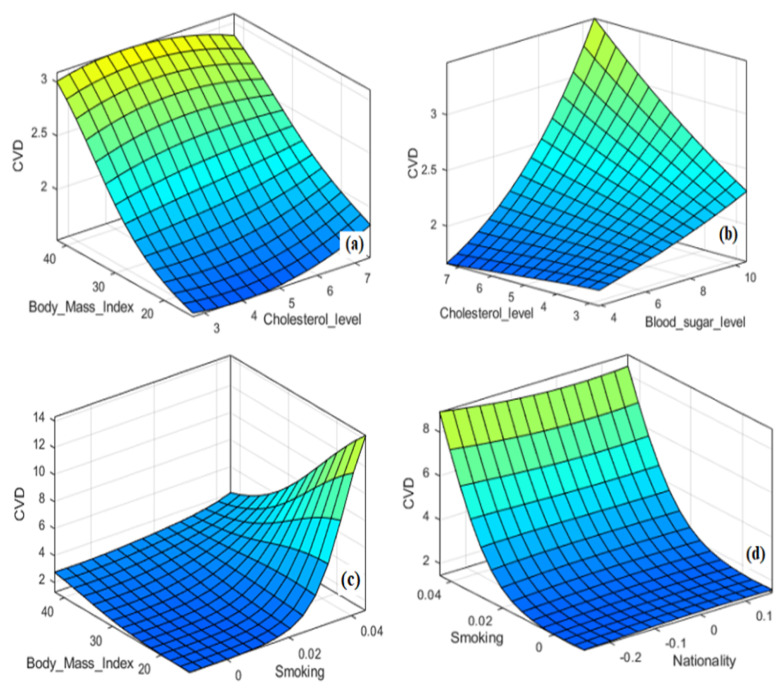 Figure 9
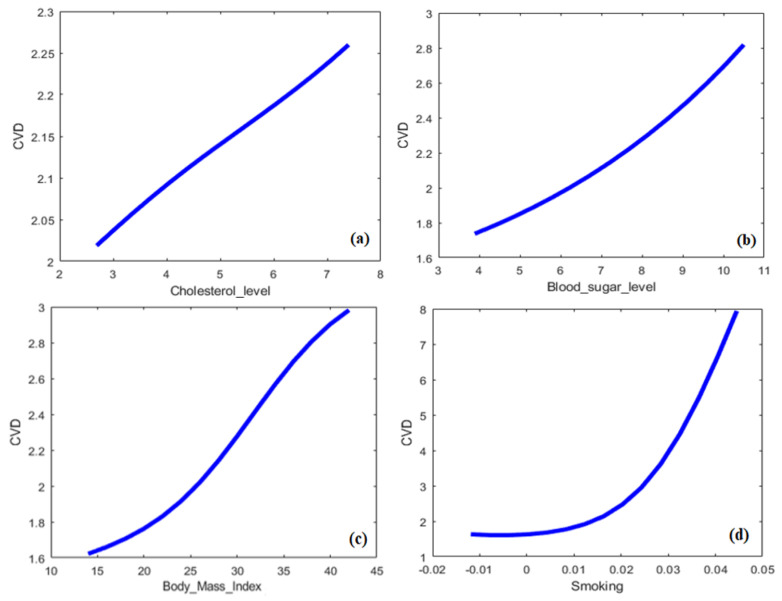 Figure 10
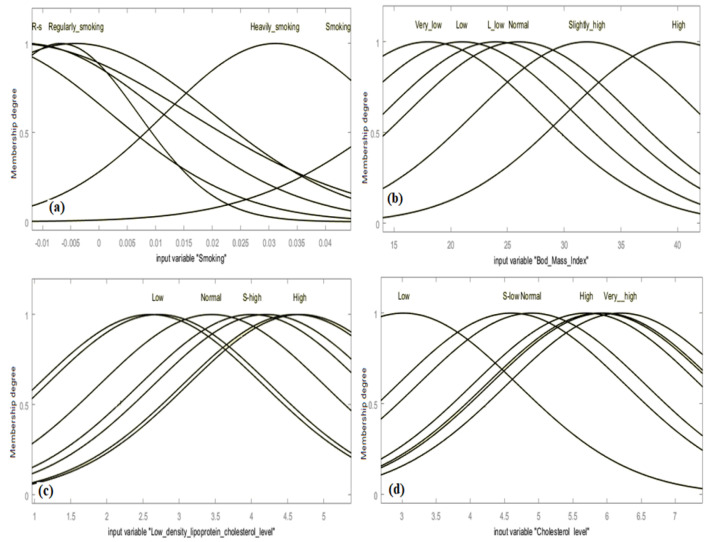 Figure 11
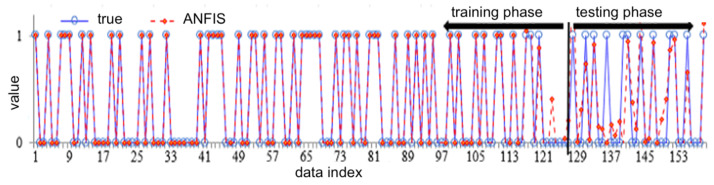 Figure 12
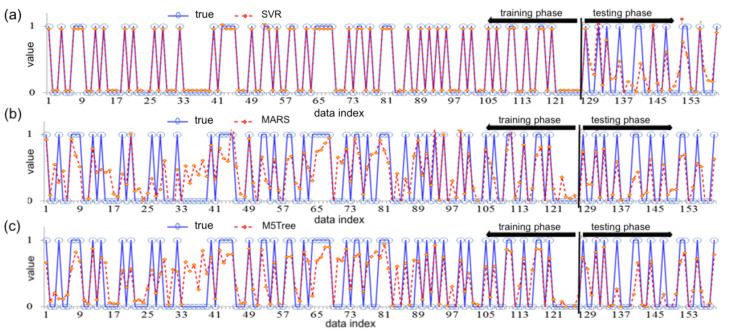 Figure 13
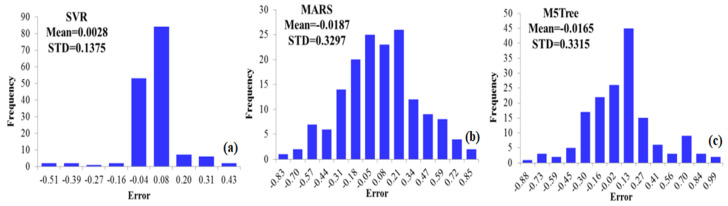 Figure 14
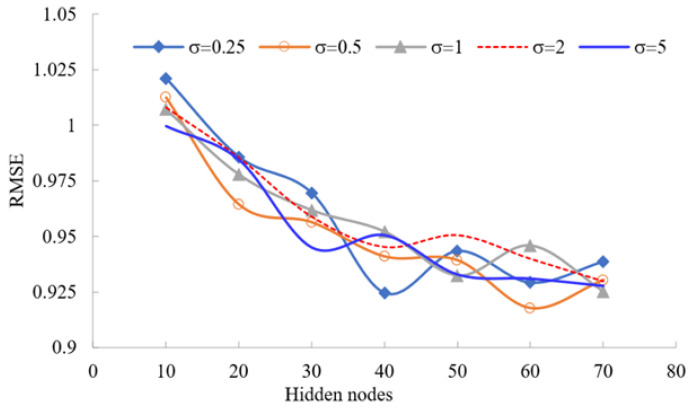 Figure 15
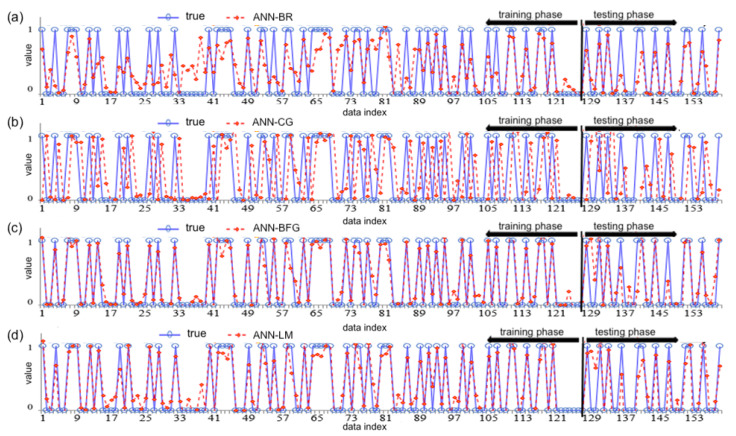 Figure 16
 Figure 17
 Figure 18
 Figure 19
 Figure 20
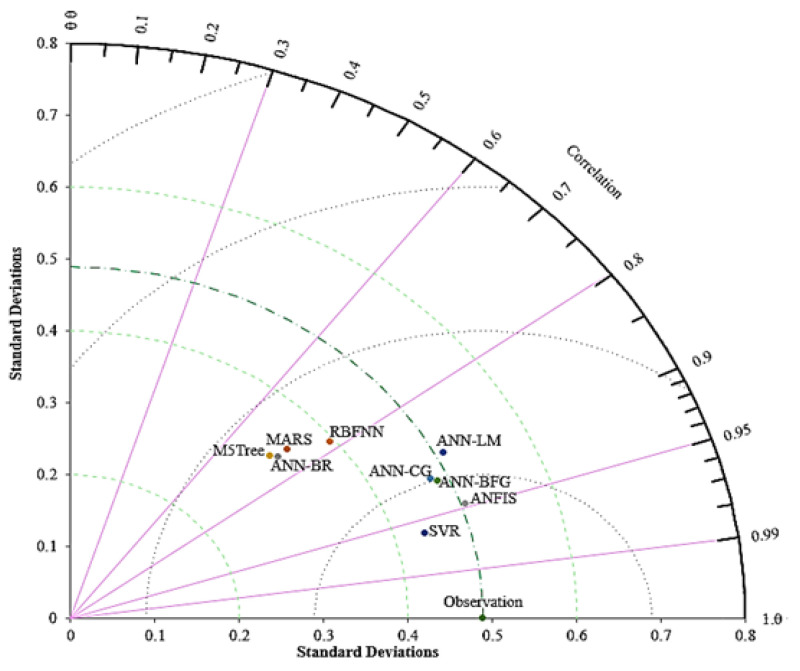 Figure 21
Peer Reviews
No public reviews on file for this paper yet. If you reviewed it on a platform where reviews are public (OpenReview, ICLR, NeurIPS, ICML), you can paste yours below so the community can read it here.
Videos
No videos yet. Explain this paper in a talk, walkthrough, or lecture? Add one.
Taxonomy
TopicsArtificial Intelligence in Healthcare · Imbalanced Data Classification Techniques · Machine Learning in Healthcare