Tumor-secreted exosomal miR-141 activates tumor-stroma interactions and controls premetastatic niche formation in ovarian cancer metastasis
Yulan Mo, Leanne L. Leung, Celia S. L. Mak, Xueyu Wang, Wai-Sun Chan, Lynn M. N. Hui, Hermit W. M. Tang, Michelle K. Y. Siu, Rakesh Sharma, Dakang Xu, Stephen K. W. Tsui, Hextan Y. S. Ngan, Mingo M. H. Yung, Karen K. L. Chan, David W. Chan

TL;DR
Ovarian cancer cells release miR-141, which reprograms nearby cells to support cancer spread, offering new therapeutic insights.
Contribution
Identifies miR-141 as a key driver of tumor-stroma communication and premetastatic niche formation in ovarian cancer.
Findings
miR-141 reprograms fibroblasts into proinflammatory cancer-associated fibroblasts, aiding metastasis.
miR-141 targets YAP1, reducing its nuclear activity and increasing GROα production in stromal cells.
Stromal-specific Yap1 knockout enhanced tumor colonization, reversed by Cxcr1/2 depletion in cancer cells.
Abstract
Metastatic colonization is one of the critical steps in tumor metastasis. A pre-metastatic niche is required for metastatic colonization and is determined by tumor-stroma interactions, yet the mechanistic underpinnings remain incompletely understood. PCR-based miRNome profiling, qPCR, immunofluorescent analyses evaluated the expression of exosomal miR-141 and cell-to-cell communication. LC-MS/MS proteomic profiling and Dual-Luciferase analyses identified YAP1 as the direct target of miR-141. Human cytokine profiling, ChIP, luciferase reporter assays, and subcellular fractionation analyses confirmed YAP1 in modulating GROα production. A series of in vitro tumorigenic assays, an ex vivo model and Yap1 stromal conditional knockout (cKO) mouse model demonstrated the roles of miR-141/YAP1/GROα/CXCR1/2 signaling cascade. RNAi, CRISPR/Cas9 and CRISPRi systems were used for gene silencing.…
Genes, proteins, chemicals, diseases, species, mutations and cell lines named across the full text — each resolved to its canonical identifier and authoritative record.
Click any figure to enlarge with its caption.
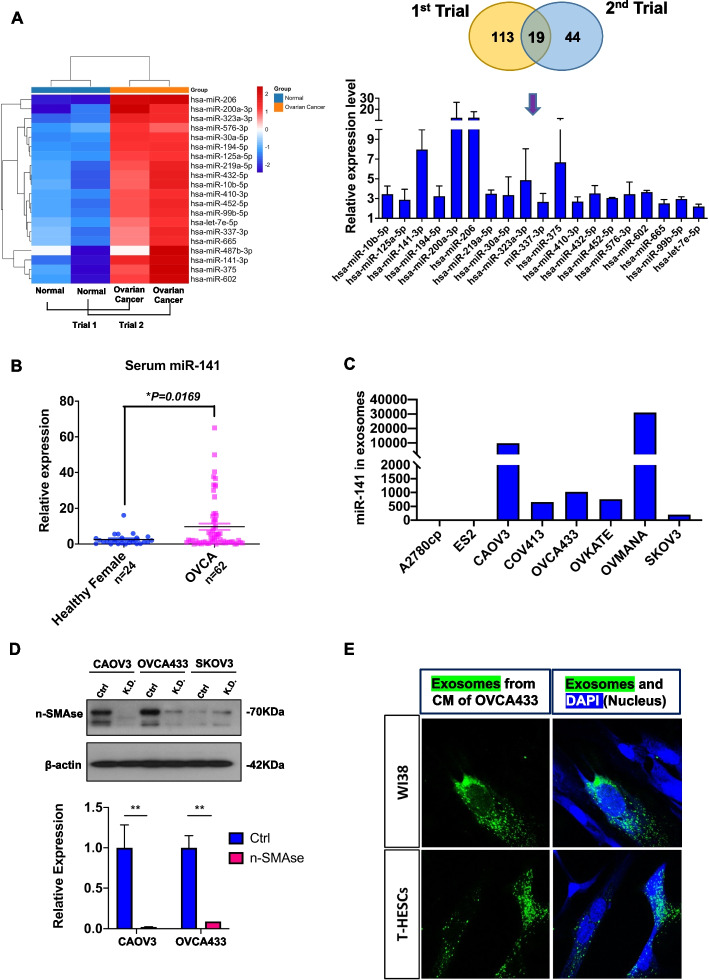 Figure 1
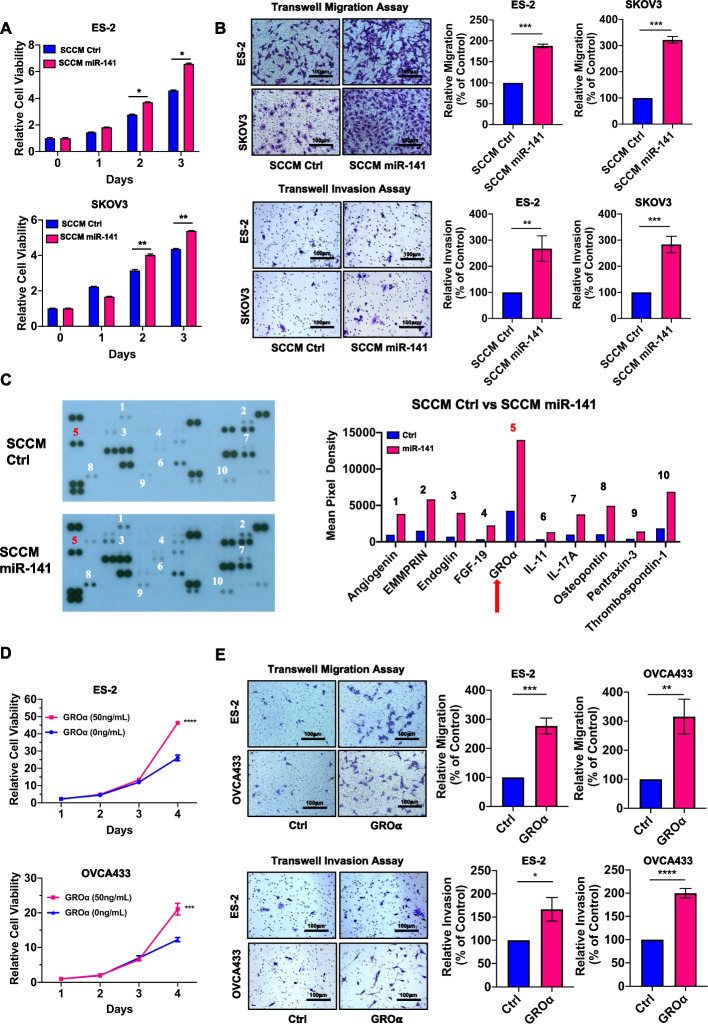 Figure 2
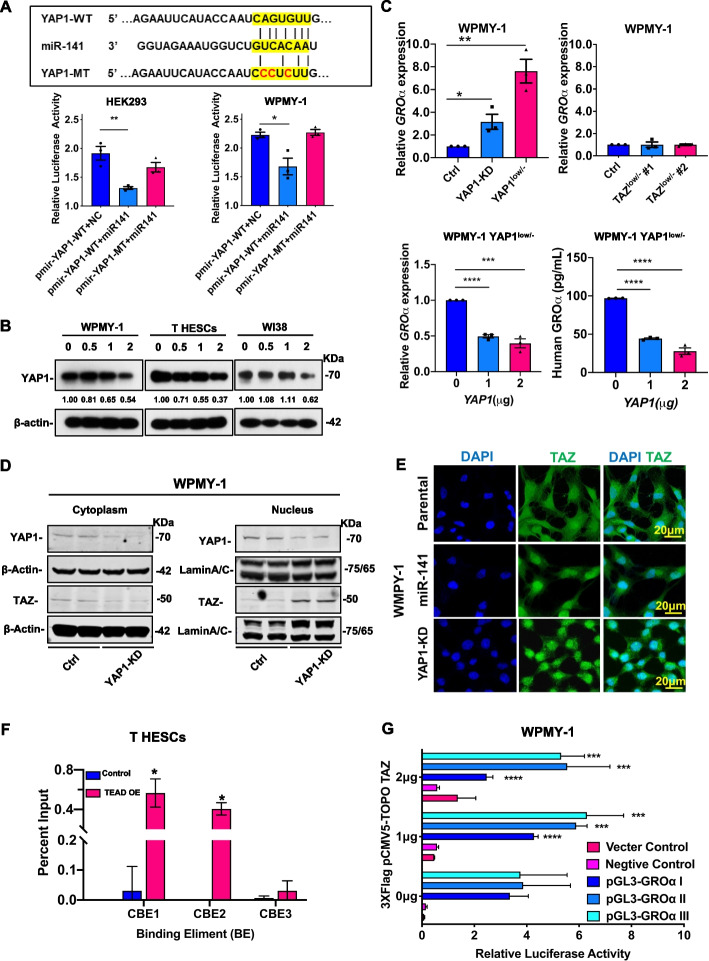 Figure 3
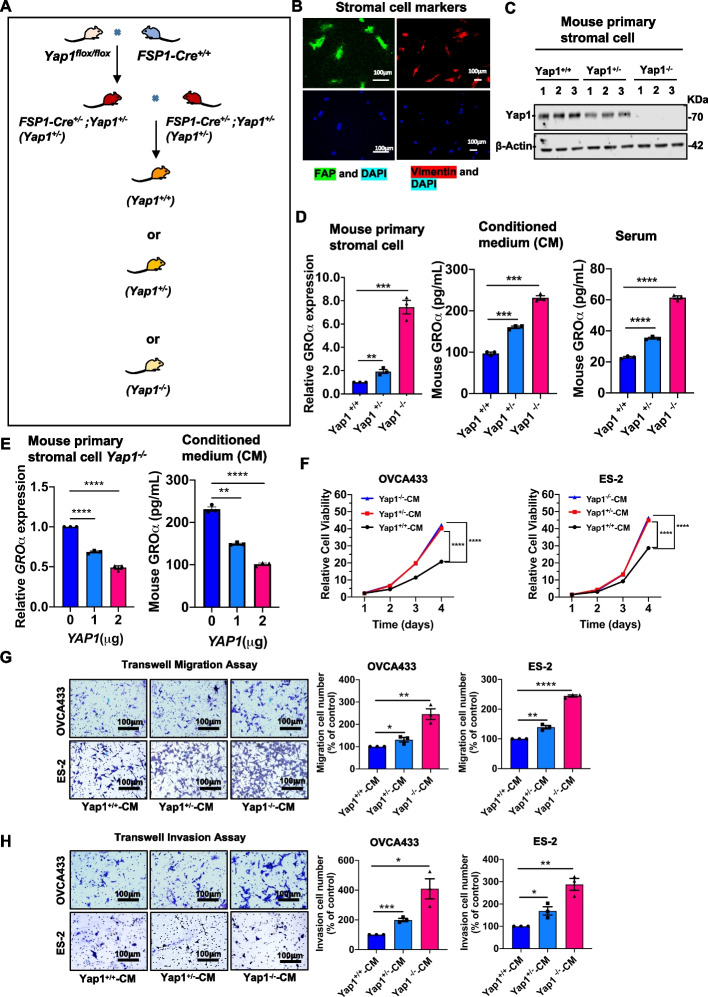 Figure 4
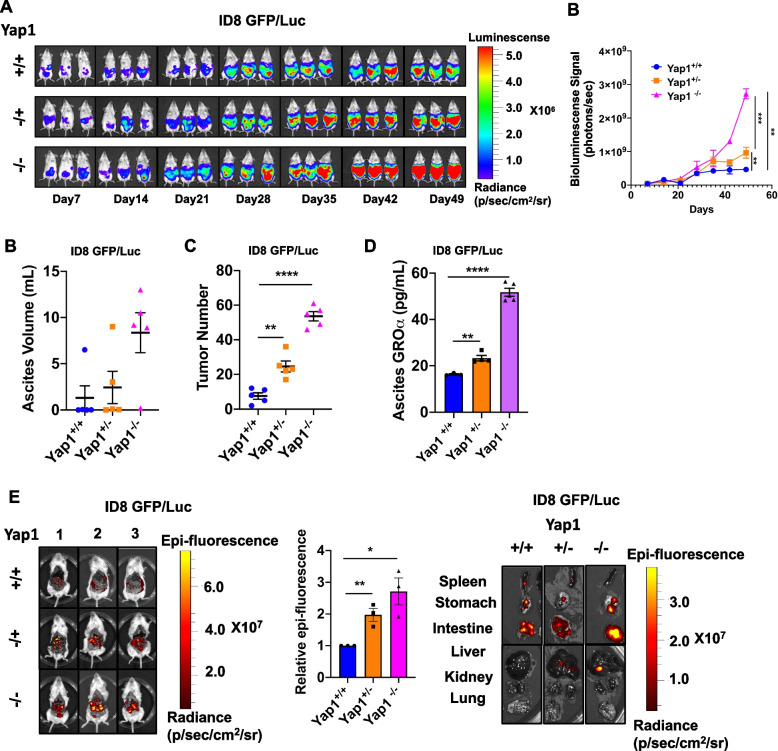 Figure 5
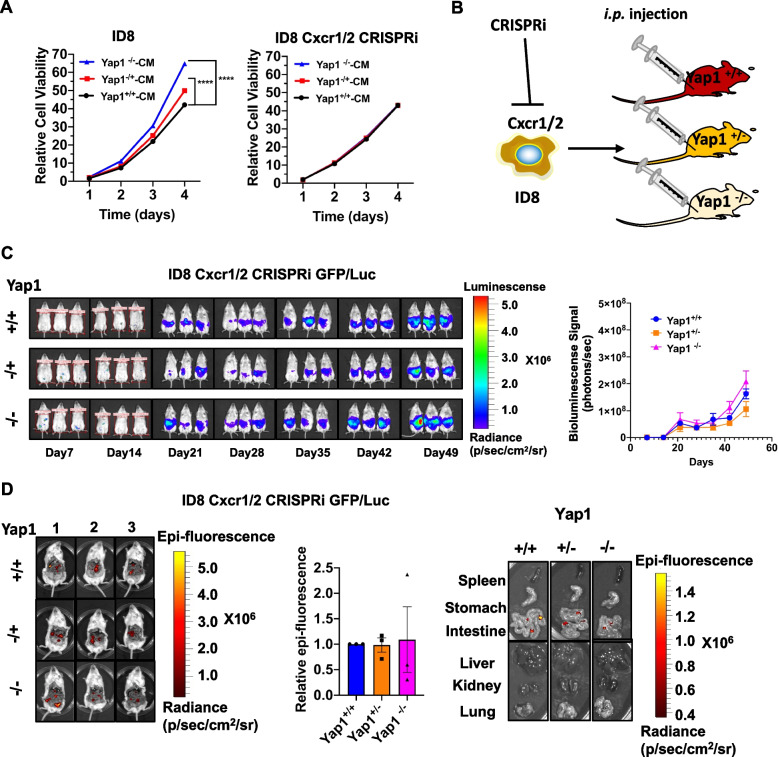 Figure 6
Peer Reviews
No public reviews on file for this paper yet. If you reviewed it on a platform where reviews are public (OpenReview, ICLR, NeurIPS, ICML), you can paste yours below so the community can read it here.
Videos
No videos yet. Explain this paper in a talk, walkthrough, or lecture? Add one.
Taxonomy
TopicsHippo pathway signaling and YAP/TAZ · Extracellular vesicles in disease · Cancer-related molecular mechanisms research