Helicobacter pylori-induced NAT10 stabilizes MDM2 mRNA via RNA acetylation to facilitate gastric cancer progression
Min Deng, Long Zhang, Wenying Zheng, Jiale Chen, Nan Du, Meiqi Li, Weiqing Chen, Yonghong Huang, Ning Zeng, Yuanbin Song, Yongming Chen

TL;DR
This study shows that Helicobacter pylori infection increases NAT10 activity, which stabilizes MDM2 mRNA and promotes gastric cancer by suppressing p53.
Contribution
The study identifies a novel Hp-NAT10-MDM2-p53 signaling axis in gastric cancer and suggests targeting NAT10 as a potential therapeutic strategy.
Findings
NAT10 and ac4C modification are elevated in gastric cancer and correlate with poor prognosis.
NAT10 stabilizes MDM2 mRNA via ac4C modification, leading to p53 downregulation and cancer progression.
Targeting NAT10 with Remodelin inhibits gastric cancer and enhances MDM2 inhibitor efficacy in p53 wild-type tumors.
Abstract
N4-acetylcytidine (ac4C), a widespread modification in human mRNAs that is catalyzed by the N-acetyltransferase 10 (NAT10) enzyme, plays an important role in promoting mRNA stability and translation. However, the biological functions and regulatory mechanisms of NAT10-mediated ac4C were poorly defined. ac4C mRNA modification status and NAT10 expression levels were analyzed in gastric cancer (GC) samples and compared with the corresponding normal tissues. The biological role of NAT10-mediated ac4C and its upstream and downstream regulatory mechanisms were determined in vitro and in vivo. The therapeutic potential of targeting NAT10 in GC was further explored. Here, we demonstrated that both ac4C mRNA modification and its acetyltransferase NAT10 were increased in GC, and increased NAT10 expression was associated with disease progression and poor patient prognosis. Functionally, we found…
Genes, proteins, chemicals, diseases, species, mutations and cell lines named across the full text — each resolved to its canonical identifier and authoritative record.
Click any figure to enlarge with its caption.
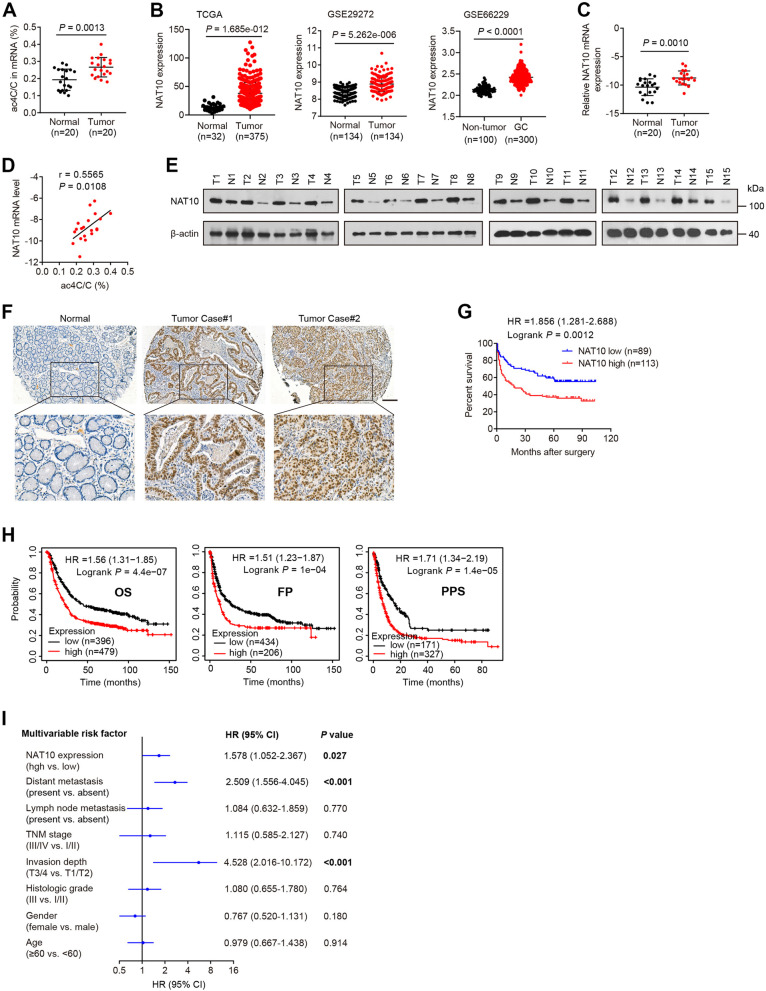 Figure 1
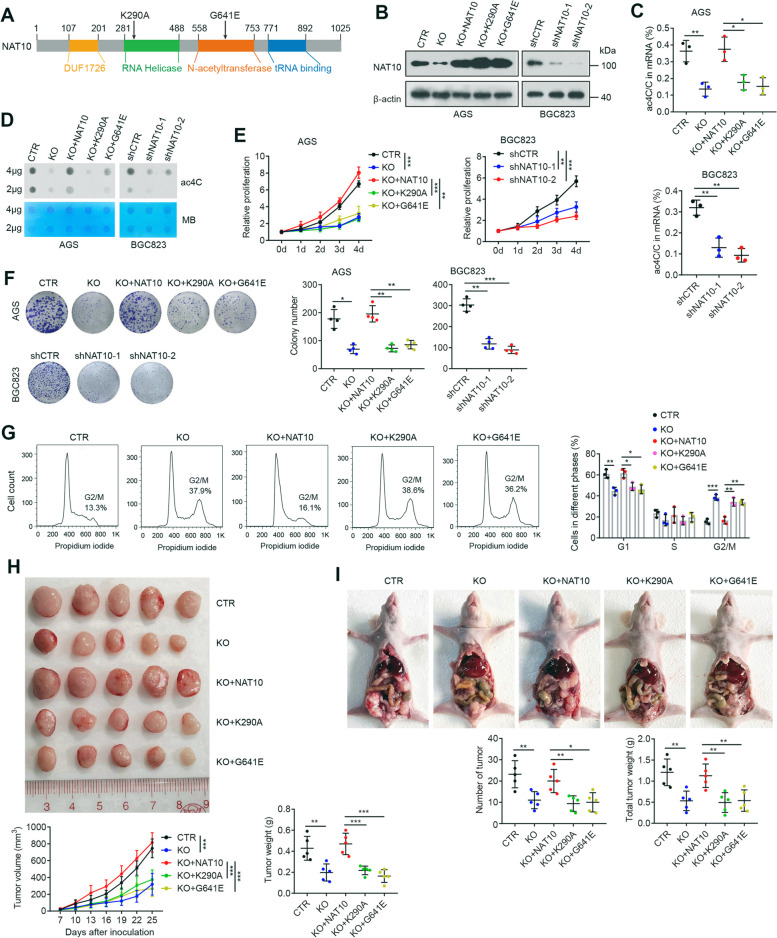 Figure 2
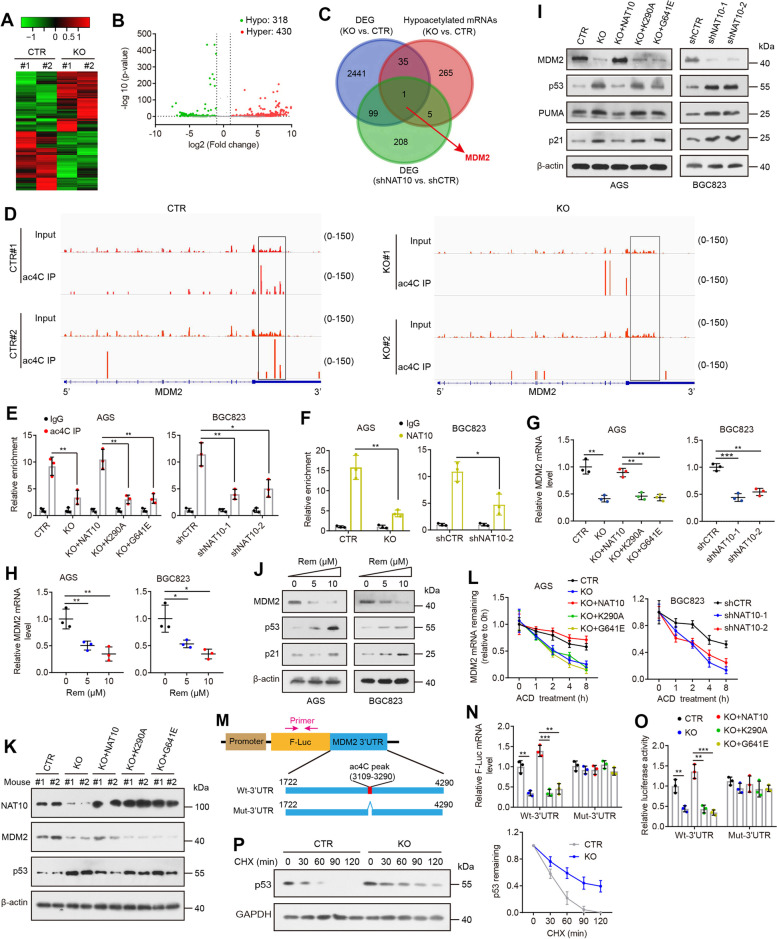 Figure 3
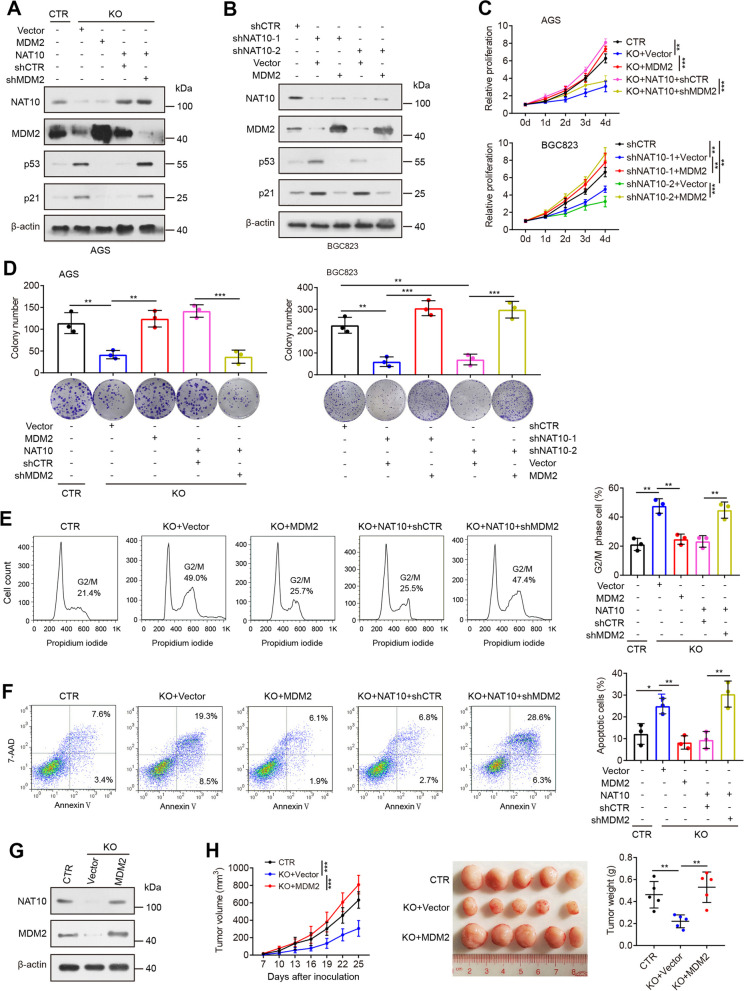 Figure 4
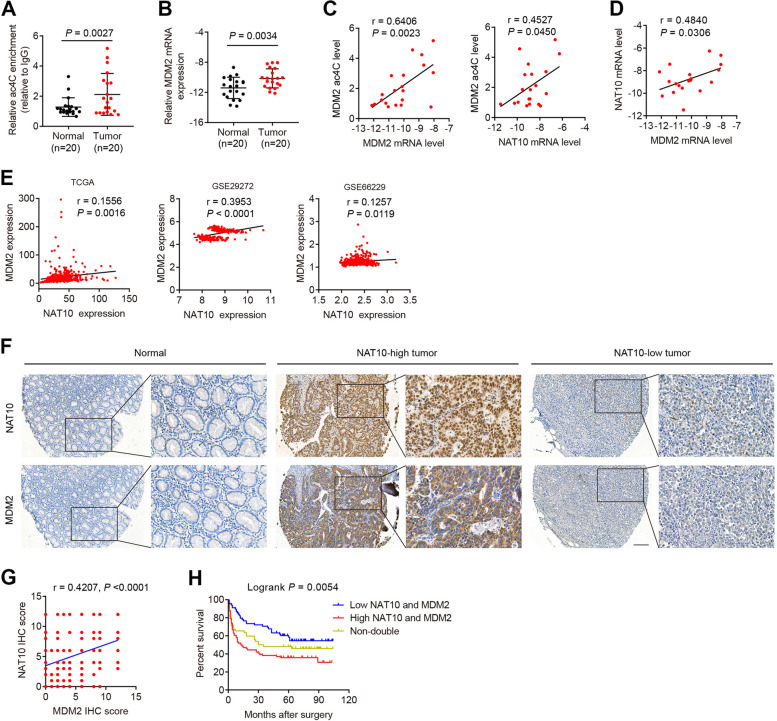 Figure 5
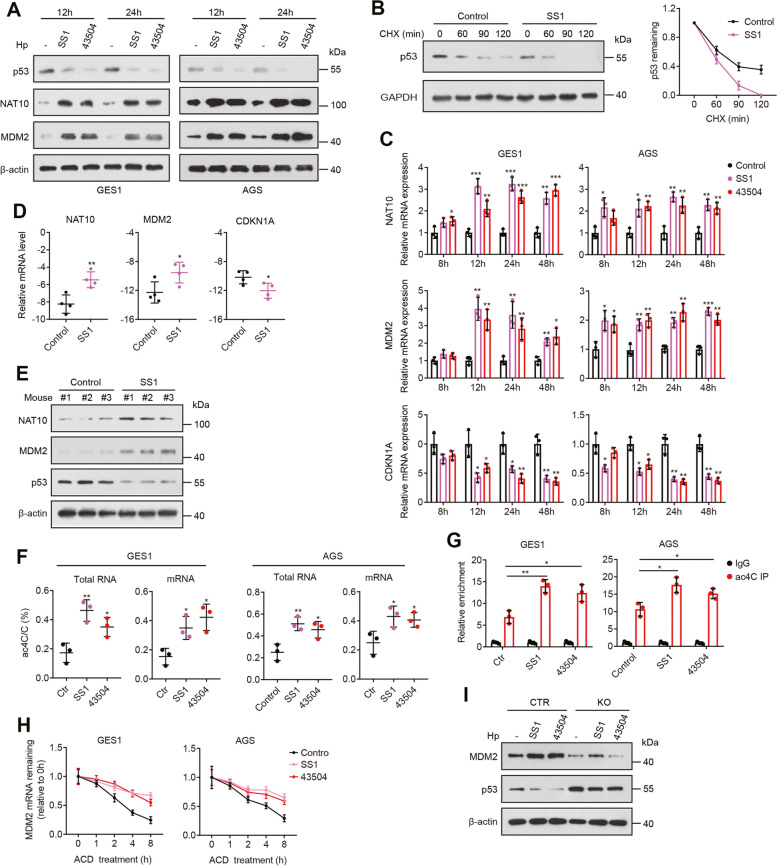 Figure 6
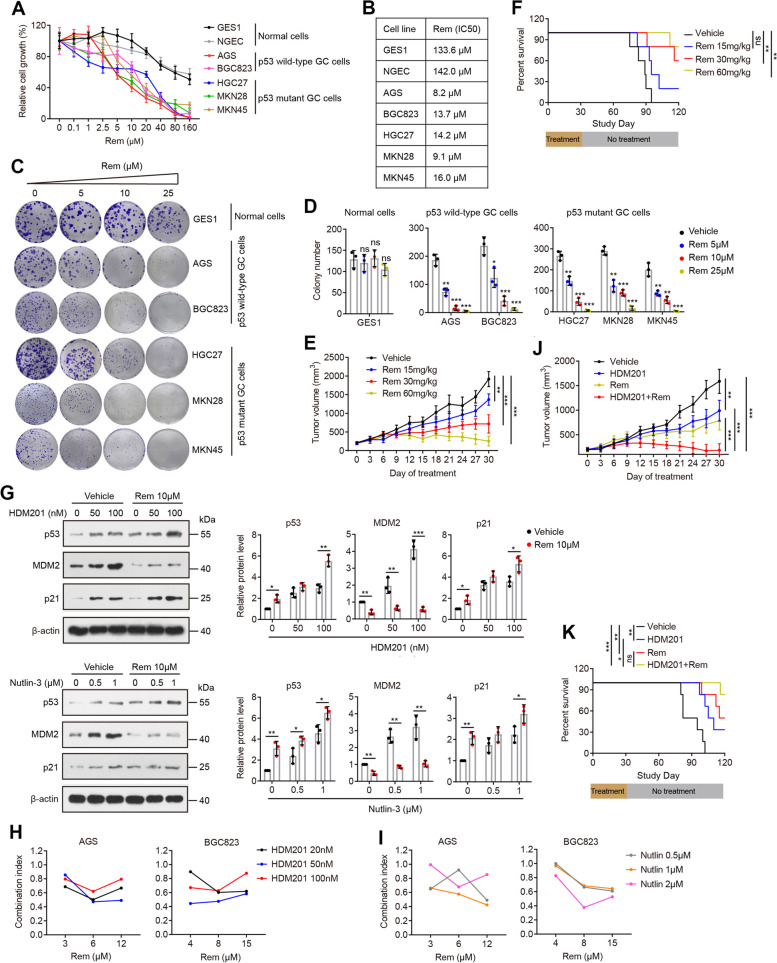 Figure 7
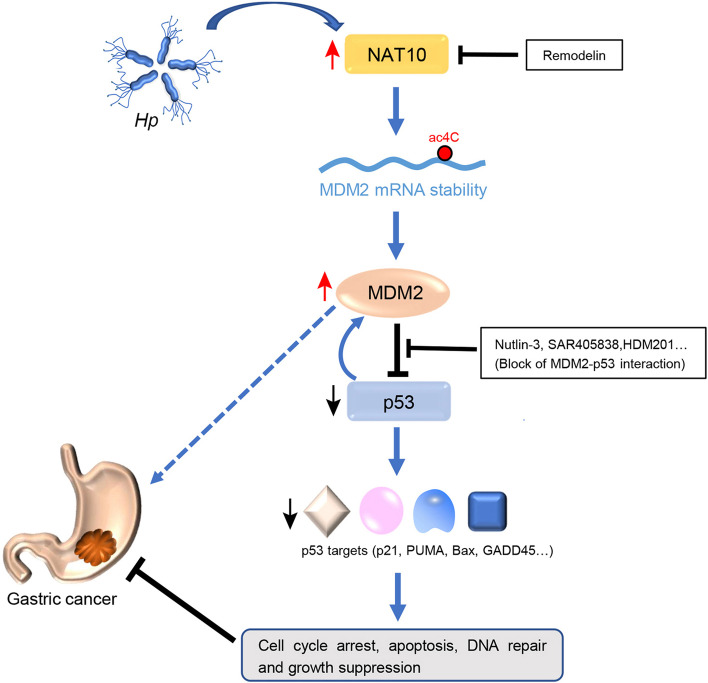 Figure 8
Peer Reviews
No public reviews on file for this paper yet. If you reviewed it on a platform where reviews are public (OpenReview, ICLR, NeurIPS, ICML), you can paste yours below so the community can read it here.
Videos
No videos yet. Explain this paper in a talk, walkthrough, or lecture? Add one.
Taxonomy
TopicsRNA modifications and cancer · RNA and protein synthesis mechanisms · Cancer-related gene regulation